Understanding Day-to-Day Medical Expenses Insurance: A Comprehensive Guide
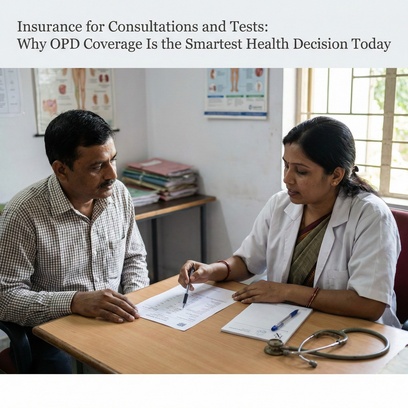
Imagine visiting the doctor for a lingering cough. You pay for the consultation, then head to the pharmacy for medication. A week later, you need a follow-up and perhaps a quick blood test. None of these events require a hospital stay, yet the bills stack up quickly. This is where the gap in traditional health coverage often becomes visible.
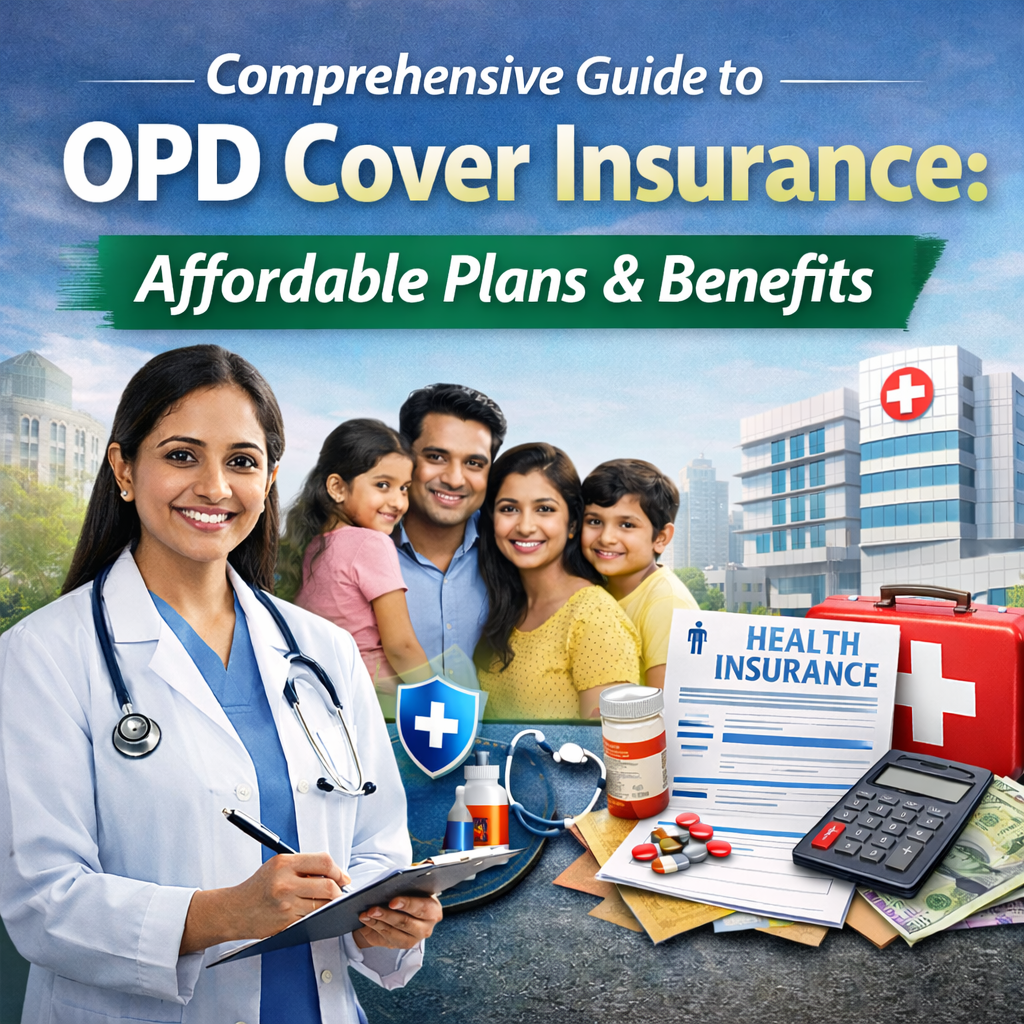
Day-to-day medical expenses insurance plays a crucial role in managing these everyday healthcare needs. While most people secure insurance for major surgeries or accidents, they often overlook the financial drip-drip of routine care. This guide explores exactly what day-to-day medical expenses insurance is, how it functions, and why it is an essential component of long-term healthcare planning for you and your family.
What is Day-to-Day Medical Expenses Insurance?
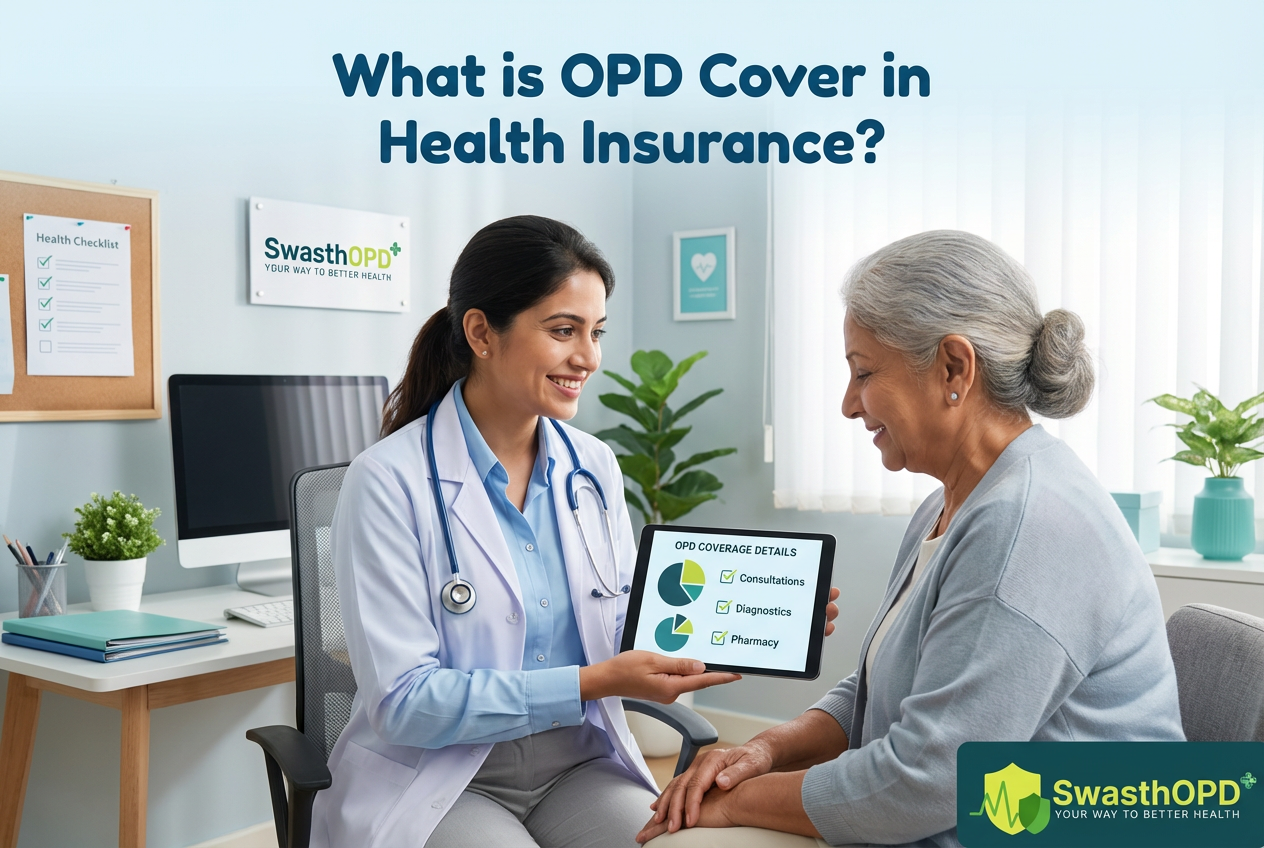
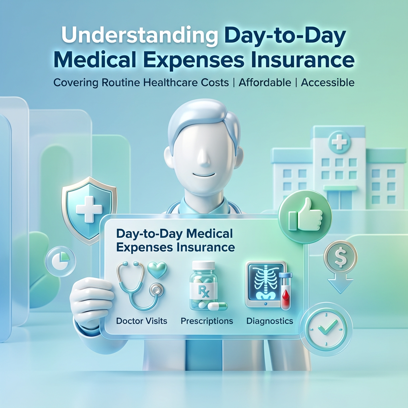
Day-to-day medical expenses insurance is designed to cover common healthcare costs that don’t require hospitalization. Think of it as a shield for your wallet against the minor but frequent medical interactions we all face. It covers expenses such as general practitioner visits, diagnostic tests like X-rays or blood work, and minor treatments.
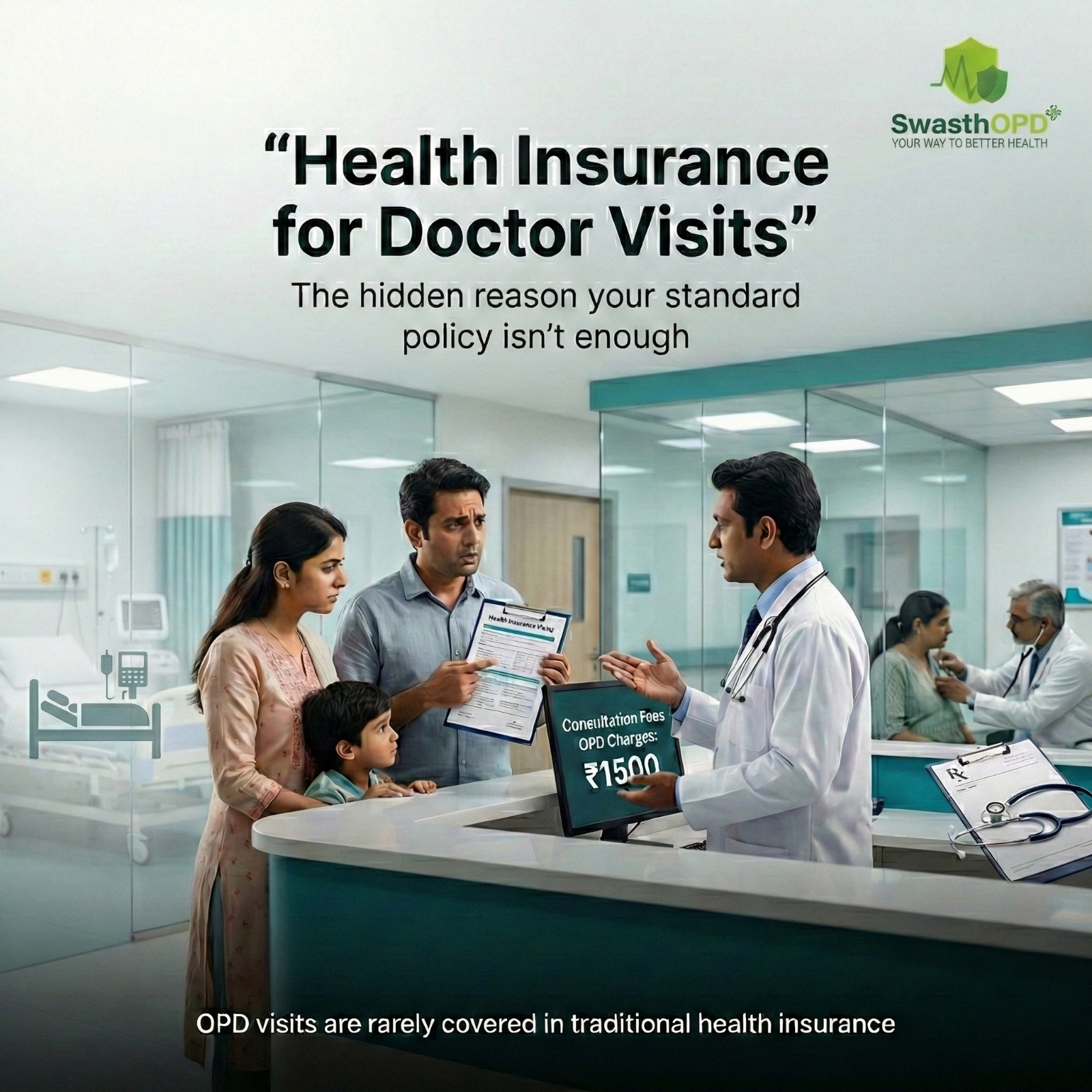
Unlike traditional health insurance, which typically focuses on major medical events and inpatient care, this type of coverage ensures that your everyday health expenses are taken care of. It fills the void left by standard indemnity plans that often have high deductibles or strict hospitalization requirements before they pay out. By offering coverage for OPD visits, prescriptions, and even routine checkups, it provides comprehensive care for all your basic medical needs.
To see how you can add this layer of protection to your life, visit our plans page.
OPD Treatment Meaning
To fully understand this insurance, we need to clarify some terminology. OPD treatment meaning refers to “Outpatient Department” care—medical attention you receive without being admitted to a hospital. This encompasses a vast array of services, including consultations with specialists, dental procedures, diagnostic scans, and rehabilitative therapies that don’t require an overnight stay.
OPD treatment is a significant part of day-to-day medical expenses insurance. Without it, you are paying out-of-pocket for every single clinic visit. This coverage allows individuals to receive necessary care for minor health issues promptly, without the fear of accumulating costs. It encourages proactive health management rather than waiting until a condition worsens enough to require hospitalization.
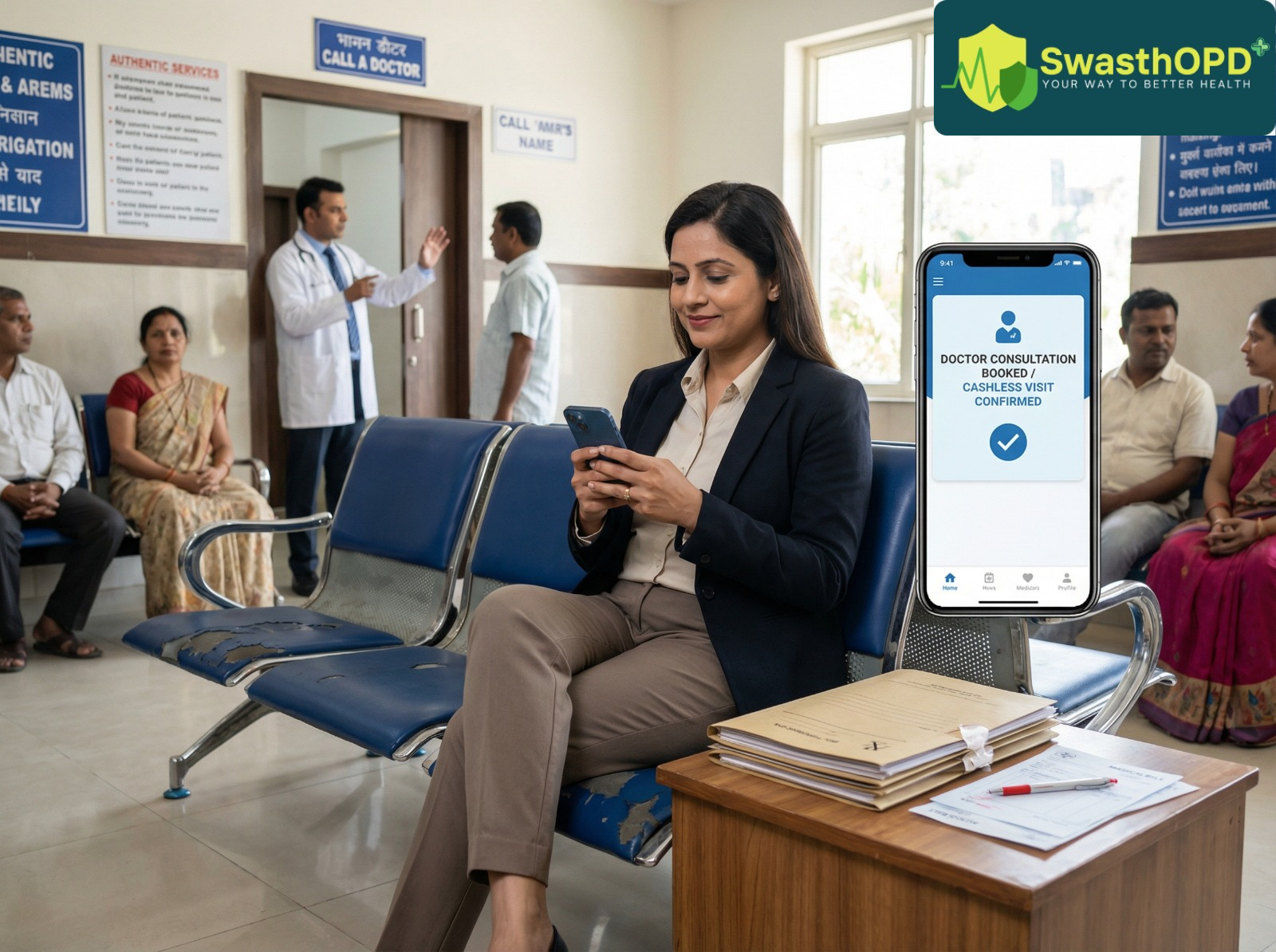
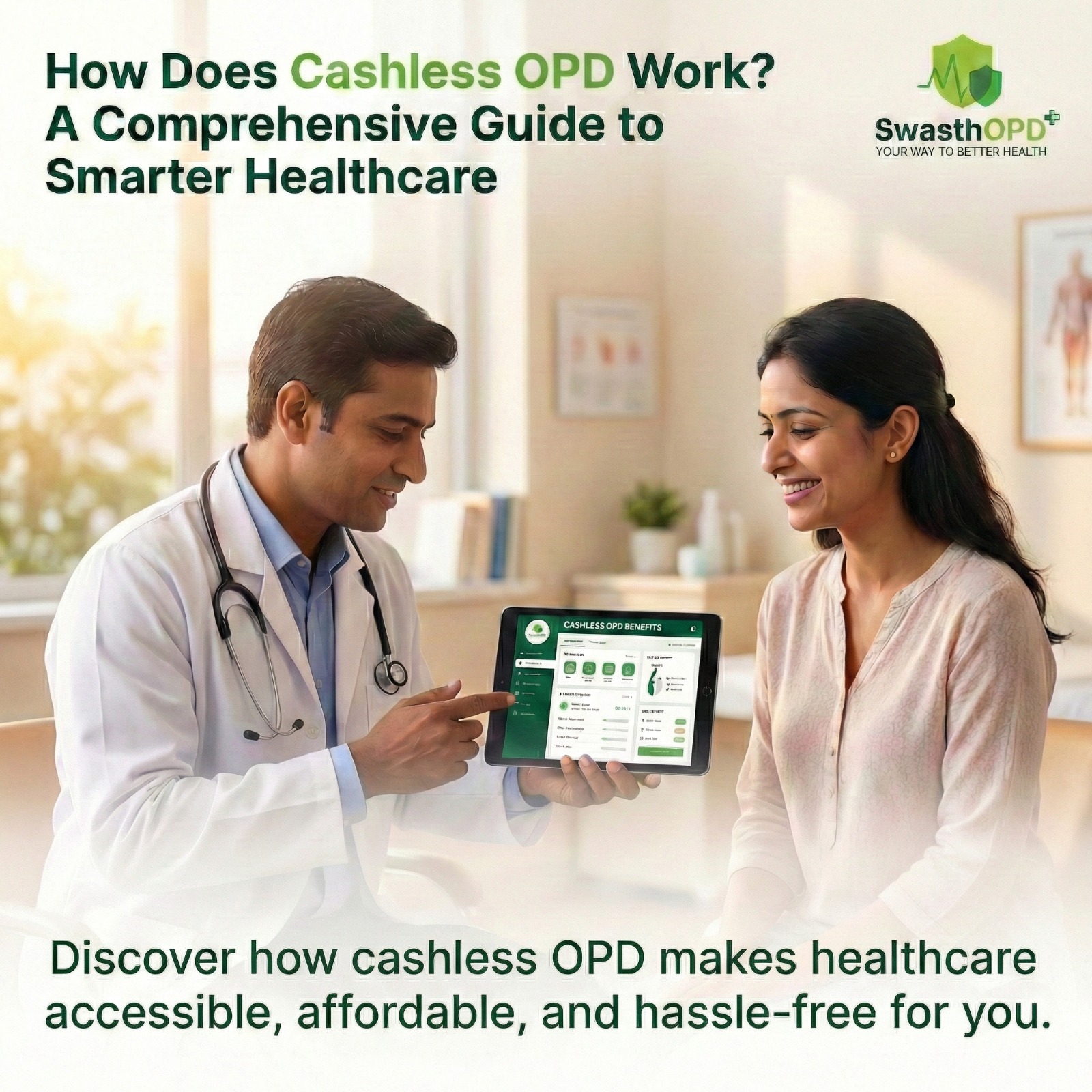
For more detailed information about how we handle these claims, check our SwasthOPD page.
Only OPD Insurance
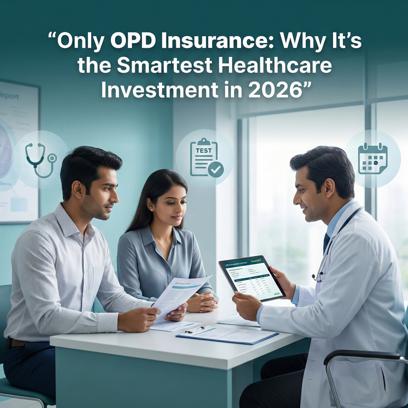
For some individuals, a full comprehensive health plan might feel like overkill, especially if they are young and healthy. This is where Only OPD insurance becomes relevant. Only OPD insurance provides coverage exclusively for outpatient medical expenses.
Unlike traditional health insurance policies that may focus heavily on hospitalization benefits you might rarely use, only OPD insurance focuses on the high-frequency events: doctor visits, lab tests, medications, and consultations. This policy is ideal for individuals who do not require frequent hospital admissions but need regular medical care for chronic minor health issues, seasonal illnesses, or routine monitoring. It is a targeted solution for a specific financial risk.
To explore the specific options available for this targeted coverage, visit our Only OPD insurance plans.
OPD Insurance Policy
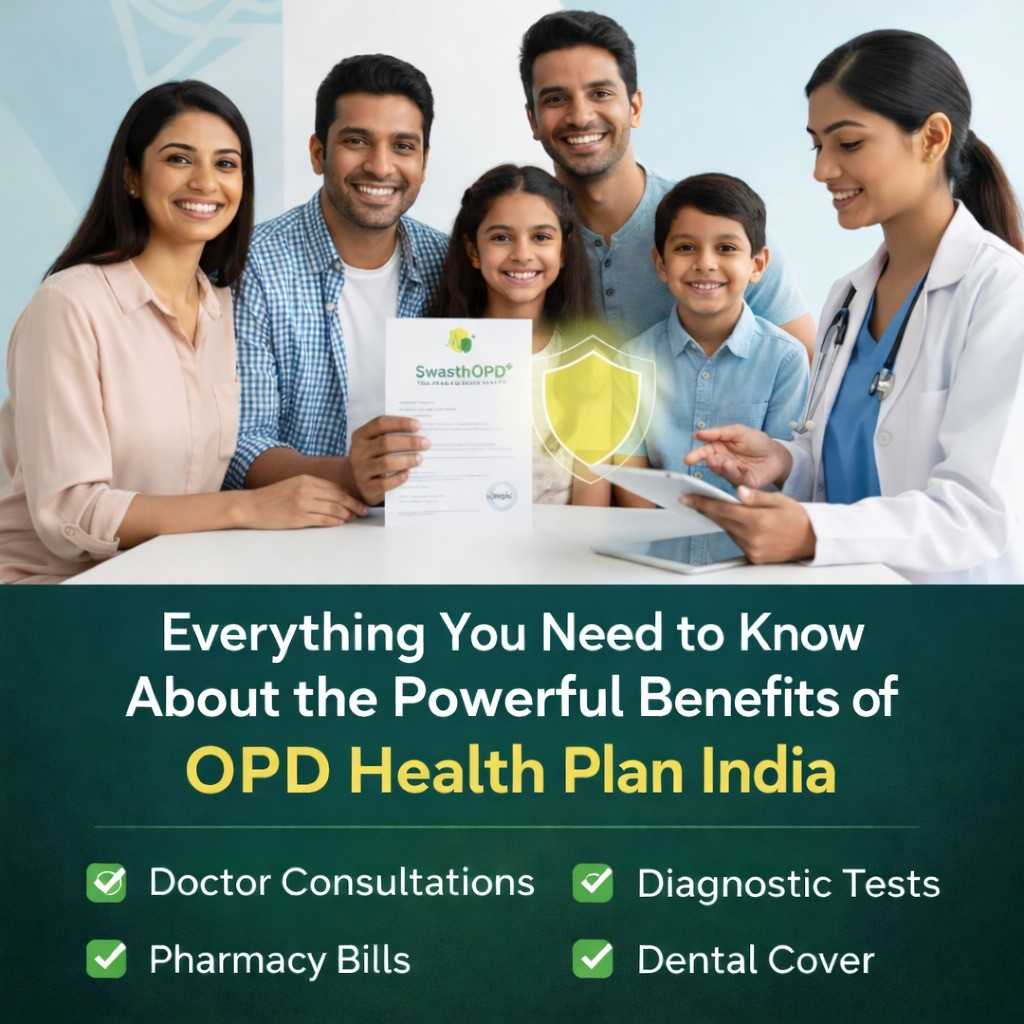
When you purchase an OPD insurance policy, you are buying a specialized health insurance plan that covers expenses related to outpatient treatments. This includes consultations with doctors, laboratory tests, and medicines. It acts as an essential addition to a standard health plan, offering financial protection against frequent, minor health expenses that standard plans ignore.
With an OPD insurance policy, individuals can avoid out-of-pocket expenses for routine healthcare services. This financial buffer ensures that you never skip a necessary diagnostic test or delay a doctor’s visit because funds are tight that month. It smooths out your healthcare spending, turning unpredictable spikes in medical costs into a manageable, flat premium.
To learn more about structuring your coverage effectively, visit our insurance page.
Conclusion
Incorporating day-to-day medical expenses insurance into your healthcare plan is an effective way to manage everyday health costs. It closes the loop on total health protection, ensuring that your finances are safe from both the catastrophic costs of surgery and the cumulative costs of routine care.
With robust OPD coverage, you can ensure that minor health issues are taken care of promptly and affordably. Don’t let small medical bills become a large financial burden. If you’re interested in exploring affordable OPD insurance plans, check out our full healthcare plans and secure your health today. For any questions or personalized support, feel free to contact us.
For detailed information on OPD treatment standards, visit the IRDAI Health Insurance Guidelines for nationally recognized policies and practices.