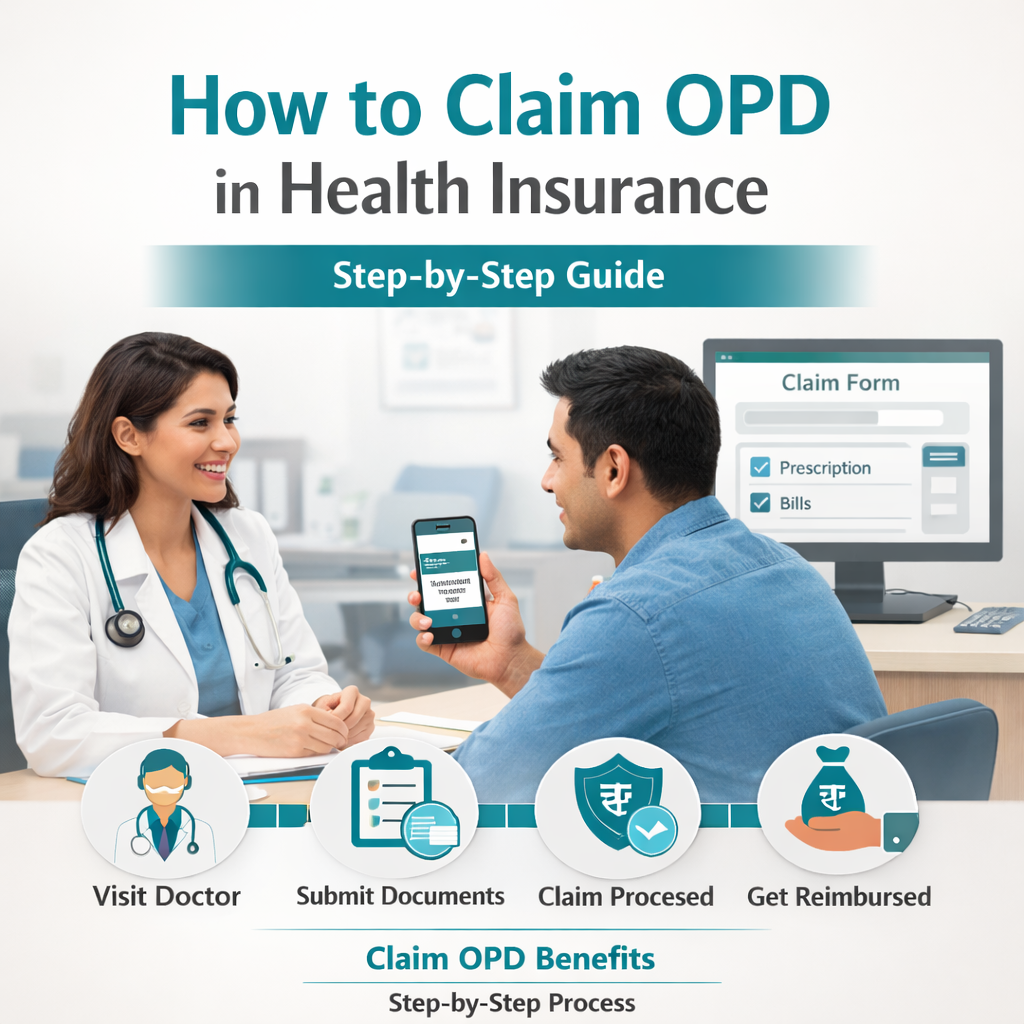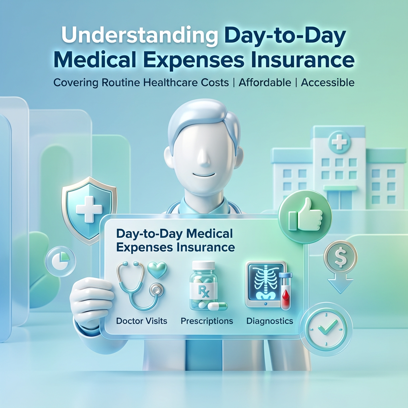
Healthcare decisions can feel overwhelming when you’re unsure about the basics. Understanding the difference between OPD (Outpatient Department) and IPD (Inpatient Department) services is crucial for making informed choices about your medical care and finances.
Whether you need a routine check-up or are facing a serious medical condition, knowing how these two healthcare services work can save you time, money, and stress. This guide explores everything you need to know about OPD and IPD services, their benefits, and why OPD coverage has become essential for modern healthcare management.
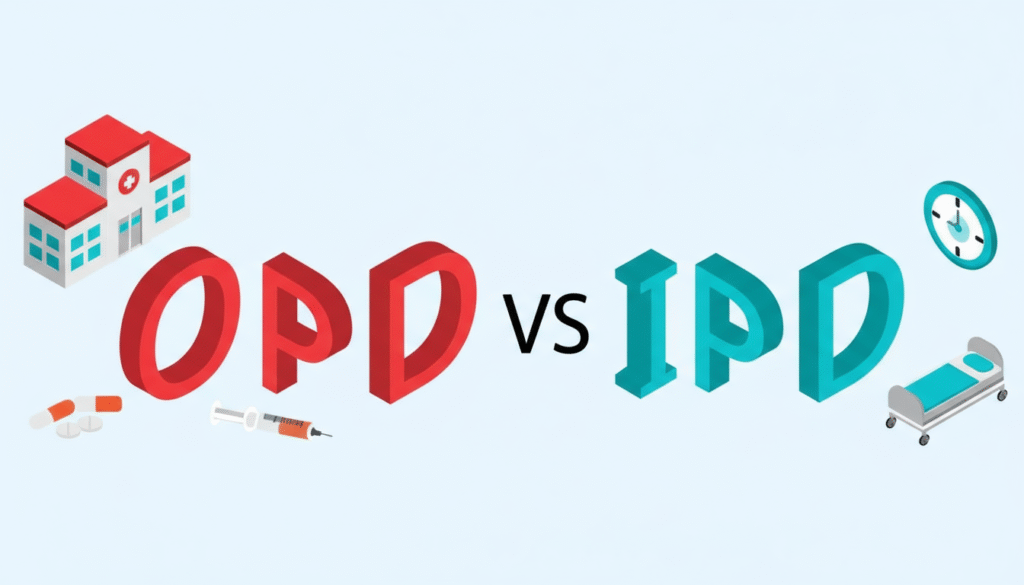
What is OPD (Outpatient Department)
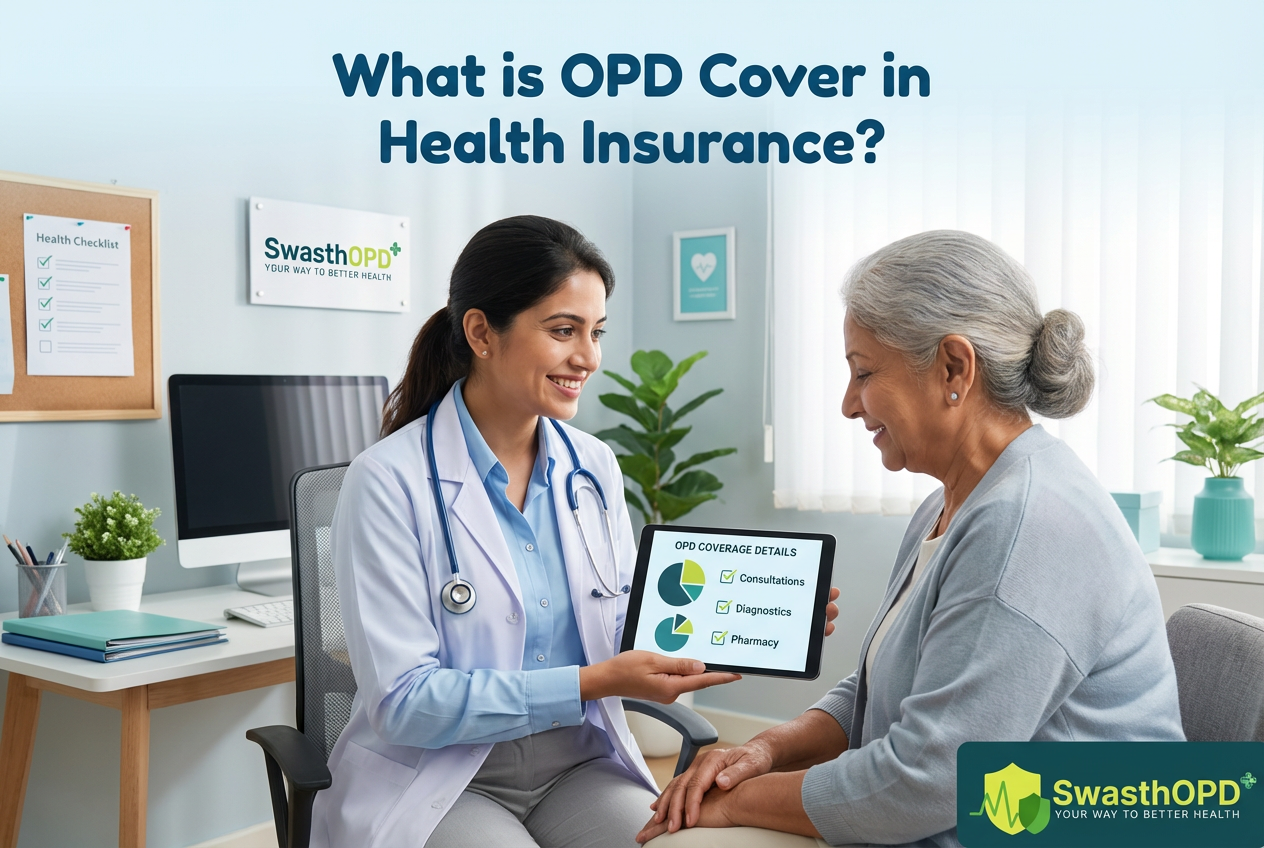
OPD refers to hospital or clinic services where patients receive medical care without being admitted overnight. These services are designed for conditions that can be diagnosed, treated, or managed during a single visit, allowing patients to return home the same day.
Common OPD Services Include:
- General physician consultations and specialist visits
- Diagnostic tests like X-rays, blood work, and ECGs
- Minor procedures and wound care
- Follow-up appointments and health screenings
- Physiotherapy sessions and mental health counseling
- Preventive care and vaccinations
Key Features of OPD Services:
- No admission required: Patients visit, receive treatment, and leave
- Time-efficient: Most appointments last a few hours at most
- Cost-effective: Significantly less expensive than hospital stays
- Preventive focus: Emphasis on early detection and routine care
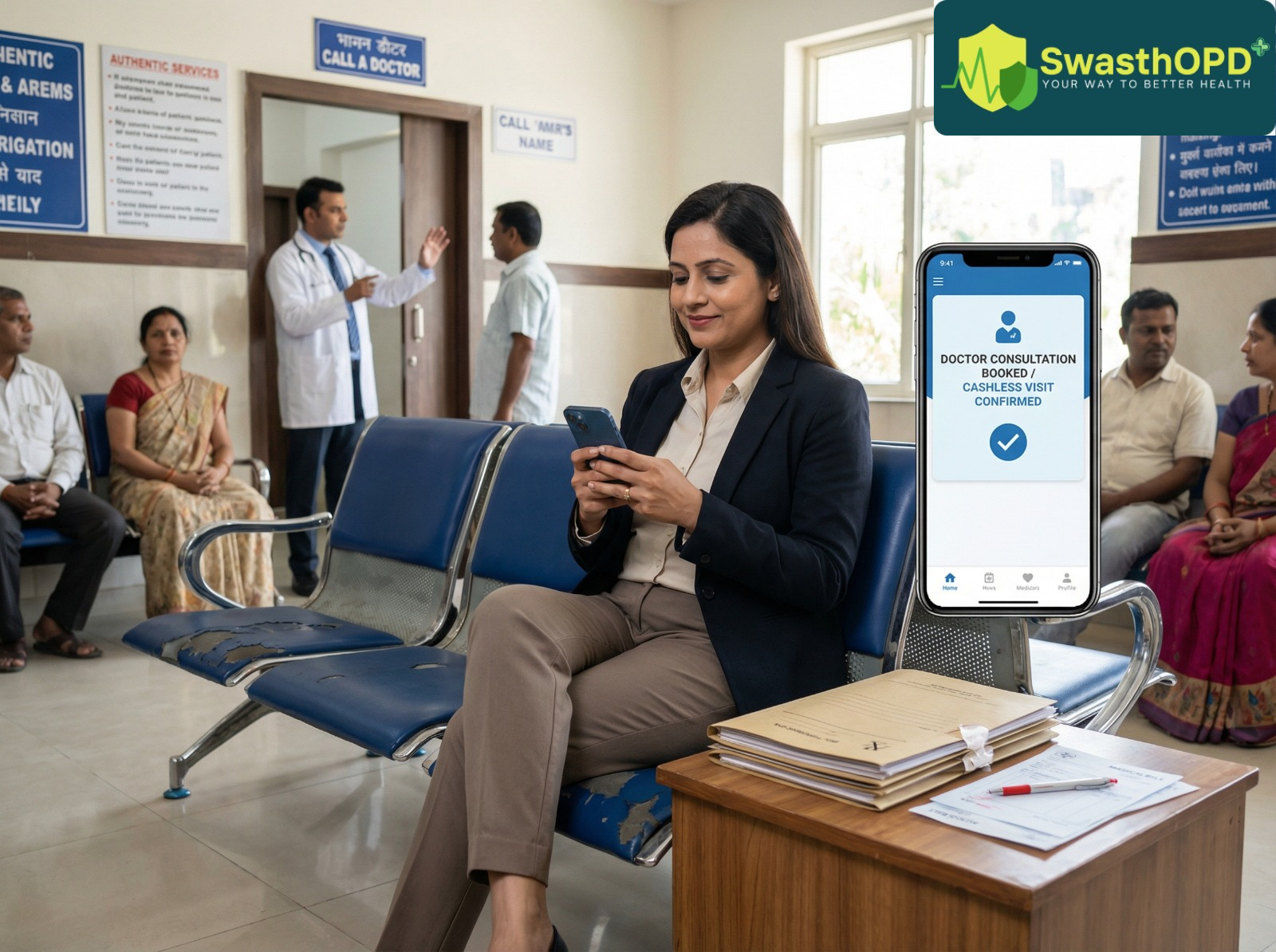
What is OPD health plan coverage has become increasingly important as these services account for 70-80% of all medical expenses. Modern OPD plans provide cashless consultations, discounted diagnostics, and 24/7 tele-doctor access, making healthcare more accessible than ever before.
What is IPD (Inpatient Department)
IPD services involve patients who require hospital admission for extended medical care, typically lasting one or more nights. These services are reserved for serious conditions that need continuous monitoring, complex procedures, or recovery time in a controlled medical environment.
Common IPD Cases Include:
- Major surgeries and post-operative care
- Severe infections requiring IV treatment
- Chronic illness management with complications
- Emergency trauma and accident cases
- Intensive care unit (ICU) admissions
- Childbirth and maternity care
Key Features of IPD Services:
- Hospital admission mandatory: Patients stay overnight or longer
- Comprehensive care: Includes bed charges, nursing, meals, and medicationUnderstanding this comparison helps patients choose appropriate care levels and manage healthcare costs effectively.
- Higher costs: Significantly more expensive due to facilities and continuous care
- Insurance coverage: Most health insurance plans cover IPD expenses
| Aspect | OPD Services | IPD Services |
| Hospital Stay | Not required | Overnight stay mandatory |
| Treatment Duration | Few hours maximum | One or more days |
| Medical Conditions | Minor to moderate issues | Serious or complex conditions |
| Cost Range | Lower expenses | Higher expenses |
| Insurance Coverage | Limited in traditional plans | Comprehensive coverage |
| Examples | Consultations, diagnostics, minor procedures | Surgery, ICU care, emergency treatment |
Understanding this comparison helps patients choose appropriate care levels and manage healthcare costs effectively.
Why OPD Coverage Matters More Than You Think
Most people focus exclusively on hospitalization insurance, but this approach overlooks a critical gap in healthcare planning. Research shows that outpatient expenses constitute the majority of medical spending for most families.
The Hidden Cost of Outpatient Care
Regular doctor visits, diagnostic tests, and medications are frequently overlooked expenses that can significantly impact household budgets. A single specialist consultation can cost ₹1,000-3,000, while diagnostic tests range from ₹500-5,000 depending on complexity.
Benefits of Cashless OPD Coverage
Modern OPD plans eliminate the need for upfront payments and reimbursement hassles. Patients can access medical care immediately without worrying about immediate costs or paperwork delays.
Key advantages include:
- Unlimited tele-consultations with qualified doctors
- Discounted diagnostic services at partner facilities
- Pharmacy benefits for prescribed medications
- Mental health and wellness programs for comprehensive care
- Access to specialist doctors across multiple cities
How SwasthOPD experts guide patients in selecting appropriate coverage is an important consideration. Their specialists help individuals understand which services they use most frequently and recommend plans that provide maximum value for their specific healthcare needs.
How SwasthOPD Bridges the Healthcare Gap
Healthcare accessibility remains a challenge for many families, especially when managing routine medical expenses. SwasthOPD addresses this gap by offering comprehensive outpatient coverage that makes quality healthcare affordable and accessible.
Comprehensive Service Portfolio
The platform provides extensive coverage including:
- Unlimited tele-doctor consultations available 24/7
- In-person general physician visits when physical examination is necessary
- Diagnostic and radiology services at discounted rates
- Pharmacy benefits for prescribed medications
- Specialized services including dental scans and diabetic consultations
Expert Guidance and Support
SwasthOPD experts are available to guide patients through service selection, helping them understand which benefits align with their healthcare needs and budget constraints. This personalized approach ensures that families receive maximum value from their healthcare investments.
Network and Accessibility
With partnerships across 600+ doctors, 220+ hospitals, and coverage for over 28,000 customers nationwide, the platform ensures that quality healthcare is accessible regardless of location. This extensive network is particularly valuable for families who travel frequently or live in areas with limited medical facilities.
Making the Right Healthcare Choice
Selecting between OPD and IPD services isn’t an either-or decision. Smart healthcare planning involves understanding when each service type is appropriate and ensuring adequate coverage for both scenarios.
When to Choose OPD Services:
- Routine health check-ups and screenings
- Minor illnesses like fever, cold, or allergies
- Chronic condition monitoring and management
- Mental health consultations and therapy
- Preventive care and vaccinations
When IPD Services Are Necessary:
- Major surgical procedures
- Serious accidents or trauma cases
- Severe infections requiring hospitalization
- Childbirth and complicated deliveries
- Conditions requiring intensive monitoring
Creating Comprehensive Coverage
The most effective approach combines traditional health insurance for major medical expenses with dedicated OPD coverage for routine healthcare needs. This strategy provides complete protection while maintaining affordability.
Transform Your Healthcare Experience
Understanding the difference between OPD and IPD services empowers you to make informed decisions about your healthcare. While IPD coverage protects against major medical emergencies, OPD benefits ensure that routine healthcare remains accessible and affordable.
The healthcare landscape is evolving, and proactive planning has become essential for financial and physical well-being. By investing in comprehensive coverage that includes both emergency protection and routine care benefits, families can focus on health rather than worrying about medical expenses.
Ready to explore affordable healthcare solutions? Discover SwasthOPD’s comprehensive plans and take the first step toward smarter, stress-free healthcare management.