
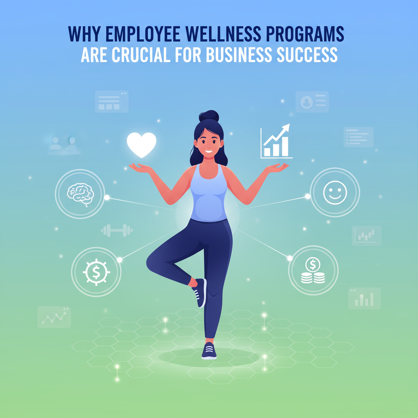
The modern workplace has evolved dramatically over the past decade. Remote work, flexible schedules, and hybrid models have redefined how we think about employment. Yet amid all these changes, one fundamental truth remains: healthy employees drive successful businesses. Employee wellness programs have emerged as a strategic imperative that smart companies can no longer afford to ignore.
This comprehensive guide will explore why investing in employee wellness programs is essential for long-term business success, examining the tangible benefits these initiatives deliver and providing actionable insights for implementation. Whether you’re a startup founder or an established enterprise leader, understanding the connection between employee wellness and business performance will help you build a more resilient, productive organization.
The Direct Link Between Wellness and Productivity
Employee wellness programs create a ripple effect throughout your organization, starting with enhanced productivity. When employees feel physically and mentally healthy, they bring their best selves to work every day.
Physical Health Drives Performance
Physical wellness initiatives yield measurable results. Companies implementing fitness challenges, ergonomic workstation assessments, and on-site health screenings consistently report improved employee energy levels and sustained focus throughout the workday. For instance, Johnson & Johnson’s comprehensive wellness program has delivered an impressive return on investment of $2.71 for every dollar spent, largely due to increased productivity and reduced absenteeism.
Ergonomic improvements alone can boost productivity significantly. When employees work in comfort without physical strain, they maintain concentration for longer periods and experience fewer work-related injuries. Simple adjustments like proper desk height, supportive chairs, and computer screen positioning can prevent repetitive strain injuries that otherwise lead to decreased performance and costly workers’ compensation claims.
Mental Health Fuels Innovation and Engagement
Mental wellness components address the psychological aspects of workplace performance. Stress management workshops, mindfulness sessions, and access to counseling services help employees navigate workplace pressures more effectively. Research from the American Psychological Association shows that employees in companies with strong mental health support are 21% more profitable than those without such programs.
When stress levels decrease, creativity and problem-solving abilities increase. Employees who participate in mental wellness programs report feeling more innovative and willing to take calculated risks that benefit their organizations. This psychological safety translates directly into better business outcomes, from improved customer service to breakthrough product innovations.
Substantial Healthcare Cost Reductions
The financial benefits of employee wellness programs extend far beyond productivity gains. By focusing on preventive care rather than reactive treatment, companies can achieve significant healthcare cost reductions that directly impact their bottom line.
Prevention Over Treatment
Preventive wellness measures cost substantially less than treating chronic diseases. Regular health screenings can identify potential issues like high blood pressure, diabetes, or heart disease before they require expensive medical interventions. Companies offering comprehensive wellness programs typically see healthcare cost reductions of 20-30% within the first few years of implementation.
Consider the example of Aetna, which implemented a comprehensive wellness program including yoga and meditation classes. The company reported a 7% reduction in healthcare costs and an 11-minute increase in productivity per employee per week. These numbers translate to millions in savings for large organizations.
Reduced Insurance Premiums and Claims
Insurance providers increasingly offer premium discounts to companies with established wellness programs. These programs demonstrate a commitment to risk reduction, making the workforce less likely to file expensive claims. Additionally, preventive care reduces emergency room visits and hospitalizations, which are among the costliest healthcare expenses.
Workers’ compensation claims also decrease when employees maintain better physical fitness and receive proper ergonomic training. Back injuries, repetitive strain injuries, and other workplace-related health issues become less frequent, saving companies both direct costs and lost productivity time.
Enhanced Employee Retention and Recruitment
The war for talent has intensified across industries, making employee retention and attraction critical business challenges. Wellness programs serve as powerful tools for both recruiting top candidates and keeping valuable team members engaged long-term.
Competitive Advantage in Recruitment
Job seekers increasingly evaluate potential employers based on their commitment to employee wellbeing. A comprehensive benefits package that includes wellness programs signals that a company values its workforce beyond just their output. This perception attracts higher-quality candidates who are likely to be more engaged and productive employees.
Millennials and Gen Z workers particularly prioritize workplace wellness, with studies showing that 83% of millennials consider wellness programs when evaluating job opportunities. Companies that fail to offer these benefits may find themselves at a disadvantage when competing for the best talent in their industries.
Improved Retention Through Employee Satisfaction
When employees feel their employer genuinely cares about their health and happiness, loyalty naturally follows. Wellness programs create an emotional connection between workers and their organizations that goes beyond salary and traditional benefits.
The cost of employee turnover extends far beyond recruitment expenses. Training new employees, lost productivity during transition periods, and the knowledge drain when experienced workers leave can cost companies 50-200% of an employee’s annual salary. Effective wellness programs significantly reduce turnover rates, protecting this substantial investment in human capital.
Building a Culture of Success
Wellness programs contribute to organizational culture in ways that extend throughout every aspect of business operations. They foster collaboration, improve communication, and create shared experiences that strengthen team bonds.
Team Building Through Wellness
Group fitness challenges, walking meetings, and wellness seminars create opportunities for employees to interact outside their normal work contexts. These shared experiences build stronger relationships and improve collaboration on work projects. Teams that exercise together or participate in wellness activities often report better communication and increased trust.
Leadership Development and Employee Empowerment
Many wellness programs include leadership development components, such as stress management training for managers or workshops on creating healthy team dynamics. These skills improve overall management effectiveness and create more positive work environments.
When employees take ownership of their health through company-sponsored programs, they often apply the same personal responsibility and goal-setting skills to their work responsibilities. This empowerment mindset contributes to improved job performance and greater innovation.
Measuring Return on Investment
The most successful wellness programs include robust measurement systems that track both health outcomes and business metrics. Companies should monitor absenteeism rates, healthcare costs, employee satisfaction scores, and productivity measures to quantify program effectiveness.
Regular assessment allows for program refinement and demonstrates value to stakeholders who may question wellness spending. The data consistently shows that well-designed programs more than pay for themselves through reduced costs and improved performance.
Taking the Next Step
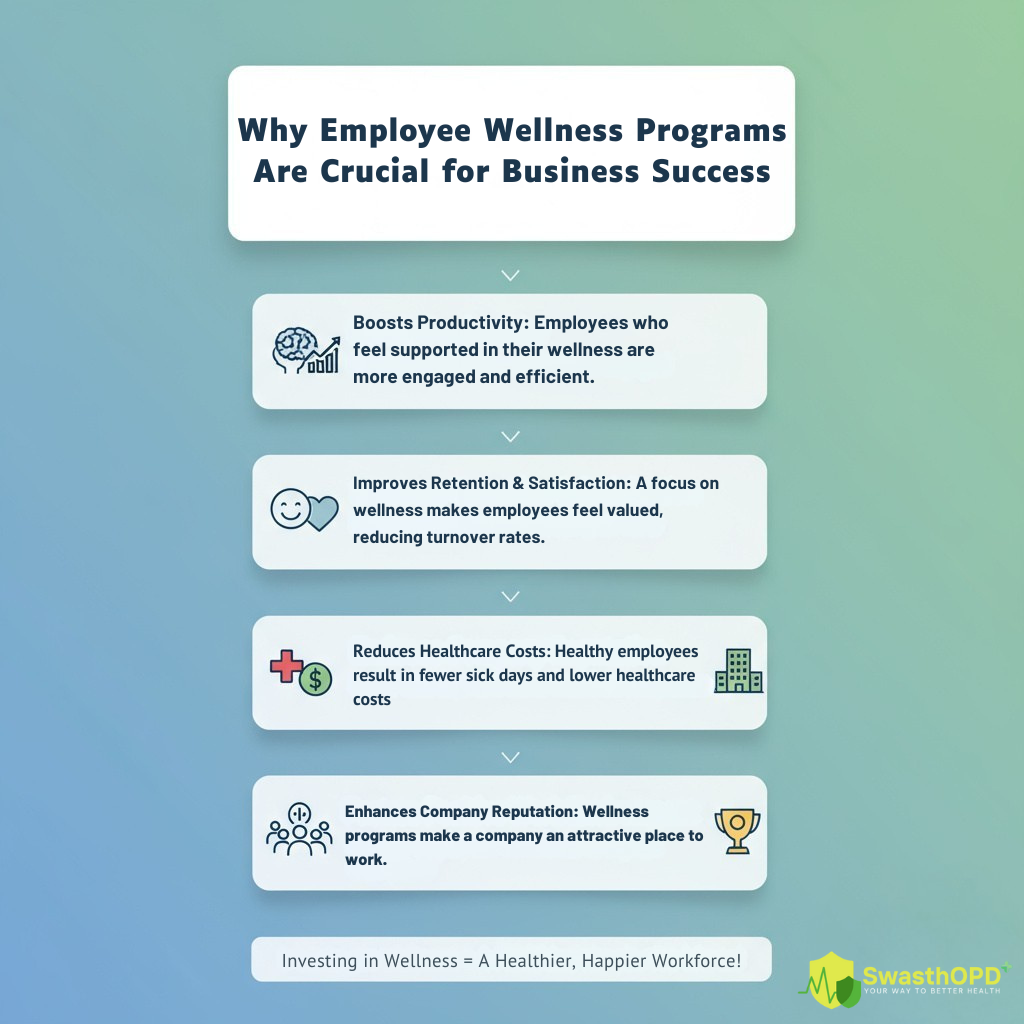
The evidence is clear: employee wellness programs are not optional extras but essential investments in business success. They improve productivity, reduce costs, enhance retention, and build stronger organizational cultures that drive long-term growth.
If your organization hasn’t yet implemented a comprehensive wellness program, now is the time to start. Begin by assessing your current employee needs through surveys and focus groups, then design a program that addresses the specific challenges your workforce faces. Even small initiatives can yield significant results when employees see genuine commitment to their wellbeing.
The companies that thrive in tomorrow’s competitive landscape will be those that recognize their employees’ health as their greatest asset. Make the investment today, and watch as improved wellness transforms every aspect of your business performance.