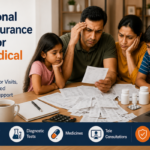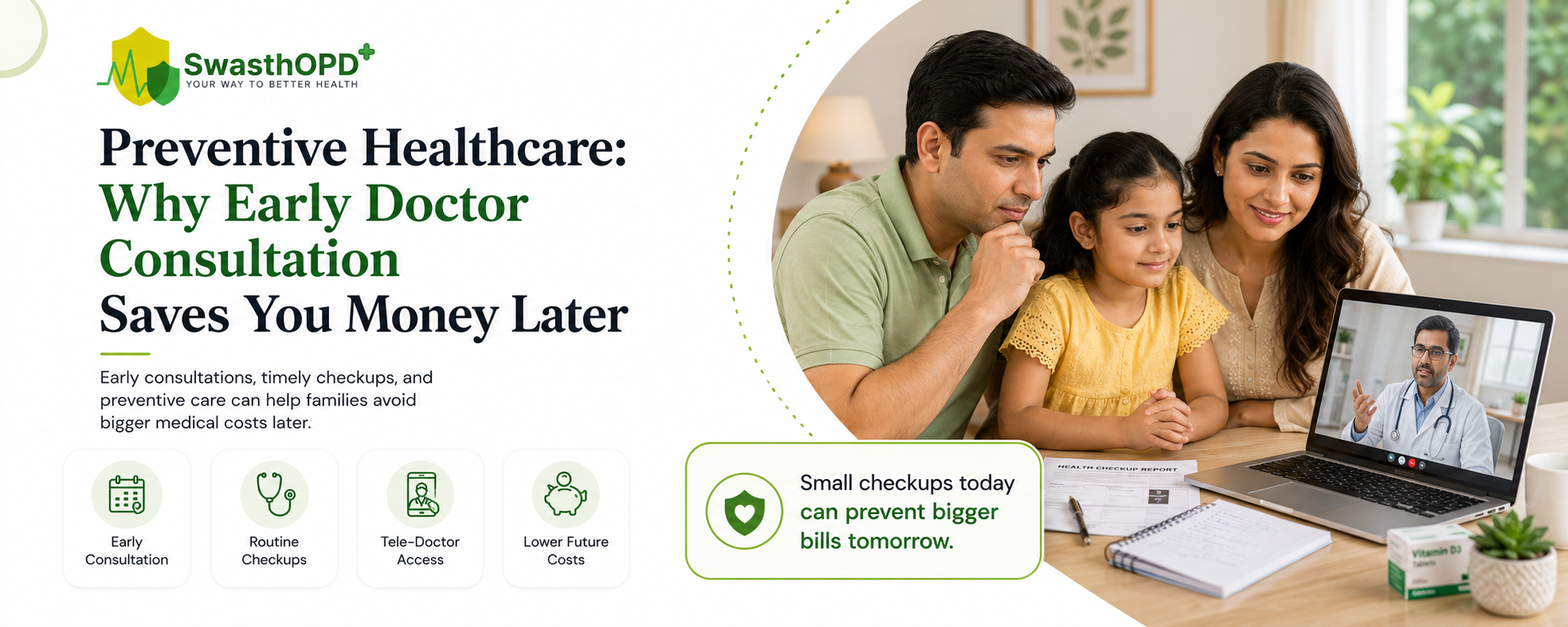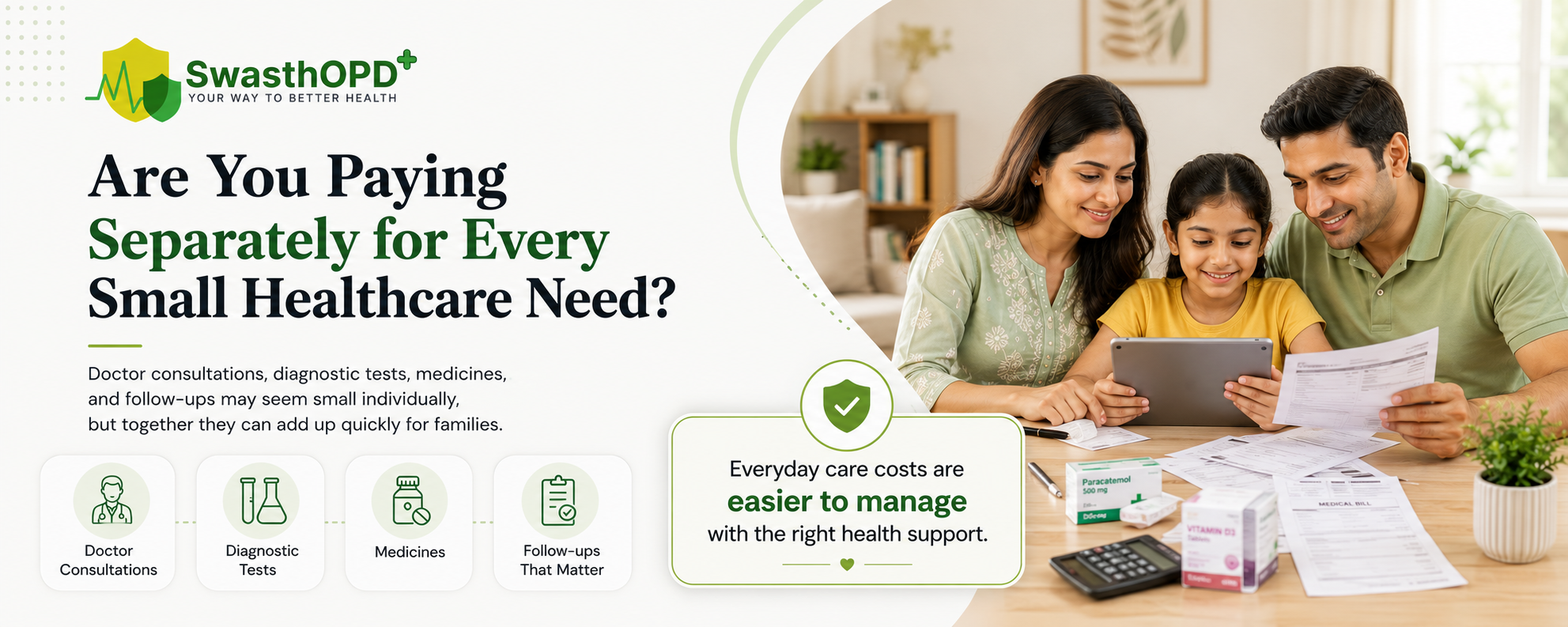
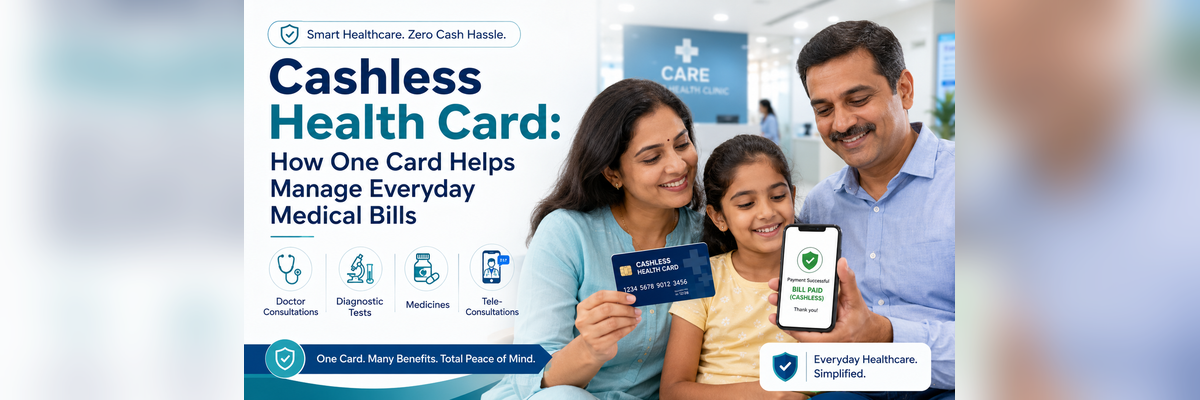
Medical bills have a way of showing up when you least expect them. A sudden fever, a child’s ear infection, a parent’s routine blood test — none of these feel like emergencies, but the bills still add up fast. This is exactly where a cashless health card changes the equation for Indian families.
Instead of paying out of pocket and chasing reimbursements later, a cashless health card lets you walk into a clinic, lab, or pharmacy and settle the bill on the spot without touching your own cash. No waiting, no paperwork pile-up, no awkward moment at the counter wondering if you have enough in your wallet that day.
Why Everyday Medical Expenses Add Up Quietly
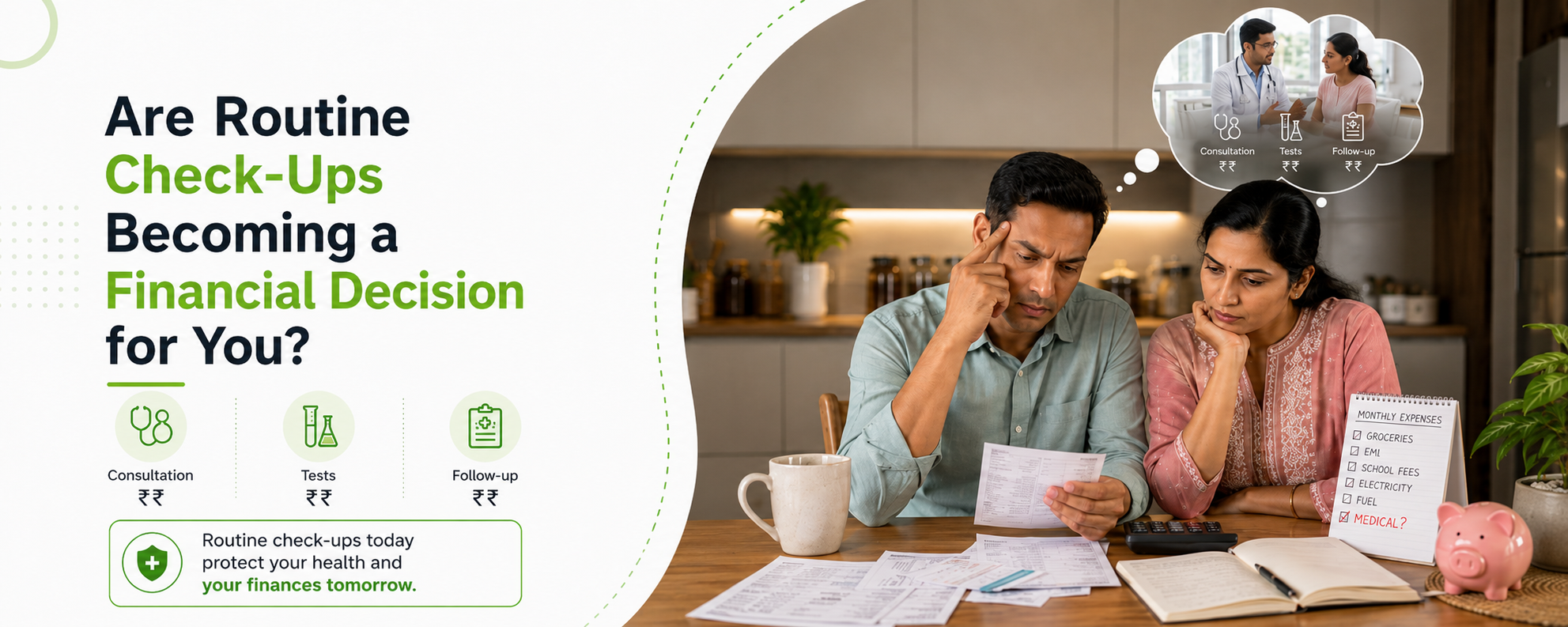
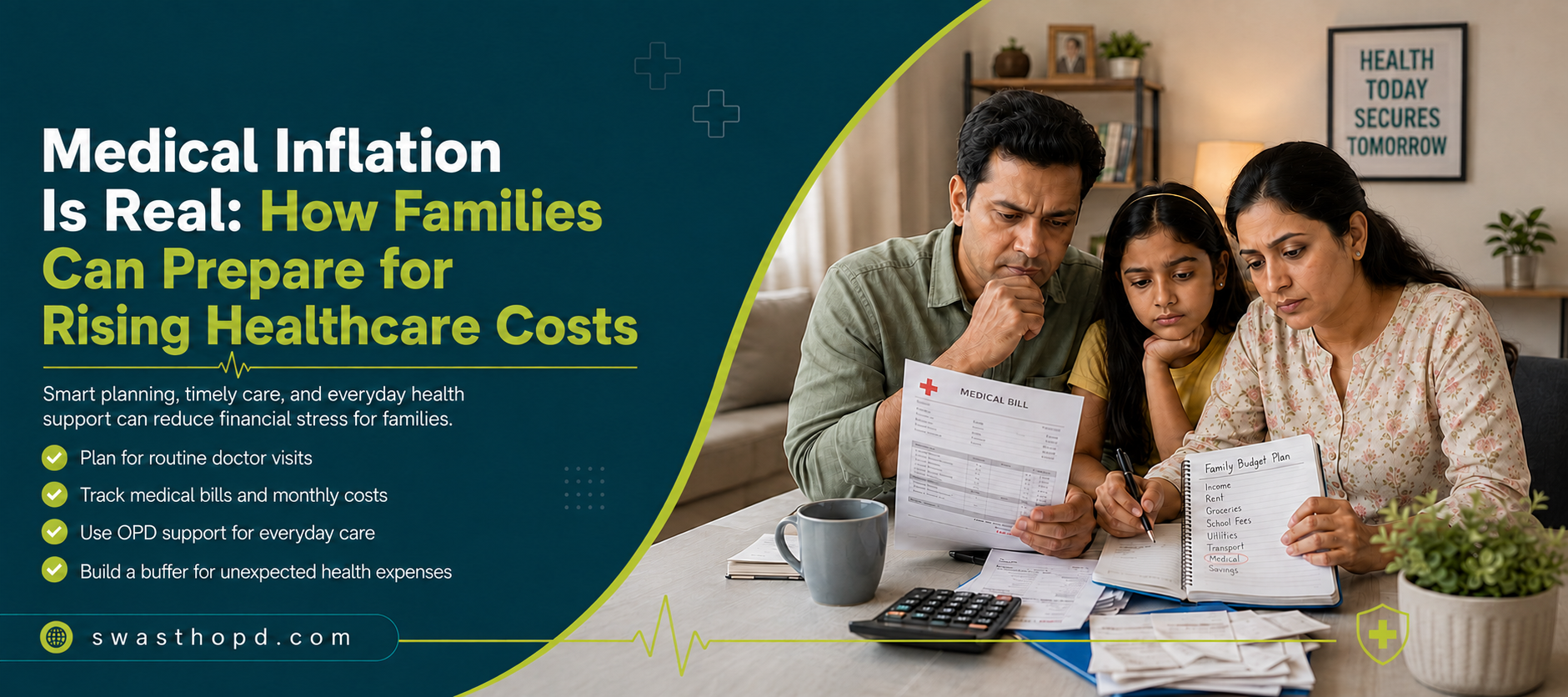
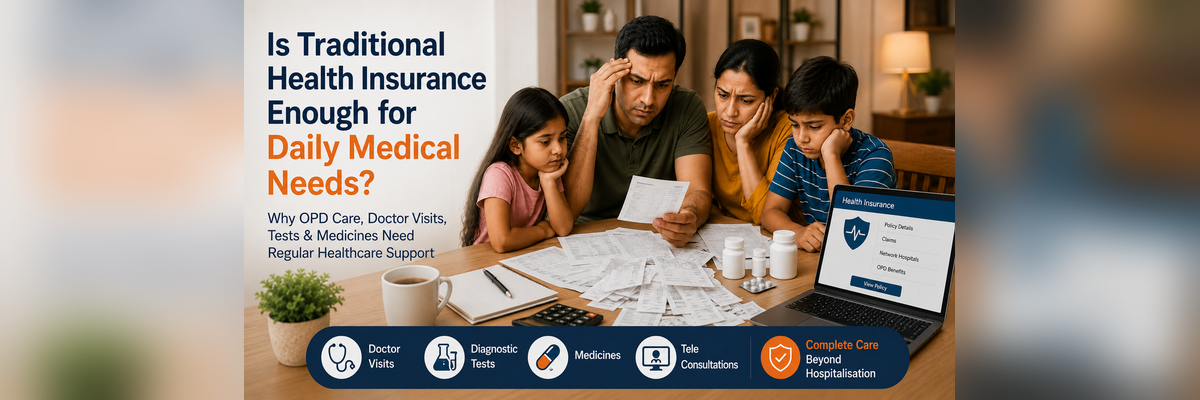
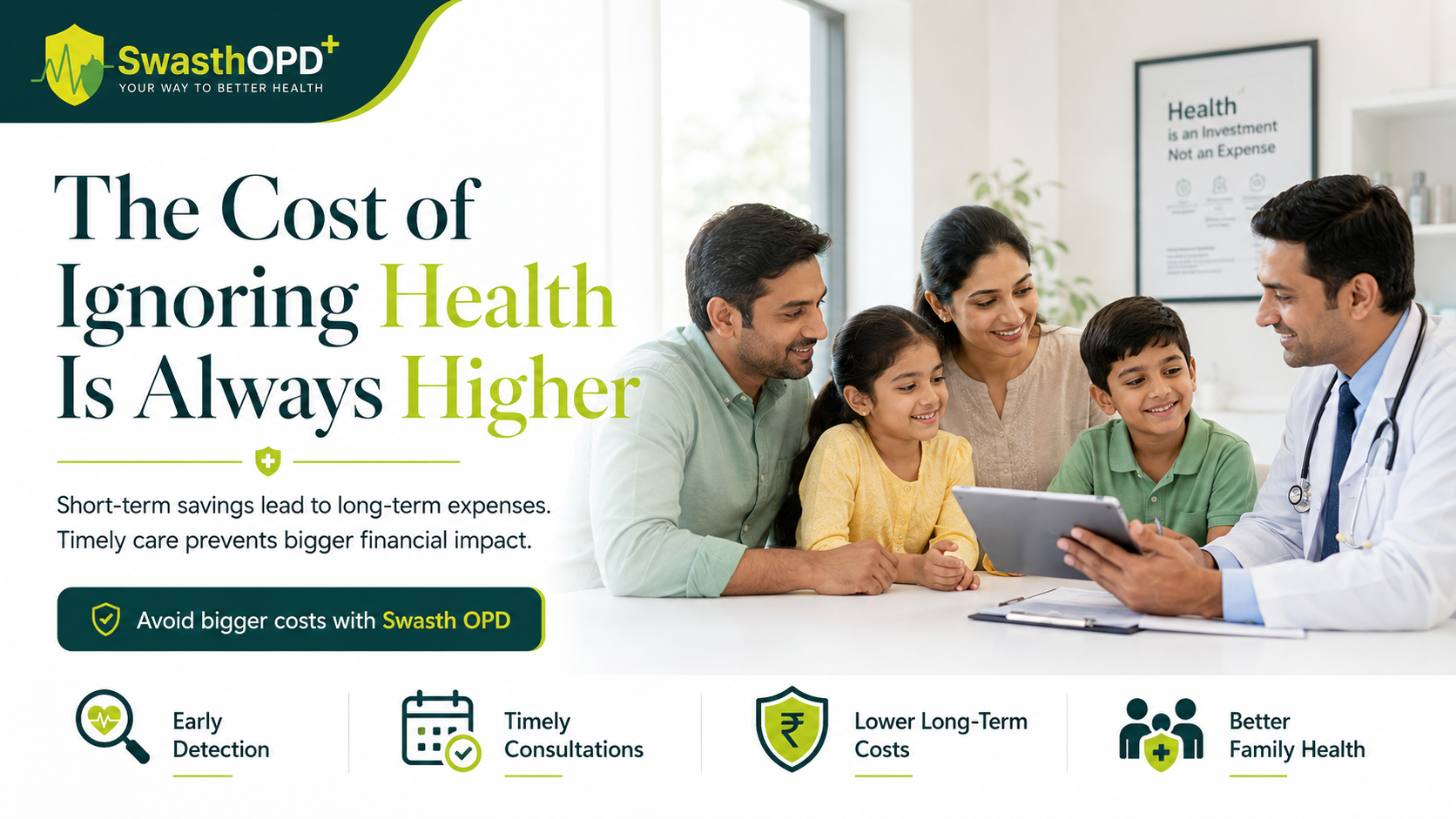
Most families don’t go bankrupt from one big hospital stay. They feel the pinch from small, recurring costs — a doctor consultation here, a diagnostic test there, a strip of medicines every month for someone at home. Over a year, these numbers quietly stack into a sizeable chunk of the household budget.
A few common culprits:
- Routine doctor visits for kids, especially during monsoon and winter
- Diagnostic tests like blood sugar, thyroid, or vitamin panels
- Dental check-ups and minor procedures
- Regular medicines for lifestyle conditions like BP or diabetes
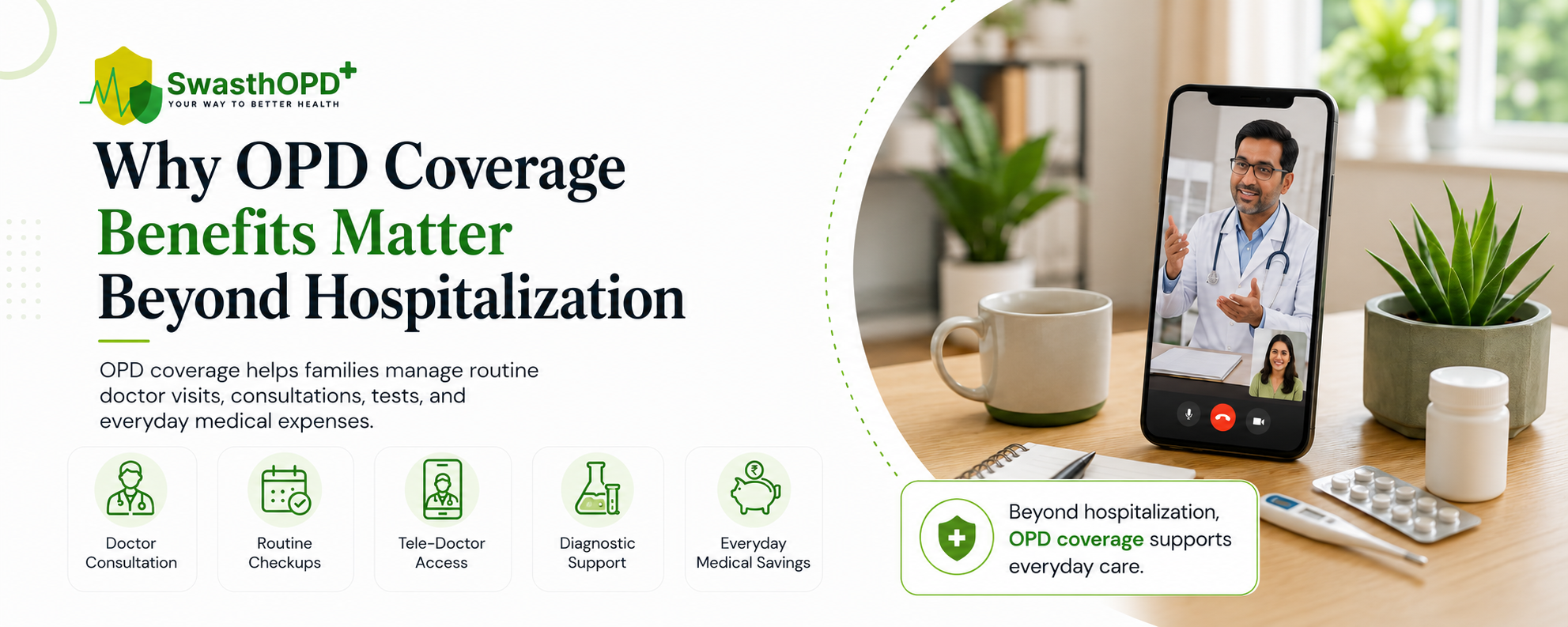
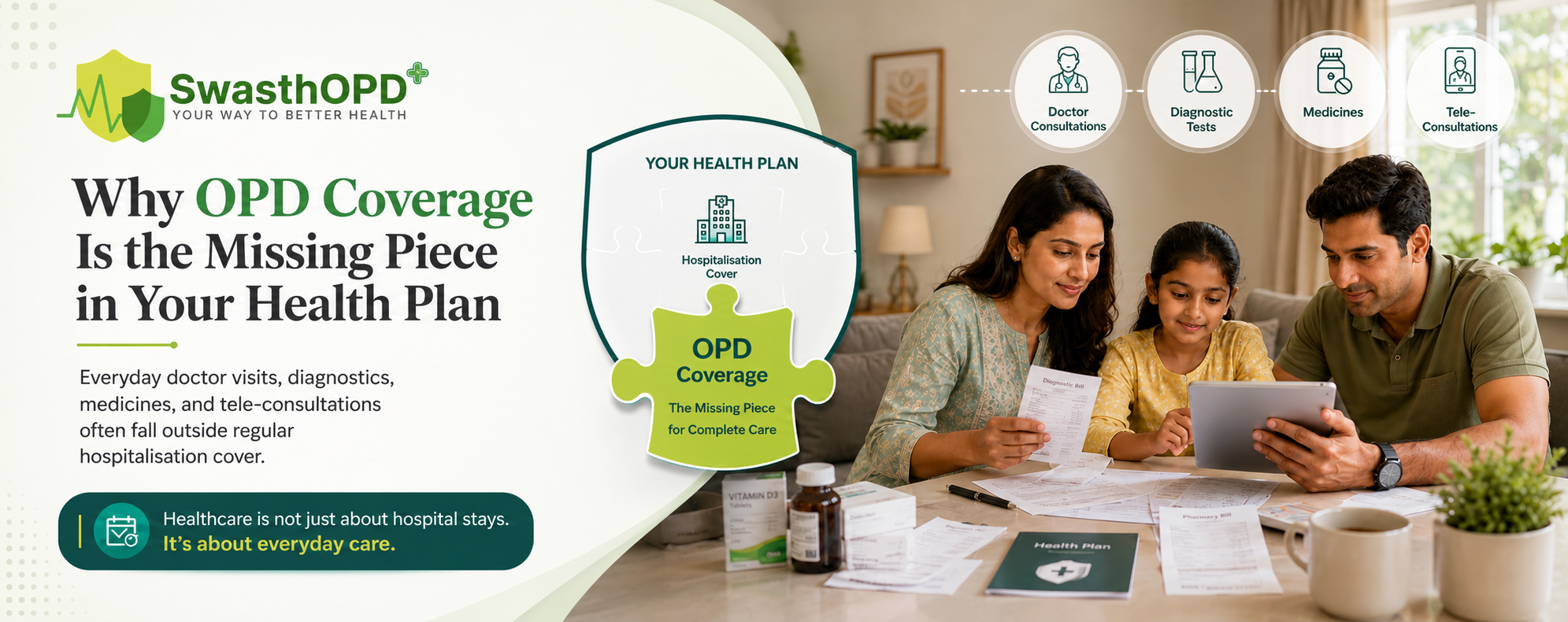
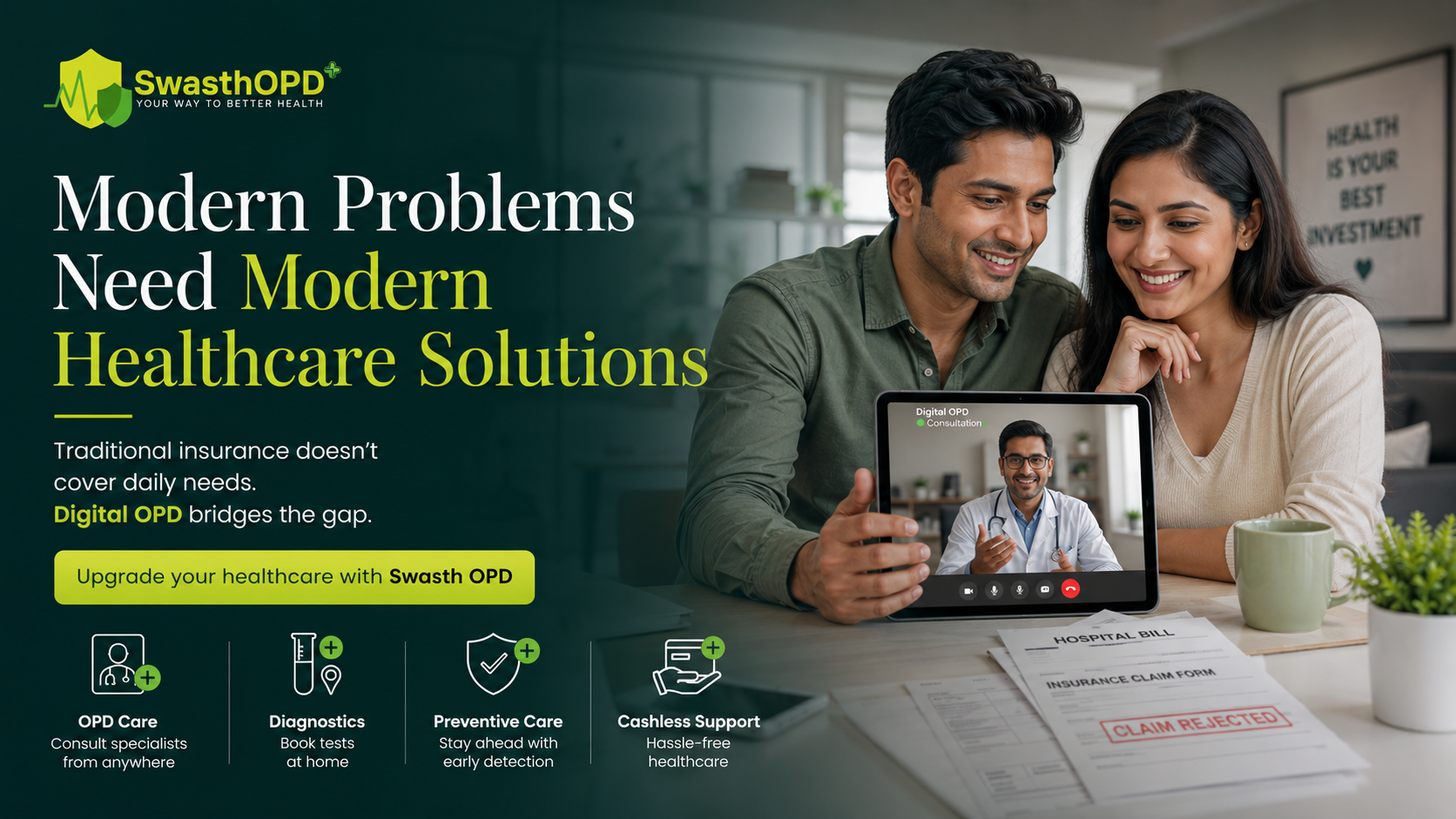
Traditional health insurance usually covers hospitalisation, but it often skips these day-to-day costs entirely. That gap is where OPD-focused plans, including a cashless health card, actually earn their keep. If you’re still weighing how OPD coverage fits into your existing insurance, this piece on cashless OPD benefits in India is worth a read.
How a Cashless Health Card Actually Works
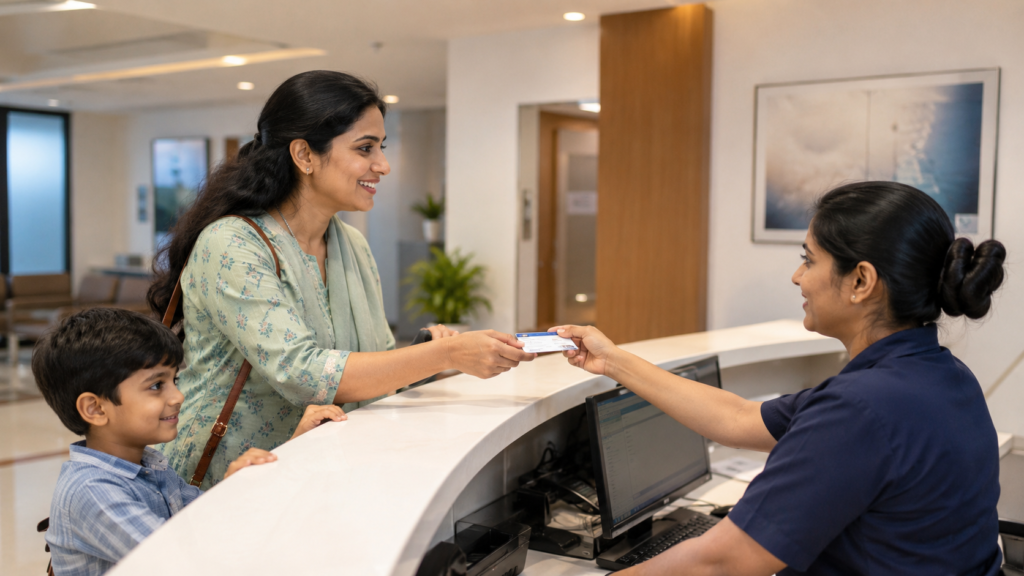
The process is simpler than most people expect. You get enrolled with a card (physical or digital) linked to a network of hospitals, clinics, diagnostic centres, and pharmacies. When you need care, you show the card, get treated, and the network partner bills the provider directly — not you.
That means:
- No large upfront payment at the counter
- No submitting bills and waiting weeks for a refund
- No tracking dozens of receipts in a folder
- Faster access, since providers already trust the network
This is a big shift from the old reimbursement model, where families often avoided small check-ups simply because the paperwork felt like more effort than the visit itself. If you’ve dealt with rejected claims before, it helps to understand common reasons OPD claims get rejected so you know what to avoid with any plan you choose.
Who Benefits Most From This Kind of Coverage
Cashless coverage isn’t just for people with existing health conditions. It genuinely helps:
- Young families juggling paediatric visits, vaccinations, and school health checks
- Working professionals who can’t afford to lose a day chasing reimbursement forms
- Senior citizens at home, who need frequent check-ups and medicine refills
- Anyone on a monthly budget, where predictable healthcare costs matter more than one big annual premium
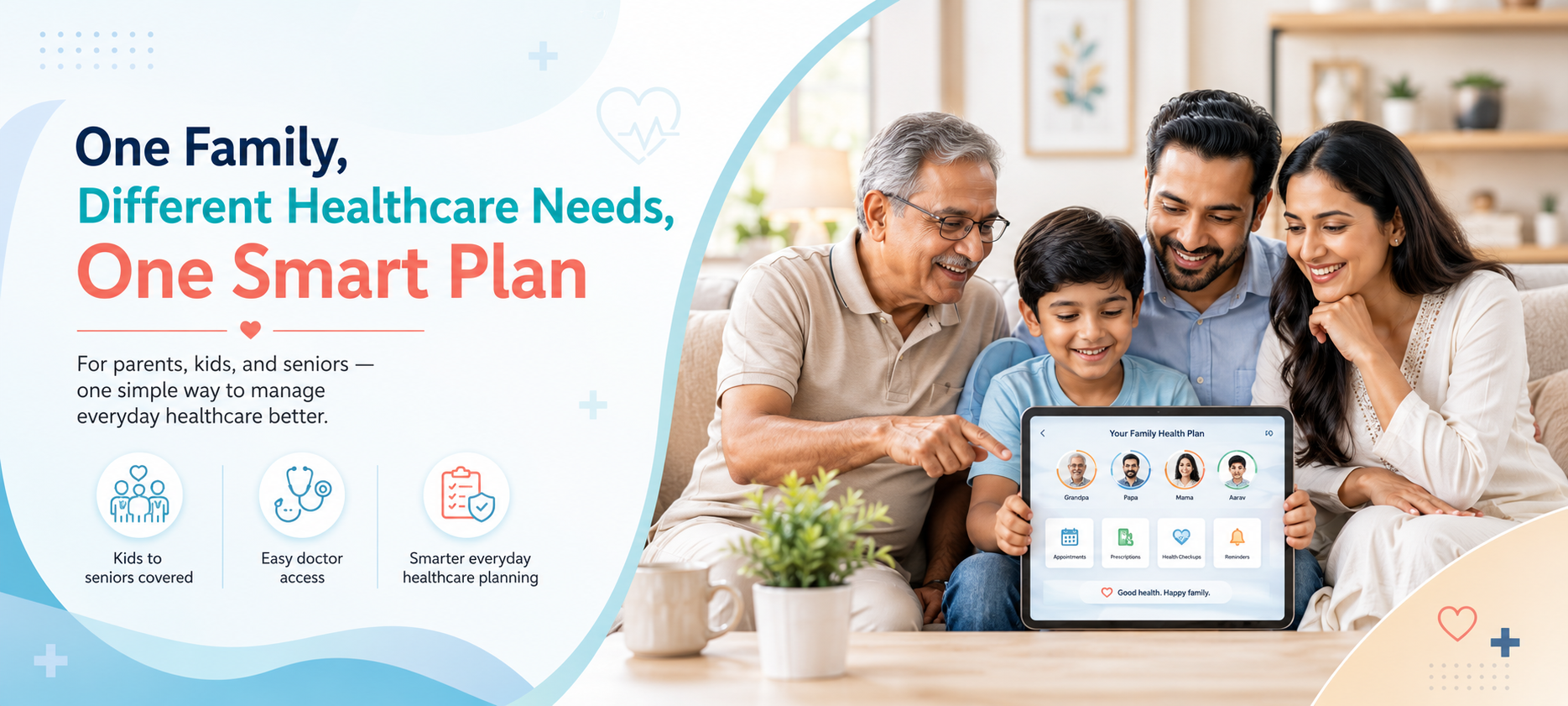
For households managing care across generations — kids and elderly parents under one roof — this kind of planning becomes even more important. There’s a useful breakdown on family health planning that pairs well with this topic.
Cashless Card vs Regular Health Insurance: The Real Difference
Regular health insurance is built around hospitalisation — the big, unpredictable events. A cashless health card, especially one focused on OPD, is built around the small, predictable, recurring stuff: consultations, tests, medicines, minor procedures.
Think of it less as a backup plan and more as a everyday-use tool. You’re not hoping you never need it — you’re using it regularly, the way you’d use a debit card, except it’s specifically for healthcare spends. This shift in mindset is part of a broader move toward better healthcare cost management for Indian households, rather than only planning for worst-case scenarios.
Making Everyday Healthcare Less Stressful
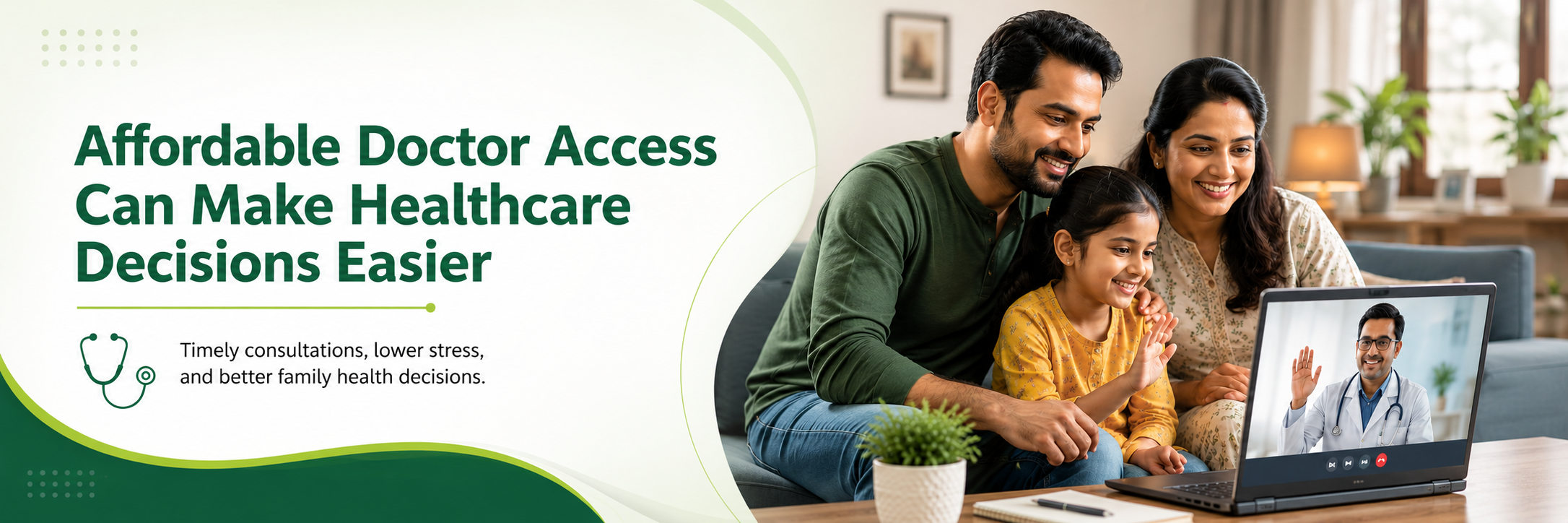
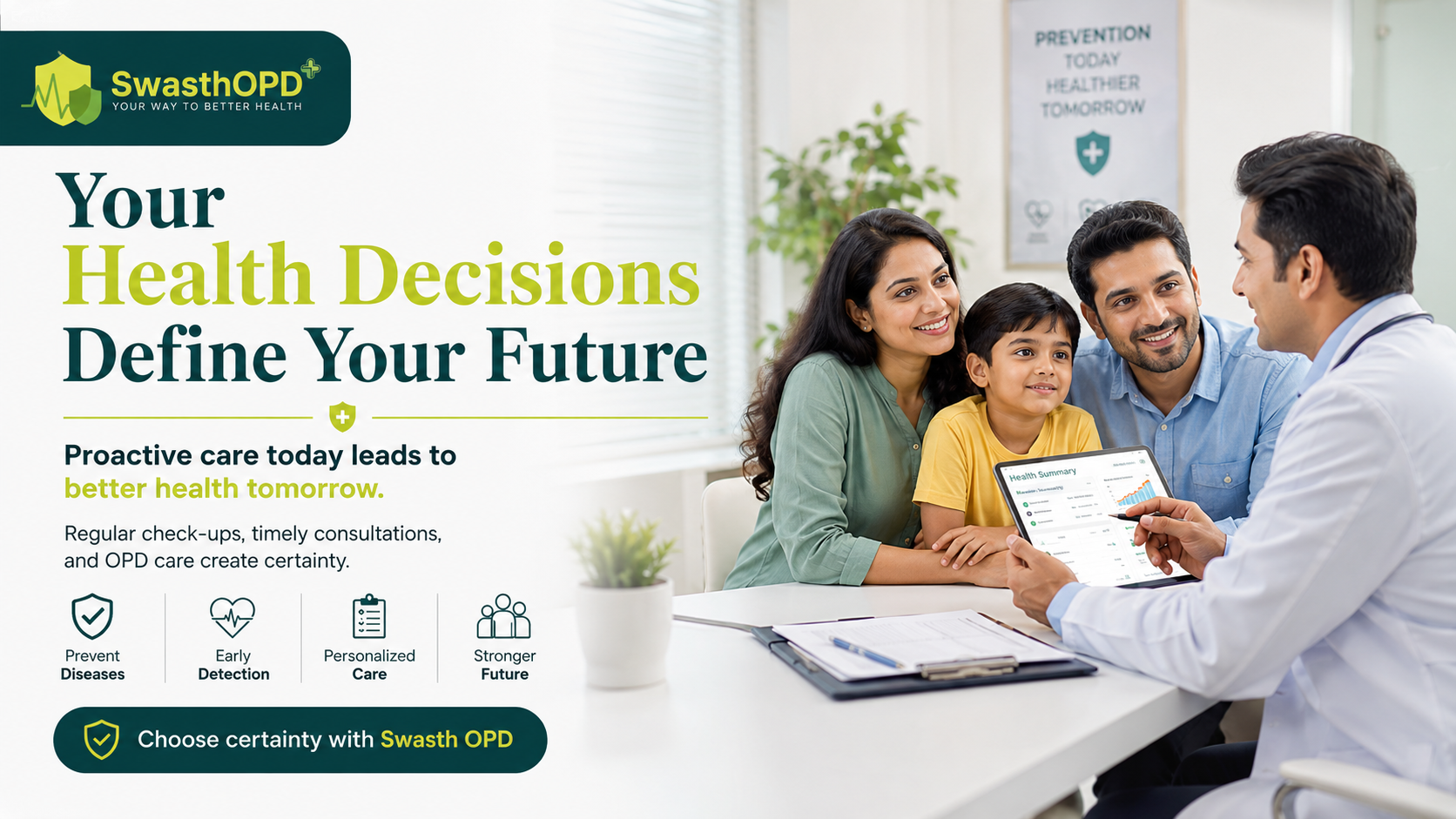
The real value of a cashless health card isn’t just financial — it’s the mental relief of not calculating “can I afford this visit right now” every single time someone at home isn’t feeling well. Preventive habits, like a full body checkup or timely diagnostics, also become easier to follow through on when cost isn’t a fresh decision each time.
How SwasthOPD Can Help
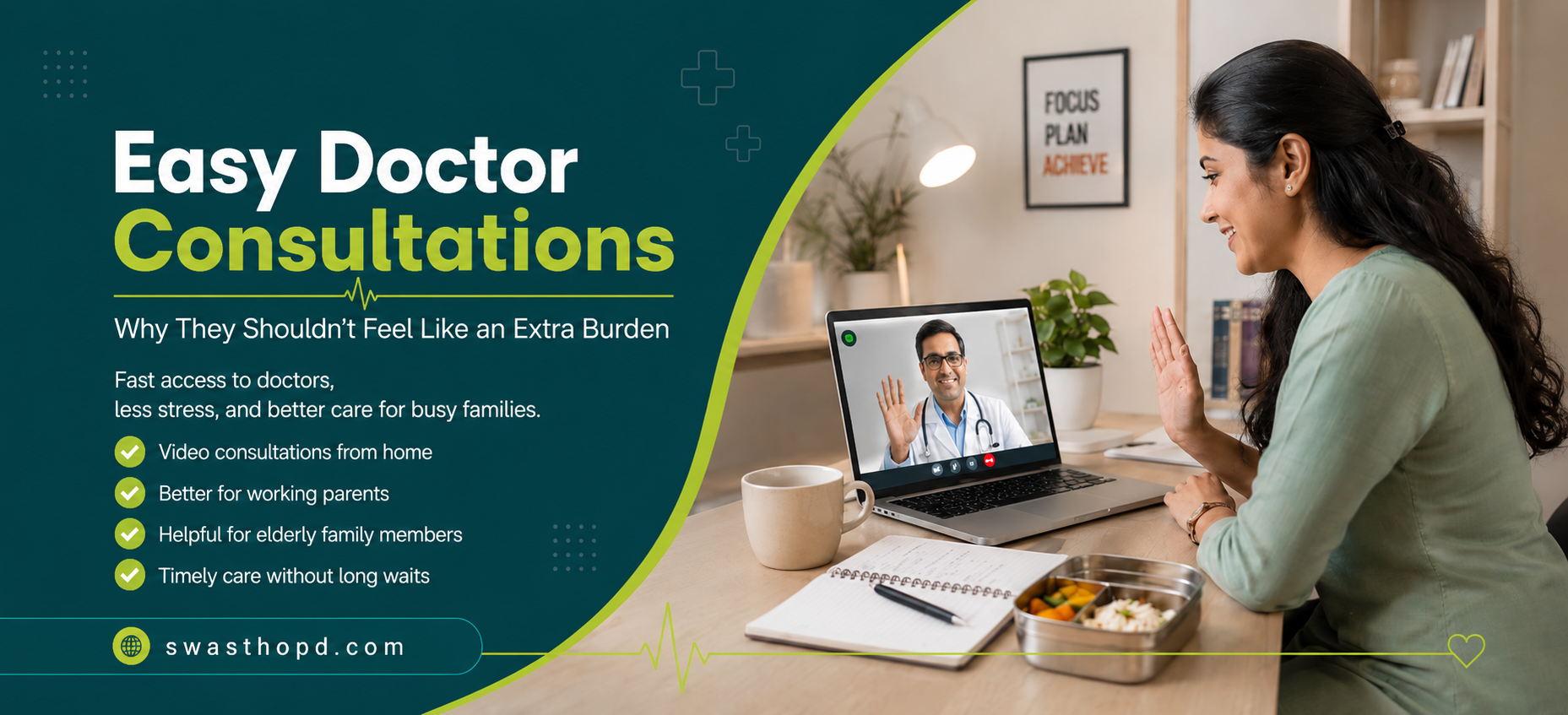
This is precisely the gap SwasthOPD’s health plans are designed to close. With a cashless health card from SwasthOPD, everyday medical bills — doctor consultations, diagnostics, tele-consultations, and pharmacy needs — get handled without the usual cash-and-claim cycle. You get a wide provider network, quick access, and one simple card instead of a stack of receipts.
If you’re looking to bring this kind of predictability to your family’s healthcare routine, it’s worth taking a closer look at SwasthOPD’s health plans and seeing which one fits your household best.