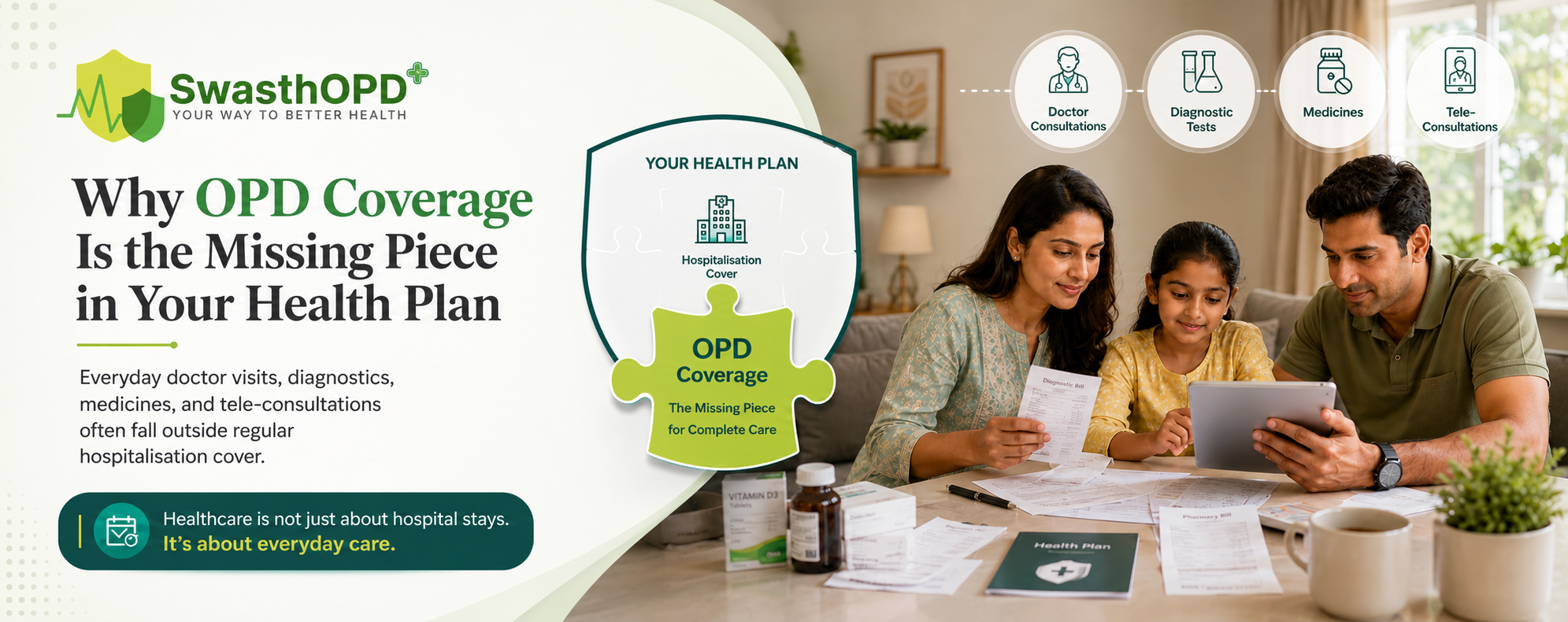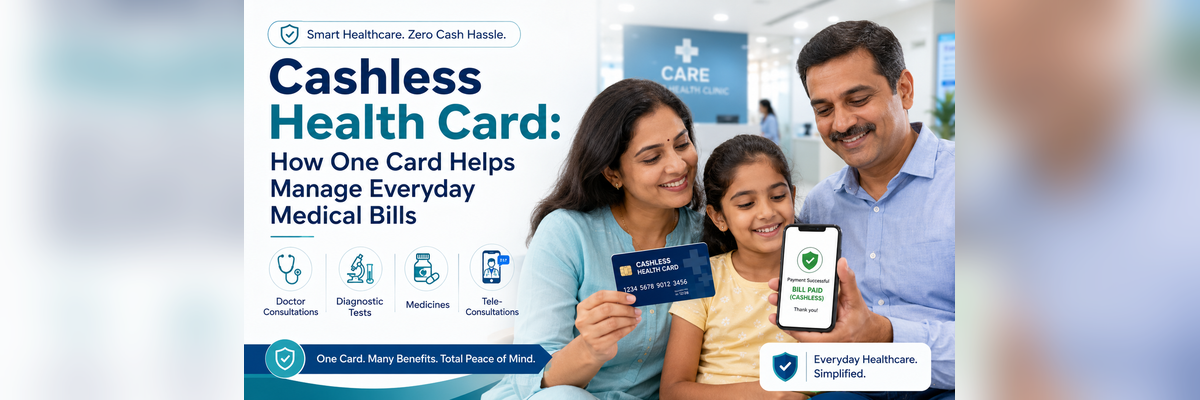
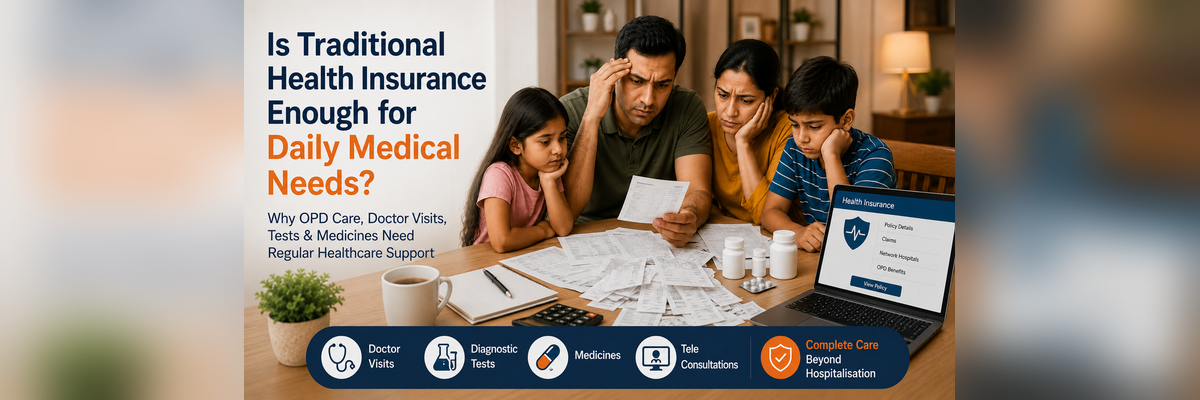
Most Indian families feel safe the day they buy a health insurance policy. There is a sense of relief that no medical expense can hurt them now. But ask anyone who has actually used their policy for a regular doctor visit, and you will hear a different story. Traditional health insurance is built for hospitalisation, not for the small, frequent expenses that make up daily medical needs like a fever check-up, a blood test, or a dermatologist visit for your child.
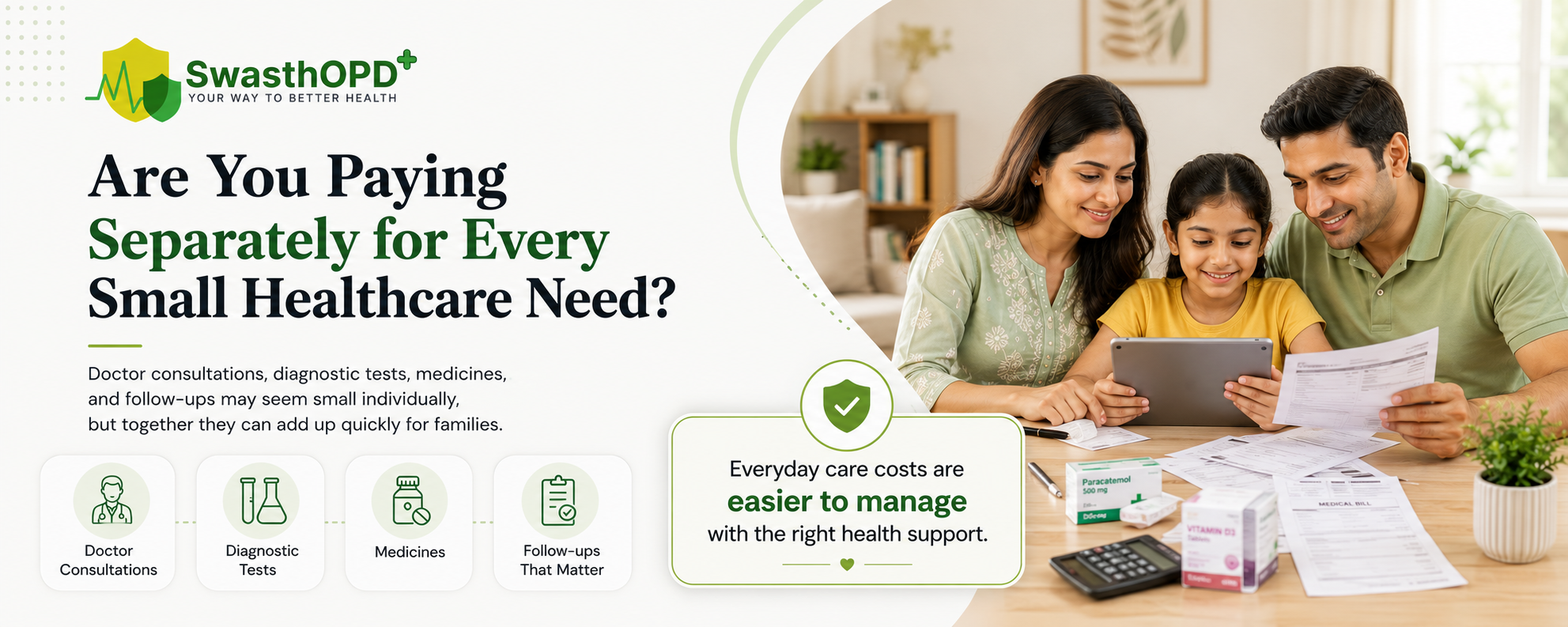
That gap is where most families end up paying out of pocket, month after month, without even realising how much it adds up to over a year.
What Traditional Health Insurance Actually Covers
Standard health insurance policies in India are designed around one event: hospitalisation. If you are admitted for twenty four hours or more, the policy kicks in and covers room rent, surgery costs, and related expenses. This works well for accidents, major surgeries, or planned procedures that need a hospital bed.
But here is the catch. Most healthcare a family actually uses never involves a hospital stay. A viral fever, a skin allergy, a stomach infection, a routine eye check, or a dental cleaning; none of these need admission, so none of these get reimbursed under a standard plan. You can read more about this gap in our detailed piece on health insurance with OPD cover.
The Real Gap: Everyday Costs Insurance Ignores
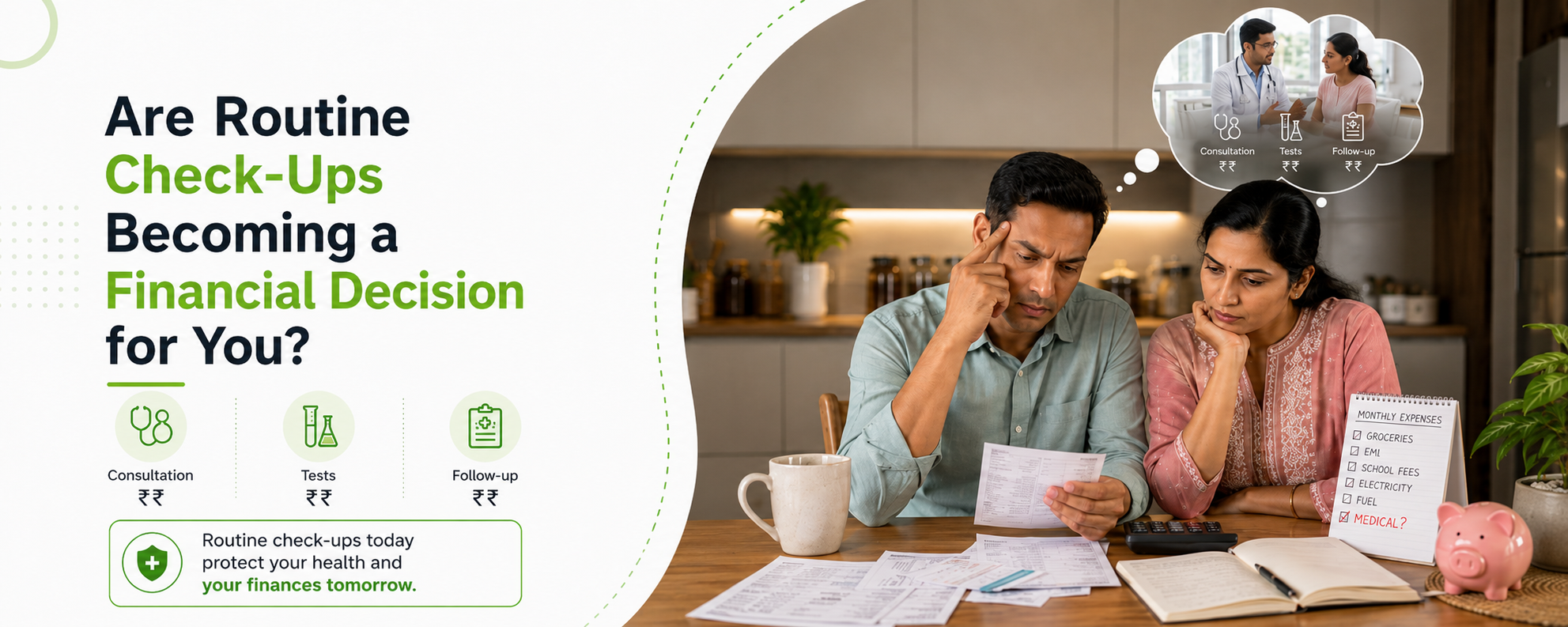
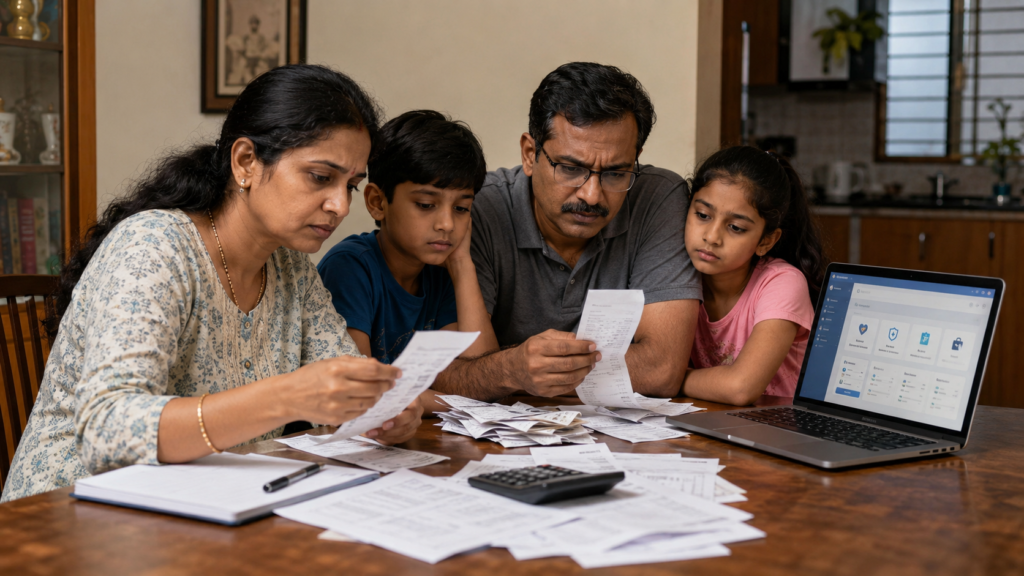
Think about a typical month for a middle class household in a city like Delhi or Pune. A child catches a cold and needs a paediatrician visit. Grandparents need their monthly blood pressure and sugar tests done. Someone gets a minor injury and needs an X-ray. None of these events cross the hospitalisation threshold, yet together they can cost anywhere from two thousand to eight thousand rupees a month.
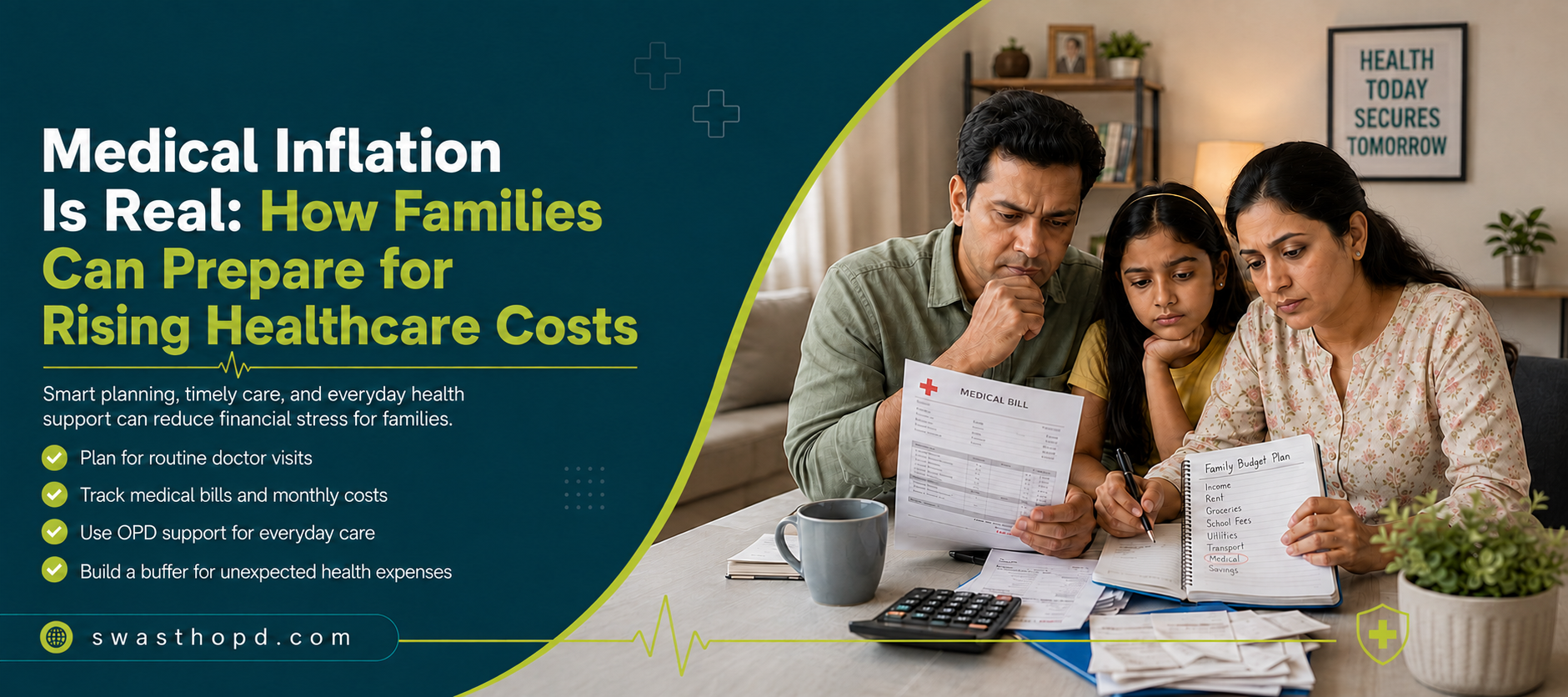
This is exactly why daily medical needs often get left out of financial planning. Families budget carefully for the big emergency but forget the smaller, recurring bills that quietly drain the monthly budget instead. Our post on healthcare cost management breaks this down with real numbers worth checking.
Most surveys on Indian healthcare spending point to the same trend: out-of-pocket expenses on outpatient care are consistently higher than what people pay for hospitalisation over a full year. A single hospitalisation might happen once in five years for a healthy adult, but doctor visits, lab tests, and medicines happen almost every month. That frequency is what makes the daily side of healthcare so expensive over time, even though each individual bill looks small on its own.
Common Mistakes Families Make
A few patterns show up again and again among families who assume they are fully covered.
- Many assume cashless hospital treatment automatically means every doctor visit is cashless too, which is rarely true.
- Others do not track OPD (out-patient department) expenses separately, so their real annual healthcare spend stays invisible until year end.
- Some delay doctor visits just to save the claim, which often leads to bigger and costlier problems later.
- Plenty of families do not realise that many OPD claims get rejected due to missing documentation, something we have covered in detail in why OPD claims get rejected.
These small oversights add up quickly. A family that believes it is fully protected can still end up spending forty to sixty thousand rupees a year on consultations, diagnostics, and medicines that insurance never touches.
Practical Tips to Bridge the Gap
You do not need to overhaul your entire insurance plan to fix this. A few practical steps genuinely help.
- Track your OPD spending for two or three months so you understand your family’s real pattern instead of guessing.
- Look for add-on OPD covers or standalone daily healthcare plans that sit alongside your existing policy.
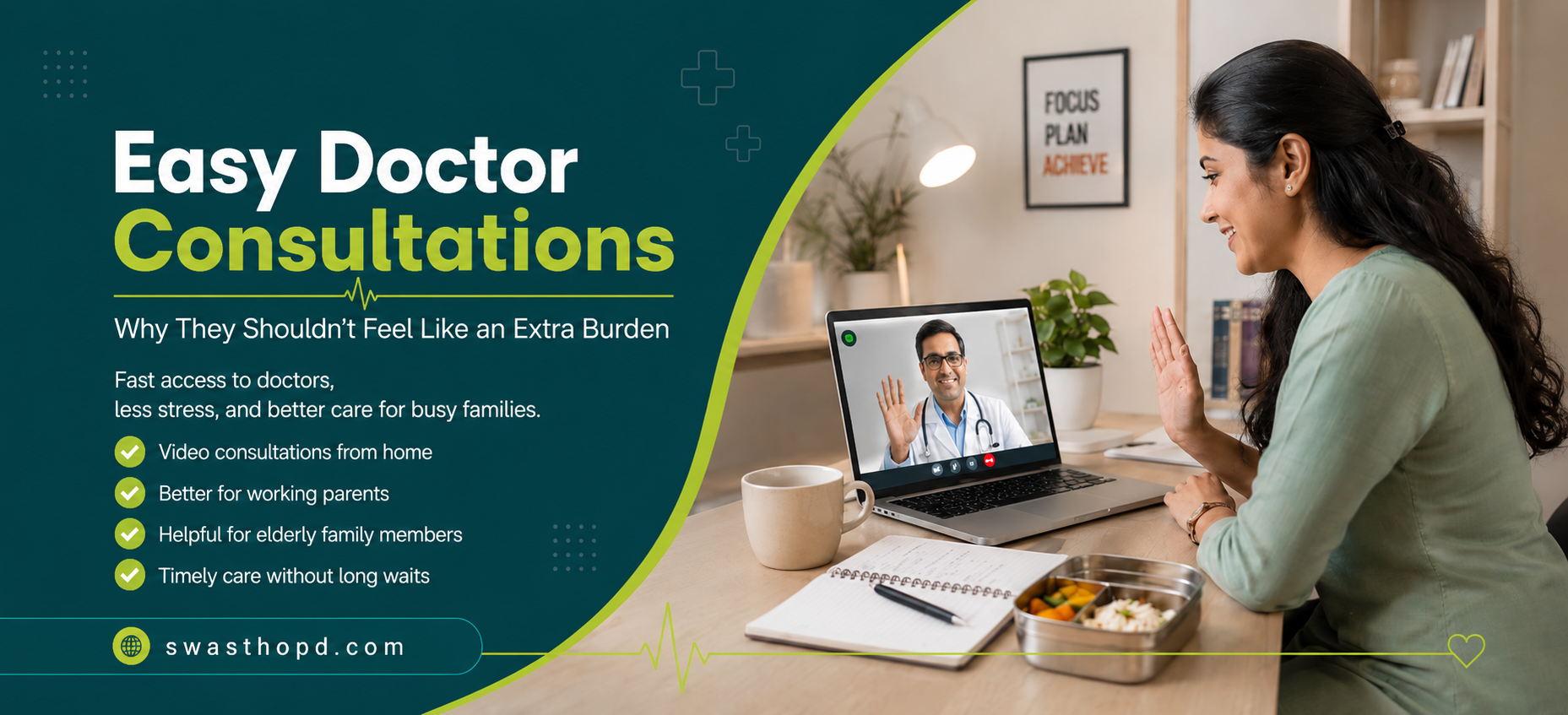
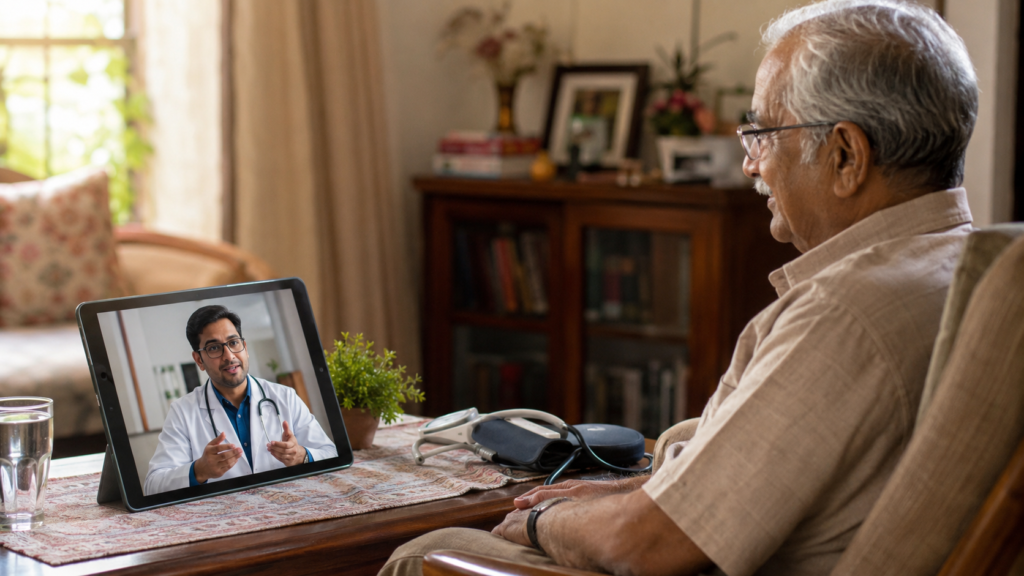
- Use tele-consultations for minor issues to save both time and unnecessary travel.
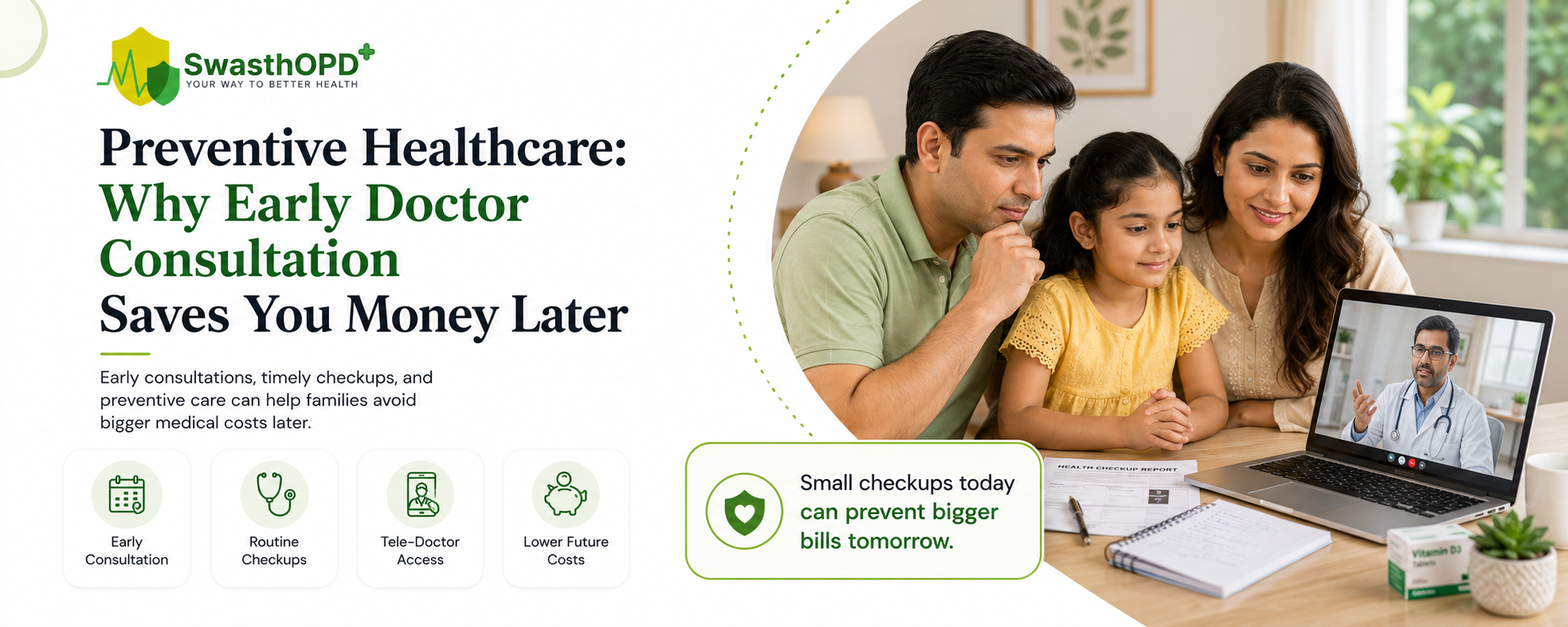
- Plan preventive check-ups instead of reacting only after someone falls sick.
Good family health planning is not just about the big policy sitting in a drawer. It is about building a complete system that covers both emergencies and everyday visits without constant stress or surprise bills.
How SwasthOPD Can Help
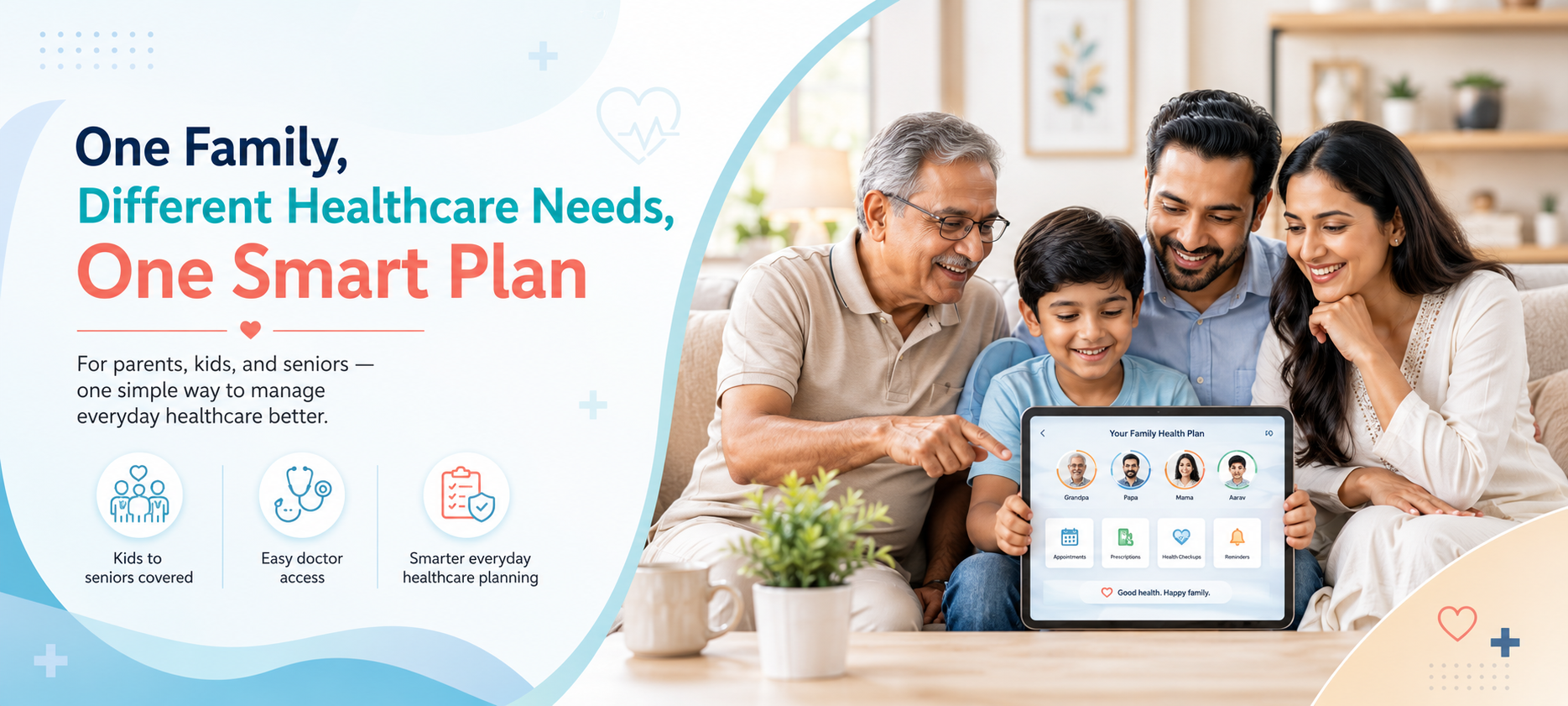
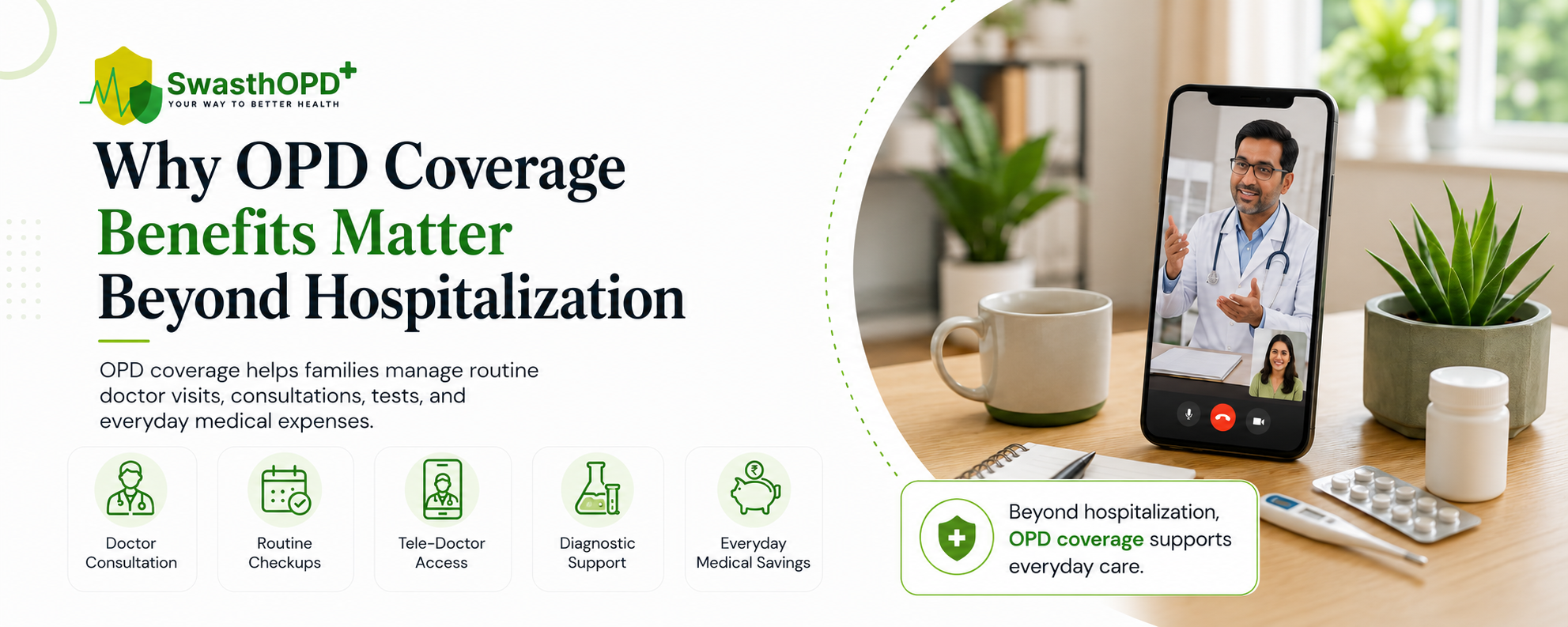
This is exactly the gap SwasthOPD was built to close. While your existing health insurance protects you during hospitalisation, a SwasthOPD plan takes care of the everyday side of healthcare: doctor consultations, diagnostic tests, and tele-consultations, so your daily medical needs do not quietly eat into your monthly budget every single time.
Instead of choosing between big insurance and no cover at all for small visits, families can pair both and stay protected at every level of care. If you want to see how this works for your household, explore SwasthOPD plans and check which option fits your family best today.