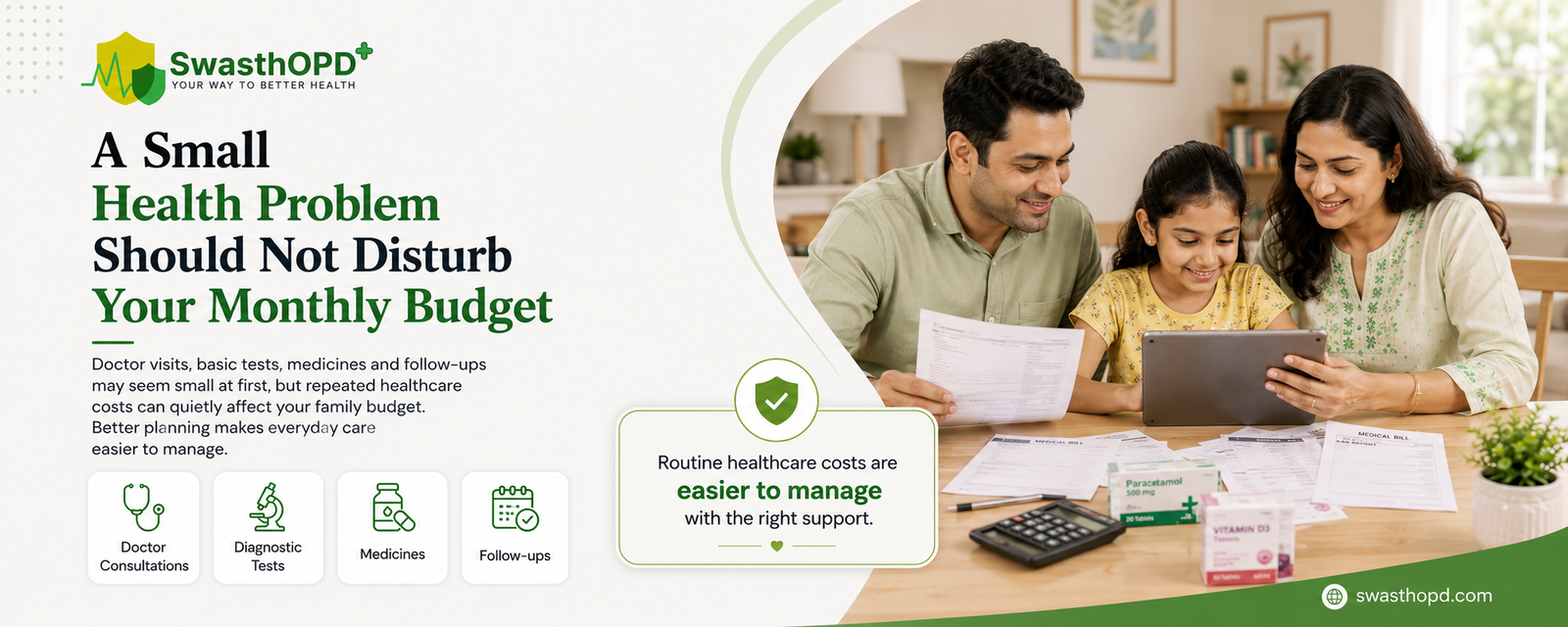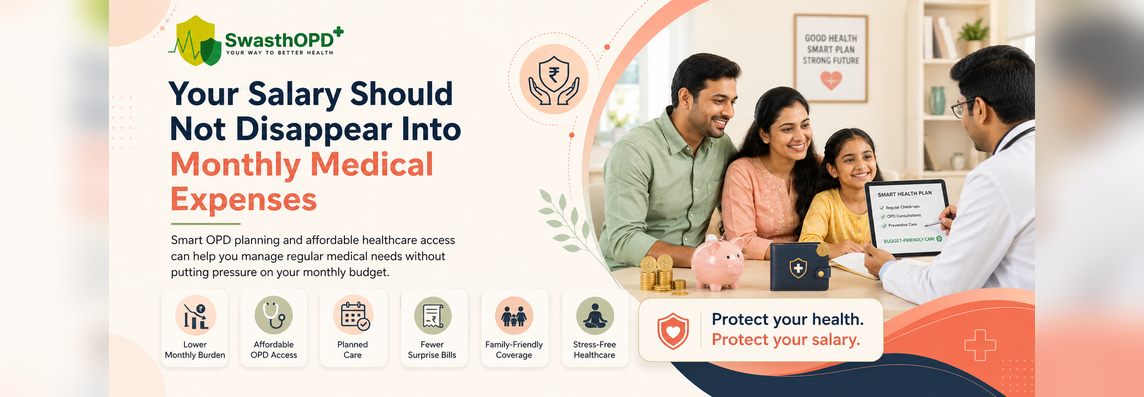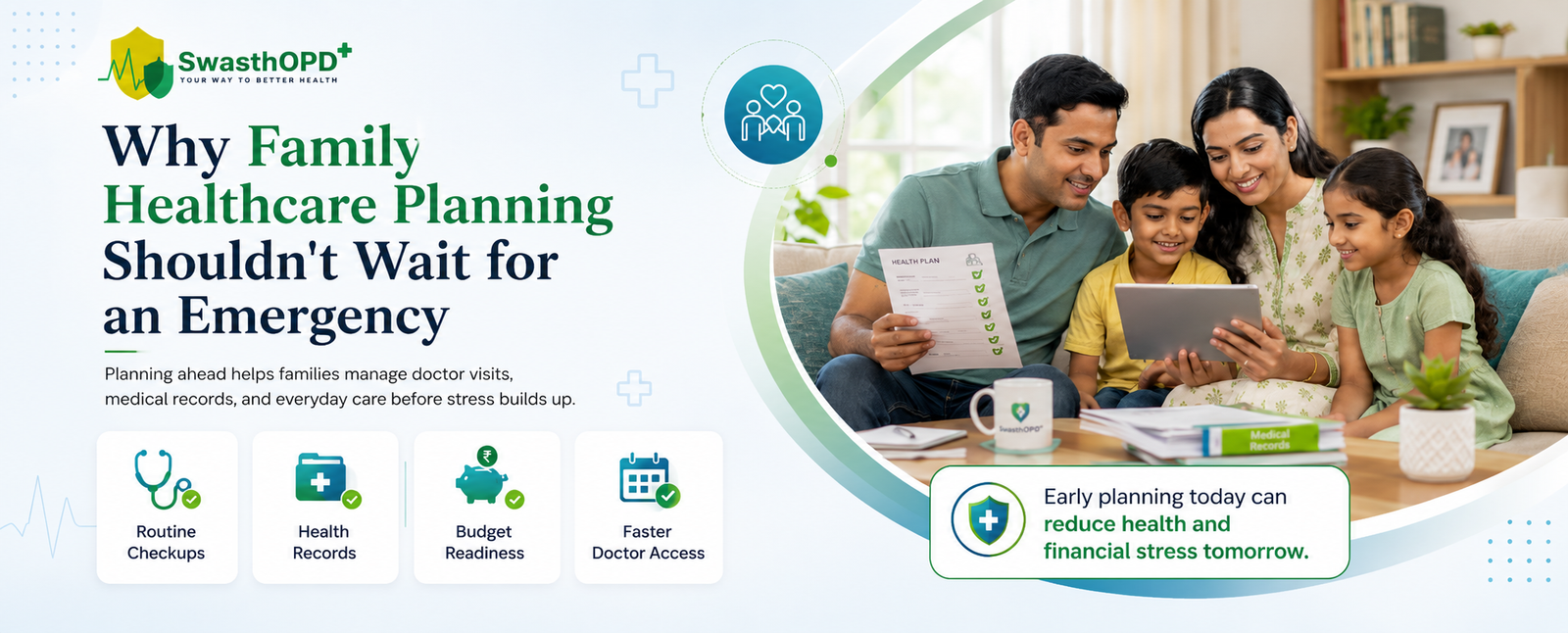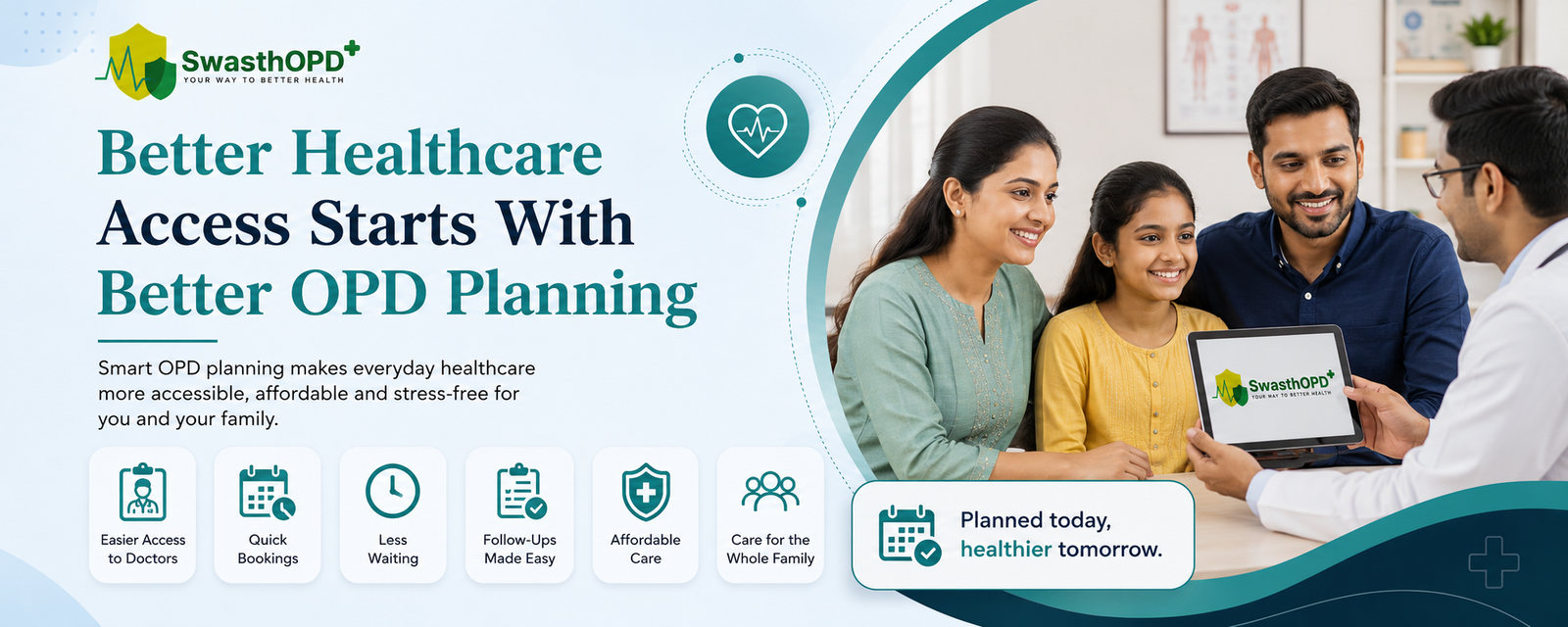
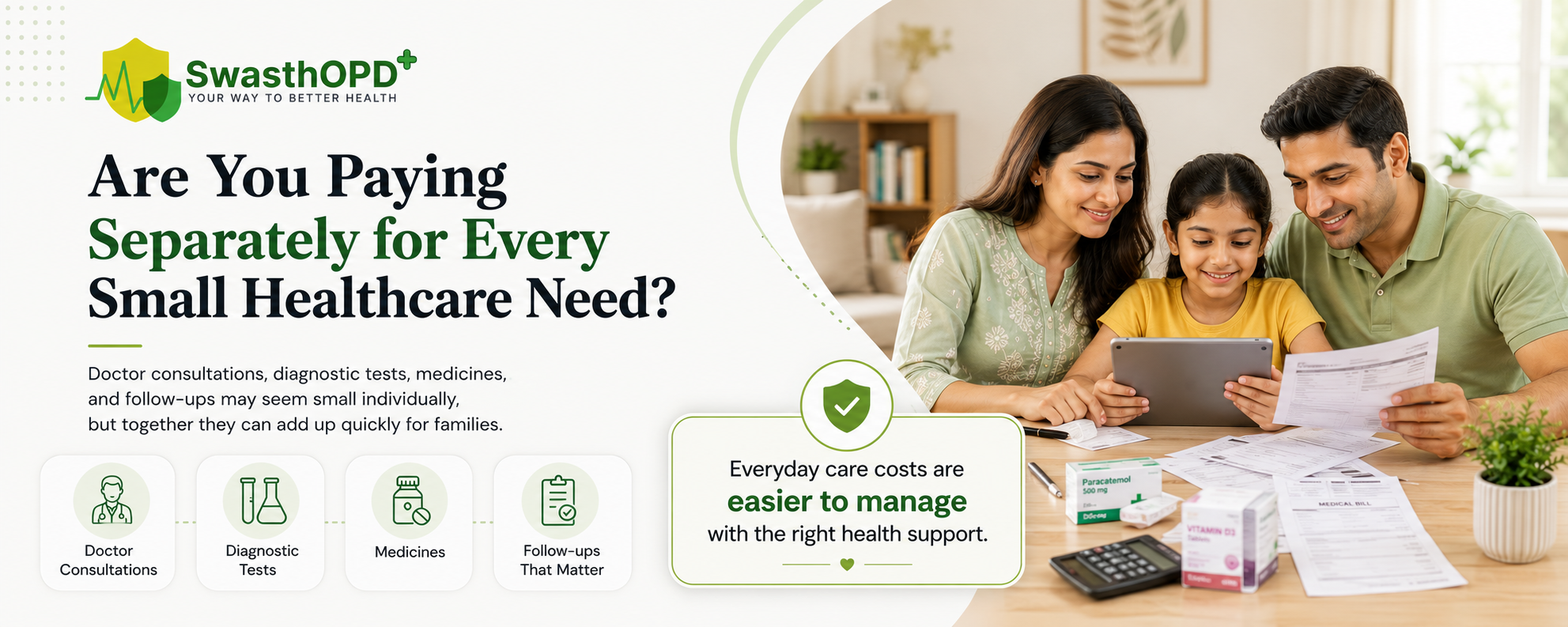
Think about your last month. A doctor visit for your child’s cough. A blood test your father needed. A dental cleaning you’d been postponing. Each one probably felt like its own little transaction — pay, forget, move on. Nobody sits down to add these up, but small healthcare expenses like these quietly form one of the biggest, most overlooked chunks of a family’s monthly spending.
The problem isn’t any single bill. It’s that every visit feels separate, unplanned, and slightly annoying to pay for — even when none of them are individually expensive.
The Hidden Pattern Behind “Small” Expenses
Most families track big spends carefully — rent, school fees, EMIs. Healthcare, oddly, doesn’t get the same treatment, mostly because it doesn’t arrive as one predictable number. Instead, it shows up in fragments:
- A ₹500 consultation this week
- A ₹1,500 diagnostic panel next month
- A ₹300 medicine refill every few weeks
- An unplanned dental visit that costs more than expected
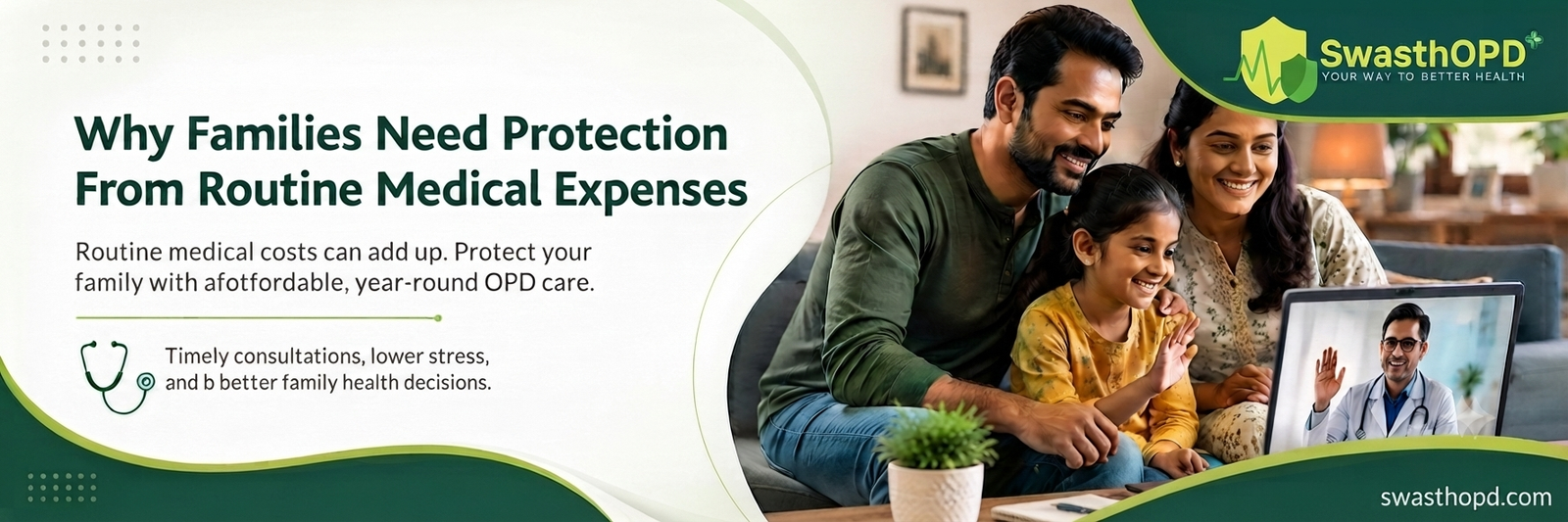
None of these feel like they deserve a place in the monthly budget conversation. But stacked over a year, they often add up to more than the family’s entire health insurance premium — money that’s paid fully out of pocket, with zero coverage or planning behind it.
Why This Keeps Happening Every Month
There’s a simple reason this pattern repeats: most families don’t have a single system for handling these costs. Every visit becomes its own decision — which clinic, how to pay, whether to keep the receipt, whether it’s even worth claiming anywhere. This constant micro-decision-making is exhausting, so most people just pay and move on without ever stepping back to see the full picture.
If this sounds familiar, you’re not managing your healthcare spending poorly — you simply don’t have a structure for it yet. This ties closely into broader healthcare cost management, where the goal isn’t to spend less, but to spend more predictably.

What Changes When You Stop Paying Separately
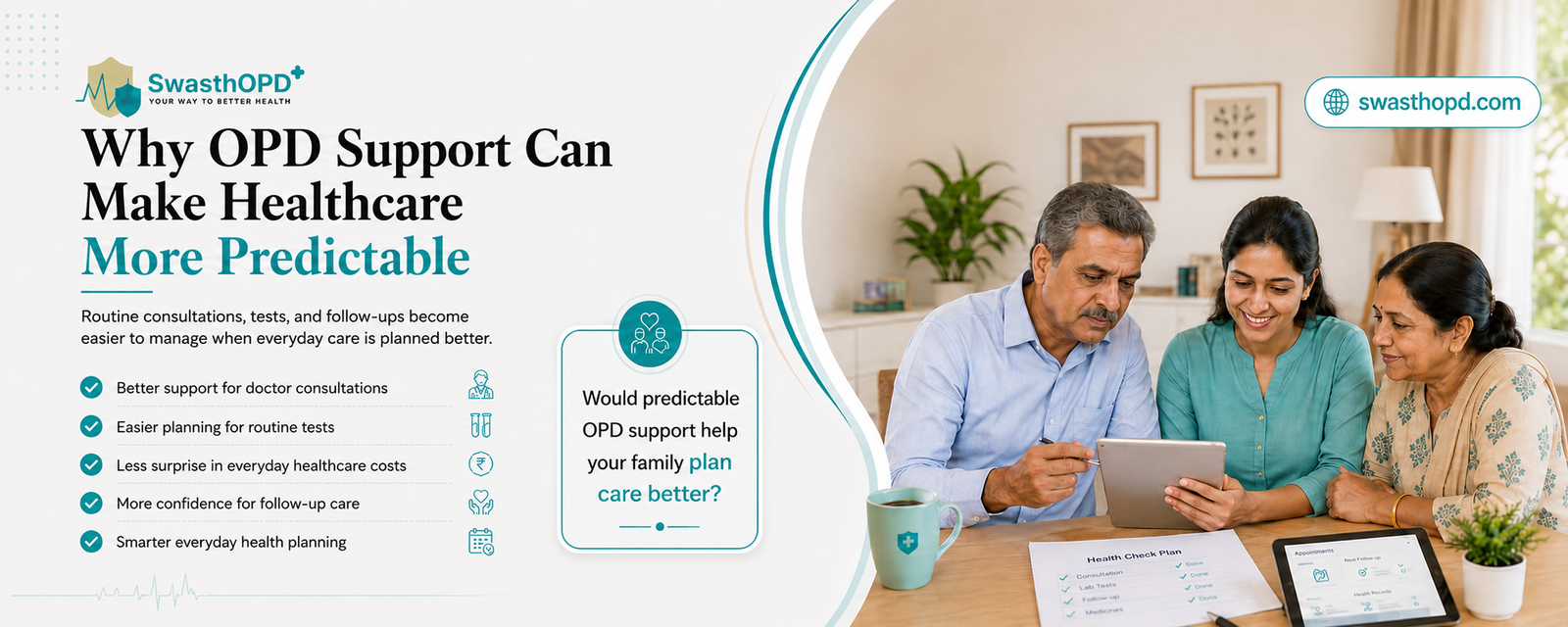
Imagine a version of this where every doctor visit, test, and medicine purchase runs through one plan instead of one-off cash payments. A few things shift immediately:
- You stop mentally “deciding” whether a visit is worth the cost
- Bills get tracked automatically instead of living in scattered receipts
- Families act on symptoms earlier, since cost isn’t a fresh hurdle each time
- The full year’s healthcare spend becomes visible, not guesswork
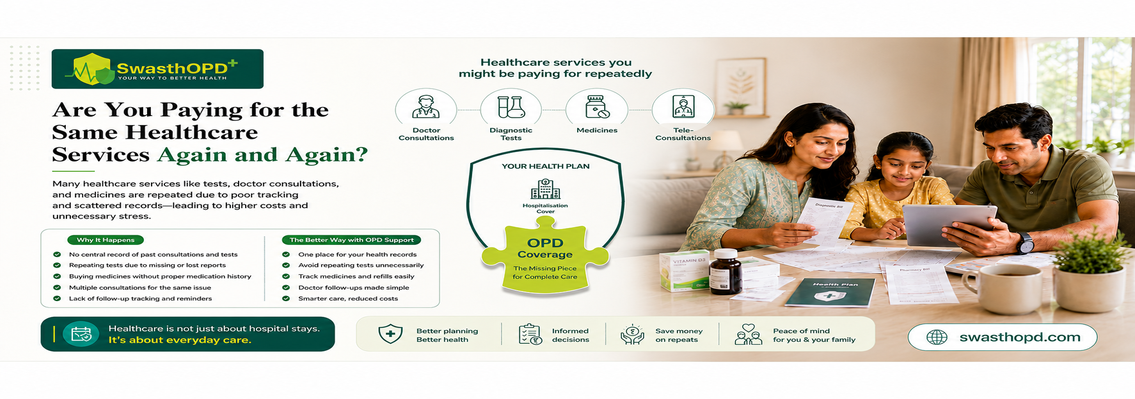
This is essentially what OPD-focused coverage is designed to do — bundle the frequent, small stuff under one plan instead of leaving it to individual cash transactions. If you’re curious how this compares to standard insurance, this piece on OPD coverage as the missing piece explains the gap well.
Who This Affects Most
Some households feel this pattern more than others:
- Families with young kids, who need frequent paediatric visits and vaccination follow-ups
- Households with elderly parents, managing multiple regular check-ups and medicines
- Anyone managing a chronic condition, where monthly tests and refills are routine, not occasional
If more than one of these applies at home, separate payments for every small need aren’t just inconvenient — they’re actively harder to plan around. Structuring this at a household level, rather than person by person, makes a real difference, and this guide on family health planning is a useful next read.
A Quick Gut-Check
Try this: pull up your bank statement and count how many separate healthcare-related payments you made last month — clinic, pharmacy, lab, dental. If it’s more than three or four, you’re already managing multiple small transactions that could easily sit under one plan instead.
How SwasthOPD Can Help
This is exactly the friction SwasthOPD’s health plans are built to remove. Instead of paying separately for every doctor visit, test, or medicine, SwasthOPD brings these small, recurring healthcare needs under one simple plan — with a wide provider network and no repeated cash-and-track cycle every time.
If you’re tired of tallying up scattered healthcare bills every month, it’s worth exploring SwasthOPD’s health plans and seeing how one plan can replace those separate payments.