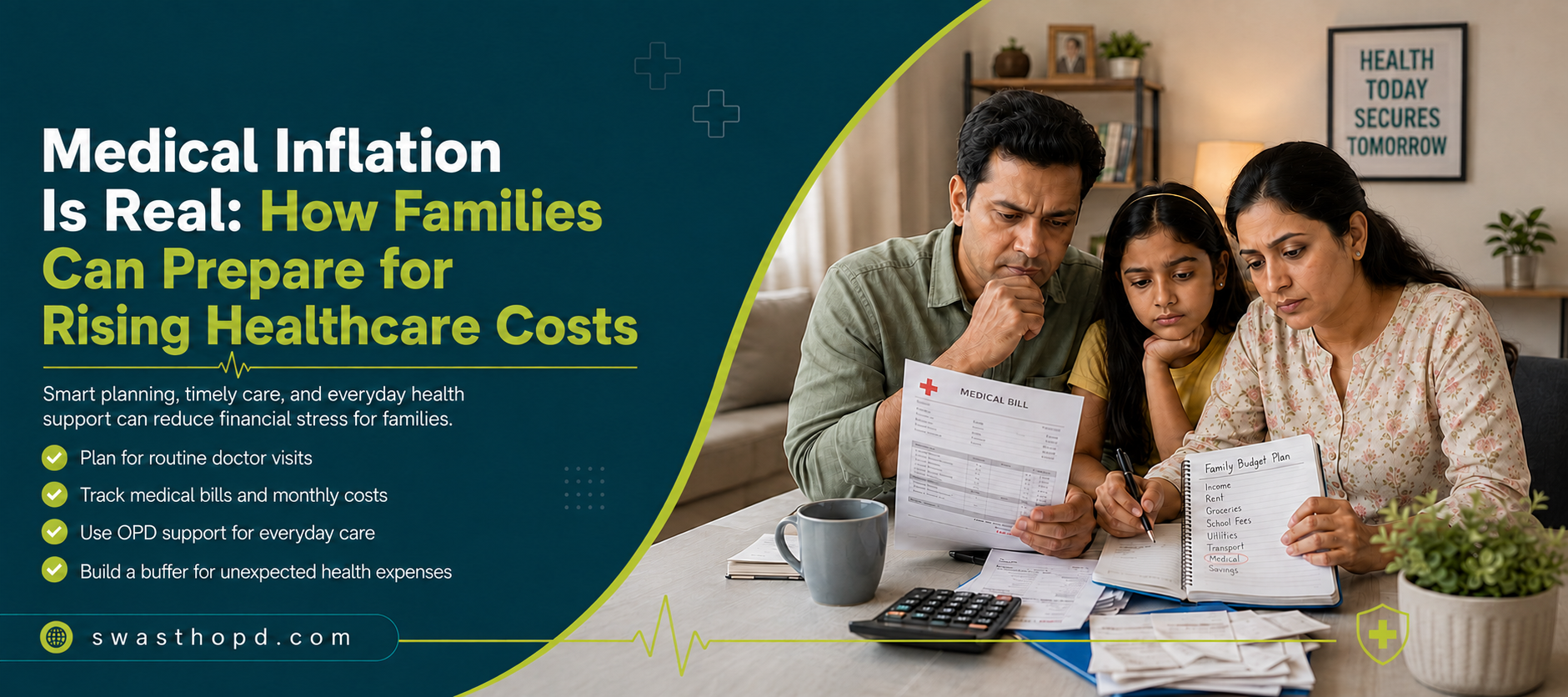
Ask any parent who’s paid a hospital bill in the last two years, and they’ll tell you the same thing — healthcare has gotten expensive, fast. Rising healthcare costs aren’t a distant economic term anymore; they show up in doctor consultation fees, diagnostic bills, and medicine costs that seem to climb every few months. For most Indian households, this quiet inflation eats into monthly budgets long before a real emergency even happens.
Why Medical Inflation Hits Harder Than Regular Inflation
Medical inflation in India typically runs higher than general inflation — often in the double digits annually. A few reasons drive this:
- Hospital infrastructure and equipment costs keep rising
- Skilled doctors, nurses, and technicians command higher salaries
- Imported medicines and diagnostic reagents cost more with currency fluctuations
- Demand for private healthcare has grown faster than supply in many cities
Put together, a routine consultation or blood test that cost a few hundred rupees five years ago now costs noticeably more. And unlike groceries or fuel, medical expenses can’t really be postponed or skipped.
The Everyday Cost Families Often Miss
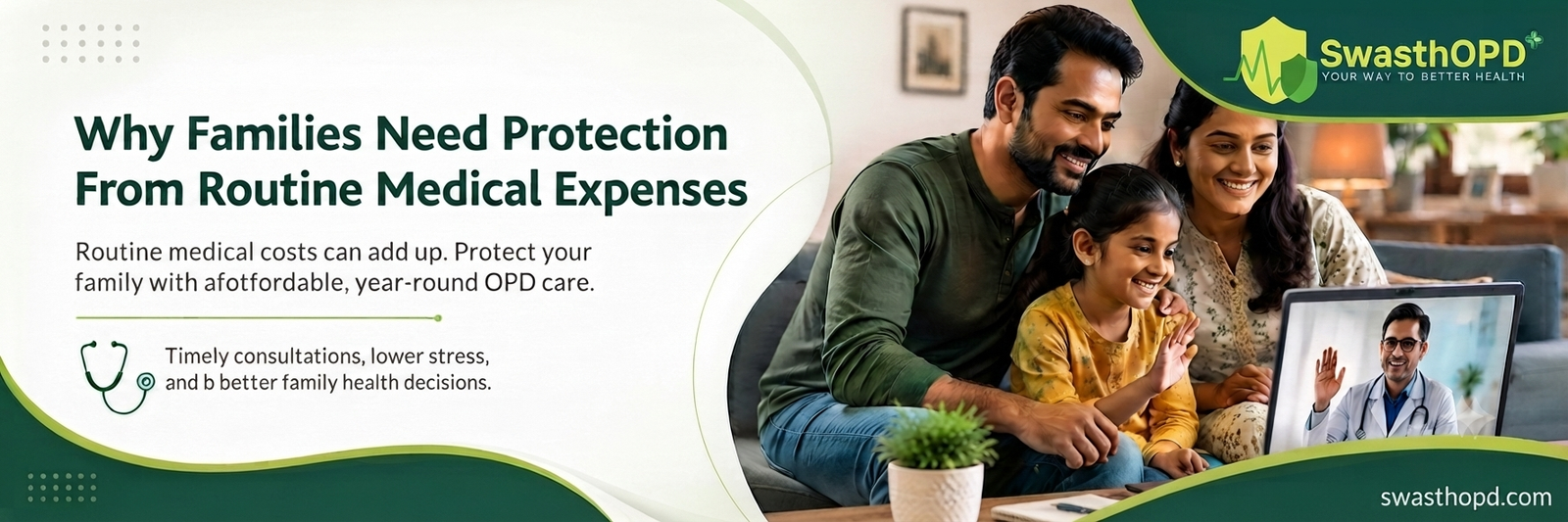
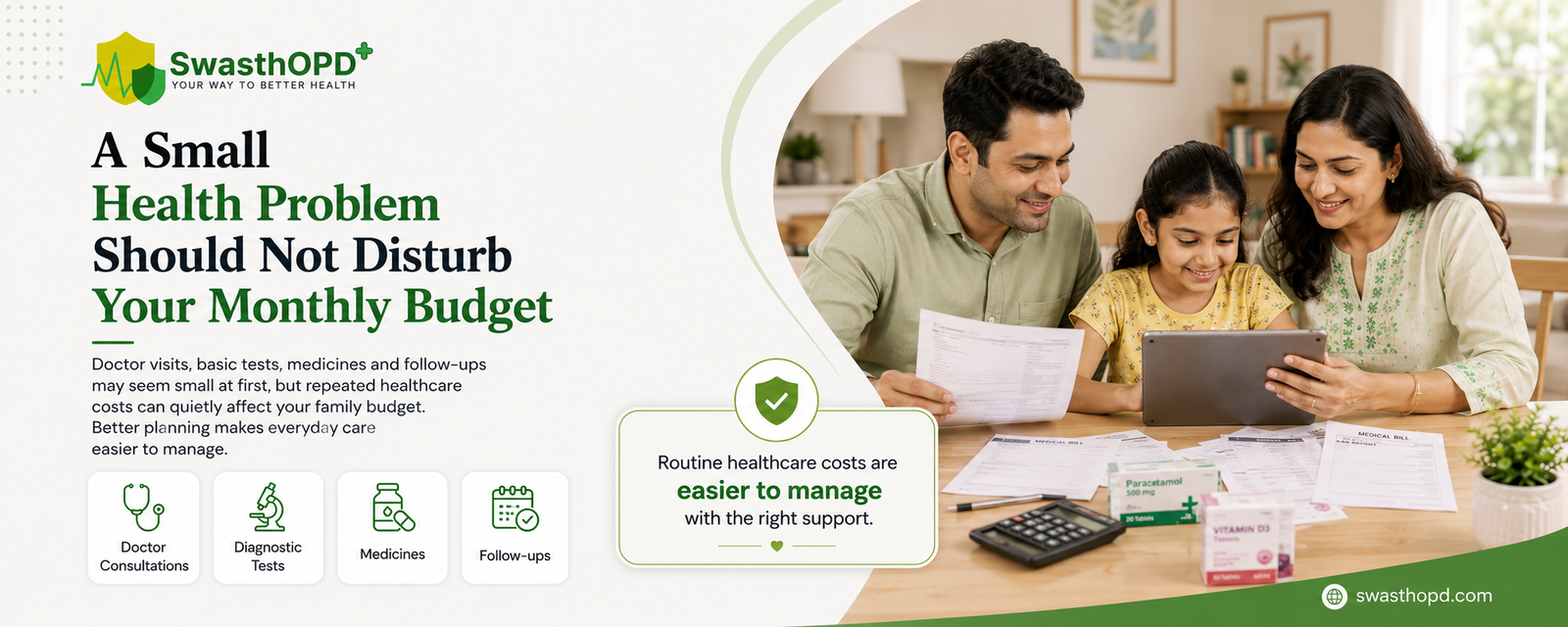
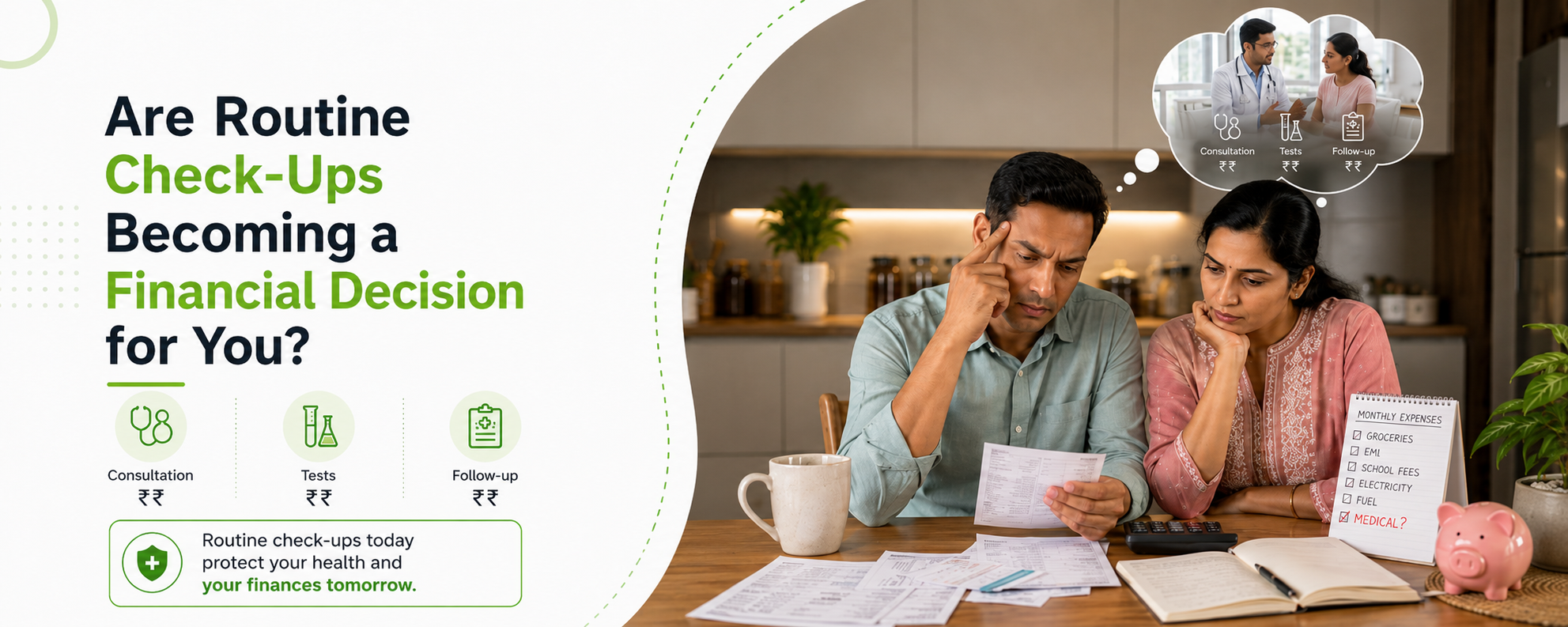
When people think about healthcare costs, they usually picture big-ticket hospitalization. But the real pressure often comes from smaller, recurring expenses — a child’s fever needing a doctor visit, a parent’s routine diabetes check, or a sudden dental issue. These add up quietly over a year, and most families don’t budget for them separately.
This is exactly the gap that leaves households caught off guard. Many people stop waiting for a health emergency to take action only after facing an unplanned bill that disrupts their monthly finances.
Why Traditional Health Insurance Isn’t Enough Anymore
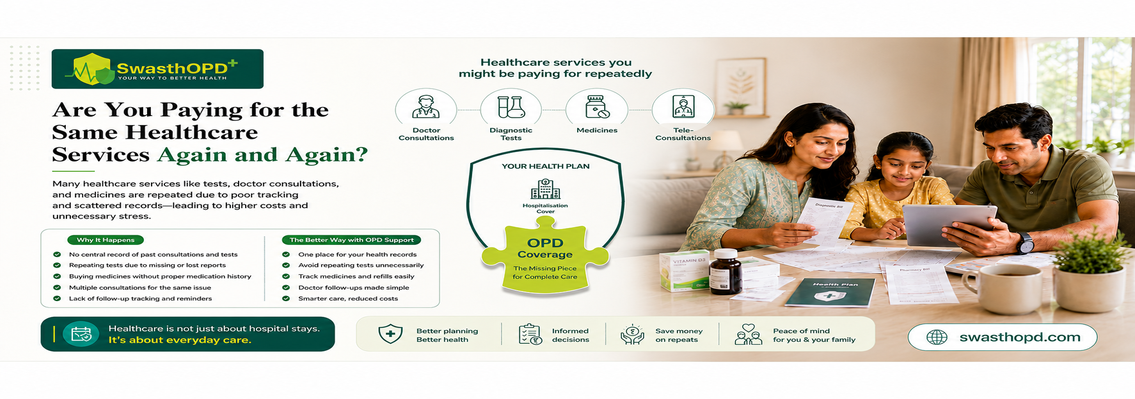
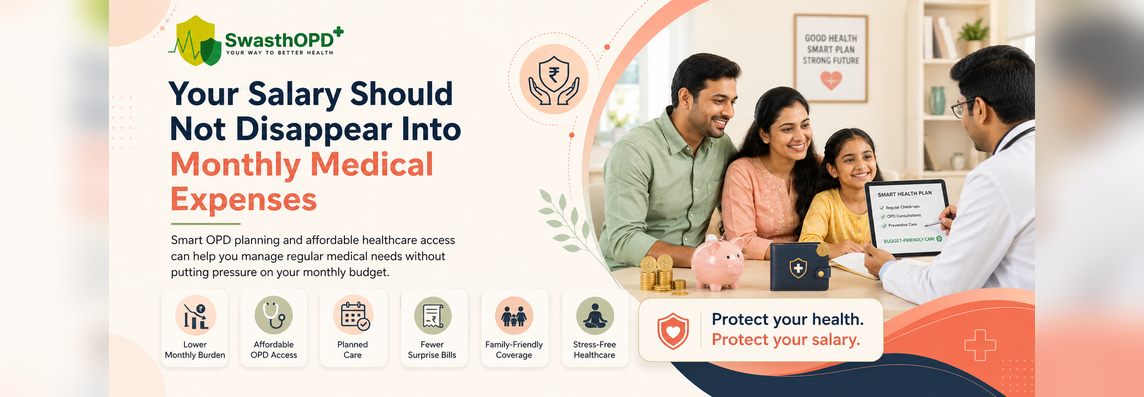
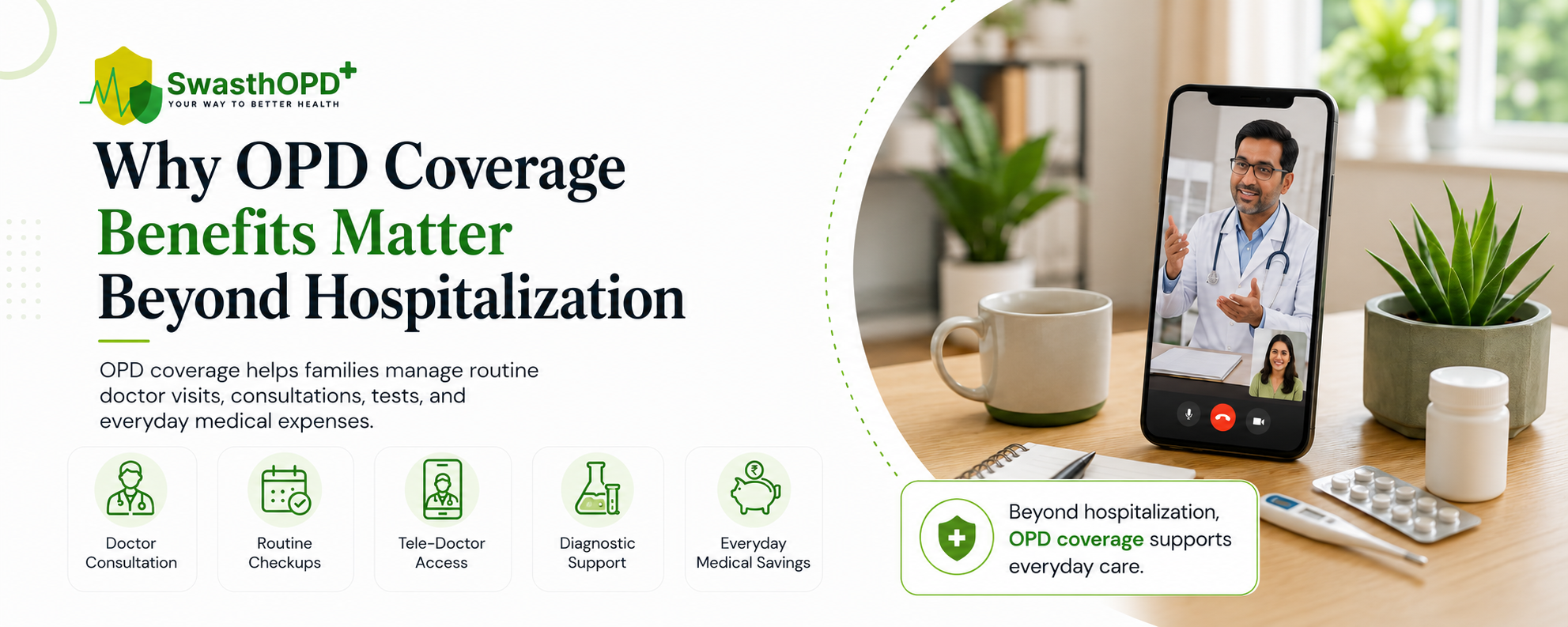
A standard health insurance policy usually covers hospitalization — but not OPD (outpatient) expenses like doctor visits, diagnostics, or day-to-day medicines. Since most families interact with the healthcare system through OPD visits far more often than hospital admissions, this gap matters a lot in practice.
That’s where understanding health insurance with OPD coverage becomes useful. It fills the exact space that traditional policies leave open, covering the routine visits that quietly drain household budgets over time.

Practical Ways Families Can Prepare
You can’t control medical inflation, but you can control how prepared you are for it. A few practical steps help:
- Build a separate health fund — even a small monthly set-aside adds up over a year
- Track family health patterns — knowing which member visits doctors most often helps you plan better
- Compare diagnostic and medicine costs — many cities have wide price differences for the same test
- Prioritize preventive checkups — catching issues early almost always costs less than treating them late
Good healthcare cost management isn’t about spending less on health — it’s about spending smarter, so a routine year doesn’t quietly become an expensive one.
Preventive Care Reduces Long-Term Costs
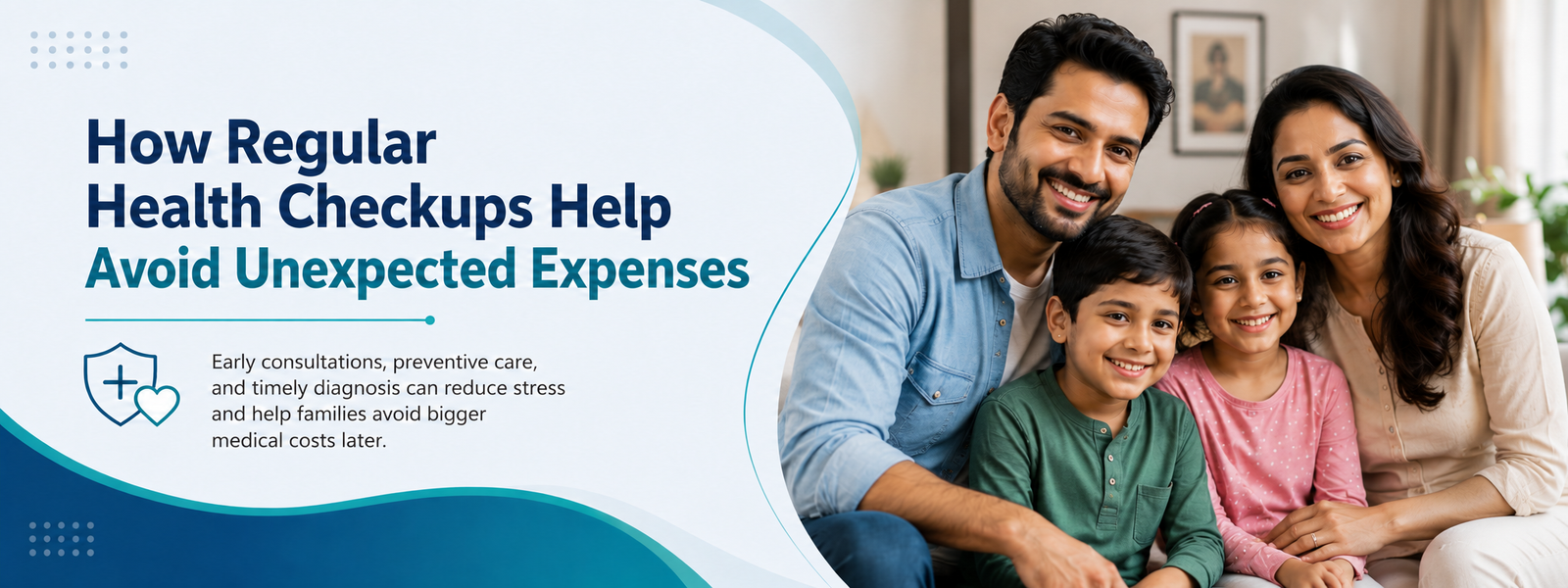
One pattern shows up again and again in Indian households: families who skip regular checkups often end up paying more later, once a minor issue becomes a bigger one. Preventive care isn’t just a health choice, it’s a financial one too. Simple annual checkups can catch problems while they’re still cheap and easy to treat.
As rising healthcare costs continue to shape how families budget each year, building preventive habits early is one of the most effective ways to soften the impact down the line.
Planning Ahead Matters More Than Reacting
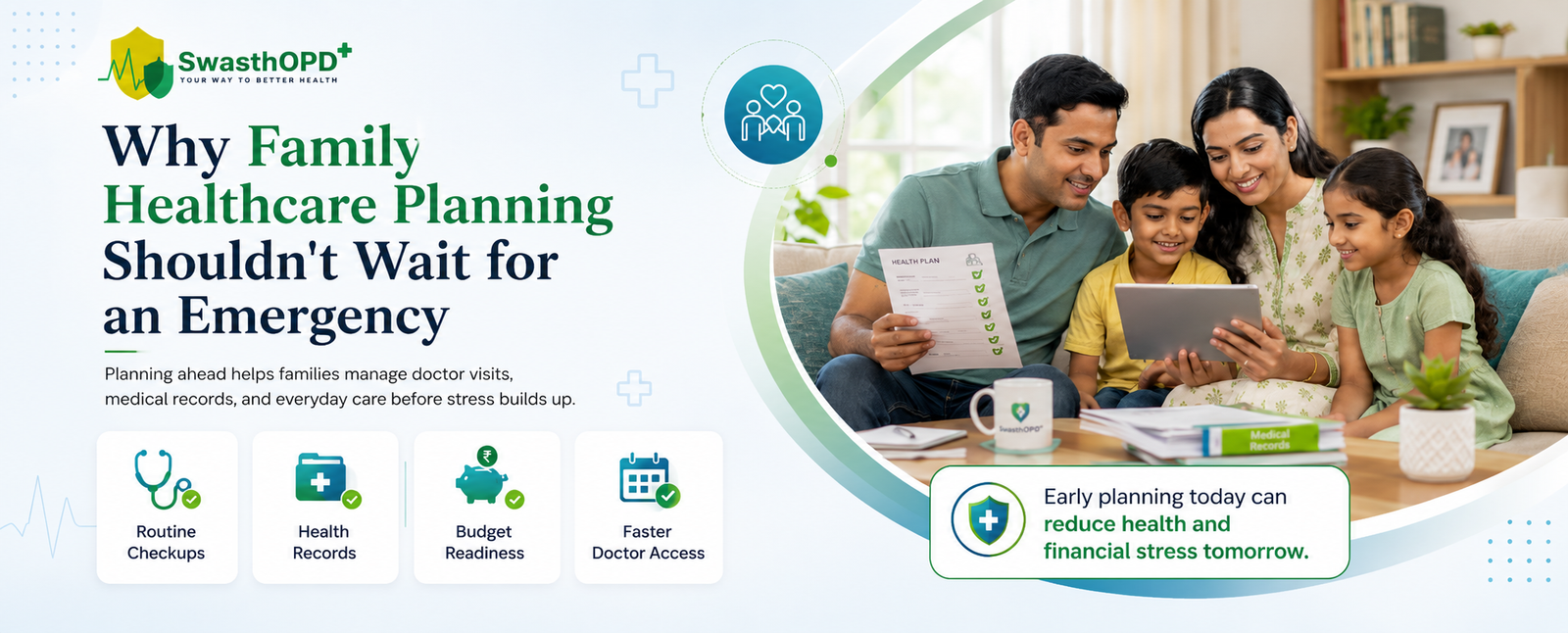
Most families only think seriously about healthcare costs after a bill arrives. But proper family health planning means thinking ahead — knowing where you’ll go for a consultation, what a diagnostic test typically costs, and having some cushion built in before you actually need it. This shift from reacting to planning is what protects a family’s finances the most.
How SwasthOPD Can Help
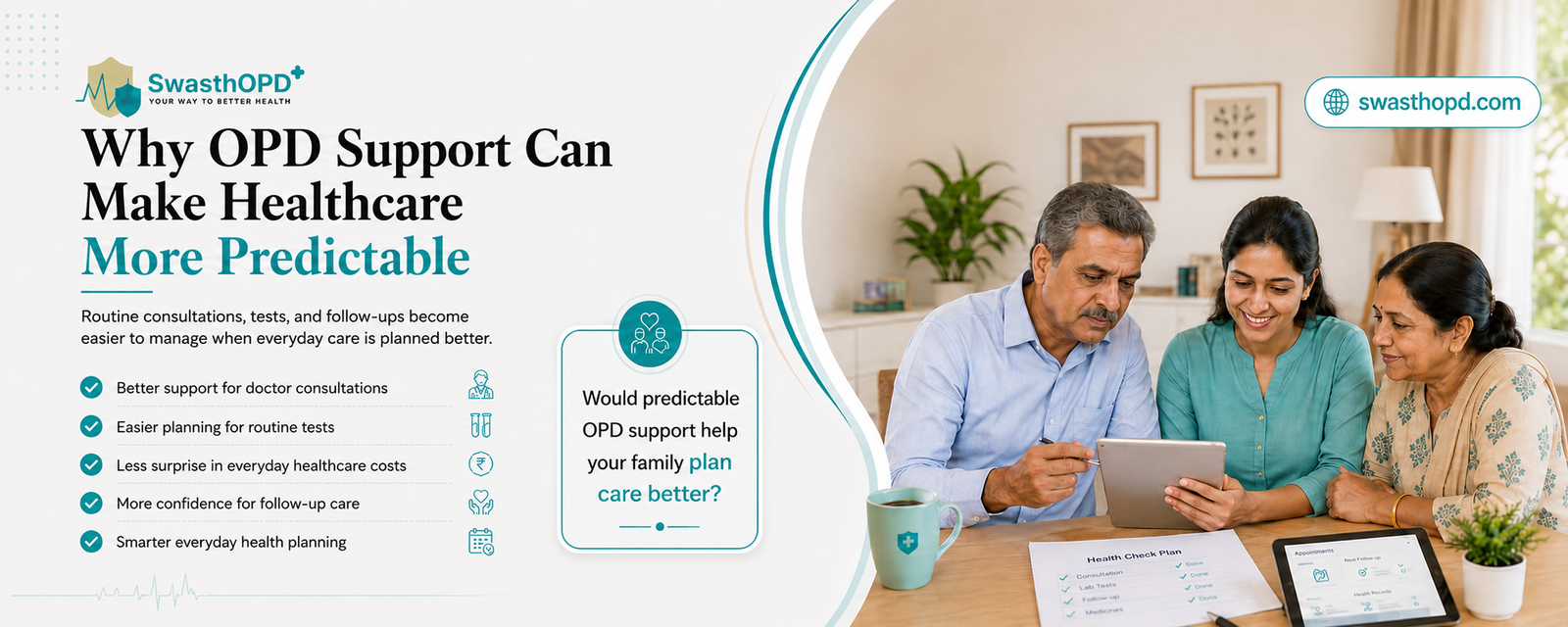
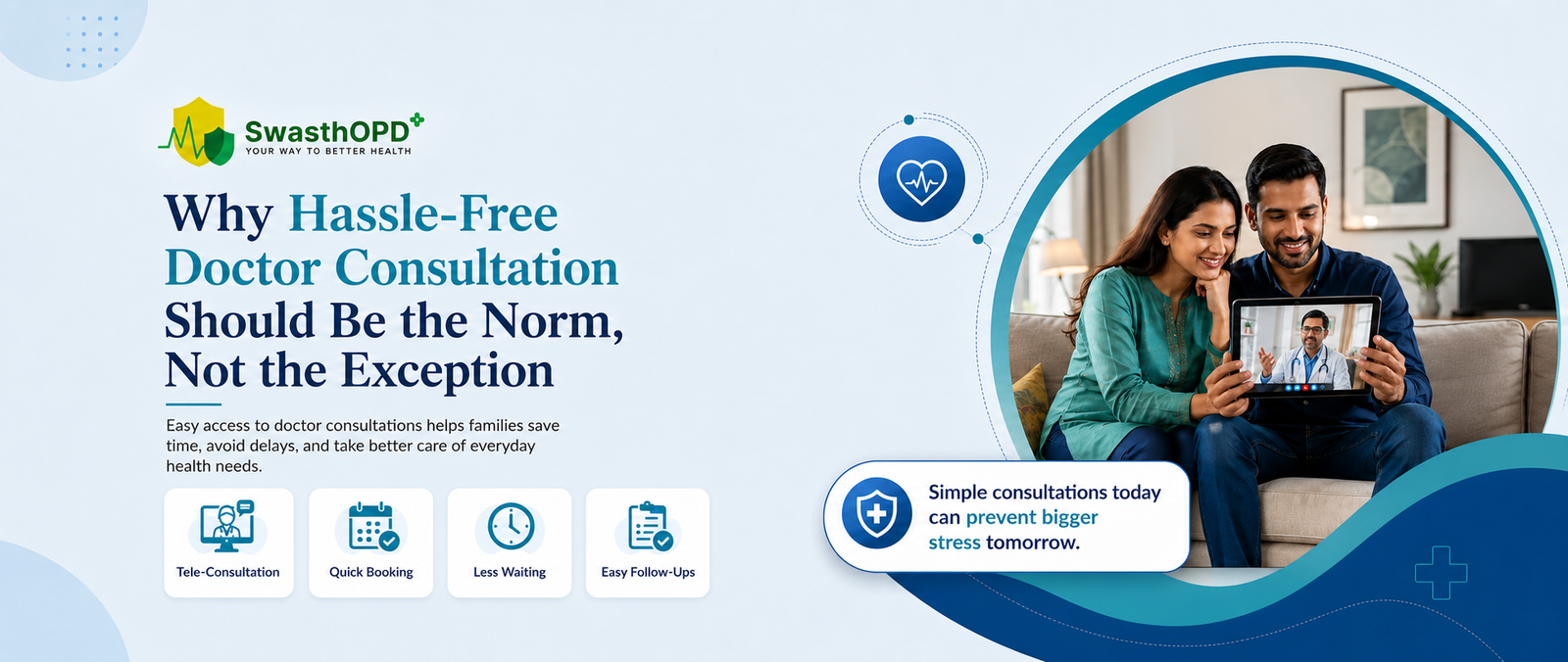
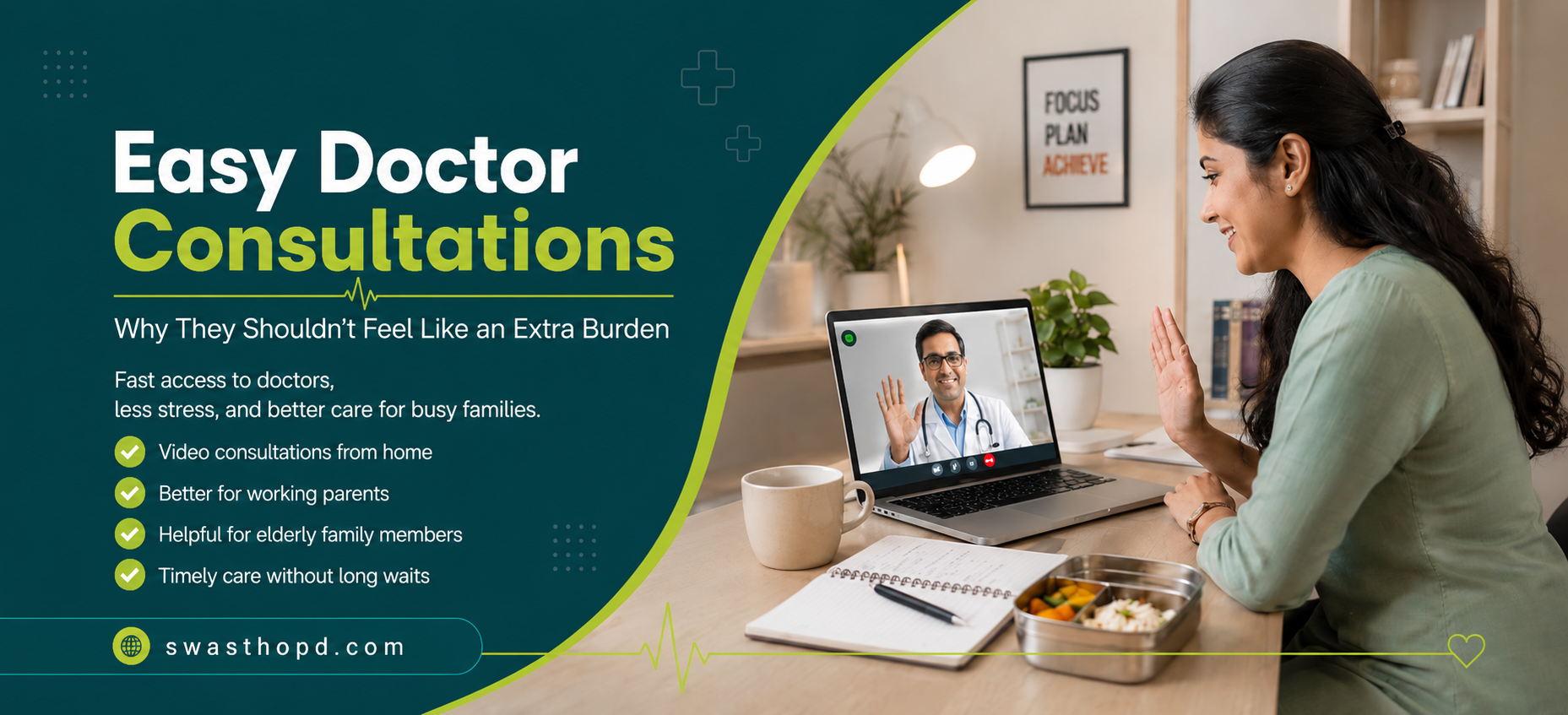
This is precisely the gap SwasthOPD was built to close. Instead of only covering hospitalization, SwasthOPD gives your family access to affordable tele-doctor consultations, discounted diagnostics and medicines, and cashless OPD support for everyday medical needs — the exact expenses that add up fastest under rising healthcare costs. It’s practical, ongoing protection for the visits that happen far more often than emergencies.
If medical inflation has been quietly stretching your monthly budget, it’s worth taking a closer look at how a dedicated OPD plan works. You can explore SwasthOPD plans and see how affordable, everyday healthcare cover can ease the pressure for your entire family.