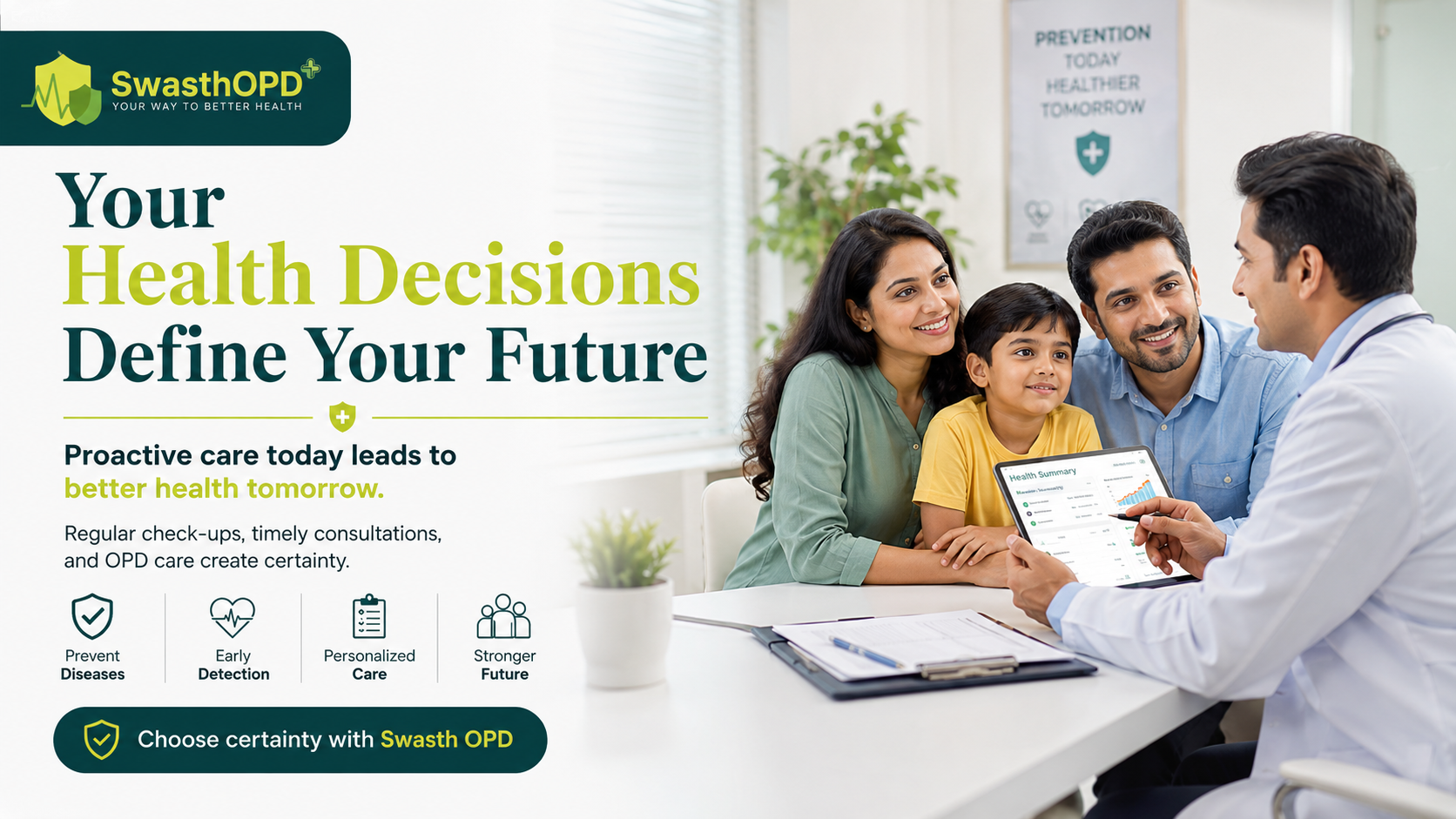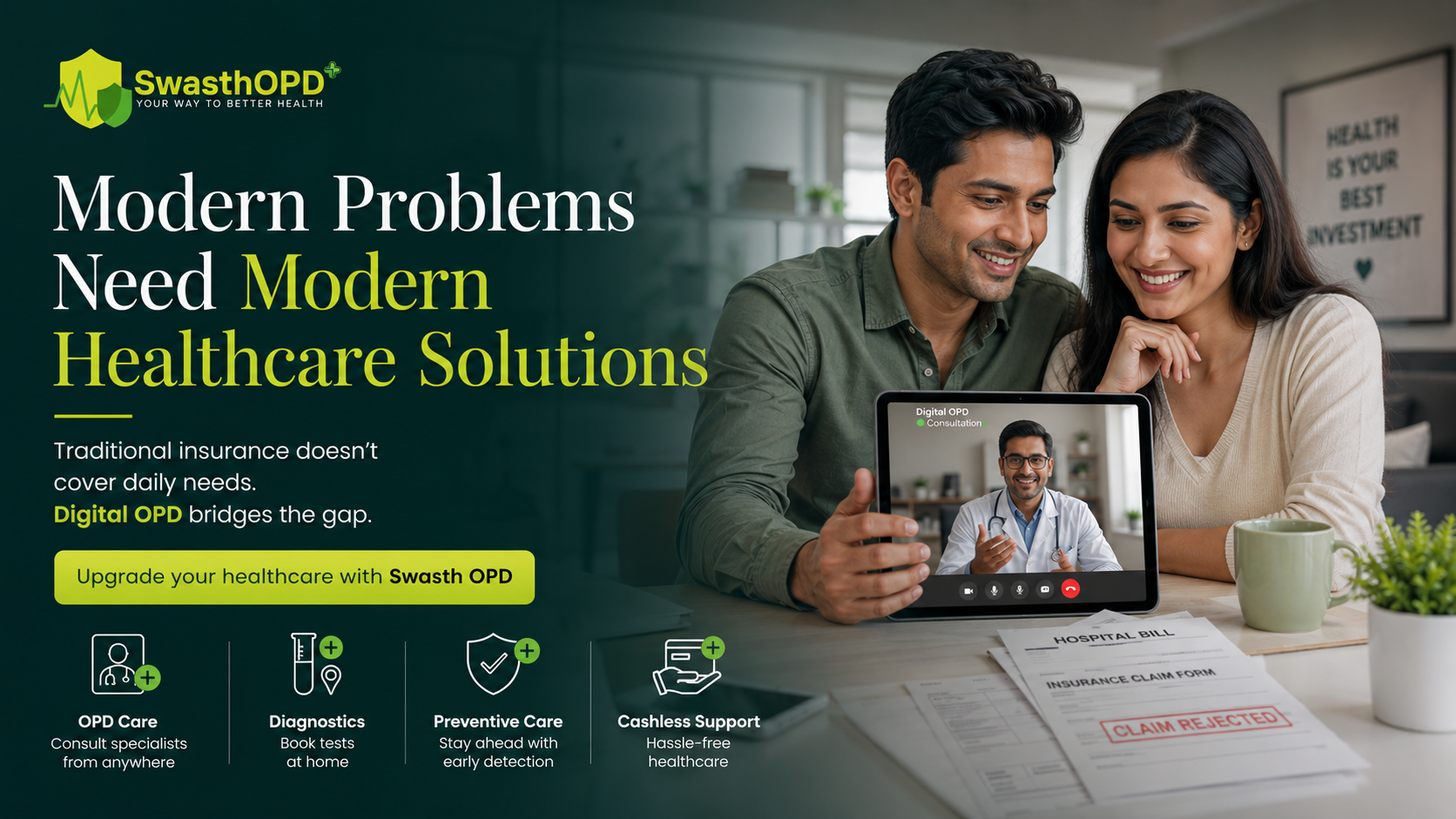
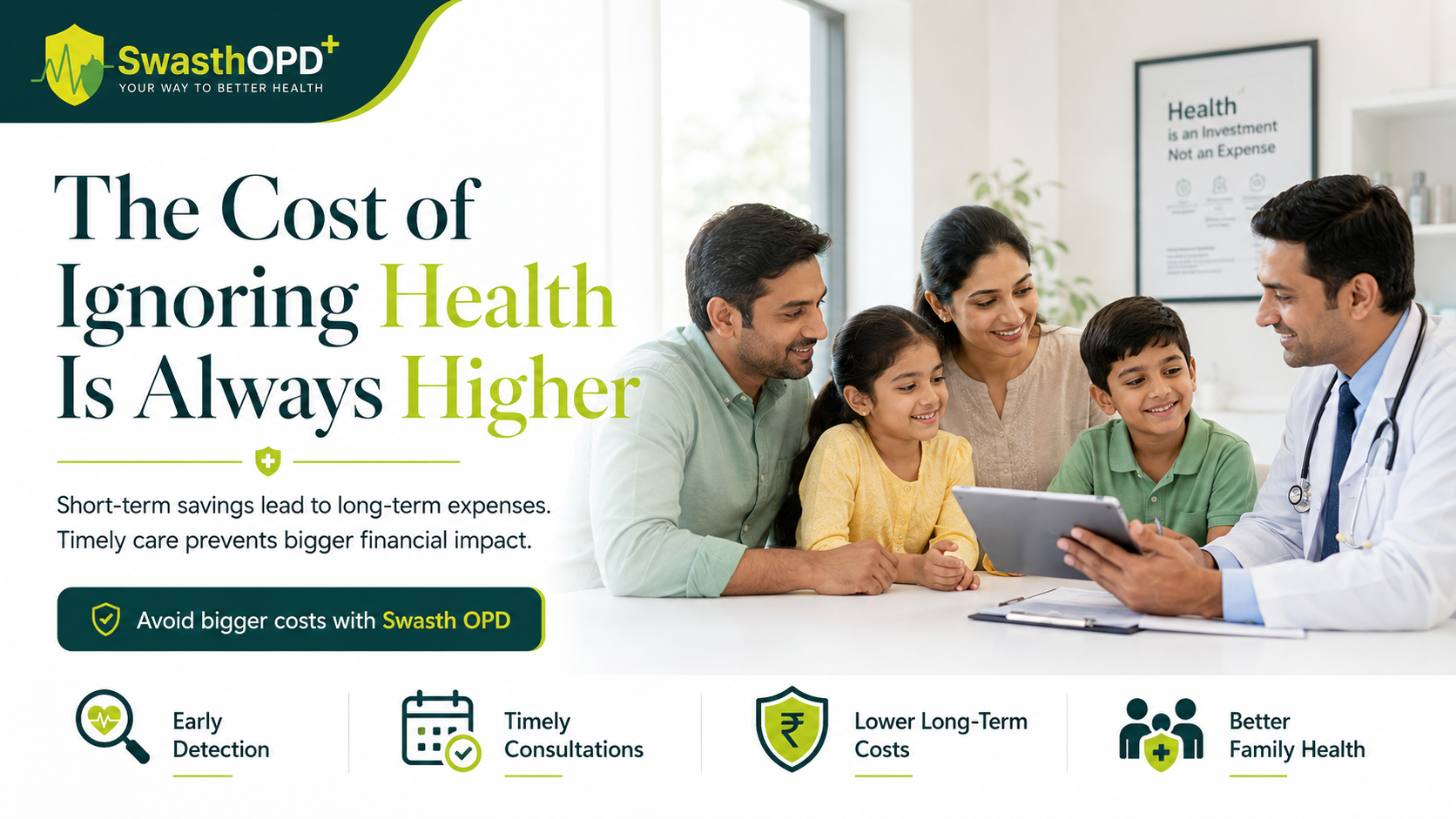
Quick answer: Preventive healthcare means catching health problems early through routine check-ups, timely doctor consultations, and regular diagnostics. Delaying care to save money often backfires—small issues grow into expensive treatments, longer recovery, and even hospitalization. Spending a little on prevention today protects both your health and your wallet tomorrow.
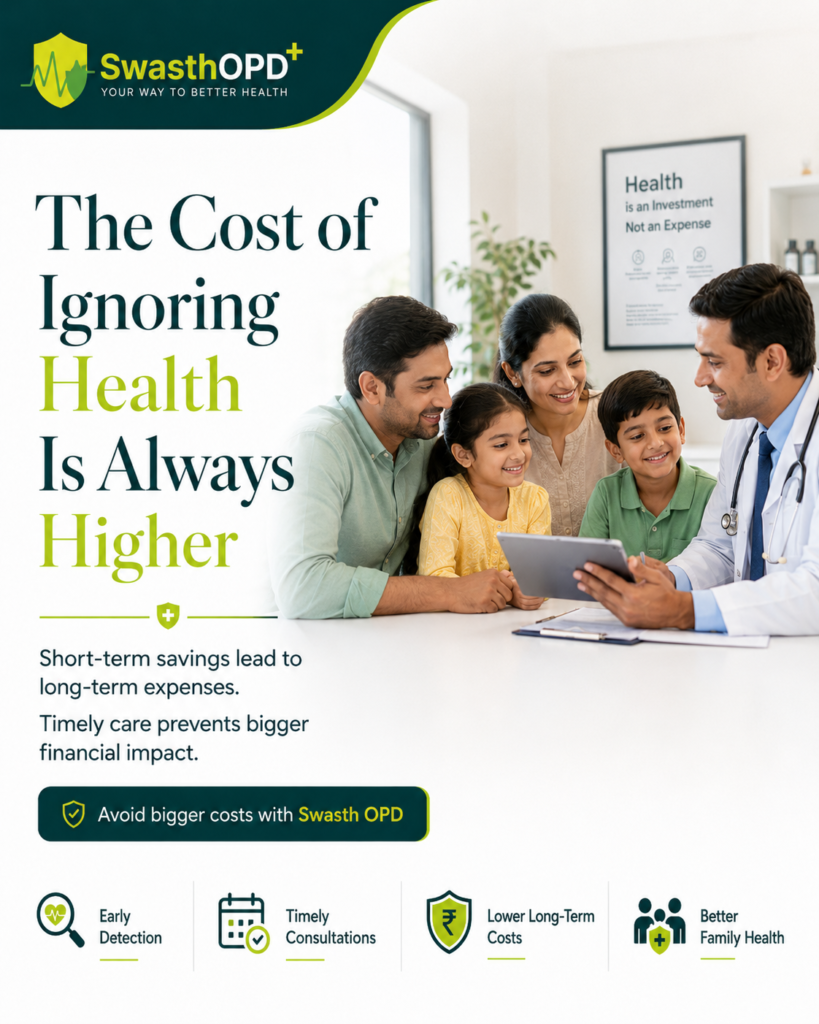
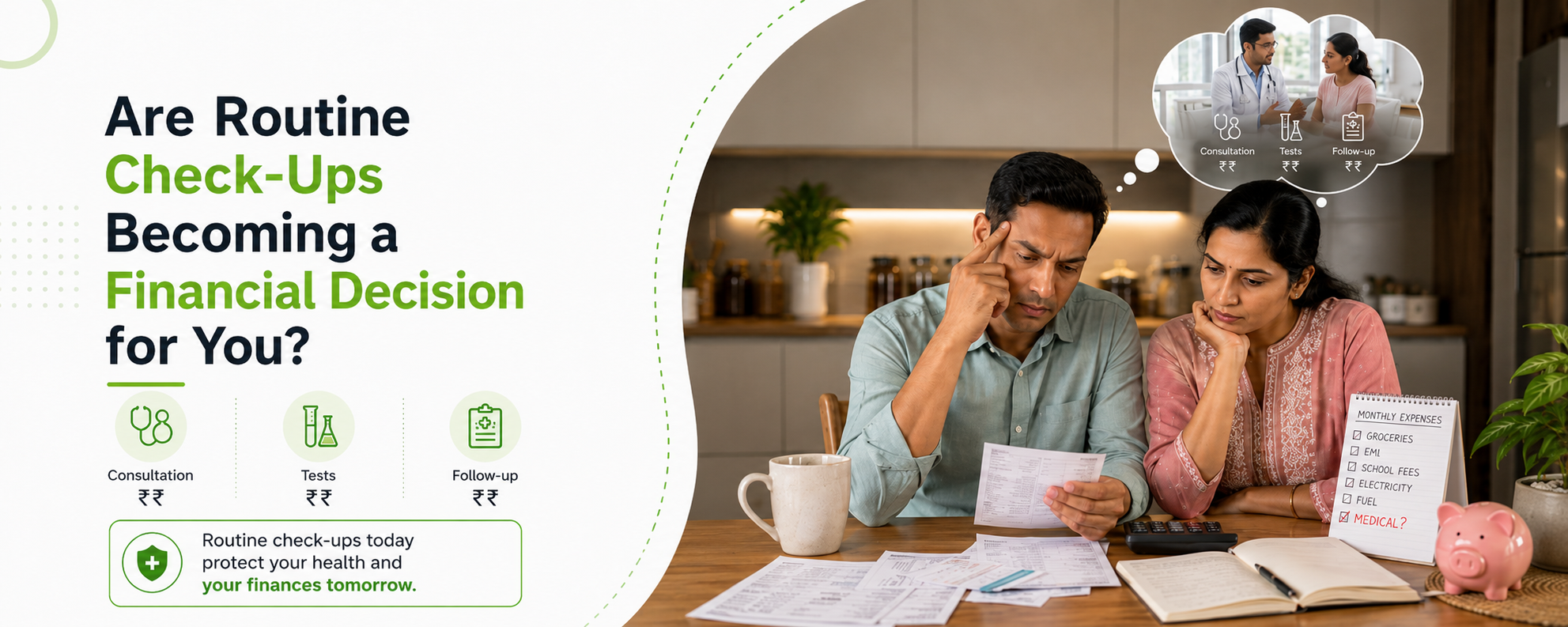
Many of us put off seeing a doctor. The cough that won’t quite go away, the persistent acidity, the nagging back pain—we tell ourselves it’ll sort itself out. Often, the real reason is money. A consultation fee feels like an unnecessary expense when there are bills to pay and a family to feed.
But here’s the catch: skipping care rarely saves money. It just delays the bill—and usually makes it bigger.
This blog breaks down why so many Indians delay healthcare, how that decision quietly inflates costs, and how preventive healthcare, timely doctor consultations, and OPD care can ease both the medical and financial pressure. Whether you’re a working parent, a busy professional, or an HR manager looking after a team, understanding this trade-off can save you a lot of stress and money.
Why Do People Delay Healthcare?
Most people don’t ignore their health on purpose. Life simply gets in the way, and a few common beliefs hold us back from acting early.
- Fear of consultation costs: The first thought is often, “Doctor ke paas jaaunga toh test pe test likhega.” So we wait, hoping the problem fades.
- Busy schedules: Between work deadlines, household duties, and school runs, booking a clinic visit slips down the priority list.
- The “abhi toh problem chhoti hai” mindset: When symptoms feel minor, we assume they’re not worth a doctor’s time.
- Lack of awareness: Many don’t realize that small signs—frequent fatigue, slow weight gain, or rising sugar levels—can point to something serious.
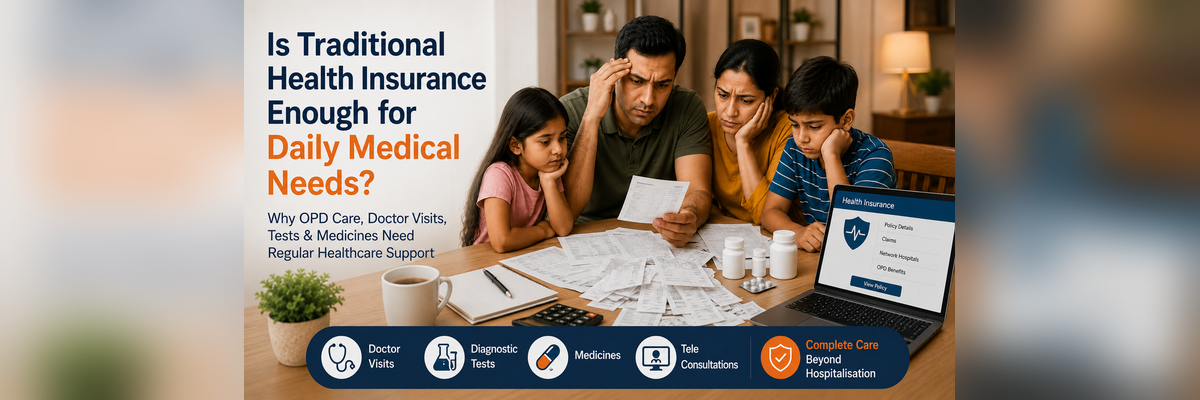
- Treating insurance as emergency-only: A lot of families think health insurance is just for hospital stays. Everyday care like consultations and tests gets paid out of pocket, so they avoid it.
These reasons are understandable. The problem is that they all share the same outcome: care gets pushed back until the situation forces our hand.
How Does Ignoring Health Increase Costs?
A small health concern caught early is usually simple and cheap to treat. The same concern caught late can become complicated and expensive. Here’s how delayed care quietly adds up.
More diagnostic tests
When you visit a doctor early, a single consultation and one or two basic tests often do the job. Wait too long, and the doctor needs a fuller picture—blood work, scans, and specialist reviews. Each test adds to the bill.
Longer, costlier treatment
A mild infection might need a short course of medicine. The same infection left alone can spread, demanding stronger drugs, more visits, and weeks of recovery. Untreated high blood sugar, for example, can lead to complications affecting the eyes, kidneys, and heart—each one a far heavier expense than a routine check would have been.
Higher medicine and specialist costs
Early-stage conditions are often managed by a general physician with affordable medication. Advanced cases push you toward specialists and premium drugs, both of which cost significantly more.
Possible hospitalization
This is where costs really climb. According to the National Health Accounts 2019-20 (National Health Systems Resource Centre), a large share of health spending in India still comes directly out of households’ pockets. A single avoidable hospital admission can wipe out months of savings.
Mental and financial stress
Money worries and health worries feed each other. A big, sudden medical bill can mean borrowing, dipping into savings, or cutting back elsewhere—all while you’re trying to recover. Prevention spares you that double burden.
Why Preventive Healthcare Matters
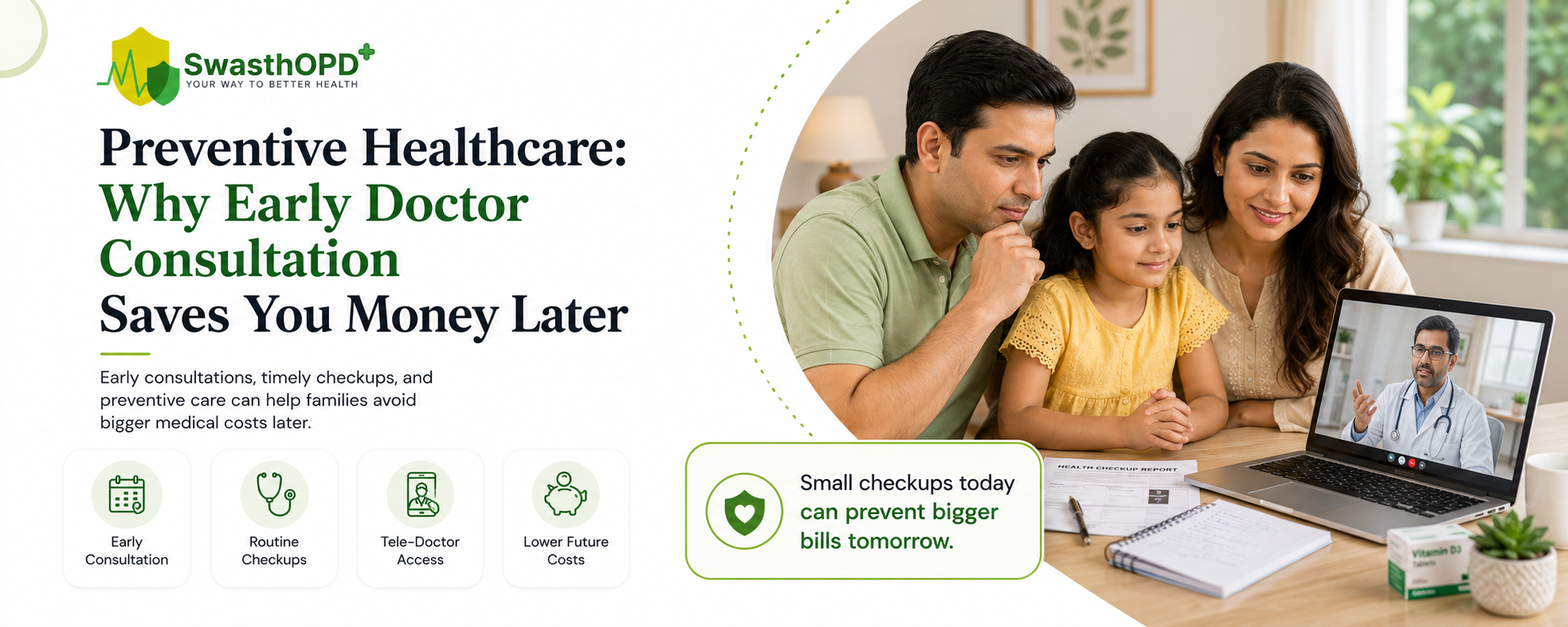
Preventive healthcare is the practice of staying ahead of illness rather than chasing it. It rests on three simple habits: regular check-ups, early consultations, and routine diagnostics.
The logic is straightforward. A yearly health check might flag rising cholesterol before it becomes a heart problem. A quick test can catch a thyroid imbalance before it disrupts your energy and weight. Diabetes, hypertension, and many other lifestyle conditions are far cheaper—and easier—to manage when caught early.
Think of it like servicing your two-wheeler. Skip the regular service to save a few hundred rupees, and you risk a major engine repair later. Your body works the same way. Small, consistent attention prevents big, costly breakdowns.
How Timely Doctor Consultation Can Save Money
A timely doctor consultation is one of the most underrated money-savers in healthcare. Speaking to a doctor when symptoms first appear gives you three advantages:
- Clarity: You learn whether the issue is minor or needs attention, so you stop guessing and worrying.
- Early action: Simple fixes—rest, diet changes, or a short medication course—often resolve problems before they grow.
- Avoided complications: Catching a condition early means you skip the expensive, drawn-out treatment that comes with a late diagnosis.
Consider a working professional with frequent headaches and blurred vision. A quick consultation might reveal high blood pressure—easily managed with lifestyle changes and low-cost medicine. Ignored for a year, the same condition could lead to far more serious and expensive outcomes. The consultation that felt like an expense was actually a saving.
What Role Does OPD Care Play in Everyday Healthcare?
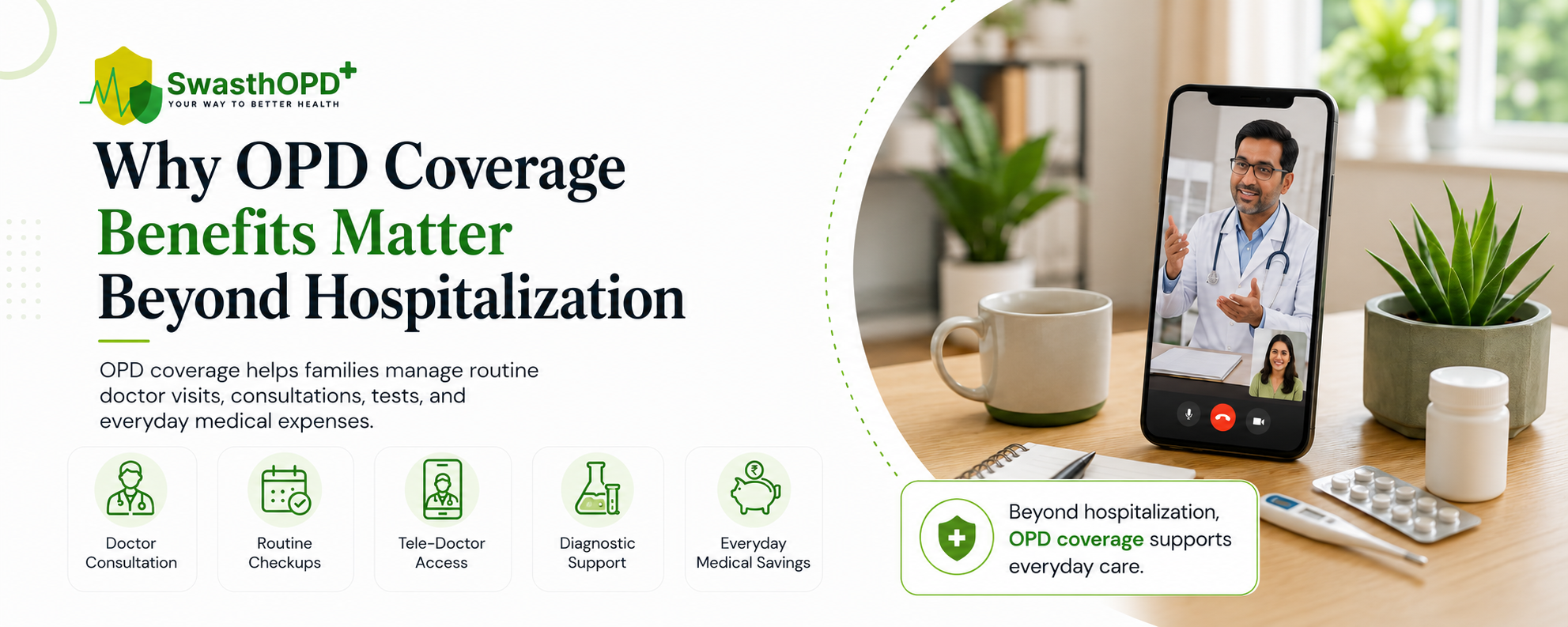
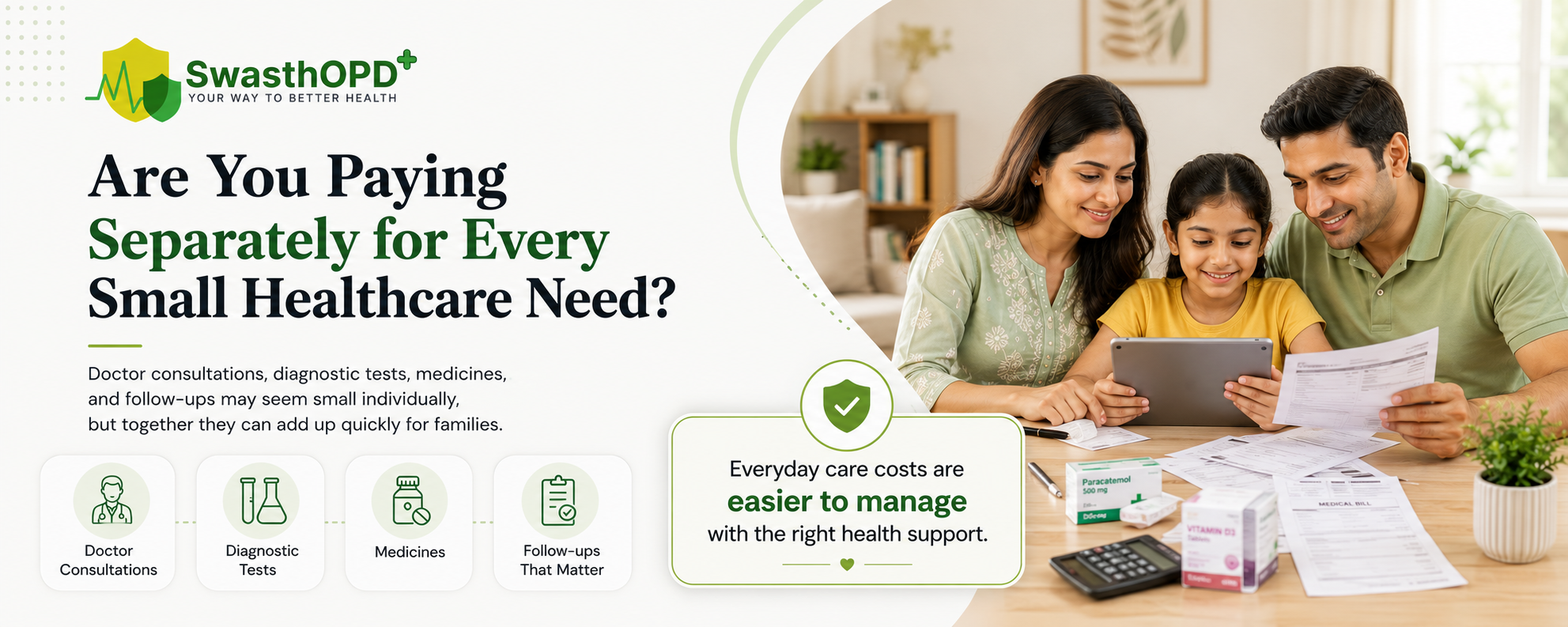
Outpatient department (OPD) care covers everything you need without being admitted to a hospital. It’s the backbone of day-to-day health management, and it’s where most of your healthcare actually happens.
OPD care typically includes:
- Doctor consultations for new symptoms or ongoing concerns
- Diagnostics such as blood tests, scans, and screenings
- Follow-ups to track recovery or manage chronic conditions
- Medicines prescribed during routine visits
- Preventive check-ups to catch issues before they grow
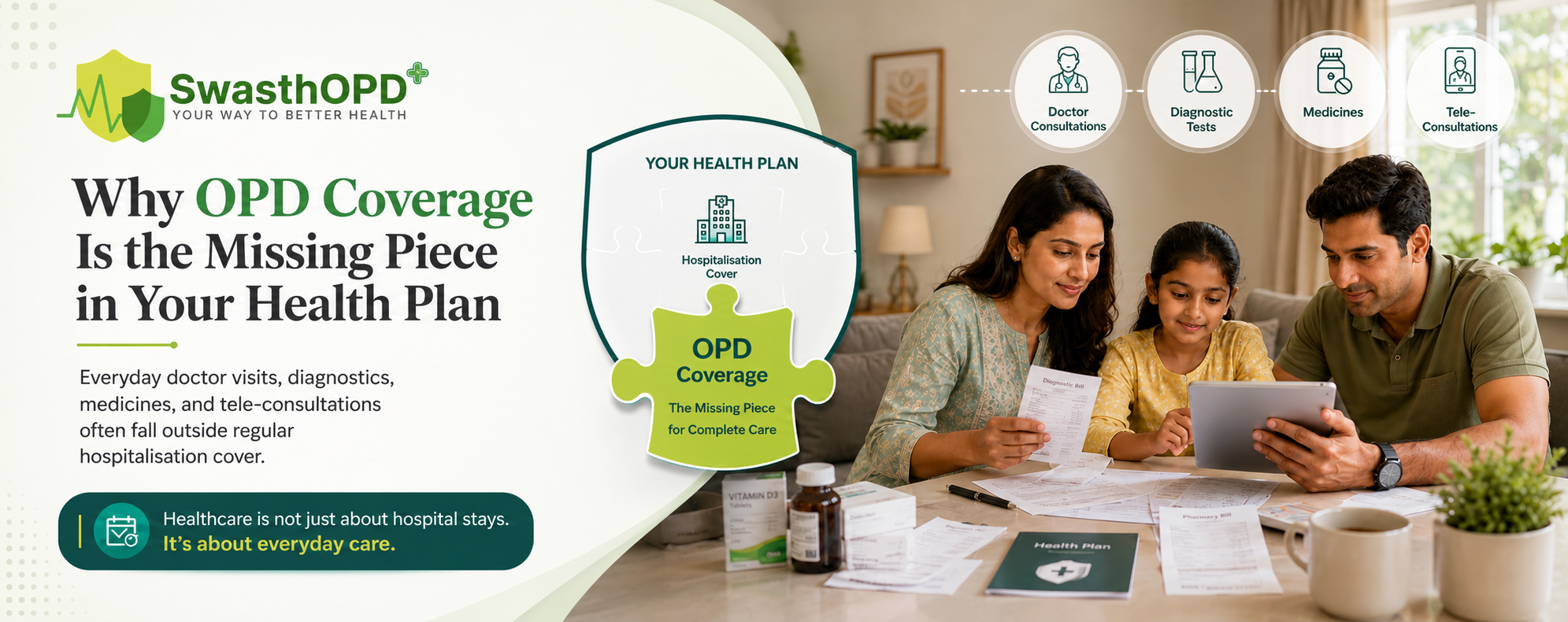
The trouble is that OPD costs are usually paid upfront and out of pocket, since traditional insurance focuses on hospitalization. That gap is exactly why so many people skip the everyday care that keeps them healthy. Strengthening OPD access is one of the most practical ways to make preventive healthcare a habit rather than an afterthought.
How Does Cashless OPD Reduce Financial Stress?
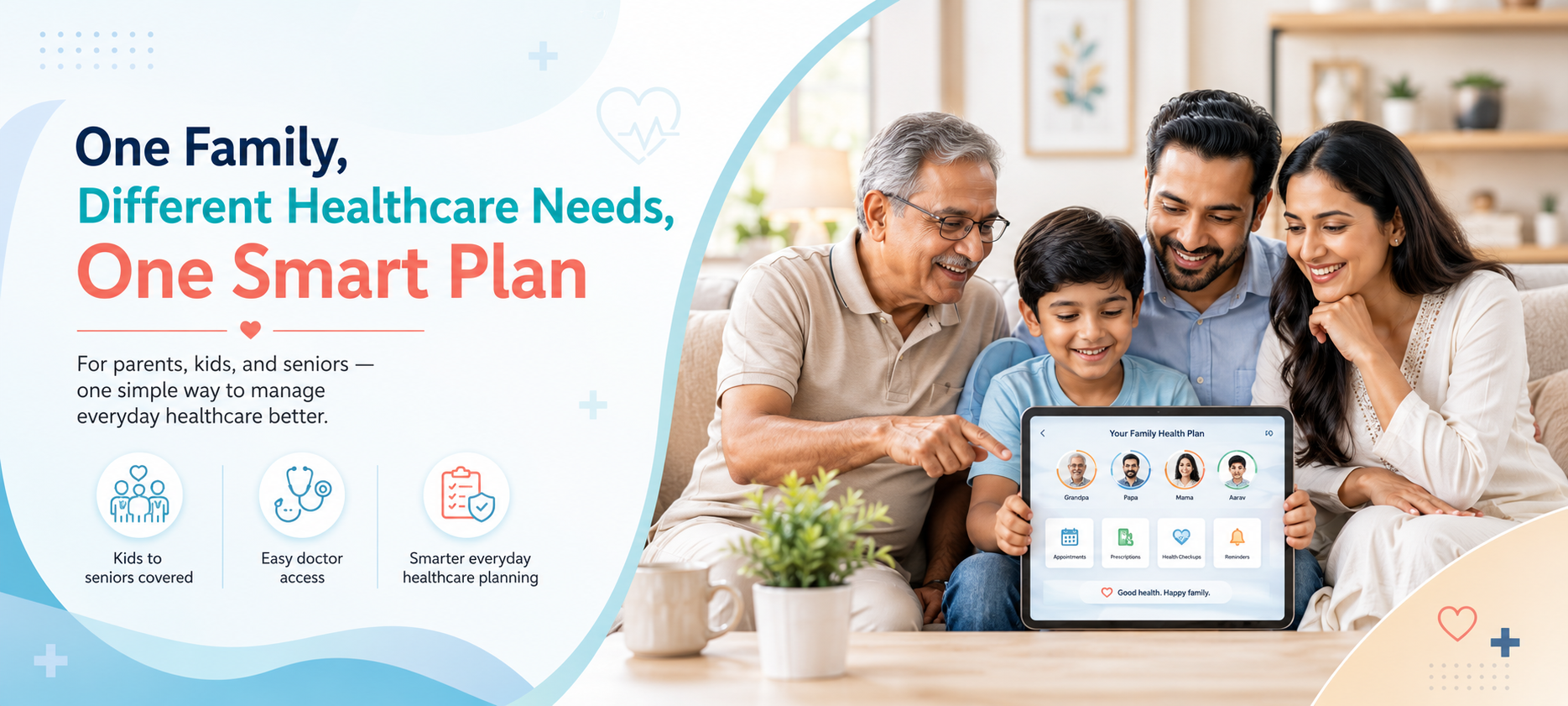
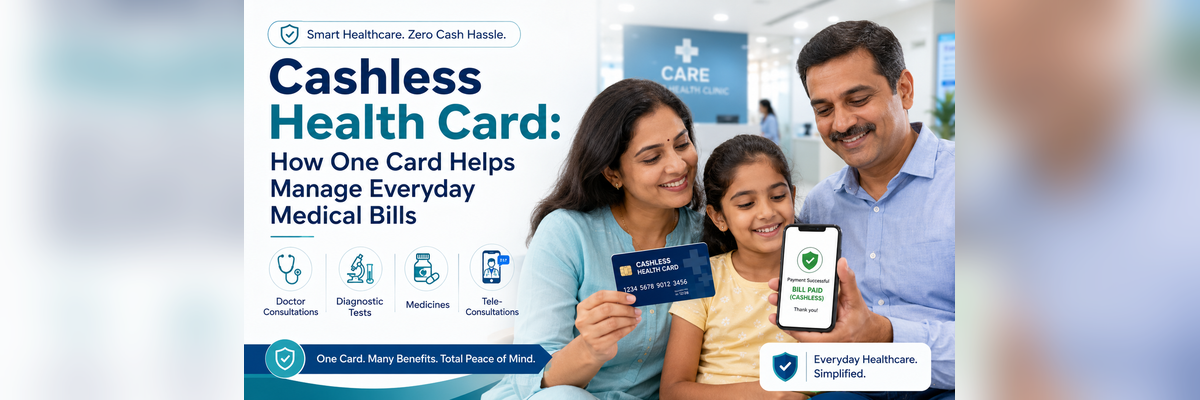
Cashless OPD support removes the biggest hurdle to routine care: the upfront payment. Instead of paying out of pocket for every consultation, test, or prescription, you access covered care without the immediate cash sting.
This matters more than it sounds. When money isn’t a barrier at the clinic door, people actually go. They book that consultation, complete that diagnostic test, and finish that follow-up—the very steps that catch problems early.
For families managing monthly budgets, cashless OPD turns healthcare from a stressful, unpredictable expense into a planned, manageable one. You get the care you need when you need it, without rearranging your finances every time someone falls ill.
Why Should Businesses Not Ignore Employee Health?
Employee health isn’t only a personal matter—it directly shapes how a business performs. When staff delay care, the effects ripple across the whole organization.
- Lower productivity: An employee struggling with an untreated condition can’t perform at their best.
- Higher absenteeism: Minor issues left untreated often become serious ones that force longer leave.
- Increased stress: Health worries, especially financial ones, weigh on focus and morale.
- Higher long-term costs: Reactive care for advanced conditions is more disruptive and expensive than preventive support.
This is why forward-thinking companies invest in preventive wellness and employee wellness solutions. Offering routine check-ups, easy consultations, and OPD support keeps teams healthier, more present, and more engaged. For HR managers and business owners, it’s a smart investment that pays back in productivity and loyalty.
How Swasth OPD Helps You Avoid Bigger Costs
Swasth OPD is built around a simple idea: make everyday healthcare affordable and easy, so you never have to delay care to save money. Rather than waiting for an emergency, you get structured support for the routine care that keeps small problems small.
Swasth OPD offers:
- Affordable OPD care for individuals and families
- Doctor consultations whenever symptoms appear, without the cost fear
- Diagnostic benefits so you complete the tests you need
- Cashless OPD support that removes upfront payment stress
- Structured healthcare plans designed for everyday needs, not just emergencies
- Wellness support to help you stay ahead of health issues
- Employee wellness solutions for organizations protecting their teams
By covering the everyday care most insurance ignores, Swasth OPD helps you act early—when treatment is simplest, fastest, and cheapest. That’s preventive healthcare made practical for real Indian families and workplaces.
The Smarter Way to Protect Your Health and Your Wallet
Ignoring your health may feel like saving money today. In reality, it usually just postpones a larger bill. Small concerns grow into bigger ones, simple treatments turn into complicated ones, and avoidable stress piles up along the way.
Preventive healthcare flips that equation. Routine check-ups, timely doctor consultations, accessible OPD care, and cashless OPD support are the smarter, safer, and more affordable path to staying well. Whether you’re caring for your family or your team, acting early always costs less than reacting late.
Avoid bigger healthcare costs with Swasth OPD. Choose timely care today.
Frequently Asked Questions
What is preventive healthcare?
Preventive healthcare is the practice of protecting your health before problems start or worsen. It includes routine check-ups, timely doctor consultations, vaccinations, and regular diagnostic tests. The goal is to catch health issues early, when they are easier and cheaper to treat.
How does delaying healthcare increase costs?
Delaying care lets small problems grow into bigger ones. A condition that needed one consultation and a basic test may later require multiple tests, specialist visits, stronger medicines, longer treatment, or even hospitalization. Each added step raises the total cost well beyond what early care would have been.
Can a timely doctor consultation really reduce medical expenses?
Yes. Seeing a doctor early often means a simple, low-cost fix—rest, a diet change, or a short course of medicine. It also helps you avoid the expensive complications that come with a late diagnosis, making early consultation one of the most cost-effective health decisions you can make.
How does OPD care help in daily healthcare?
OPD (outpatient department) care covers consultations, diagnostics, follow-ups, medicines, and preventive check-ups without hospital admission. It handles the bulk of everyday health needs, making it the most practical way to manage minor issues and chronic conditions before they escalate.
What are the benefits of cashless OPD?
Cashless OPD removes the need to pay upfront for routine care. This lowers financial stress, makes consultations and tests easier to access, and encourages people to seek care early instead of waiting. It turns unpredictable medical spending into a planned, manageable expense.
How does Swasth OPD help with preventive healthcare?
Swasth OPD provides affordable OPD care, doctor consultations, diagnostic benefits, cashless OPD support, structured healthcare plans, and employee wellness solutions. By making everyday care easy and affordable, it helps individuals, families, and businesses act early and avoid bigger healthcare costs.