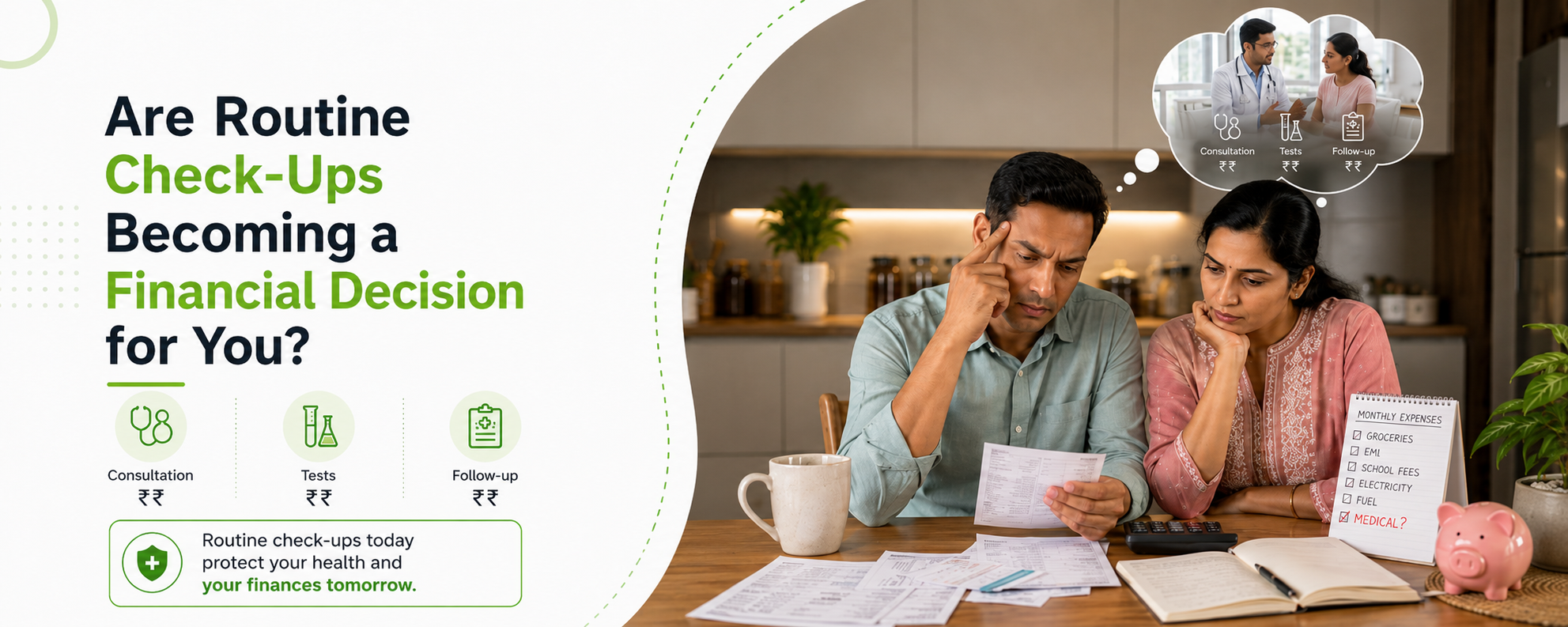
Ever noticed how a small health worry can sit in the back of your mind for days before you actually call a doctor? Not because it isn’t important — but because you’re mentally weighing the consultation fee, the travel time, and whether it’s “serious enough” to justify the visit. This is where affordable doctor access quietly changes how families make health decisions.
When seeing a doctor doesn’t feel like a financial decision first and a health decision second, people act faster. That single shift — from hesitation to action — is often the difference between catching something early and letting it turn into a bigger problem.
Why People Delay Doctor Visits in the First Place
It’s rarely about not caring. Most delays come down to practical friction:
- Consultation fees that feel like an extra, unplanned expense
- Long waits at clinics that eat into a workday
- Confusion over which doctor to see for a mild symptom
- The habit of “let’s wait and see if it goes away”
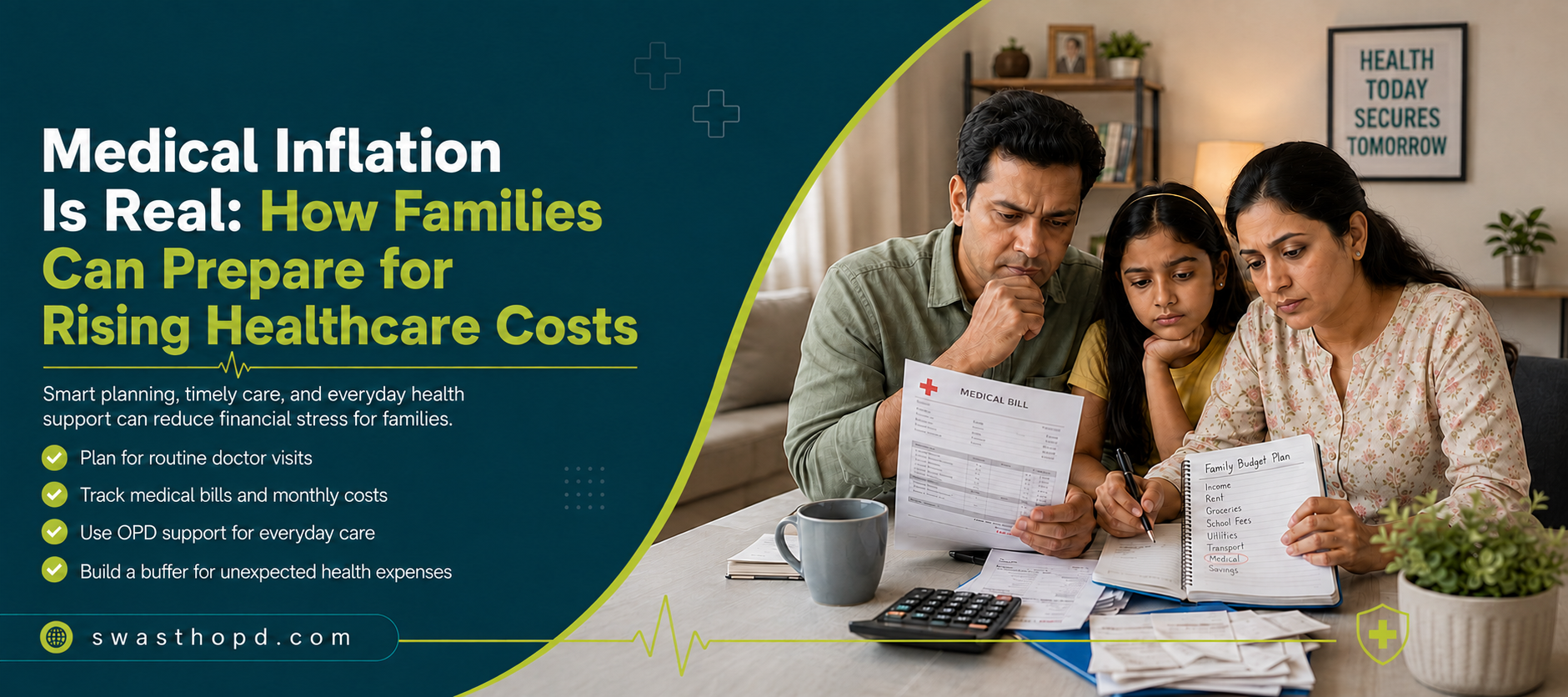
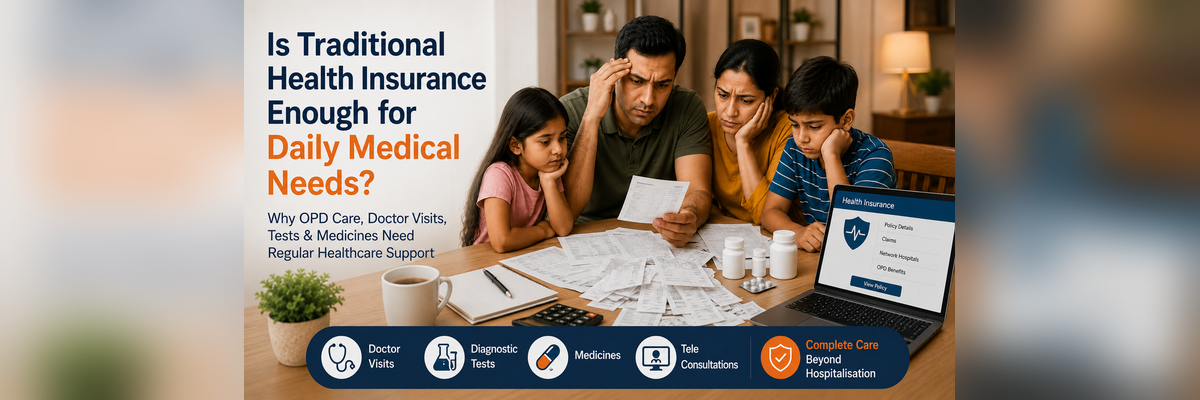
Add these up over a year, and a family might skip five or six visits that could have been useful early check-ins. Over time, that pattern turns into bigger bills and more complicated treatment. If you’ve ever wondered why families wait too long before acting on health issues, it usually comes down to exactly this kind of friction, not a lack of concern.
What Affordable Doctor Access Actually Looks Like
It’s not just about lower fees — it’s about removing the multiple small barriers between “I feel off” and “I’ve spoken to a doctor.” In practice, this means:
- Predictable or reduced consultation costs, so the fee isn’t a mental blocker
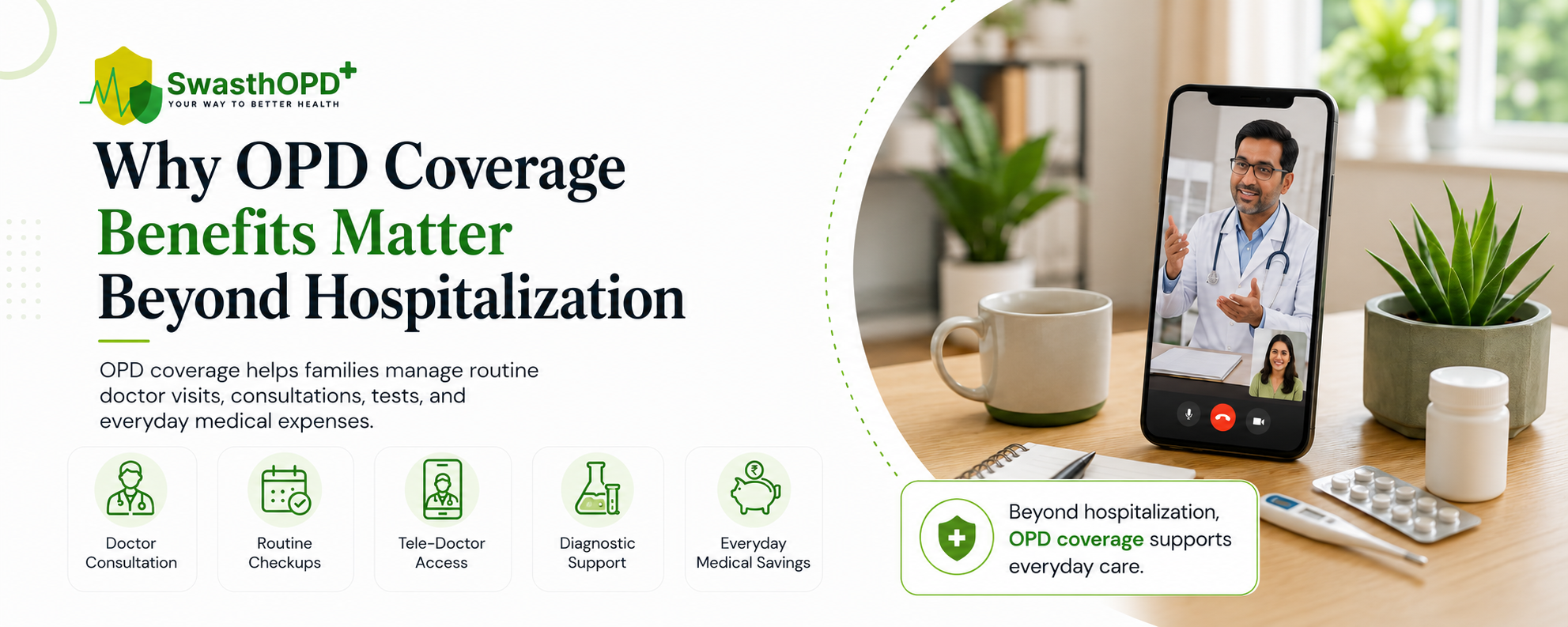
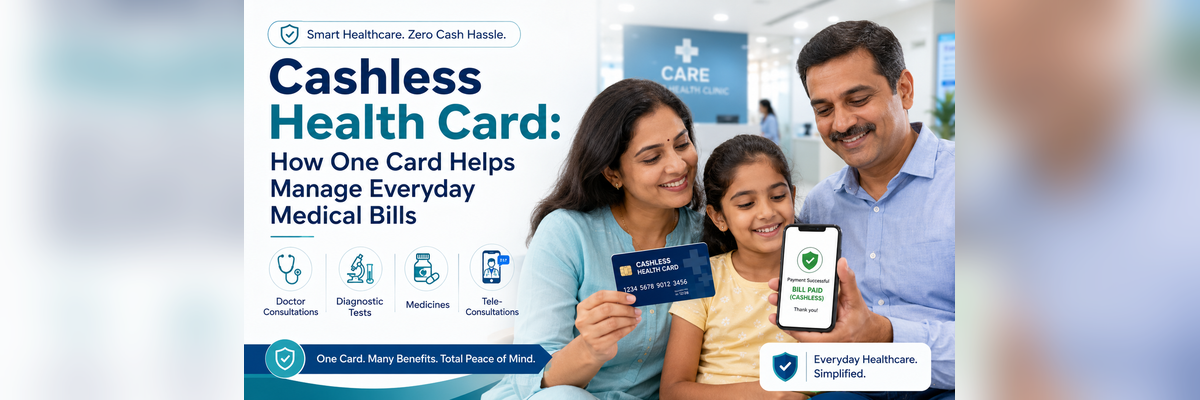
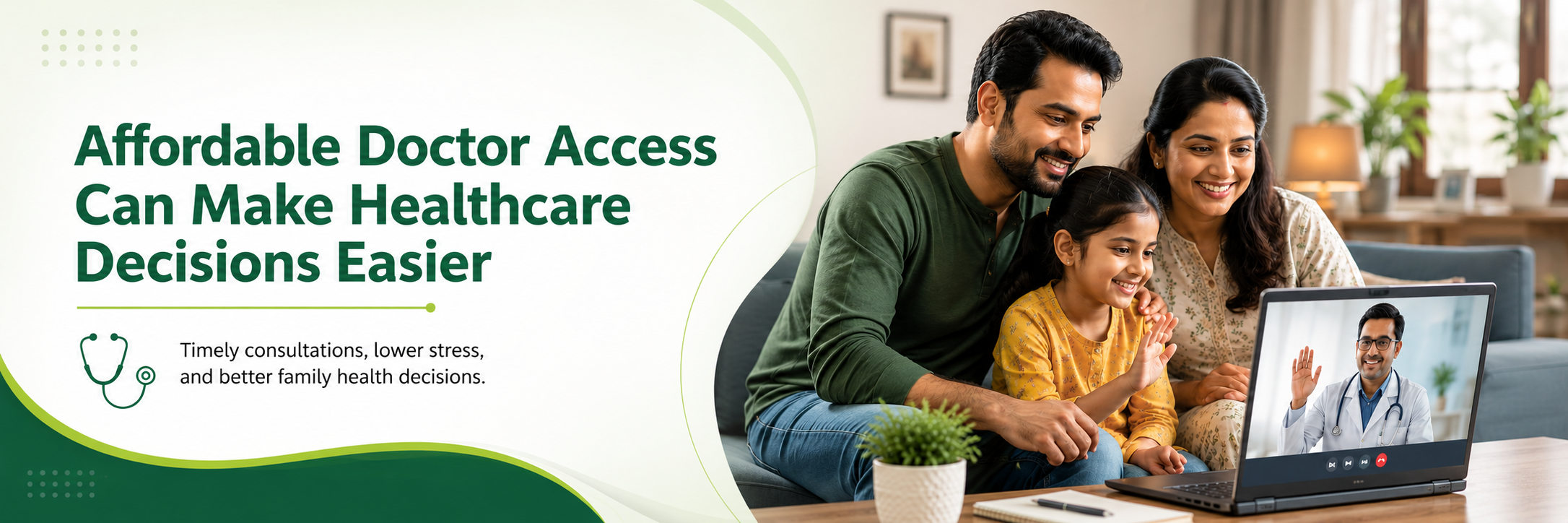
- Tele-consultation options for quick queries that don’t need an in-person visit
- A trusted network of doctors, so you’re not guessing which clinic to try
- Faster appointment access, especially for common, non-emergency concerns
When these pieces come together, doctor visits stop feeling like a special event and start feeling like a normal part of managing your health — the way check-ins should be.

The Ripple Effect on Family Health Decisions
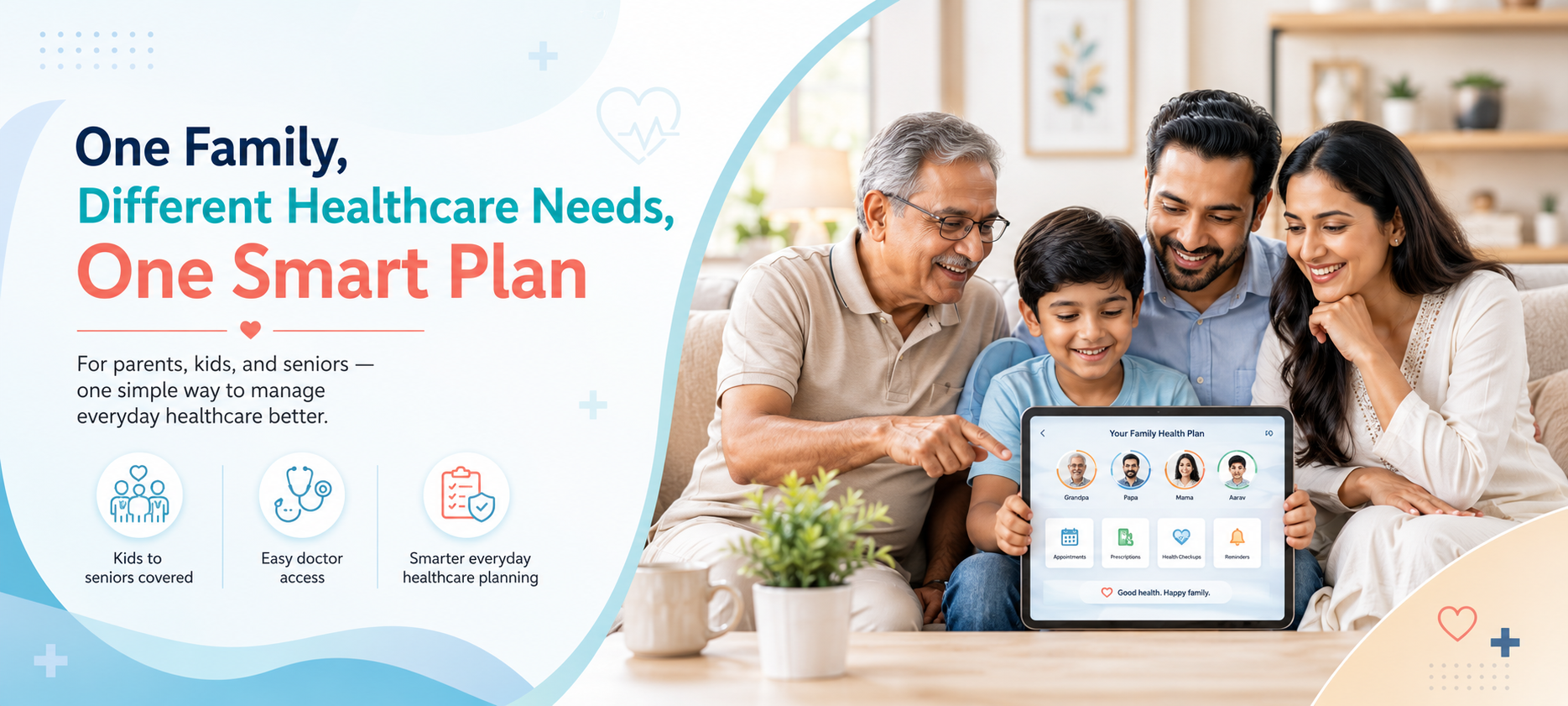
Here’s something worth sitting with: the parent who decides whether “we need to see a doctor” is usually managing this decision for the whole household — kids, in-laws, sometimes even a live-in help. When cost and access are smoother, that person says yes more often, and everyone benefits.
This becomes especially visible with:
- Children, who need quick attention for fevers, infections, or vaccination follow-ups
- Elderly parents, who often need frequent, low-key consultations rather than major interventions
- Working adults, who tend to ignore their own symptoms the longest
Thinking about healthcare at a household level, rather than person-by-person, is a habit worth building. This piece on family health planning goes deeper into structuring care decisions across generations under one roof.
Tele-Consultations: An Underused Shortcut
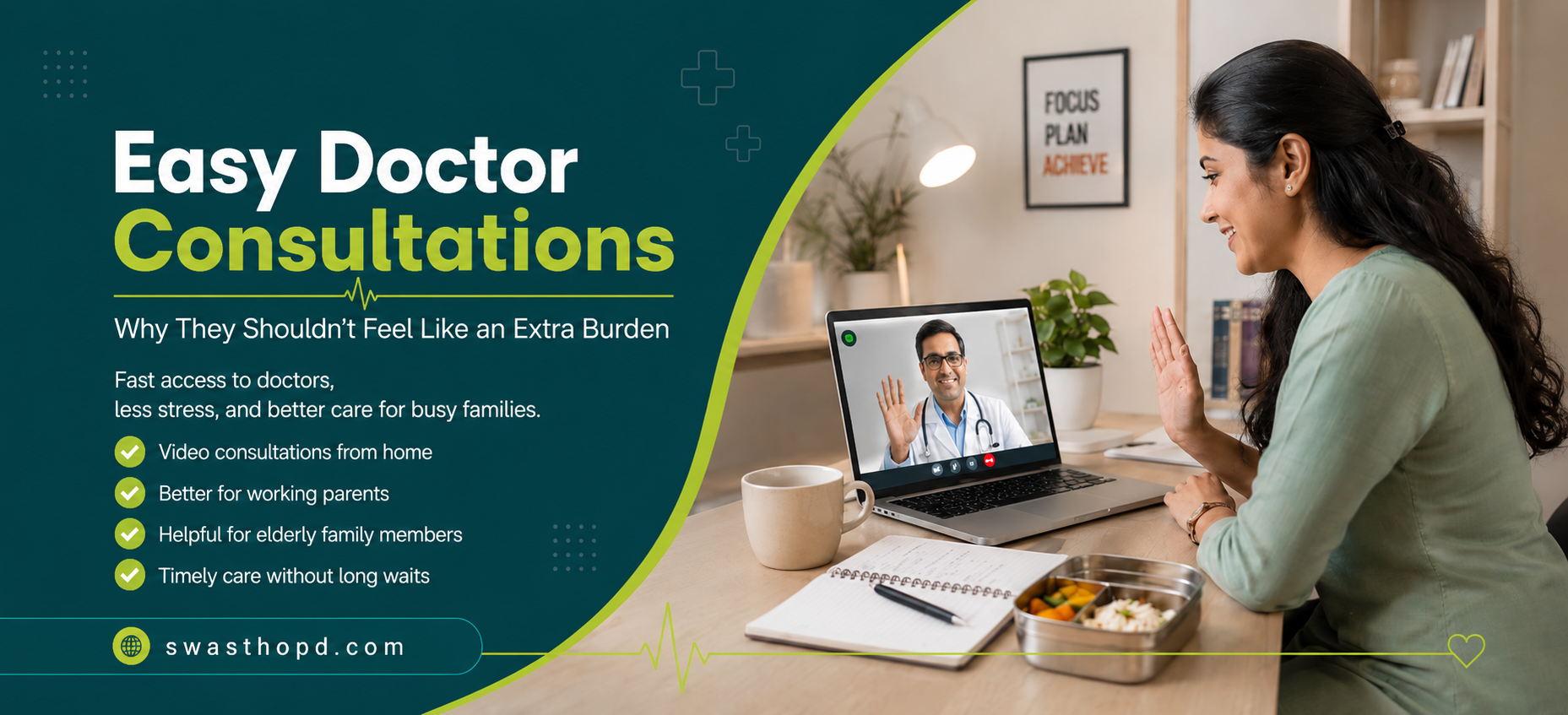
A lot of people still think a doctor visit means physically going somewhere and waiting. But for a large share of everyday concerns — a rash, mild fever, medication query, a follow-up after a test — a video or phone consultation does the job just as well, in a fraction of the time.
This matters most for working professionals and small-town families who don’t always have a specialist nearby. It also quietly reduces the number of unnecessary in-person visits, saving time for everyone, including the doctor.
Preventive Habits Get Easier With Fewer Barriers
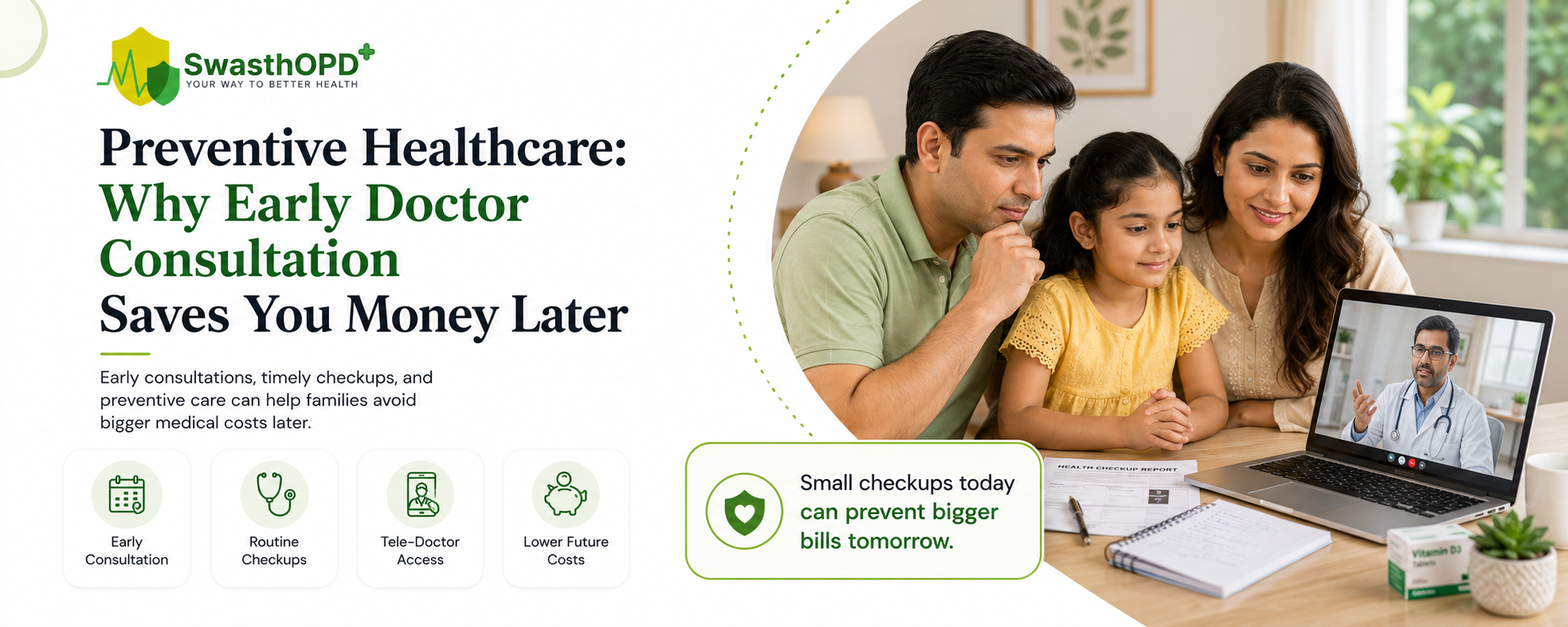
When doctor access isn’t a hurdle, people are also more likely to follow through on preventive steps — a yearly full body checkup, a follow-up test the doctor recommended, or a second opinion for a nagging symptom. None of these happen consistently if every step feels like a fresh financial decision.
How SwasthOPD Can Help
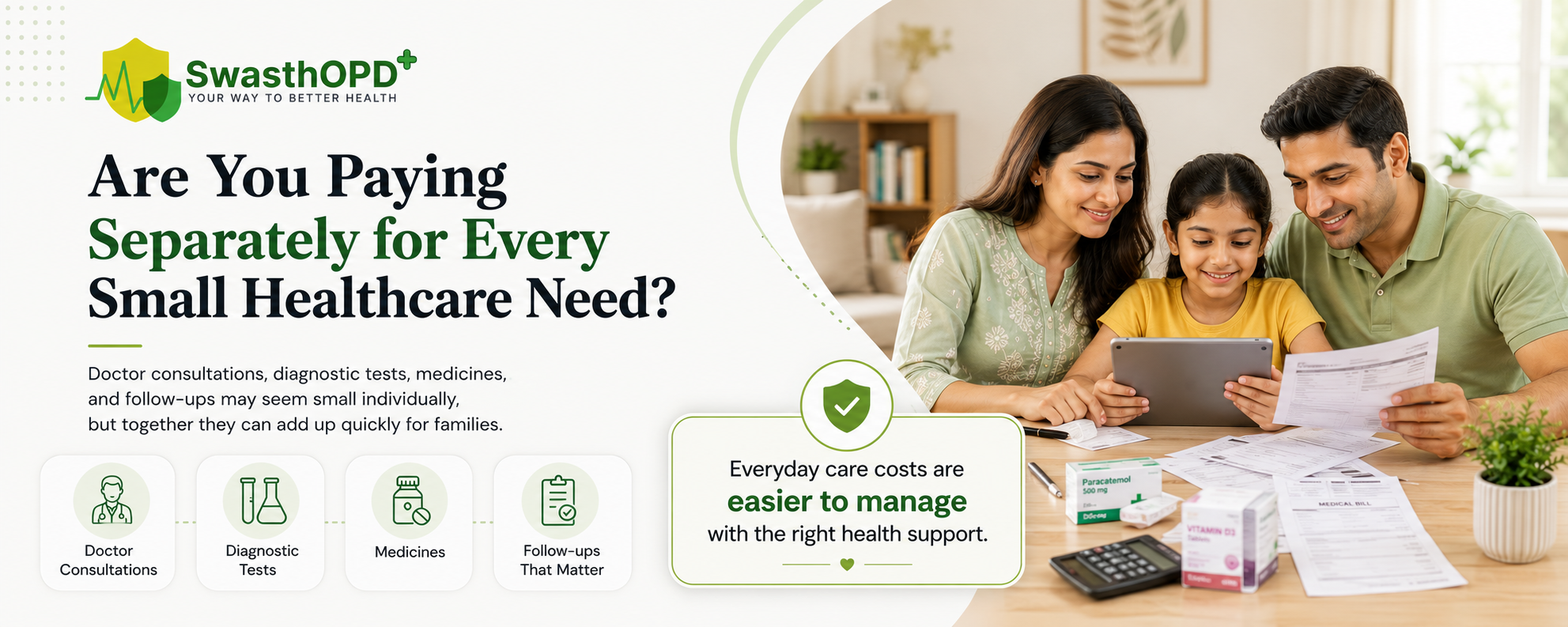
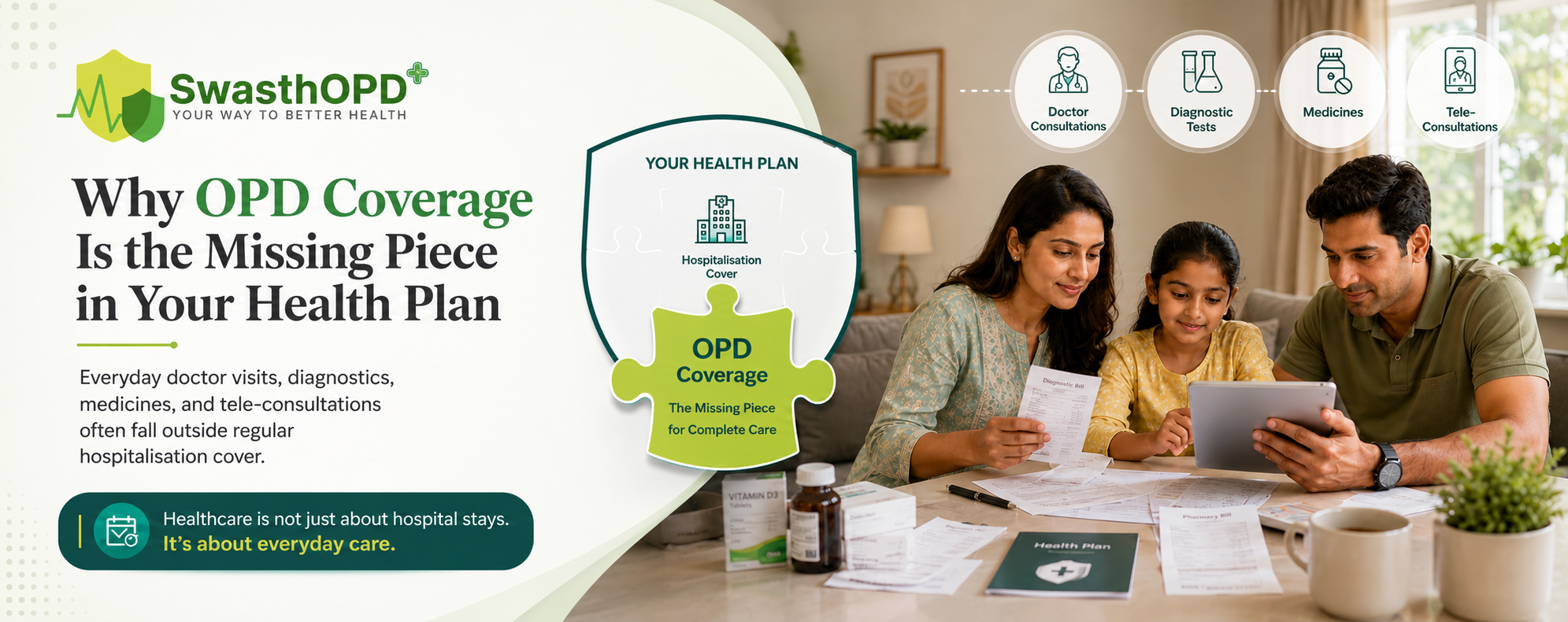
SwasthOPD is built around exactly this idea — making affordable doctor access a default, not a decision families have to think twice about. With SwasthOPD’s OPD plans, consultations, tele-doctor access, and diagnostics come without the usual cost hesitation, so families can act on health concerns when they first notice them, not weeks later.
If reducing that everyday friction sounds useful for your household, it’s worth exploring SwasthOPD’s health plans and seeing how they fit into your family’s routine.