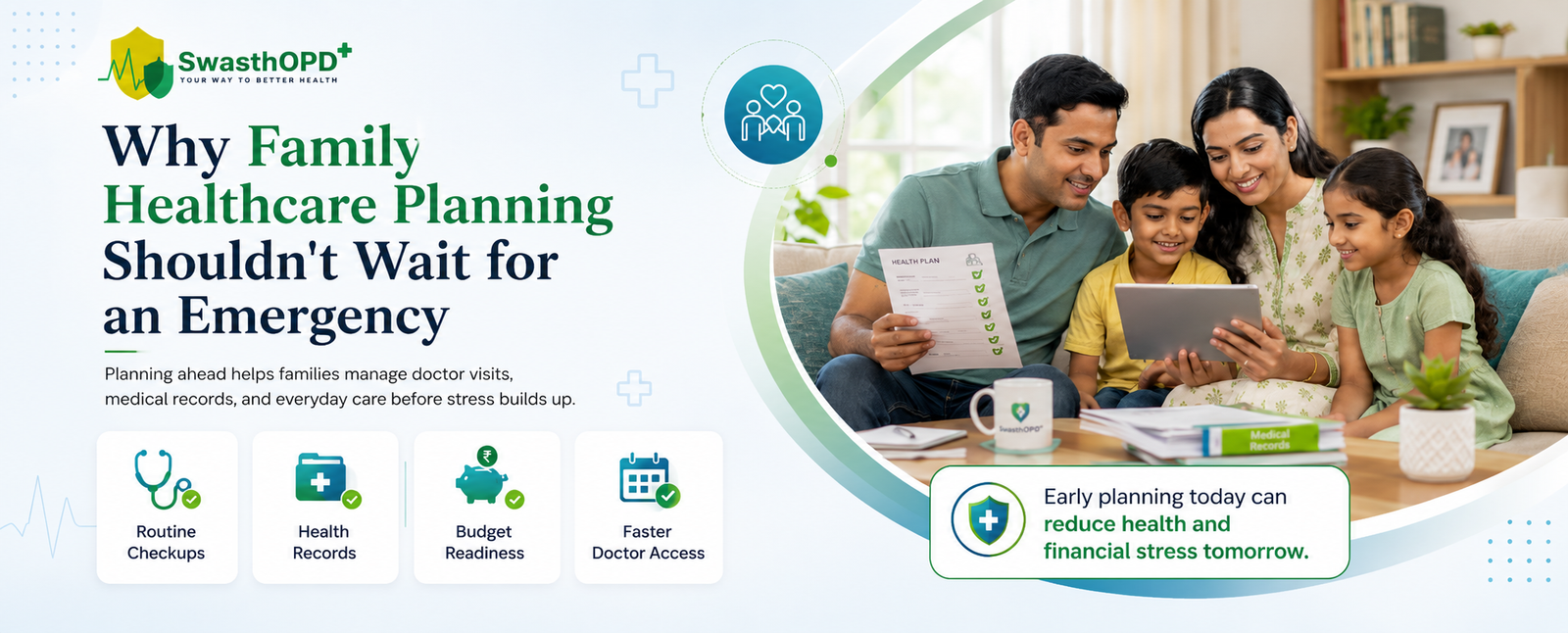
Nobody plans to end up in an emergency room at 2 a.m. But it happens to almost every family eventually. A child spikes a sudden fever. A parent has chest pain. An accident sends everyone into a panic. In that moment, families scramble to find a doctor, arrange money, and figure out where to go, all at once. Family healthcare planning prevents that scramble. It means lining up doctors, diagnostics, and a financial cushion before you need them. That way, a crisis doesn’t turn into chaos. Whether that night stays manageable or turns stressful often depends on the groundwork you did earlier.
Why Emergencies Are the Worst Time to Start Planning
An emergency is the single worst time to make decisions about healthcare. You’re stressed, time is short, and you often end up choosing whichever hospital or doctor is nearest. That’s rarely the best choice for your situation. Costs spike too. Last-minute treatments, unfamiliar hospitals, and rushed diagnostics almost always cost more than the same care booked calmly in advance.
This is exactly why waiting for a crisis to “figure healthcare out” backfires. It puts families at a disadvantage from the very first minute. Preparation, not panic, actually protects you. That’s the whole point of family healthcare planning done well before you need it.
What Happens When Families Wait
Families who put off healthcare planning usually don’t notice the cost until something goes wrong. Without a clear family healthcare planning routine, a few patterns show up again and again:
- Small symptoms turn serious and expensive because nobody caught them early
- Families lose track of past prescriptions and test results a new doctor needs
- A surprise hospital bill eats into money meant for other goals
- Elderly parents or young kids never get a regular doctor who actually knows them
None of this happens on purpose. It’s simply what happens when a family treats healthcare as a “deal with it later” item. Healthcare works better as an ongoing part of life, not an afterthought. Our post on stop waiting for a health emergency to take action looks at exactly this pattern. It shows how easily families fall into it.
Common Excuses That Delay Healthcare Planning
Most families aren’t ignoring their health on purpose. A few reasons keep coming up:
- “We’re all healthy right now, so there’s no rush”
- Healthcare planning feels complicated or time-consuming to set up
- Monthly budgets already feel tight, so it gets pushed down the list
- Nobody in the family has taken charge of organizing it
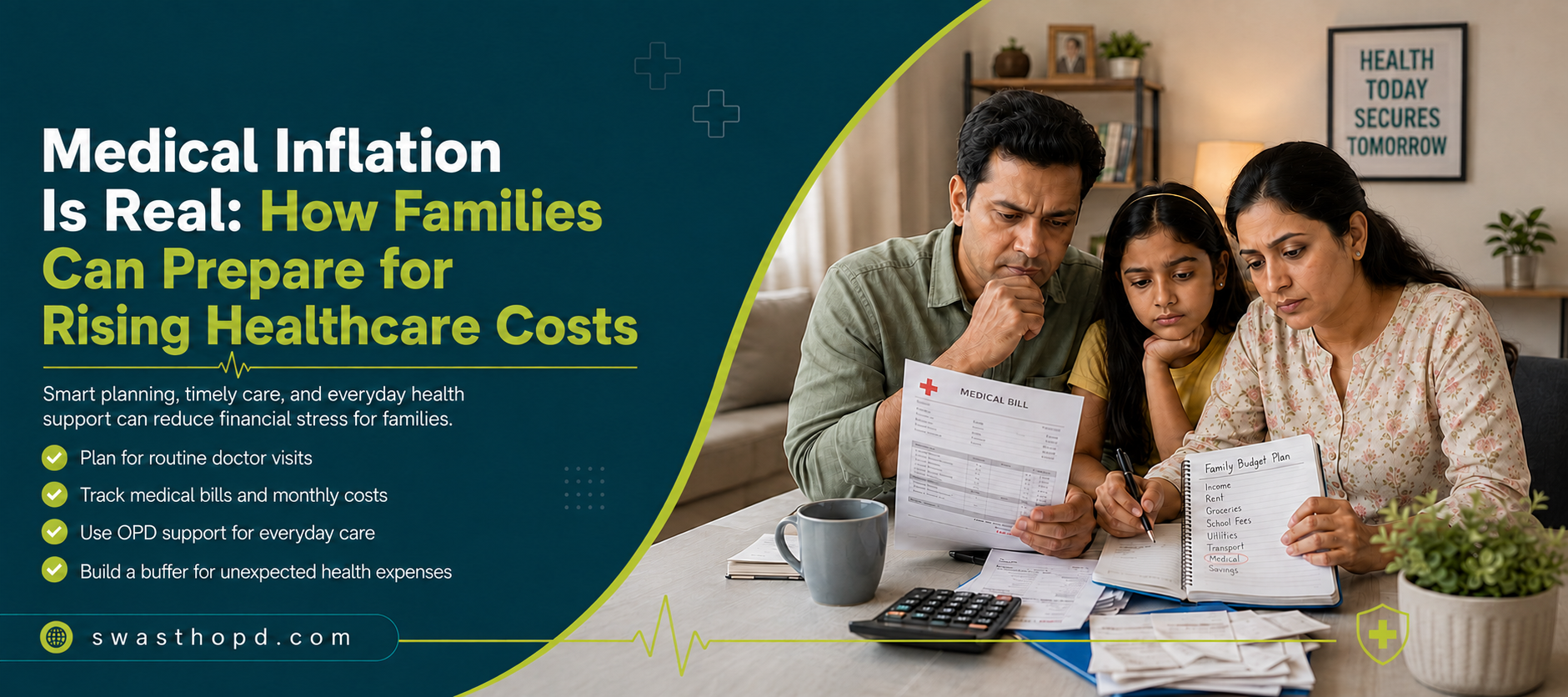
Here’s the irony: family healthcare planning actually eases pressure on a tight budget over time. Routine visits and preventive checks cost far less than emergency treatment. Delaying family healthcare planning almost always costs more later, not less. Our guide on healthcare cost management breaks down how planning ahead protects your monthly finances instead of straining them.

How to Start Planning Before You Need It
Getting started with family healthcare planning doesn’t require a complicated system. A few practical steps make a real difference:
- Choose a regular doctor or clinic the whole family can rely on, not just whoever is nearest during a crisis
- Keep a simple, shared file of prescriptions, allergies, and past reports for every family member
- Schedule a full body checkup once a year, even if everyone feels fine
- Set aside a small, predictable amount each month for routine healthcare instead of treating every visit as a surprise expense
Once you build these habits, they run quietly in the background. You stop reacting to health problems and start staying ahead of them. That shift alone changes how a family experiences healthcare. Our post on family health planning explores this in more detail. It shows how to build these habits into a routine your whole household can stick to.
How SwasthOPD Can Help
This is where SwasthOPD makes the process easier. Instead of leaving things to chance, SwasthOPD gives families cashless OPD visits, tele-consultations, and diagnostic discounts. You can use them whenever you need them, instead of scrambling during a crisis. SwasthOPD builds the structure for you. Good family healthcare planning becomes simple, and you never have to start from zero in a difficult moment.
If your family hasn’t put a plan in place yet, there’s no better time than now. Family healthcare planning isn’t about expecting the worst. It’s about making sure the worst, if it happens, feels a lot less overwhelming. Explore SwasthOPD plans and see how much calmer healthcare feels when you handle it ahead of time. That’s a very different experience than scrambling during an emergency.