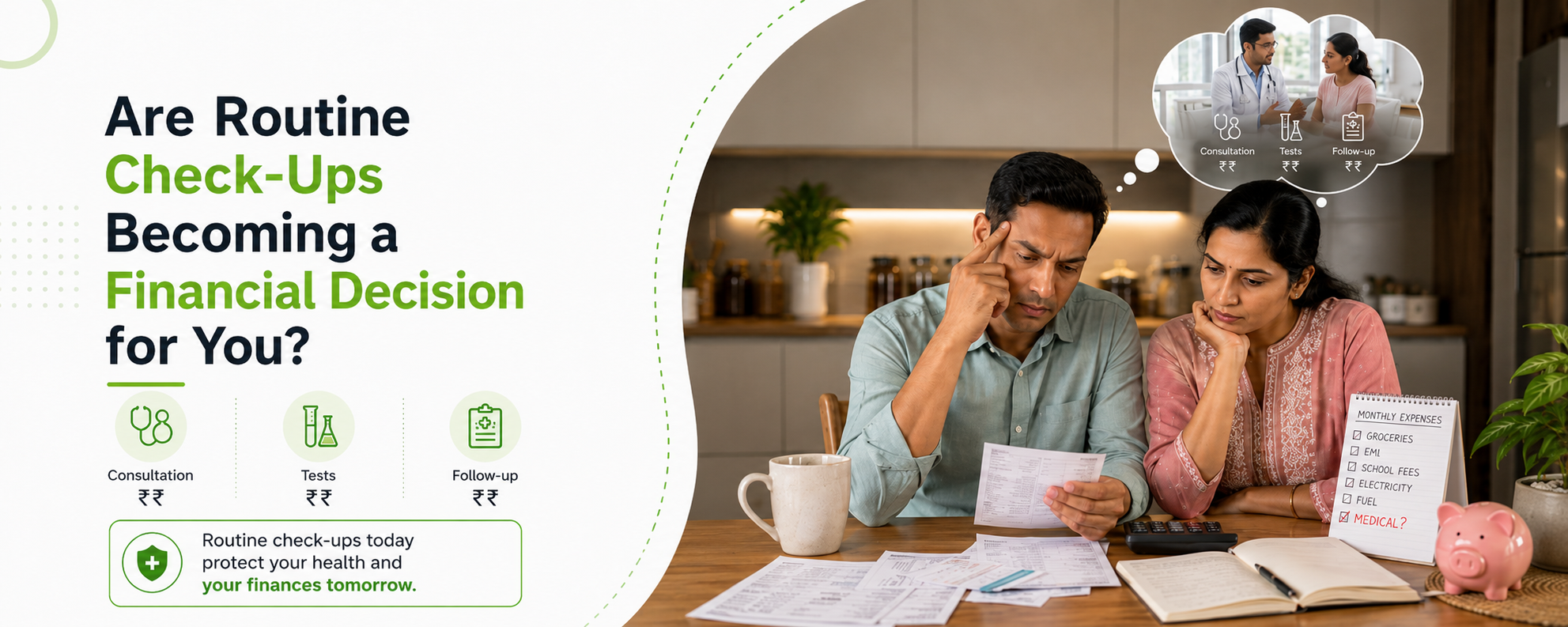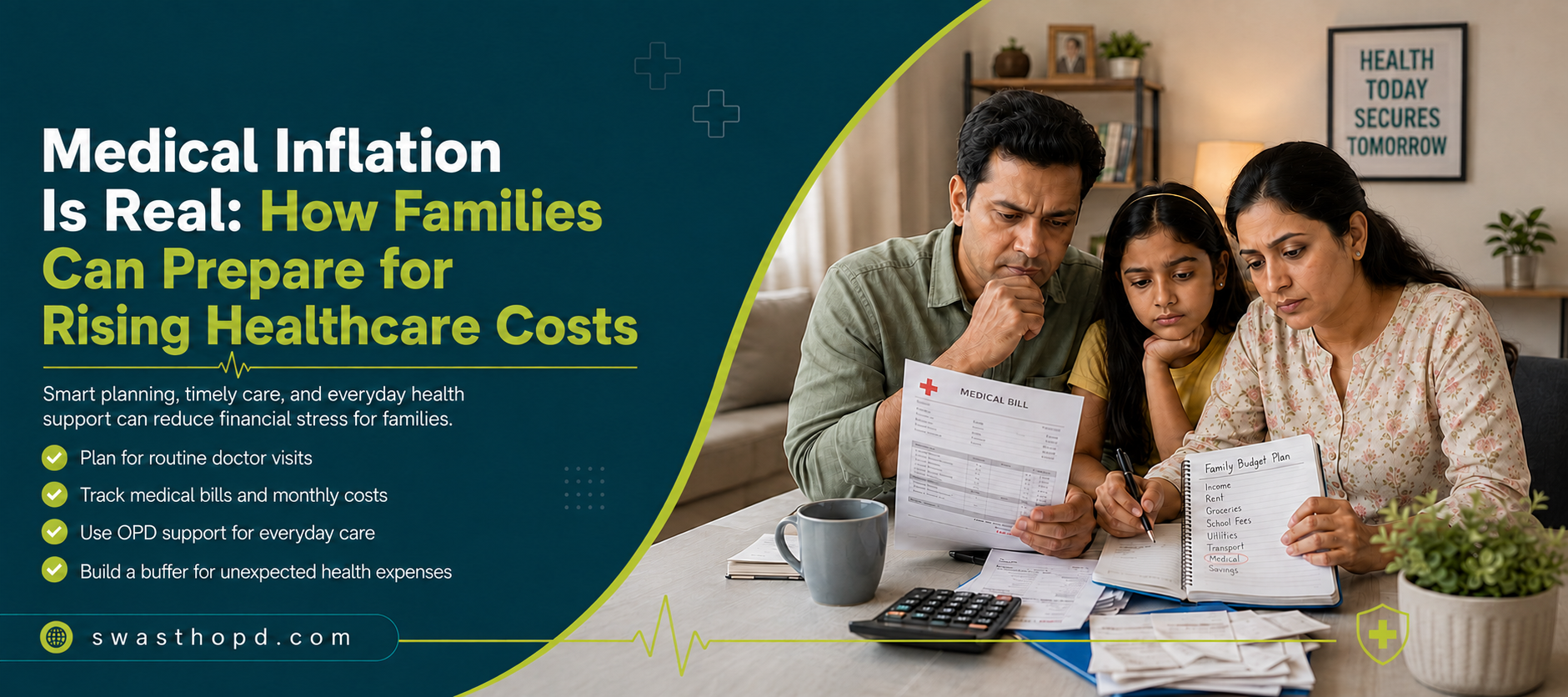
Every household budget has a line for groceries, school fees, and rent. But routine medical expenses rarely get the same attention, even though they show up almost every month. A child’s fever, a parent’s blood pressure check, a quick dental filling — these costs look small on their own, but they quietly chip away at savings meant for bigger goals like a child’s education. Most Indian families only start thinking about protection once a hospitalisation happens. The real, ongoing pressure usually comes from something else entirely.
The Silent Budget Drain Nobody Talks About
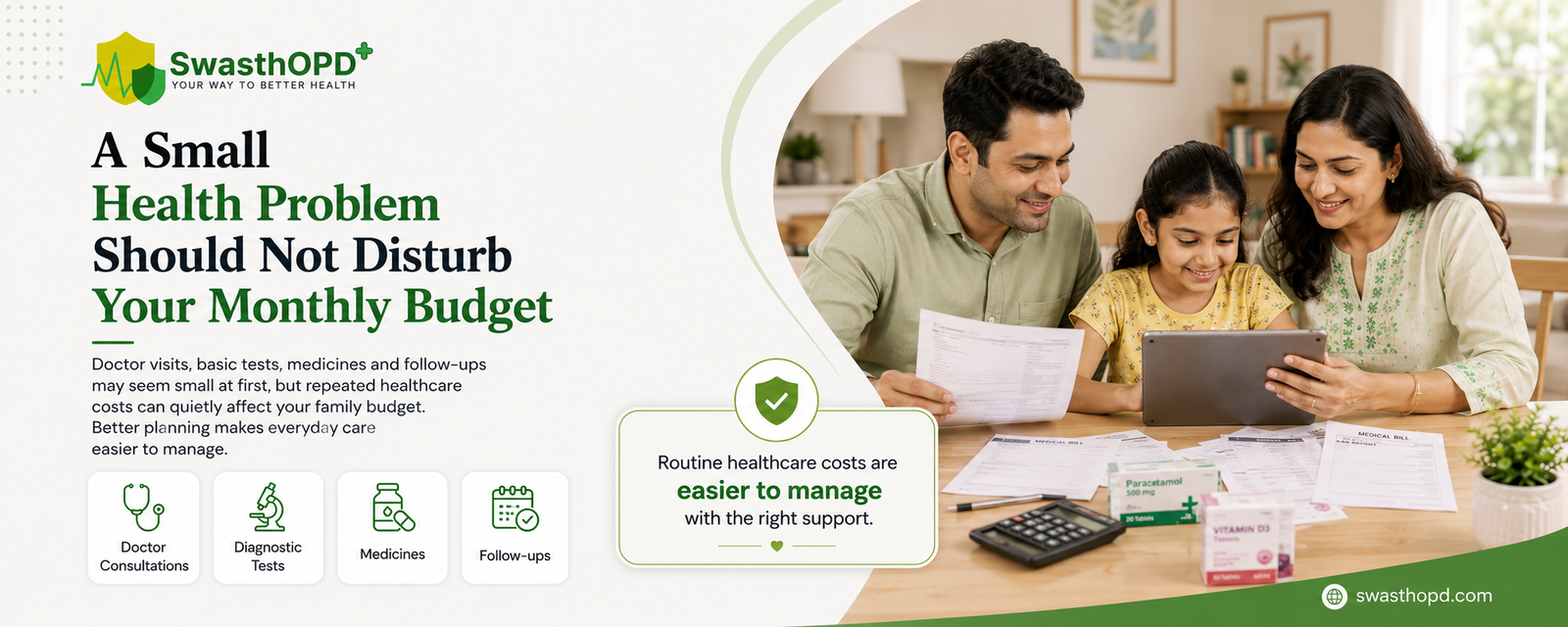
Big hospital bills are rare. Doctor visits, blood tests, and prescription refills are not. A family of four might visit a clinic six to eight times a year for viral fevers, seasonal infections, or a child’s ear infection. Each visit costs anywhere from 500 to 1,500 rupees once you add the consultation, the tests the doctor recommends, and the medicines from the pharmacy.
None of this feels dramatic in the moment. That’s exactly the problem. A one-time expense is easy to plan for. A recurring one that shows up unpredictably is much harder to budget around, and it rarely gets its own place in the household’s financial planning. By year’s end, parents are often surprised how much went toward small, forgettable clinic visits.
Why “Small” Medical Bills Add Up Fast
Add up a year of these visits and the number stops looking small:
- Regular paediatrician or GP visits for kids
- Diagnostic tests like blood sugar, thyroid, or vitamin panels
- Dental cleanings and minor treatments
- Eye checkups and glasses updates
- Skin, allergy, or seasonal flu consultations
For a family managing a monthly budget, these add up to a significant, silent expense that competes with savings, EMIs, and school fees. Parents often end up paying out of pocket for each one separately, without realising how much the yearly total actually is — and this is the real face of routine medical expenses, spread across a dozen small receipts instead of one big bill.
The Gap Between Insurance And Everyday Care
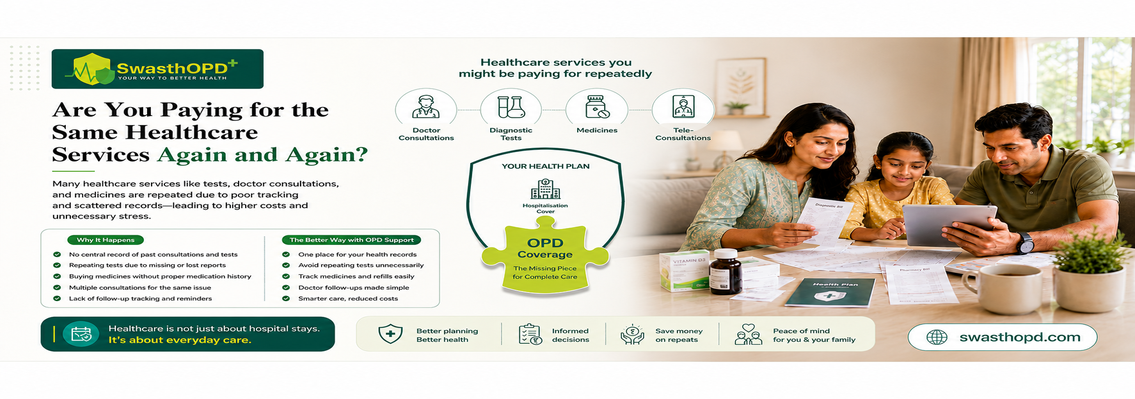
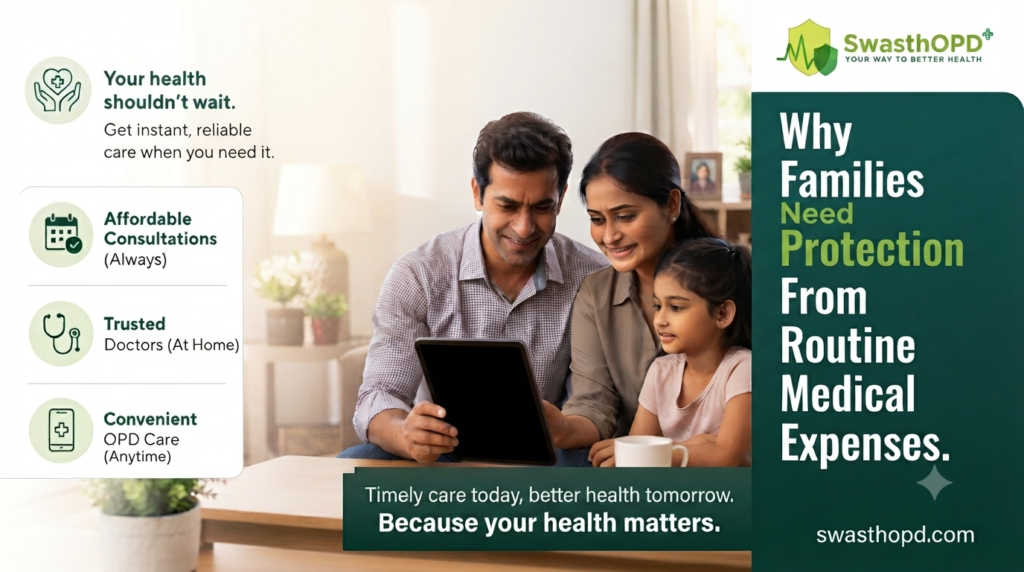
Most families believe their health insurance has them covered. It usually does — but only for hospitalisation. A health insurance with OPD benefit is still uncommon, which means everyday doctor visits, diagnostics, and dental work fall outside a standard policy. Standard health cover isn’t designed to handle routine medical expenses, and that’s the gap that catches families off guard, because they assume they’re protected until the bills start arriving.
Understanding cashless OPD benefits is a useful first step here, since these plans are built specifically to cover the routine care that hospitalisation insurance skips entirely.
Common Mistakes Families Make With Medical Spending
A few patterns show up again and again in Indian households:
- Skipping preventive checkups to save money, only to face bigger bills later
- Paying full price out of pocket for every clinic visit
- Not tracking how much is actually spent on healthcare each year
- Delaying diagnosis for minor symptoms until they become serious
These habits feel like they save money short-term. Over a year, they often cost more, both financially and in health outcomes. Most of these mistakes come from treating routine medical expenses as one-off surprises rather than a predictable part of the year, and a missed early checkup can quietly turn into a bigger, costlier problem.
Simple Habits That Protect Your Family Budget
A little structure changes this picture completely. Reviewing past family health planning habits helps families spot patterns before they become expensive problems. Some practical steps worth building into a routine:
- Schedule annual preventive checkups instead of waiting for symptoms
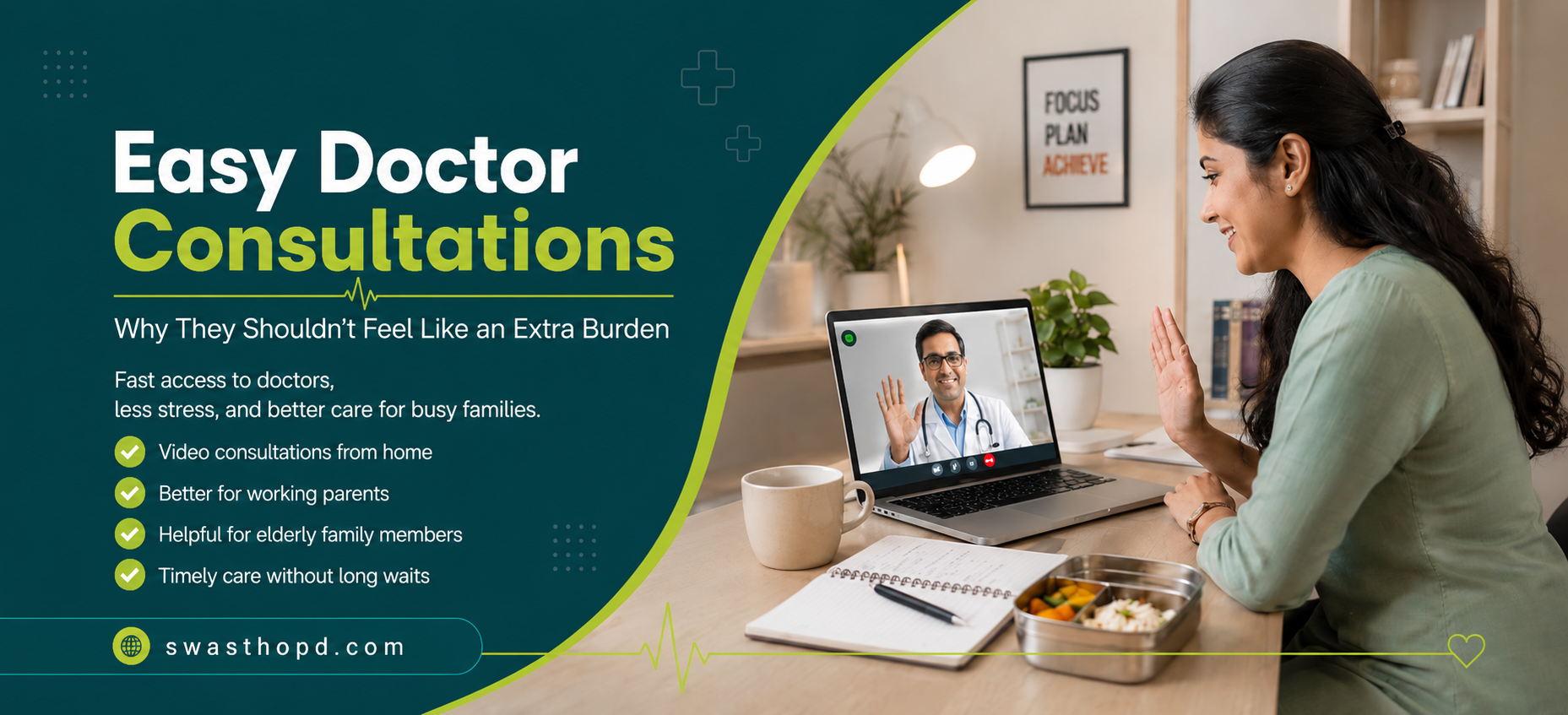
- Use tele-consultations for minor issues to save time and consultation fees
- Compare diagnostic lab costs before booking tests
- Set aside a monthly amount specifically for routine medical expenses, separate from the emergency fund
This last habit matters most. Treating everyday healthcare as its own budget category, rather than an unplanned expense, is what keeps it from disrupting savings goals. Exploring preventive care benefits also helps families catch issues early, when treatment is simpler and cheaper.
How SwasthOPD Can Help
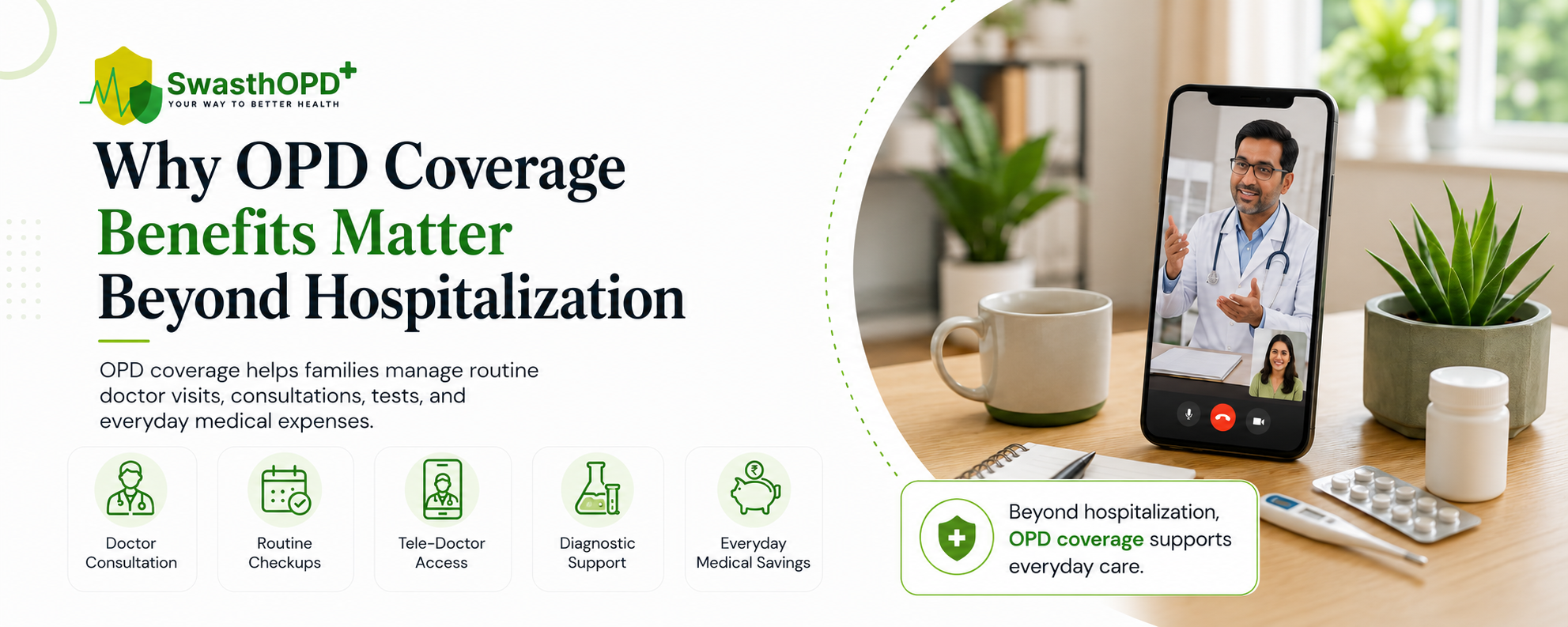
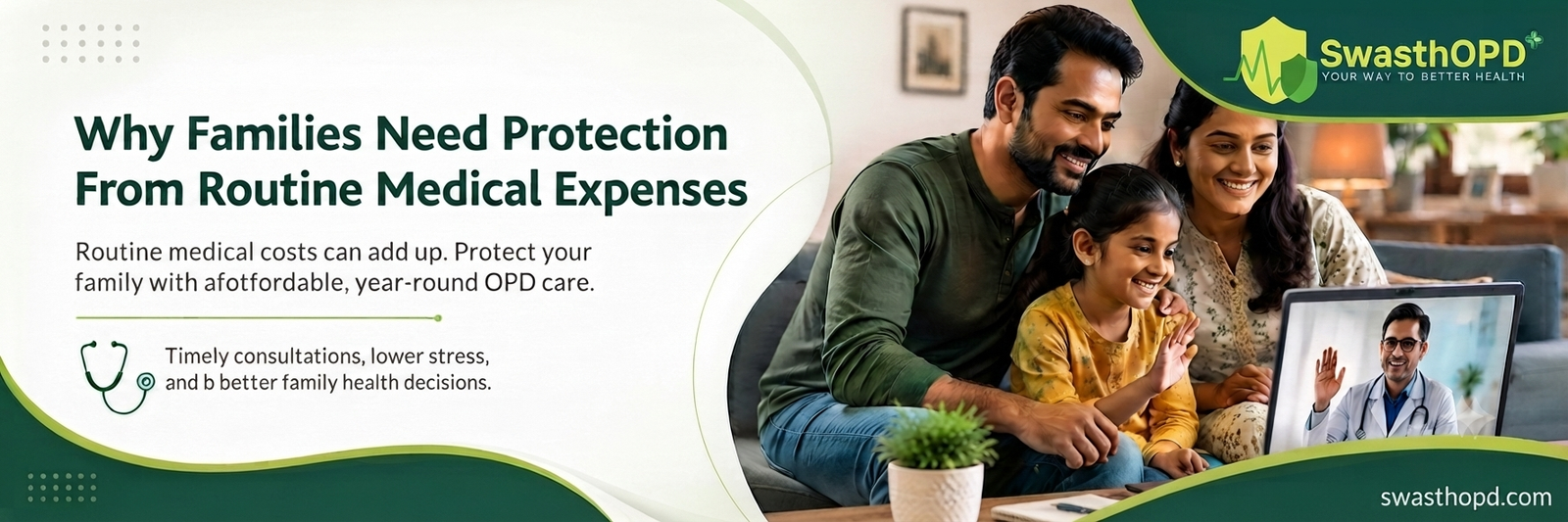
This is exactly the gap SwasthOPD was built to close. Instead of paying out of pocket for every consultation, test, or medicine, families can access cashless OPD benefits designed for real, everyday healthcare needs — not just hospital stays. From tele-consultations to diagnostic discounts and wellness support, the goal is to make routine medical expenses predictable instead of stressful.
If your family is tired of scattered clinic bills eating into the monthly budget, it’s worth taking a closer look. You can explore SwasthOPD plans at swasthopd.com and see how affordable, everyday protection fits into your family’s health planning.