
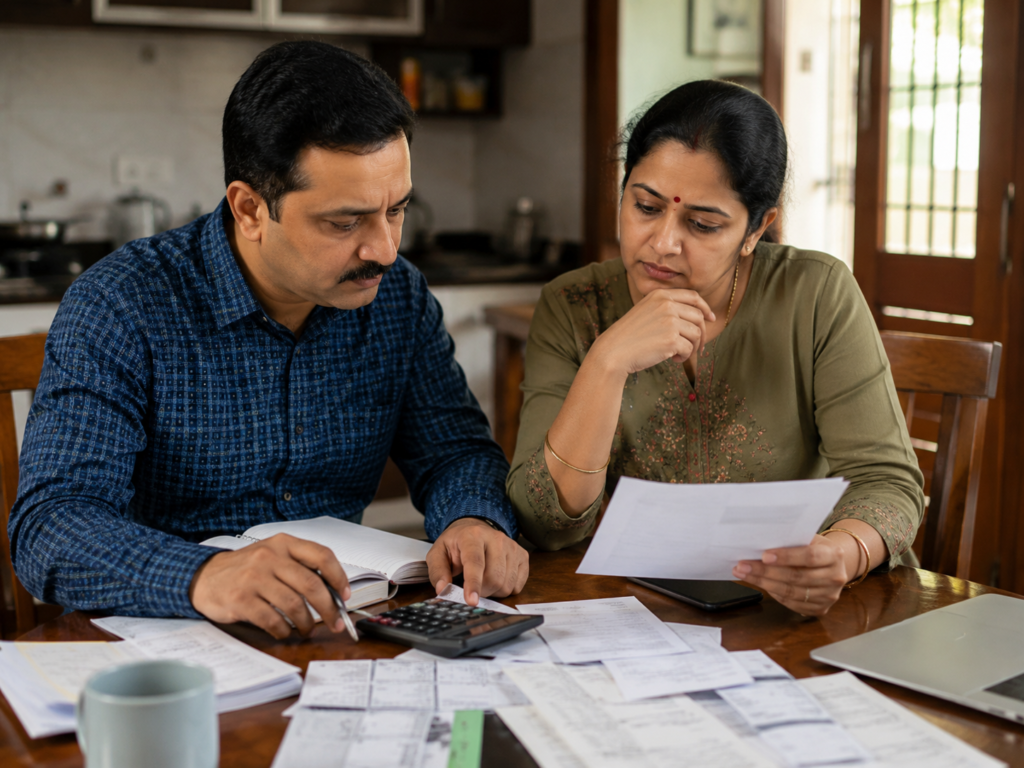
You skip the dentist this month because the EMI is due. You push the blood test to “next month” because school fees just hit your account. If this sounds familiar, you’re not being careless. You’re just responding to a real pattern. For a growing number of Indian families, routine checkup costs have quietly turned everyday health decisions into monthly budgeting decisions.
Why Checkups Feel Optional When Money Is Tight
Nothing about a routine checkup feels urgent. There’s no emergency, no visible symptom, no pressure. So when the month gets expensive, it’s the first thing that gets pushed. A missed EMI has consequences. A missed blood test, on the surface, doesn’t seem to.
This is exactly how routine checkup costs quietly pile up into a bigger problem. Small, avoidable delays add up over months. “I’ll go next week” often turns into six months. Six months often turns into a year. And a year of delay sometimes ends in a health scare that could have been caught early.
The Real Numbers Behind Routine Checkups
A basic full-body checkup in a metro city can cost anywhere from a few hundred to a few thousand rupees. Add a doctor consultation, a follow-up visit, and maybe a specialist referral. The number climbs fast. For a family of four doing this even twice a year, the total adds up quickly.
Here’s what typically gets skipped first when routine checkup costs feel like too much:
- Annual full-body checkups
- Dental cleanings and checkups
- Eye tests, especially for kids and elderly parents
- Routine blood work like sugar and thyroid panels
- Preventive screenings recommended by a family doctor
None of these feel urgent in the moment. All of them matter over time. That gap between “not urgent” and “actually important” is exactly where most families lose ground.
When “Later” Becomes Expensive
Doctors see this pattern constantly. Someone delays a routine test for a year. A condition that could have been managed with diet and medicine slowly gets worse. Eventually it needs specialist care, or worse, hospitalization. The irony is sharp. Avoiding a small, predictable cost today often leads to a much larger, unpredictable one later.
This is where routine checkup costs stop being a personal budgeting choice. They start becoming a genuine health risk. Diabetes, thyroid imbalances, and vitamin deficiencies rarely show obvious symptoms early on. A simple blood test catches them months, sometimes years, before they’d otherwise get noticed.
Who Feels This Pressure the Most
This trade-off hits some households harder than others. Self-employed professionals and gig workers often have no fixed monthly income. A checkup competes directly with rent, or with a client payment that hasn’t come through yet. Parents with young kids juggle multiple small medical needs at once — a vaccination here, a fever there. Each one adds to the running total.
Families with elderly parents feel it differently. Routine checkup costs for a senior citizen often include more frequent blood work, eye tests, and specialist visits. None of these feel optional. Yet all of them strain the same monthly budget as everything else. Over a year, these small, recurring costs quietly become one of the bigger line items in the household.
Making Checkups a Line Item, Not an Afterthought
Financially smart families treat routine checkup costs differently. They budget for checkups the way they budget for any other planned expense. It’s something to plan for, not something to react to at the last minute.
Building a small, dedicated bucket for health checkups helps. Think of it the same way you’d think about school fees or an annual insurance premium. Once checkups stop competing with EMIs and monthly bills for the same rupee, they stop getting cancelled. That single shift often prevents far larger medical bills down the road. It also removes the guilt that comes with constantly postponing your own health.
Making This Easier With SwasthOPD
This is exactly the problem SwasthOPD was built around. Routine checkup costs don’t have to sit entirely on your monthly budget. SwasthOPD covers everyday healthcare — doctor consultations, diagnostic tests, and preventive checkups — alongside cashless hospitalization cover. Our guide on full body checkups and our piece on preventive care benefits go deeper into why regular screening matters.
If skipping checkups has become a familiar pattern in your household, it may be worth exploring a plan built for exactly this. You can explore SwasthOPD plans to see how affordable everyday healthcare can be. Our guide on managing healthcare costs is a useful next read.