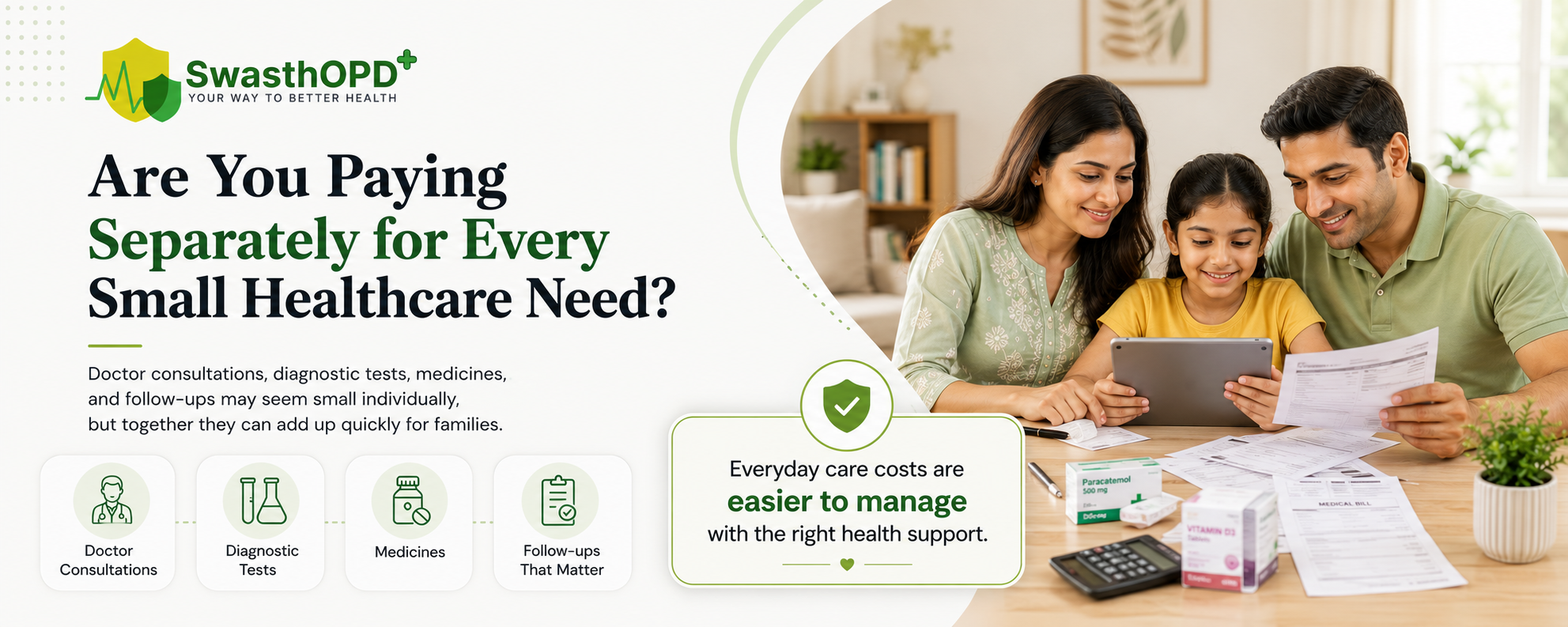

Imagine waking up with a high fever or a persistent toothache. You rush to the nearest clinic, wait in a long queue, and finally see a doctor for ten minutes. Then comes the bill—consultation fees, pharmacy costs, and diagnostic tests. You pay it all from your pocket because your standard health insurance only kicks in if you are hospitalized for 24 hours Should OPD Planning Be Mandatory in Indian Healthcare?
This is the reality for millions of families across the nation. While India has made great strides in medical infrastructure, a significant gap remains in how we handle day-to-day medical expenses. This raises a critical question for policymakers and citizens alike: Should OPD Planning Be Mandatory in Indian Healthcare?
Currently, the Indian healthcare system faces overwhelming pressure. Hospitals are overcrowded, and out-of-pocket expenses for routine care account for a massive chunk of household spending. By exploring the concept of mandatory Outpatient Department (OPD) planning, we might find the key to a healthier, more financially secure nation.

The Hidden Weight of Daily Medical Needs
We often associate “healthcare” with major surgeries or emergencies. However, the vast majority of our interactions with the medical world happen outside of a hospital bed. These are your routine check-ups, viral fever consultations, dental visits, and pharmacy runs.
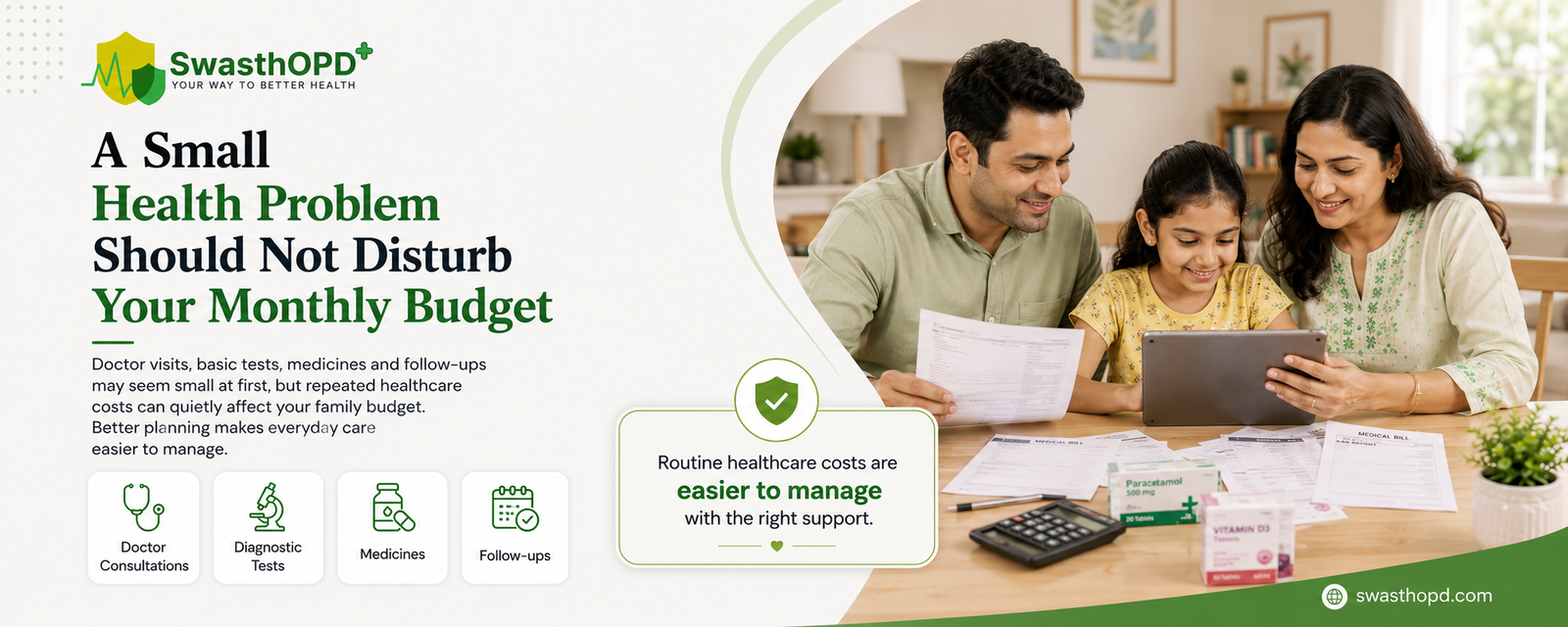
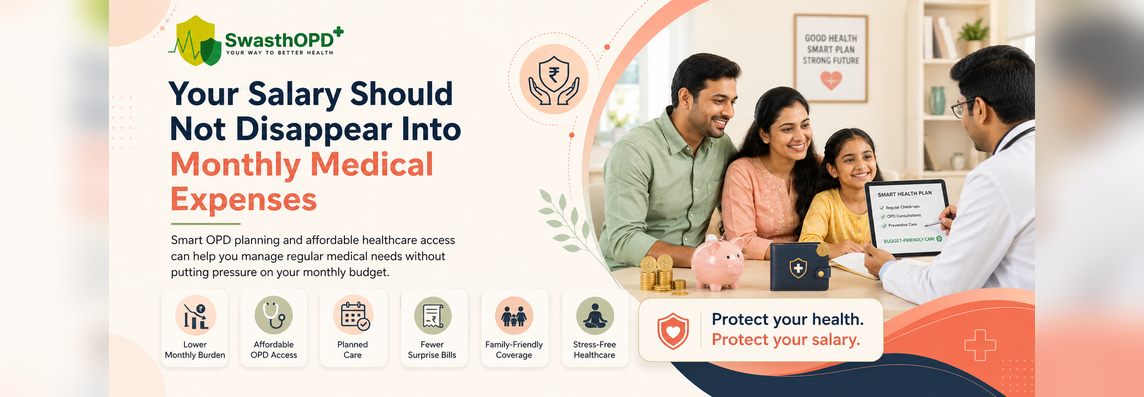
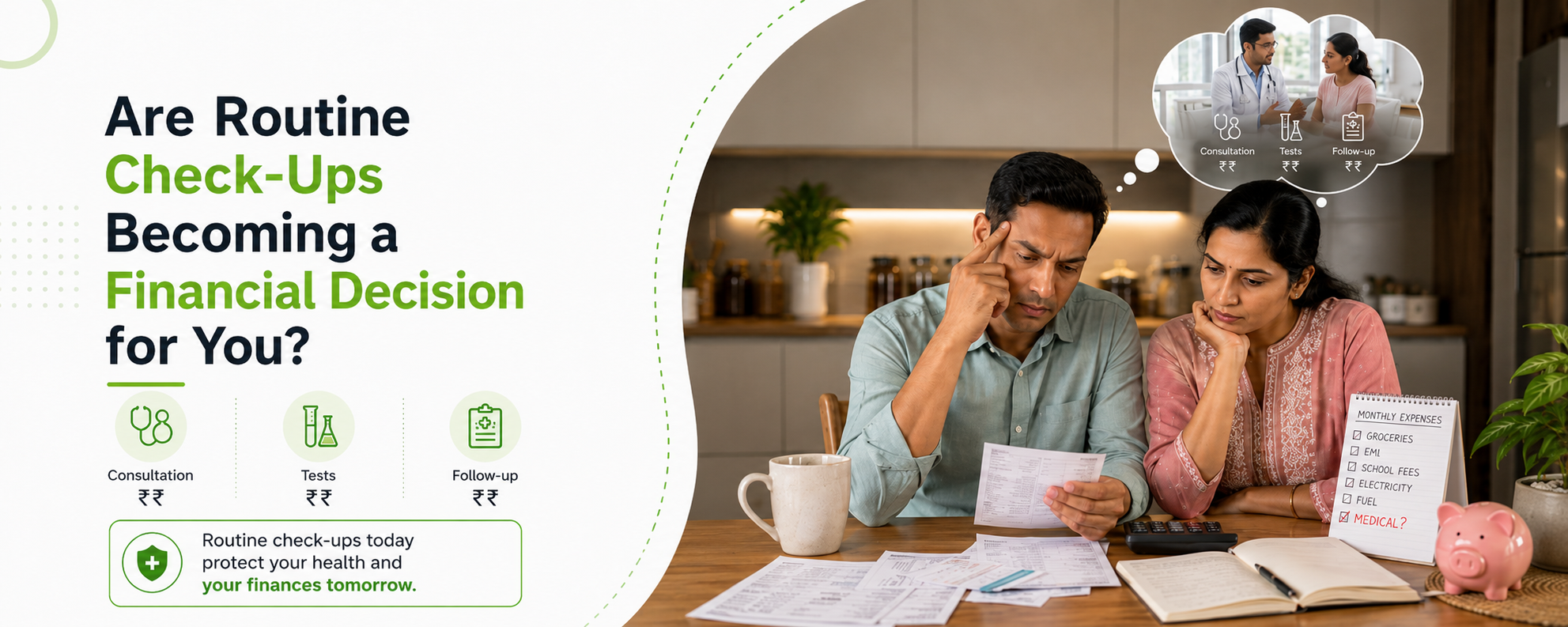
Daily medical needs impact every household, regardless of income. A child catching the flu, an elderly parent needing regular diabetes monitoring, or a sudden sprain from a workout—these are not catastrophic events, but they are frequent. Without a structured plan, these costs add up quickly, eating into savings that should be reserved for actual emergencies or future goals.
When we ask, “Should OPD Planning Be Mandatory in Indian Healthcare?“, we are essentially asking if we should stop ignoring these recurring costs. By formalizing OPD coverage, families can access preventive care without hesitation. If a parent knows their doctor visit is covered, they are less likely to delay treatment, preventing a minor ailment from turning into a major illness that requires hospitalization.
How Structured OPD Reduces the National Burden
A well-structured OPD system does more than just help individual families; it heals the system itself. Right now, emergency rooms and tertiary care hospitals are often clogged with patients who could have been treated at a primary care level if they had access to affordable consultation earlier.
Structured OPD reduces national healthcare burden by prioritizing preventive care. When people have access to regular screenings and diagnostics through a prepaid or mandatory plan, diseases are caught early. Early detection is almost always cheaper and easier to treat than late-stage disease management.
For instance, many developed nations with strong primary healthcare systems (like the NHS in the UK) emphasize outpatient care to keep hospital beds free for those who truly need them. According to the World Health Organization, strengthening primary health care is the most inclusive, effective, and efficient approach to enhance people’s physical and mental health.
If India were to adopt a similar mindset, the strain on our medical infrastructure would decrease significantly. Resources could be allocated more efficiently, and the overall quality of public health would likely improve.
Is It Time India Normalized OPD Planning?
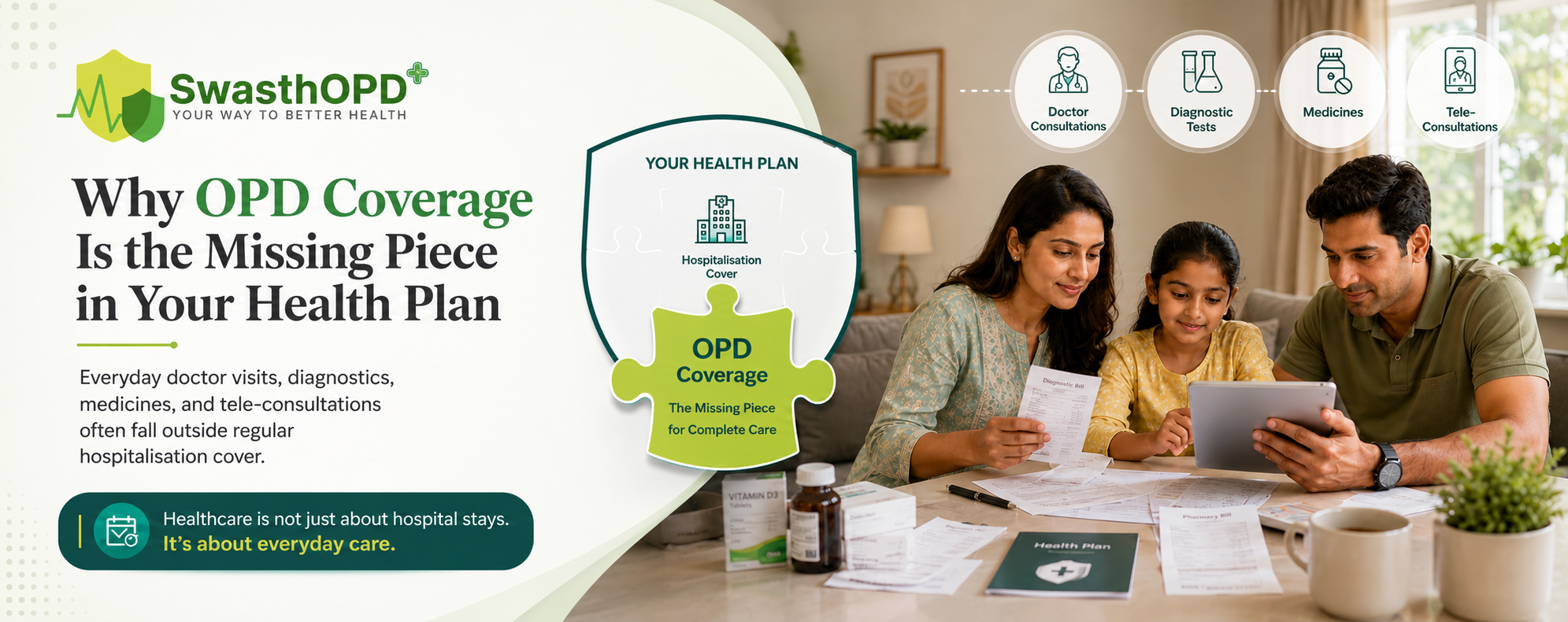
Despite the obvious benefits, OPD cover is often treated as a luxury add-on rather than a necessity. Standard health insurance policies focus heavily on In-Patient Department (IPD) care, leaving the “small stuff” to the patient. But as we have established, the “small stuff” is where the majority of healthcare spending actually happens.
Is it time India normalized OPD planning? Absolutely. The conversation around “Should OPD Planning Be Mandatory in Indian Healthcare?” is gaining momentum because the current model is unsustainable for the average middle-class family.
This is where platforms like SwasthOPD are leading the charge. We believe that healthcare should not be a financial burden, whether it’s a major surgery or a routine check-up. We provide technology-enabled platforms for OPD and wellness plans that bridge the gap between wellness and accessibility.
By normalizing these plans, we can ensure that:
- Consultations are cashless and hassle-free.
- Prescribed medicines don’t burn a hole in your pocket.
- Diagnostics are accessible and affordable.
We need to shift the cultural mindset from “sickness management” (treating you only when you are hospitalized) to “health management” (keeping you healthy through regular OPD care).
Tailored Solutions for a Diverse Nation
One size rarely fits all in a country as diverse as India. Mandatory planning doesn’t have to mean a rigid, government-enforced rule for everyone. It can start with awareness and the availability of flexible options that suit different needs.
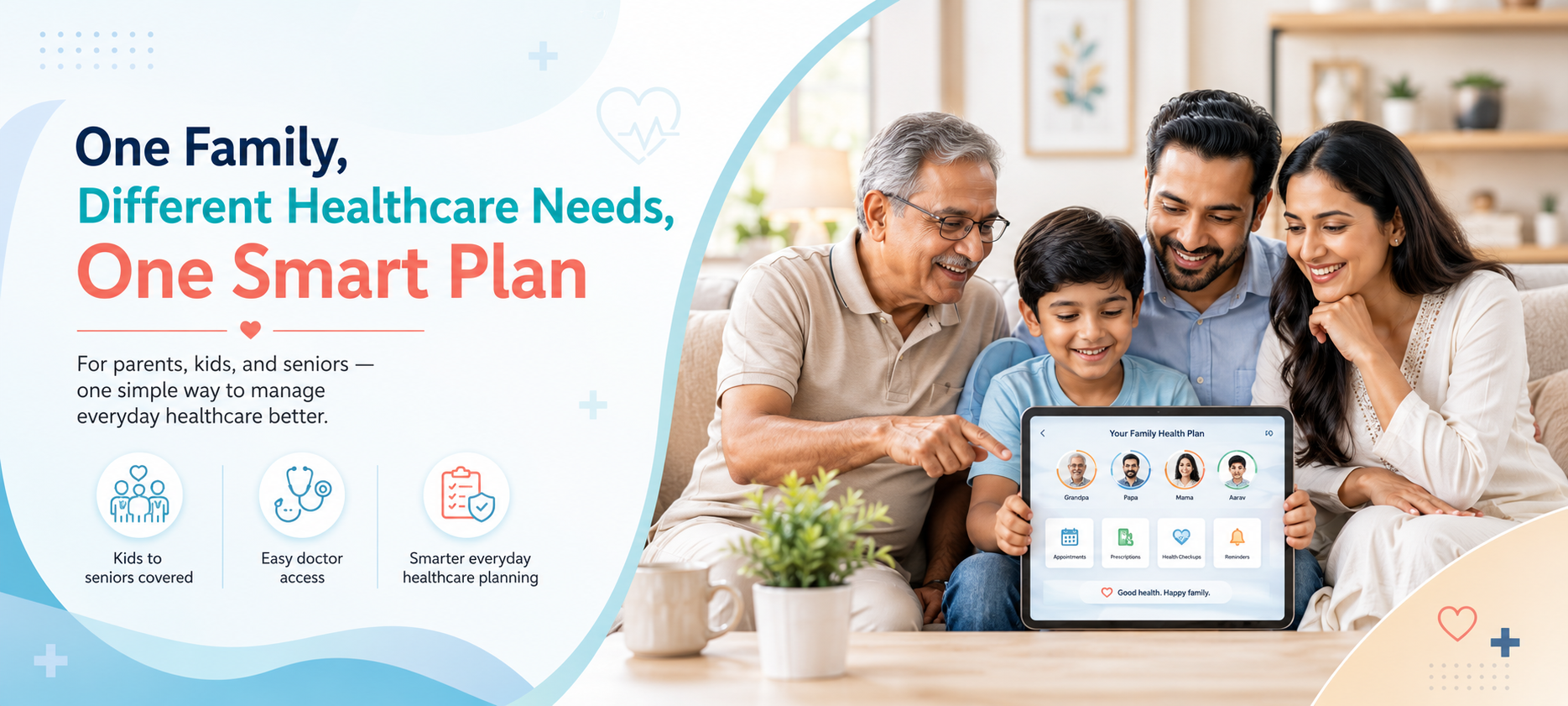
At SwasthOPD, we understand that a young freelancer has different needs than a family of four or a retired couple. That is why we offer a variety of options. You can explore our specific offerings on our Swasth OPD Plans page to see how affordable comprehensive care can be.
From virtual diabetic consultations to at-home dental scans and ambulance services, modern OPD plans are evolving to cover the full spectrum of health. Whether you are looking for corporate wellness solutions or individual coverage, the goal is the same: making healthcare simple, transparent, and accessible.
To learn more about our mission and our 12+ years of expertise in this field, you can visit About Swasth OPD. We are committed to revolutionizing how India views outpatient care.
The Path Forward
The debate on “Should OPD Planning Be Mandatory in Indian Healthcare?” is not just a theoretical discussion. It is a practical necessity for a country aiming to improve its health index. Mandatory or widespread adoption of OPD planning would protect families from financial shocks, improve national health outcomes, and streamline the medical infrastructure.
Until policy catches up, it is up to individuals to take control of their health journey. Don’t wait for an emergency to think about your medical expenses. If you have questions about how to integrate OPD cover into your life, or if you need help choosing a plan, Contact Swasth OPD today. You can also visit our main website at https://swasthopd.in/ to get started.
Investing in an OPD plan is investing in peace of mind. It ensures that when you do wake up with that fever, your only focus is getting better, not paying the bill.