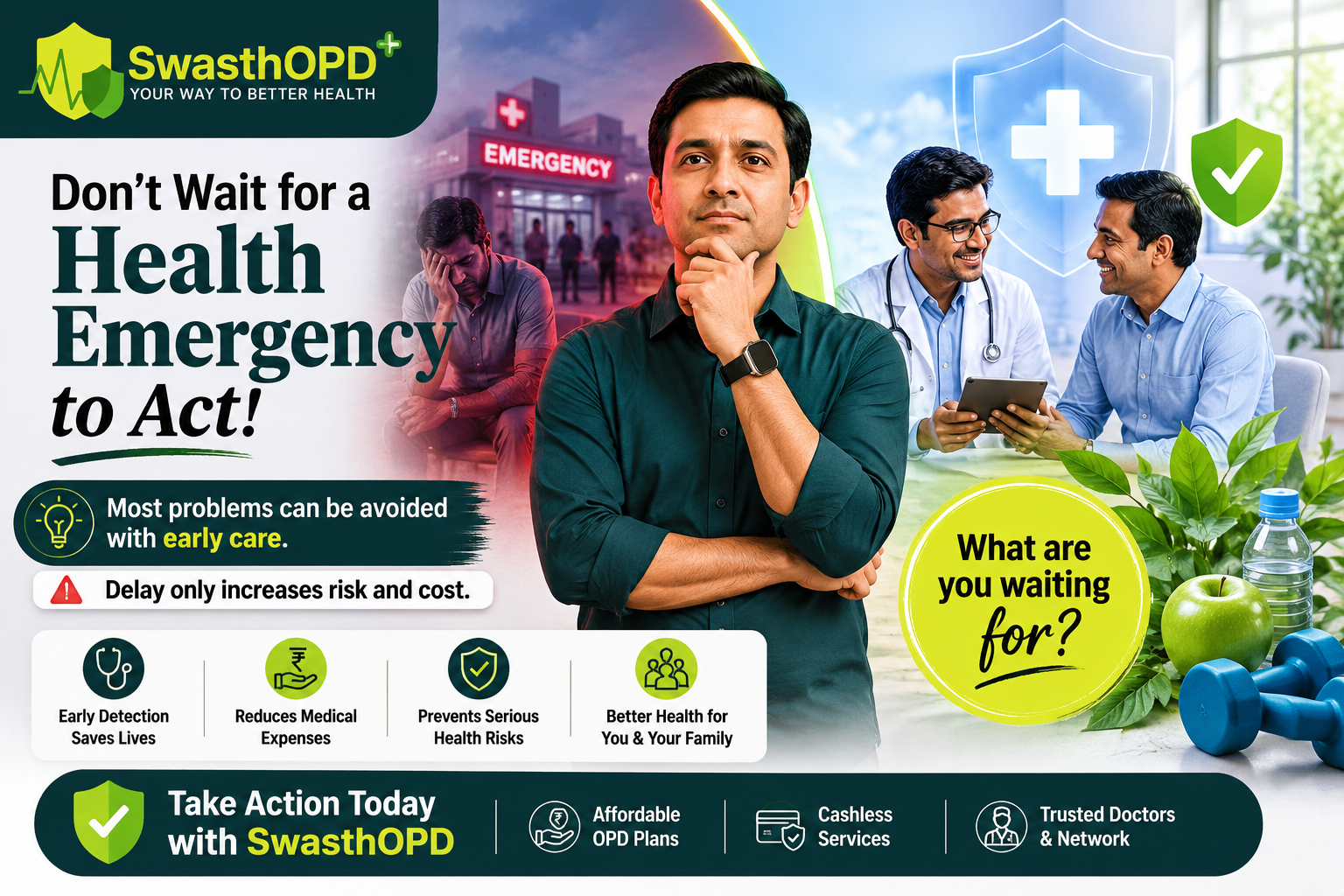
When we think about financial protection for our health, our minds immediately go to “Health Insurance.” We imagine a safety net that catches us if we need a major surgery or face a medical emergency. While this is crucial, it overlooks a massive part of our healthcare reality.
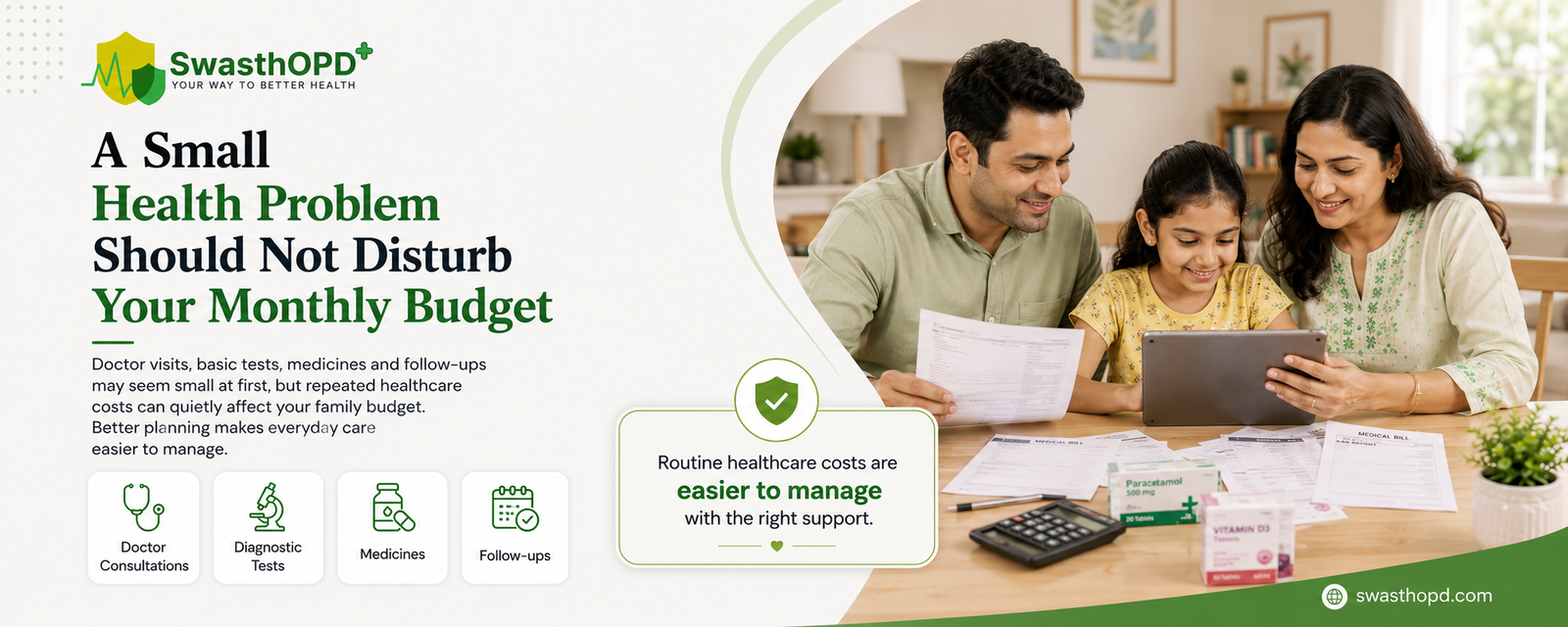
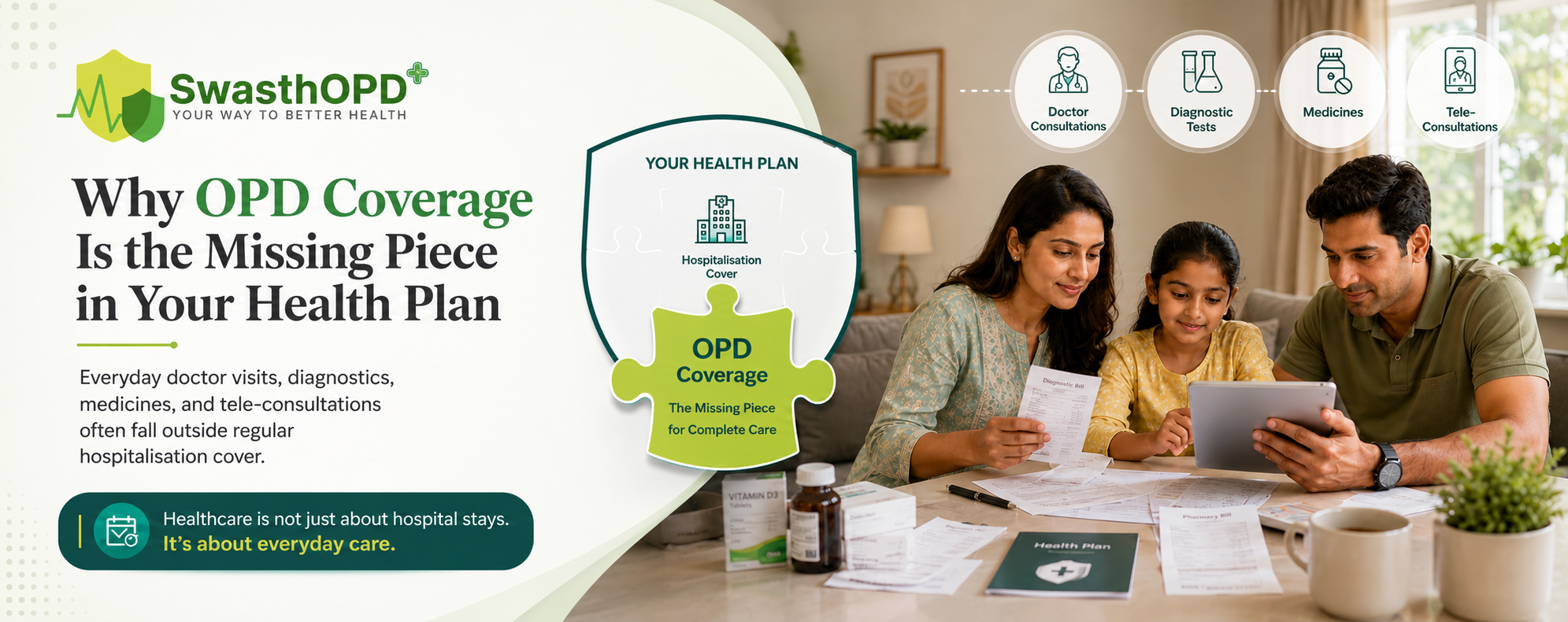
For most middle-class Indian families, the real financial drain isn’t the one-time surgery that happens once in a decade; it is the recurring cost of doctor visits, blood tests, pharmacy bills, and dental checkups. This brings us to a critical realization: understanding Why OPD is More Important Than Hospital Insurance is the key to true financial wellness.
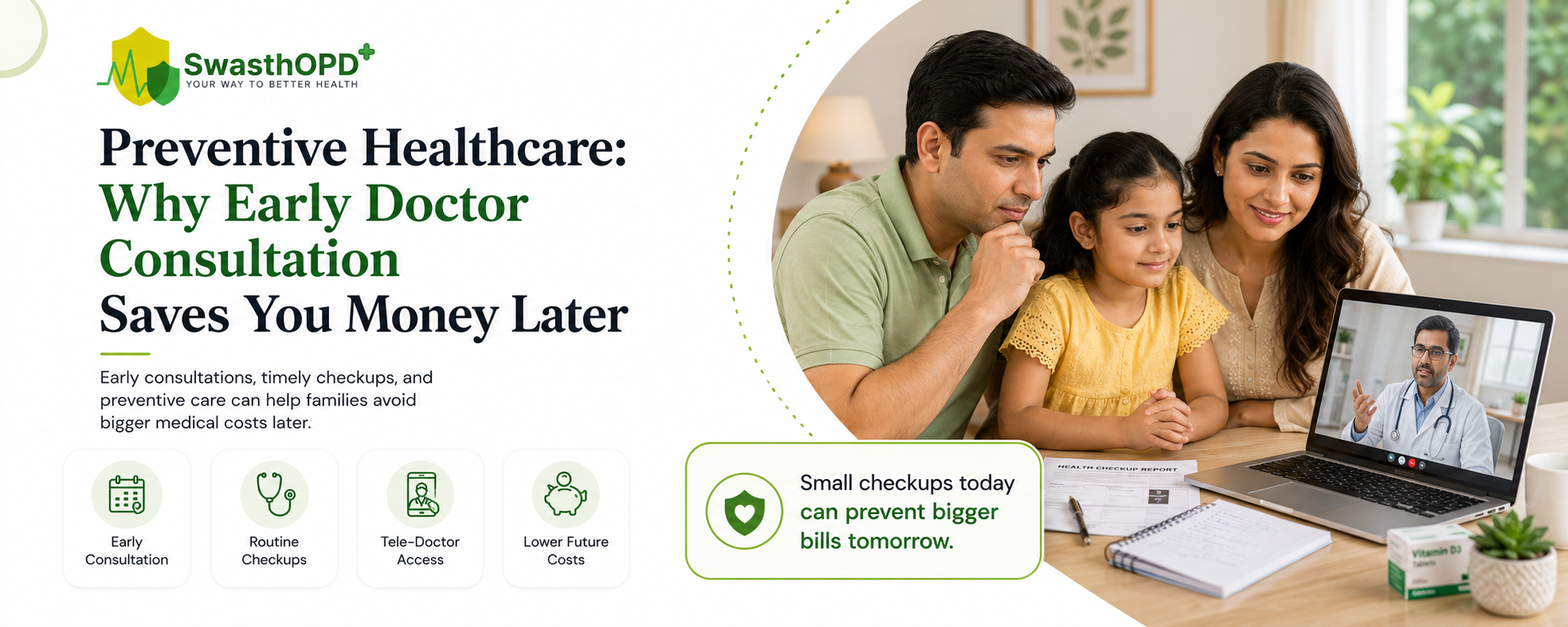
Standard health insurance is designed for the “unlikely” event of hospitalization. However, Out-Patient Department (OPD) expenses are the “likely” events that chip away at your savings every single month. In this guide, we will explore why shifting your focus to OPD coverage might be the smartest financial decision you make this year.
Table of Contents
- The Hidden Cost of “Small” Medical Bills
- Most Medical Expenses Happen Before Hospitalization
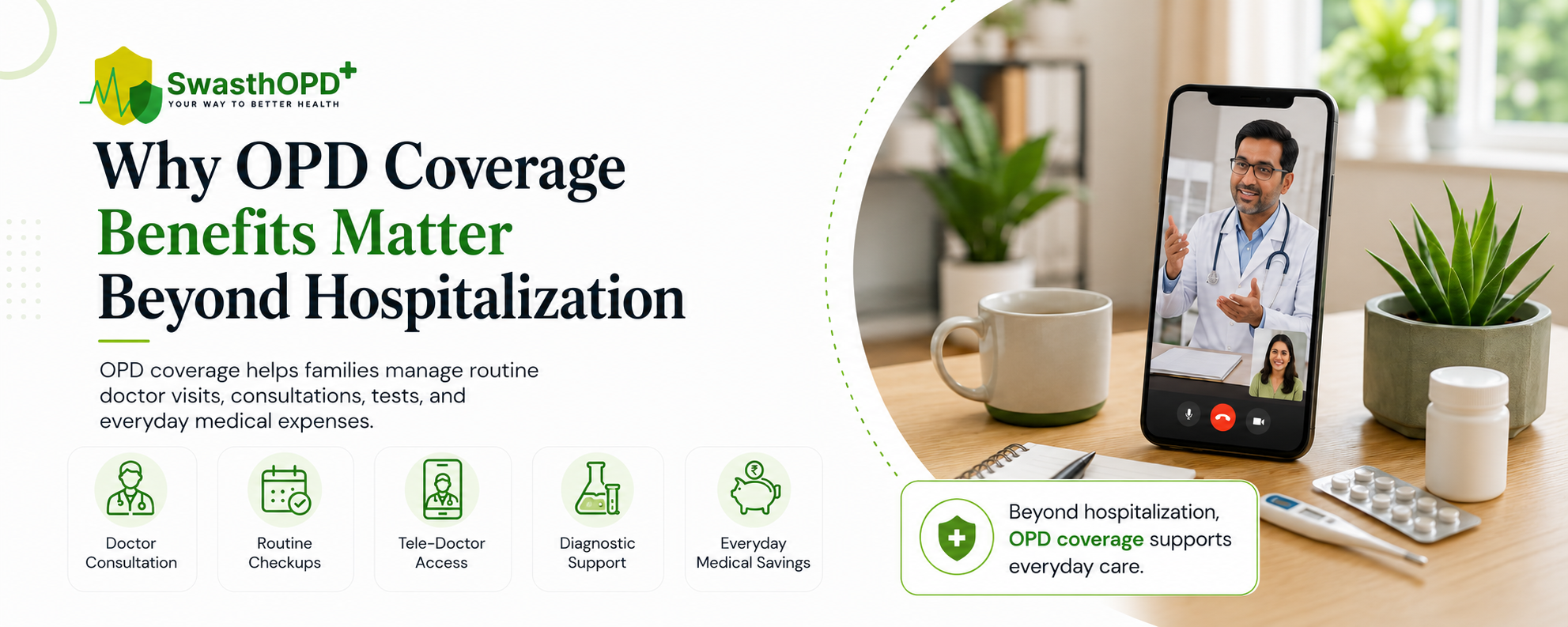
- OPD Covers Everyday Consultations and Tests
- Are You Protecting Only Emergencies?
- Comparison: OPD Coverage vs. Hospital Insurance
- How Swasth OPD Bridges the Gap
- Frequently Asked Questions (FAQ)
- Conclusion
The Hidden Cost of “Small” Medical Bills
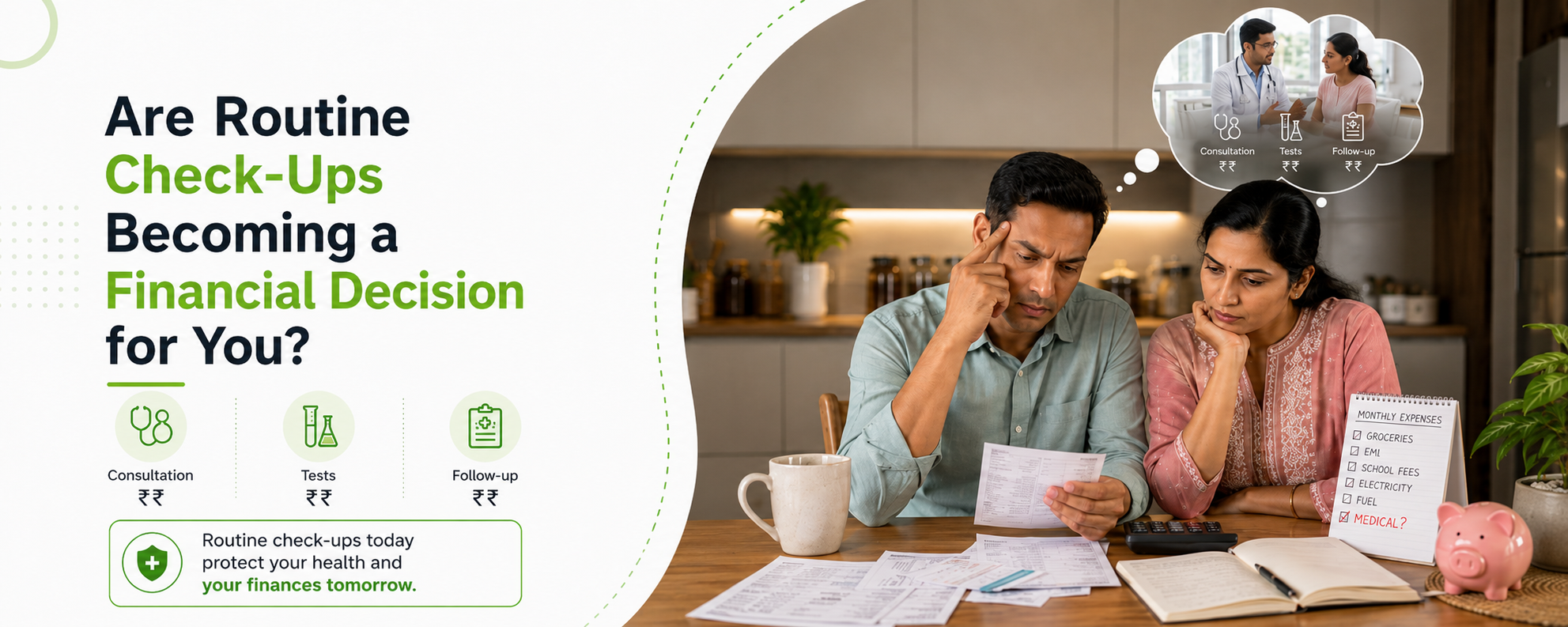
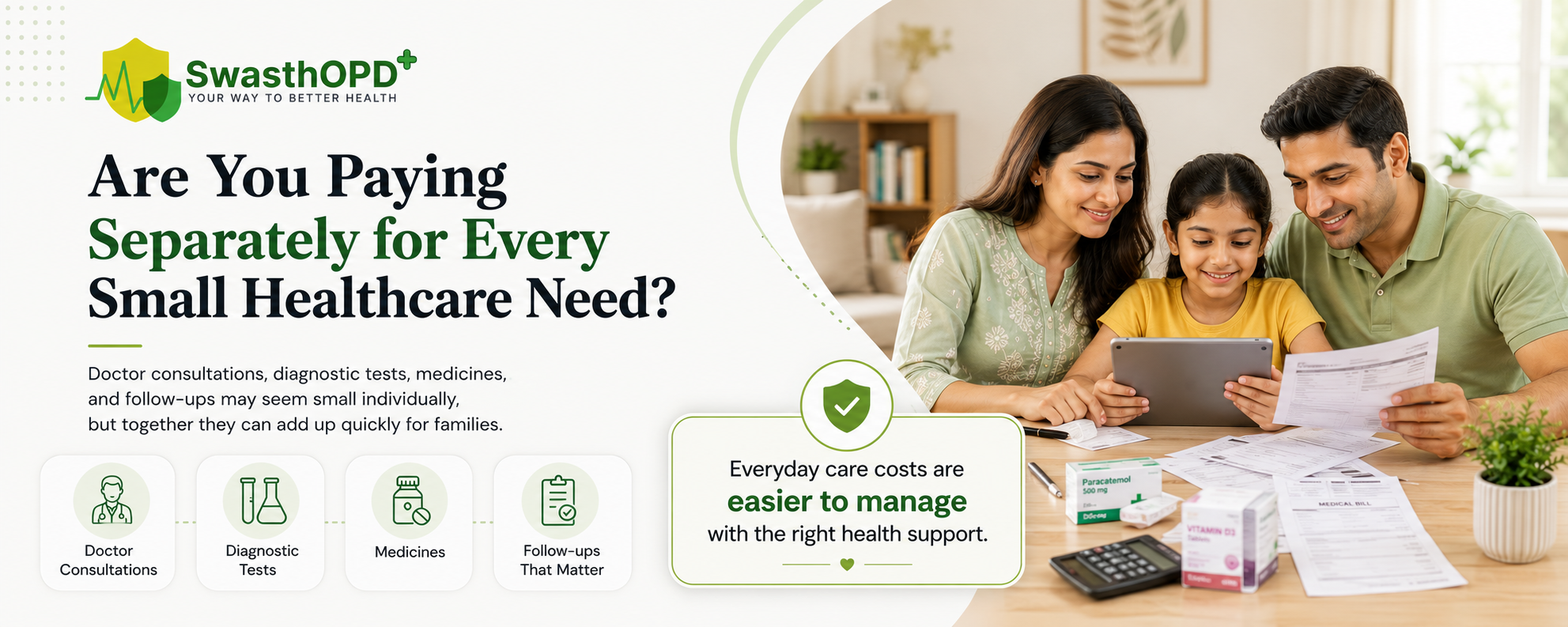
Imagine a typical year for a family of four. You might visit a pediatrician for your child’s seasonal flu, see a dentist for a root canal, consult a specialist for back pain, or get routine blood work done for diabetes management. None of these require you to stay in a hospital bed overnight. Consequently, none of these are covered by a standard mediclaim policy.
These costs are paid out of your pocket. In India, out-of-pocket expenditure (OOPE) accounts for a significant portion of total health spending. According to recent reports by the National Health Authority (India), a vast majority of healthcare spending by Indian households is directed toward outpatient care and medicines, not hospitalization. This highlights a gap in the market where families are insured for disasters but exposed to daily financial leaks Why OPD is More Important Than Hospital Insurance.

Most medical expenses happen before hospitalization
If you look at your medical history over the last five years, how many times were you admitted to a hospital? For most healthy individuals, the answer is likely zero or one. Now, ask yourself: how many times did you visit a doctor, buy medicines, or get a lab test? The answer is probably in the dozens.
The reality is that most medical expenses happen before hospitalization. Healthcare is a journey, not just an event. Before anyone requires surgery or admission, there are symptoms, consultations, diagnostic investigations, and preventive treatments. These pre-hospitalization stages are where the frequency of spending is highest. By neglecting this phase, you are essentially ignoring the bulk of your healthcare interaction. An OPD plan ensures that these high-frequency touchpoints are covered, protecting your wallet from the constant drip of medical costs Why OPD is More Important Than Hospital Insurance.
OPD covers everyday consultations and tests
One of the biggest misconceptions is that OPD is just about meeting a General Physician. It is much more than that. OPD covers everyday consultations and tests that keep your health in check. This includes specialist consultations (like dermatologists, gynecologists, or orthopedics), prescribed pharmacy bills, X-rays, MRIs, and pathology lab tests Why OPD is More Important Than Hospital Insurance.
In metro cities and tier-2 towns across India, the cost of these services is skyrocketing. A single consultation with a specialist can cost anywhere between ₹500 to ₹1,500. Add the cost of blood profiles and medicines, and a “minor” fever can cost a family ₹3,000 to ₹5,000 in a week. With inflation impacting medical sectors, these costs will only rise. Comprehensive OPD coverage absorbs these shocks, ensuring that you don’t hesitate to visit a doctor due to fear of the bill.
Are you protecting only emergencies?
Insurance is often sold on fear—the fear of a heart attack, an accident, or a critical illness. While valid, this fear-based selling leads to a skewed portfolio. Are you protecting only emergencies? If your health plan only kicks in when you are on a hospital bed, it is akin to having car insurance that only covers total engine failure but not oil changes, tire replacements, or servicing.
Emergency-only protection leaves you vulnerable to the 90% of health issues that are manageable but expensive. Furthermore, lack of OPD coverage often discourages preventive care. People delay going to the doctor because they don’t want to pay the consultation fee. Why OPD is More Important Than Hospital Insurance This delay often turns a minor ailment into a major emergency that requires hospitalization. By securing your daily health needs, you aren’t just saving money; you are likely preventing the need for that emergency hospitalization in the first place.
Comparison: OPD Coverage vs. Hospital Insurance
To clearly understand Why OPD is More Important Than Hospital Insurance for daily life, let’s look at a direct comparison of features.
| Feature | OPD Coverage (Swasth OPD) | Traditional Hospital Insurance |
|---|---|---|
| Doctor Consultations | ✅ Covered (General & Specialist) | ❌ Not Covered (Unless hospitalized) |
| Diagnostic Tests | ✅ Covered (Blood tests, X-rays, etc.) | ❌ Limited (Pre/Post hospitalization only) |
| Pharmacy Bills | ✅ Covered (Prescribed meds) | ❌ Not Covered |
| Dental Care | ✅ Covered (Scans & consultations) | ❌ Usually Excluded |
| Everyday Expenses | ✅ High Utility | ❌ Low Utility (Emergency only) |
| Hospital Stay | ❌ (Focus is on Out-Patient) | ✅ Covered |
How Swasth OPD Bridges the Gap
At Swasth OPD, we understand that healthcare needs to be holistic. We don’t just want to be there when things go wrong; we want to be there to help you stay healthy every day. With over 12+ years of expertise, we have built a technology-enabled platform designed to make healthcare accessible and affordable.
Our network is robust and designed for your convenience:
- 600+ Doctors and 220+ Hospitals in our network.
- Cashless OPD Consultations to ensure you aren’t out of pocket.
- Up to 50% Discount on diagnostic and radiology services.
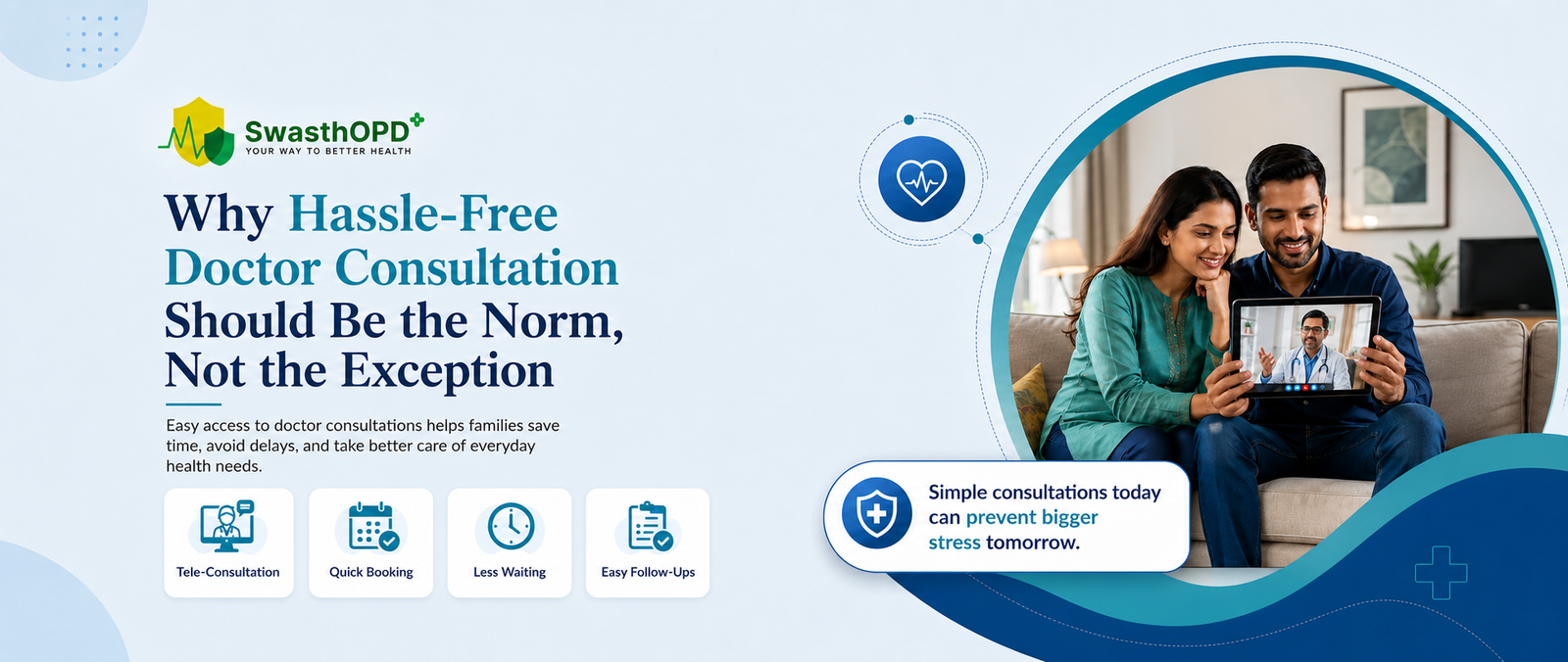
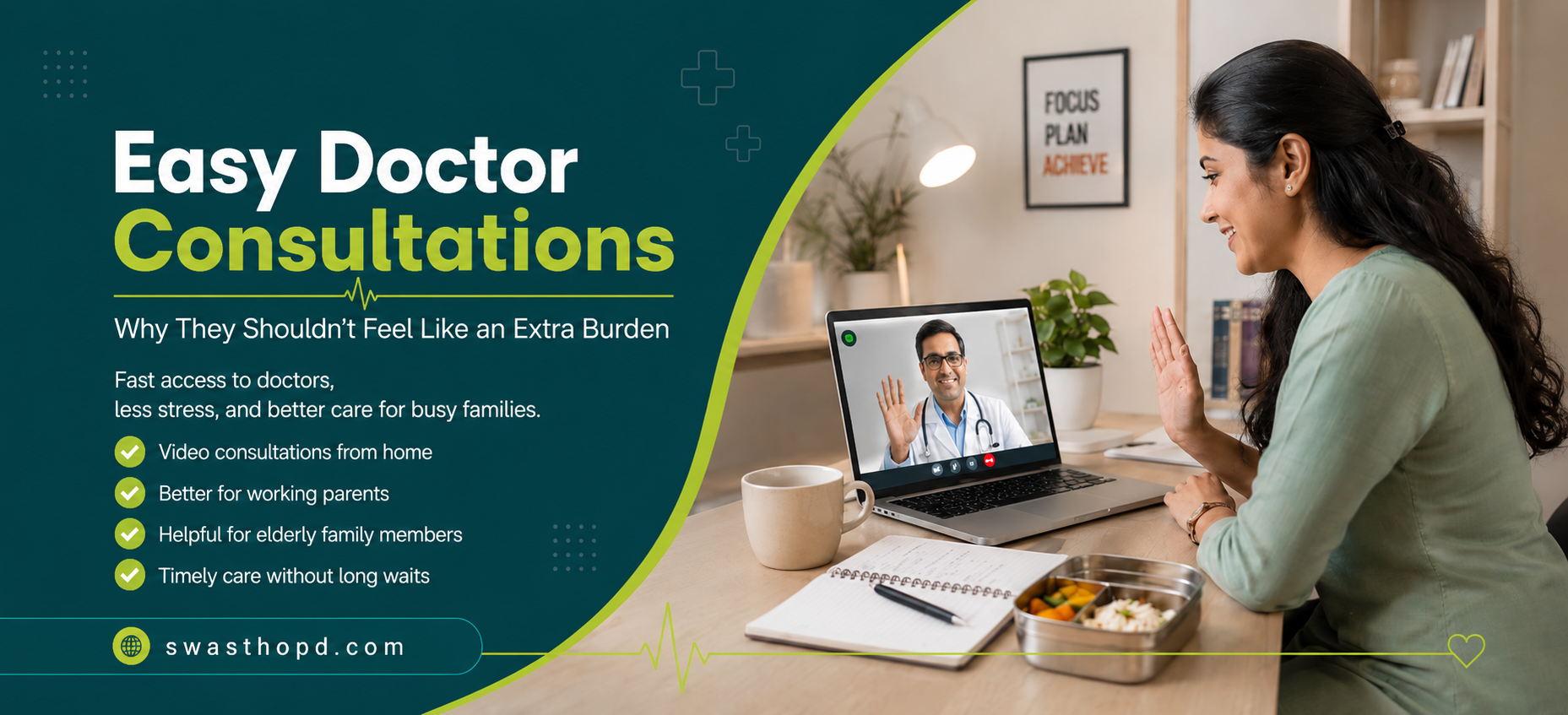
- Unlimited Tele-Doctor Consultations for immediate advice from home.
We currently serve over 28,000+ customers and 110+ corporates, providing plans that cover everything from in-person general physician visits to pharmacy wallets. Whether you are looking for Affordable OPD Coverage for your family or employee wellness solutions, our goal is to bridge the gap between wellness and accessibility.
If you are unsure which plan suits your family, you can Contact Swasth OPD Today to speak with our health assistance team.
Frequently Asked Questions (FAQ)
Is OPD covered in regular health insurance?
Generally, no. Most standard health insurance policies (Mediclaim) only cover expenses incurred 24 hours after hospitalization. Some premium plans offer OPD as an add-on, but the coverage limit is usually very low compared to the premium paid.
Why are OPD expenses increasing in India?
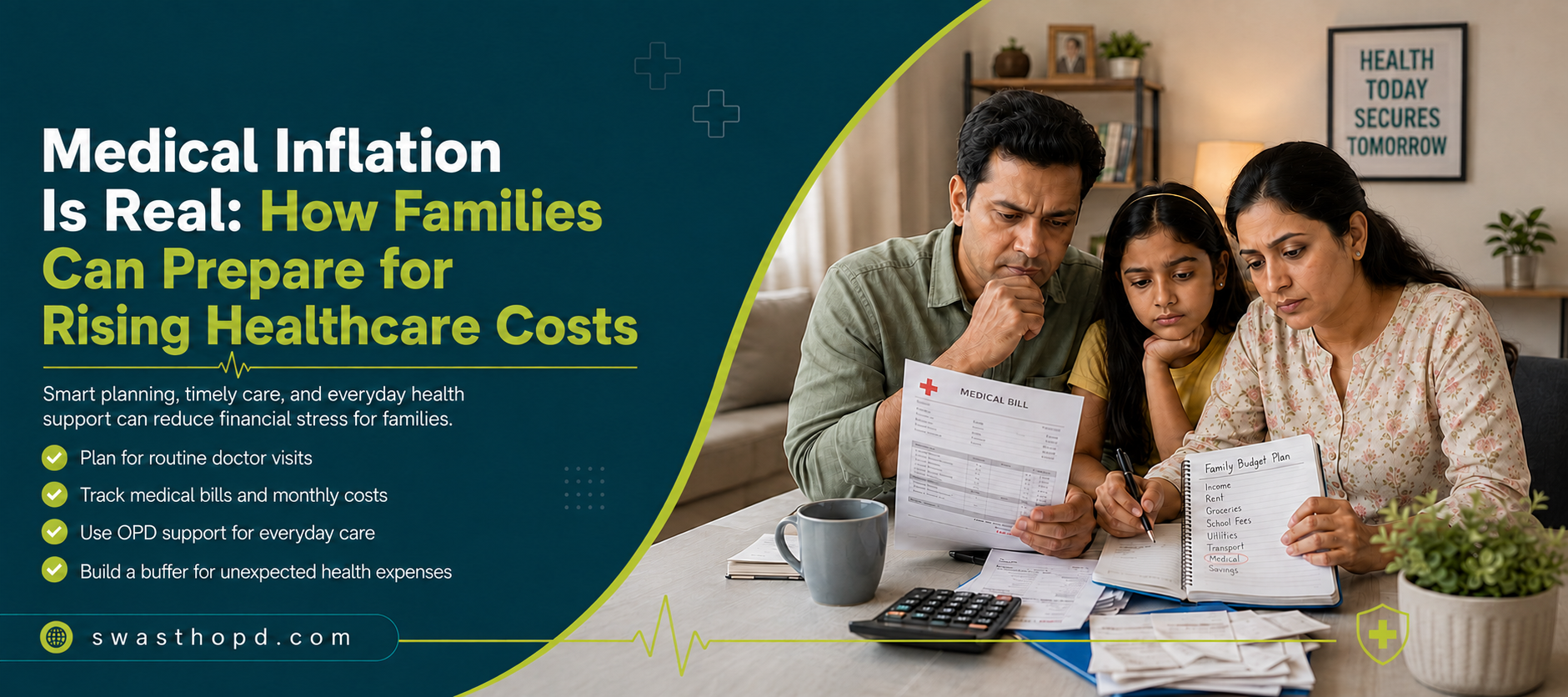
Medical inflation in India is rising faster than general inflation. The cost of medical equipment, doctor fees, and administrative overheads are increasing. Additionally, the rise in lifestyle diseases like diabetes and hypertension requires regular monitoring and medication, increasing the monthly OPD burden on families Why OPD is More Important Than Hospital Insurance.
Can OPD plans save money?
Absolutely. If a family spends ₹15,000–₹20,000 annually on routine visits, medicines, and dentistry, an OPD plan that costs a fraction of that amount provides immediate ROI. Plus, the discounts on diagnostics (up to 50% with Swasth OPD) offer further savings.
Who should consider OPD coverage?
Everyone should consider it, but it is critical for families with young children (frequent doctor visits), senior citizens (regular monitoring/medication), and working professionals who want to manage lifestyle health issues proactively. You can Learn more about our health plans to see how we cater to these demographics.
Conclusion
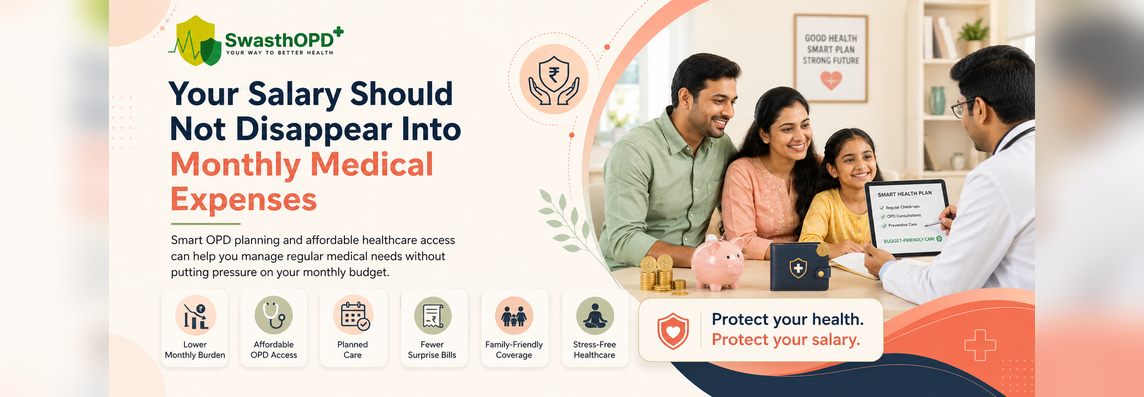
It is time to rethink how we view health protection. While having hospitalization insurance is a safety net for the worst-case scenario, it does not support you in your daily life. The recurring costs of consultations, medicines, and diagnostics are the real wealth eroders for Indian families.
Understanding Why OPD is More Important Than Hospital Insurance allows you to take control of your financial health. It encourages early diagnosis, promotes preventive care, and ensures that you never have to delay a doctor’s visit because of the cost.
Don’t leave 90% of your healthcare expenses unprotected. Evaluate your current health strategy and close the gap today.
👉 Explore Swasth OPD Plans: https://swasthopd.in/plans
👉 Visit our Home Page: https://swasthopd.in/