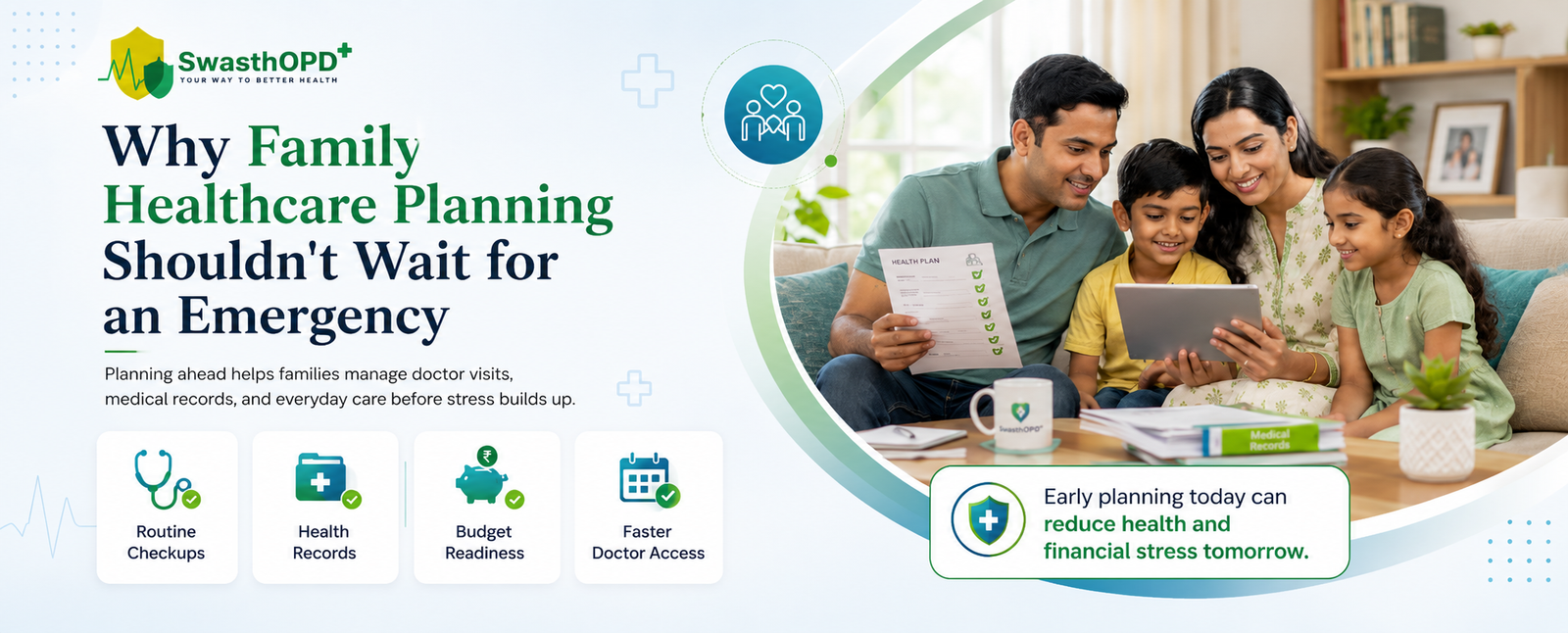
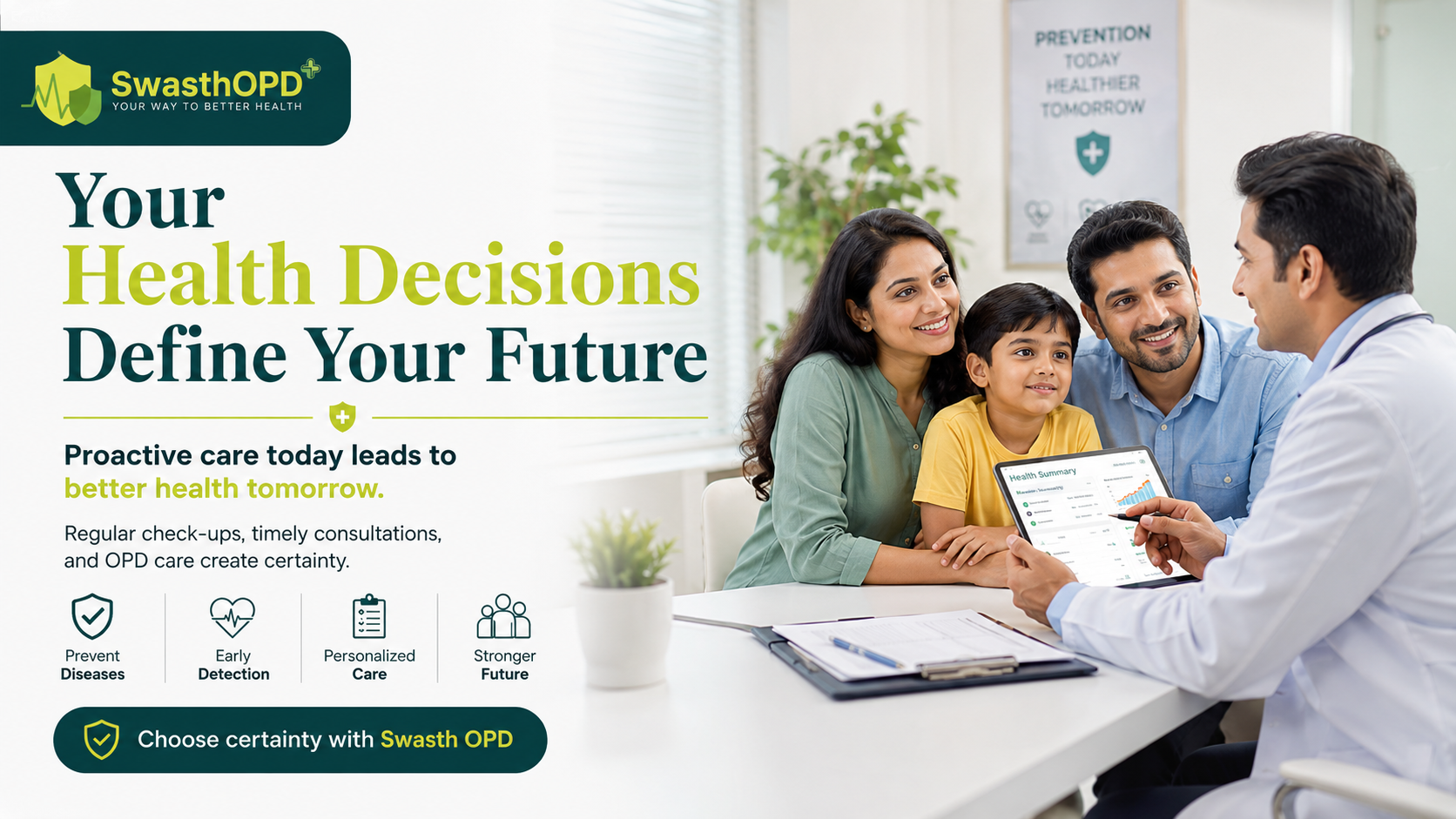
TL;DR: Proactive healthcare means managing your health before problems become serious. Regular check-ups, timely doctor consultations, preventive care, and OPD coverage help individuals, families, and organizations reduce uncertainty, detect issues early, and plan better for long-term well-being.
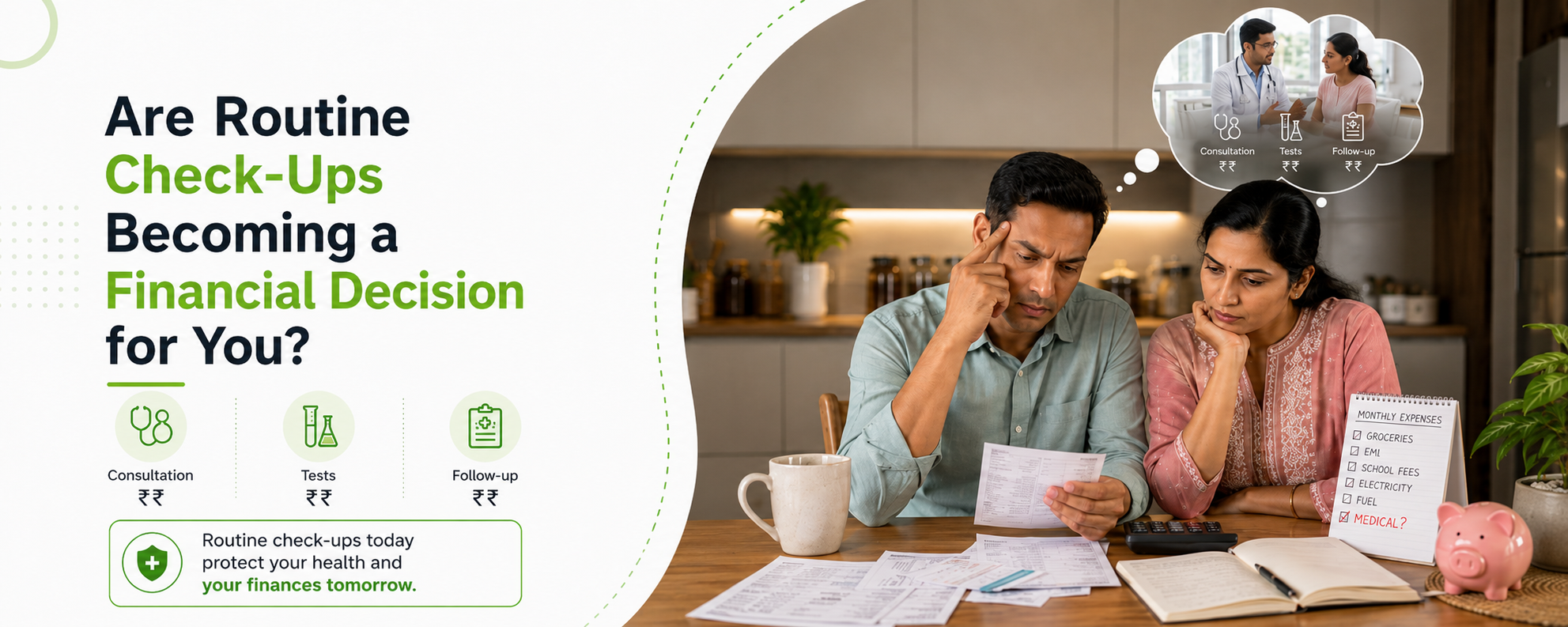
Most people in India visit a doctor only when something goes wrong. A persistent cough is ignored for weeks. Blood pressure isn’t checked until there’s a headache that won’t go away. A routine diabetes screening gets postponed indefinitely. By the time a doctor is finally consulted, what started as a manageable condition has often become something far more complicated—and far more expensive.
This is the reality for millions of families across the country. Healthcare gets treated as an emergency response rather than a daily habit. And that gap between early action and delayed reaction is where health outcomes are decided.
The good news? Small, consistent decisions made today can protect your health, your finances, and your family’s future in ways that no emergency visit ever could. This blog explains what proactive healthcare actually means, why it matters, and how platforms like Swasth OPD are making it more accessible for individuals, families, and businesses across India.
What Is Proactive Healthcare?
Proactive healthcare means taking care of your health before a problem becomes serious. Instead of waiting for symptoms to worsen, proactive healthcare involves regular check-ups, preventive screenings, lifestyle monitoring, and timely consultations with doctors.
The goal is not to treat illness—it’s to prevent it, or catch it early enough that treatment is simpler, faster, and less costly.
Proactive healthcare includes:
- Routine health screenings – blood sugar, blood pressure, thyroid, cholesterol
- Timely doctor consultations – before symptoms escalate
- Preventive care – vaccinations, dental checks, eye care
- Follow-up visits – to track ongoing health conditions
- Lifestyle health monitoring – weight, sleep, nutrition, mental well-being
This approach shifts the focus from reaction to preparation. And that shift can make all the difference.
Proactive vs. Reactive Healthcare: What’s the Real Difference?
| Proactive Healthcare | Reactive Healthcare |
|---|---|
| Regular check-ups and screenings | Doctor visit only when the problem becomes serious |
| Early detection of health issues | Late diagnosis, often at an advanced stage |
| Lower stress and better planning | More uncertainty and emotional burden |
| Manageable, planned expenses | Sudden, unplanned healthcare costs |
| Preventive care as a routine | Emergency-based care as the only option |
| Better long-term health outcomes | Higher risk of complications over time |
The difference is not just medical—it’s financial, emotional, and practical. Reactive healthcare creates cycles of crisis management. Proactive healthcare creates a foundation of stability.
Why Do Your Health Decisions Today Define Your Future?
Every health decision—whether to get a blood test, book a doctor’s appointment, or ignore a mild symptom—has a compounding effect over time. Here’s why these choices carry so much weight:
Does early detection actually change health outcomes?
Yes, significantly. Many serious conditions, including Type 2 diabetes, hypertension, and certain cancers, are highly manageable when caught early. Regular screenings make early detection possible. When the same conditions are diagnosed late, treatment becomes more intensive, recovery takes longer, and in some cases, the window for effective treatment narrows considerably.
How does proactive health planning reduce financial stress for Indian families?
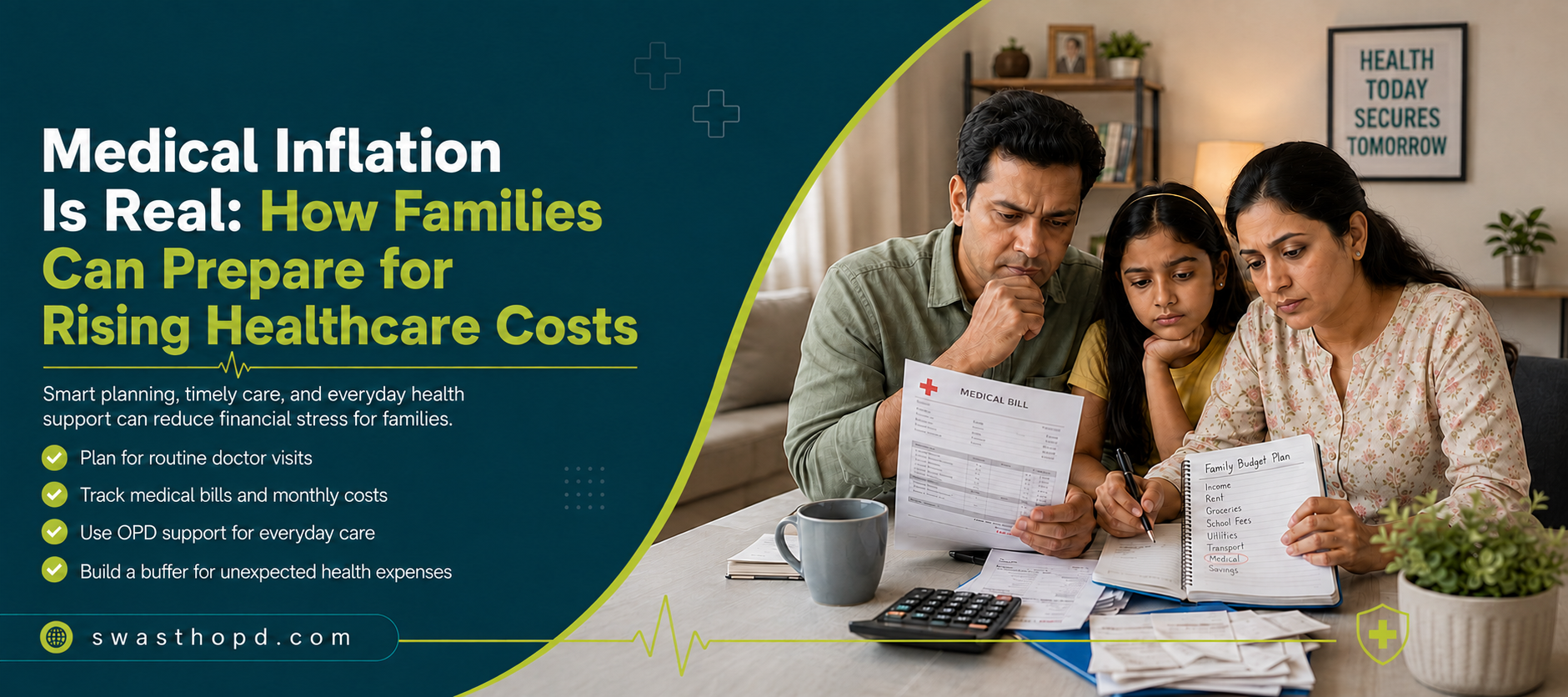
Healthcare costs in India continue to rise. According to the National Health Accounts Estimates published by the National Health Systems Resource Centre, out-of-pocket health expenditure remains a significant financial burden for Indian households. Preventive care and regular OPD consultations cost far less than emergency hospitalization. Families that invest in routine health monitoring are better positioned to avoid the sudden financial shocks that come with serious illness.
What role does health planning play in family well-being?
When parents are proactive about their own health, children grow up in a household that treats health as a priority. Working adults who stay on top of their health perform better, experience less burnout, and are more present for their families. Long-term health security is built on consistent, proactive choices—not just good intentions.
What Are the Risks of Ignoring Your Health?
Ignoring minor symptoms or skipping routine check-ups might feel harmless in the short term. Over time, the consequences can be significant:
- Small symptoms become bigger problems. A slightly elevated blood sugar level ignored for two years can develop into full-blown Type 2 diabetes requiring medication, dietary changes, and regular specialist visits.
- Treatment costs increase. Managing a chronic condition that went undetected for years is considerably more expensive than early intervention.
- Stress and uncertainty grow. Not knowing your health status creates a background level of anxiety that affects sleep, productivity, and relationships.
- Work performance suffers. Unmanaged health conditions—whether physical or mental—directly affect concentration, energy levels, and overall output at work.
The cost of ignoring health is never zero. It simply gets deferred.
How Do Regular Health Checkups Help You Stay Ahead?
Regular health check-ups give you a clear picture of where your health stands. They’re not just for people who feel unwell—they’re for anyone who wants to stay well.
Key check-ups to consider annually or as advised by a doctor:
- Blood sugar test – to screen for pre-diabetes or diabetes
- Blood pressure monitoring – high BP often has no visible symptoms
- Lipid profile – to assess cholesterol levels and cardiovascular risk
- Thyroid function test – especially important for women above 30
- Complete blood count (CBC) – general health indicator
- Preventive consultations – for dental health, vision, and mental wellness
- Doctor follow-ups – for those managing ongoing conditions
For many working professionals and busy parents, the barrier to regular check-ups is not awareness—it’s access and cost. This is exactly where structured OPD coverage [insert internal link here] becomes valuable.
What Is the Role of OPD Care in Proactive Healthcare?
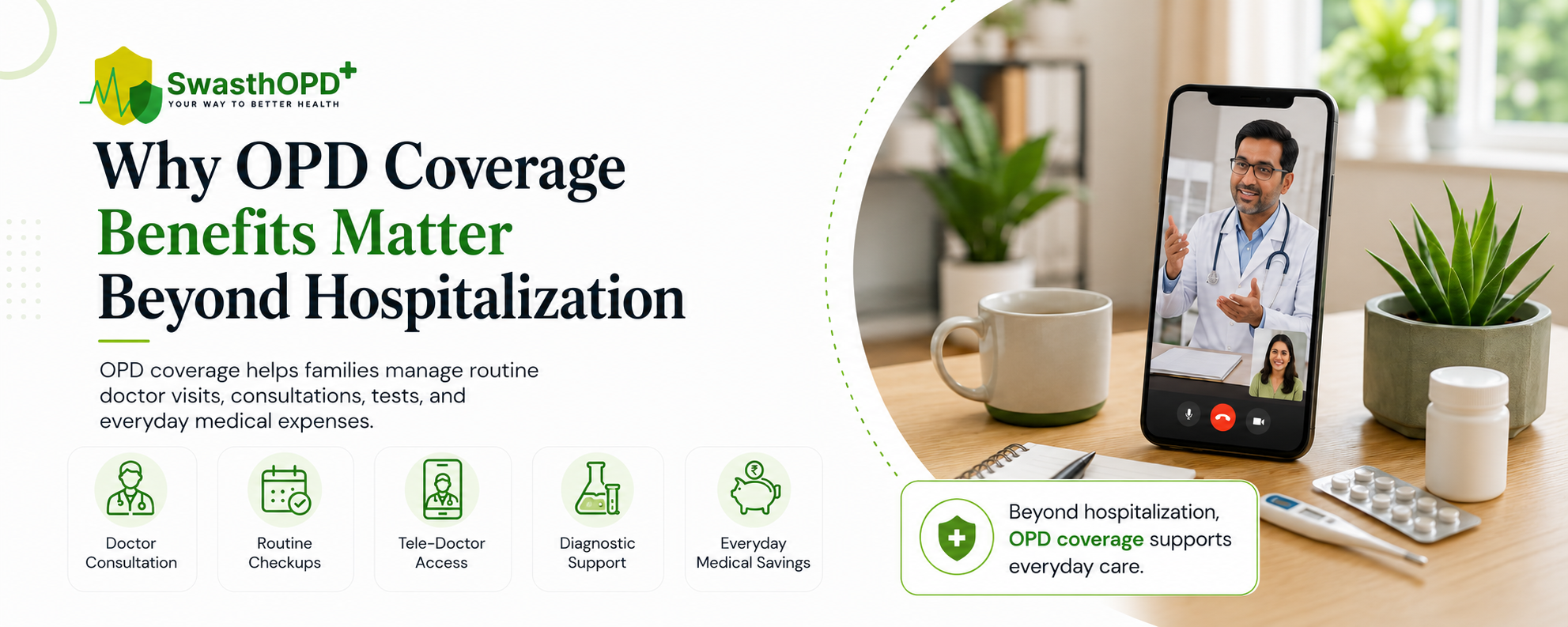
OPD, or Out-Patient Department care, is the backbone of everyday healthcare. Unlike hospitalization, OPD care covers doctor consultations, diagnostic tests, follow-ups, and preventive screenings without requiring an inpatient stay.
OPD care supports proactive healthcare because it makes routine medical interaction affordable and accessible. With structured OPD care:
- You can consult a doctor at the first sign of a symptom—not just when it becomes urgent
- Diagnostic tests become affordable and routine
- Follow-up appointments actually happen, rather than being postponed due to cost
- Preventive care gets built into regular life, not treated as a luxury
India’s digital healthcare infrastructure is also evolving rapidly. Initiatives like the Ayushman Bharat Digital Mission are working to build a connected digital health ecosystem across the country, making it easier for individuals to access healthcare records, consult providers, and navigate the system. Structured OPD plans complement this ecosystem by bridging the cost gap that prevents many people from accessing everyday care.
Why Should Families Choose Preventive Healthcare?
A family’s health is not the sum of individual check-ups—it’s a shared ecosystem. When one family member manages a health condition proactively, others benefit too. When one person neglects their health, the burden often falls on the whole family.
Here’s what preventive healthcare looks like across a typical Indian family:
- Parents and older adults need regular check-ups for blood pressure, diabetes, heart health, and joint health. Many chronic conditions that affect seniors develop silently during middle age.
- Children benefit from timely consultations for common illnesses, growth monitoring, and vaccinations—preventing small issues from disrupting school, development, and family routines.
- Working adults face rising risks of lifestyle-related conditions—hypertension, obesity, anxiety, and back problems—driven by long hours, sedentary work, and poor eating patterns. Regular health monitoring helps catch these early.
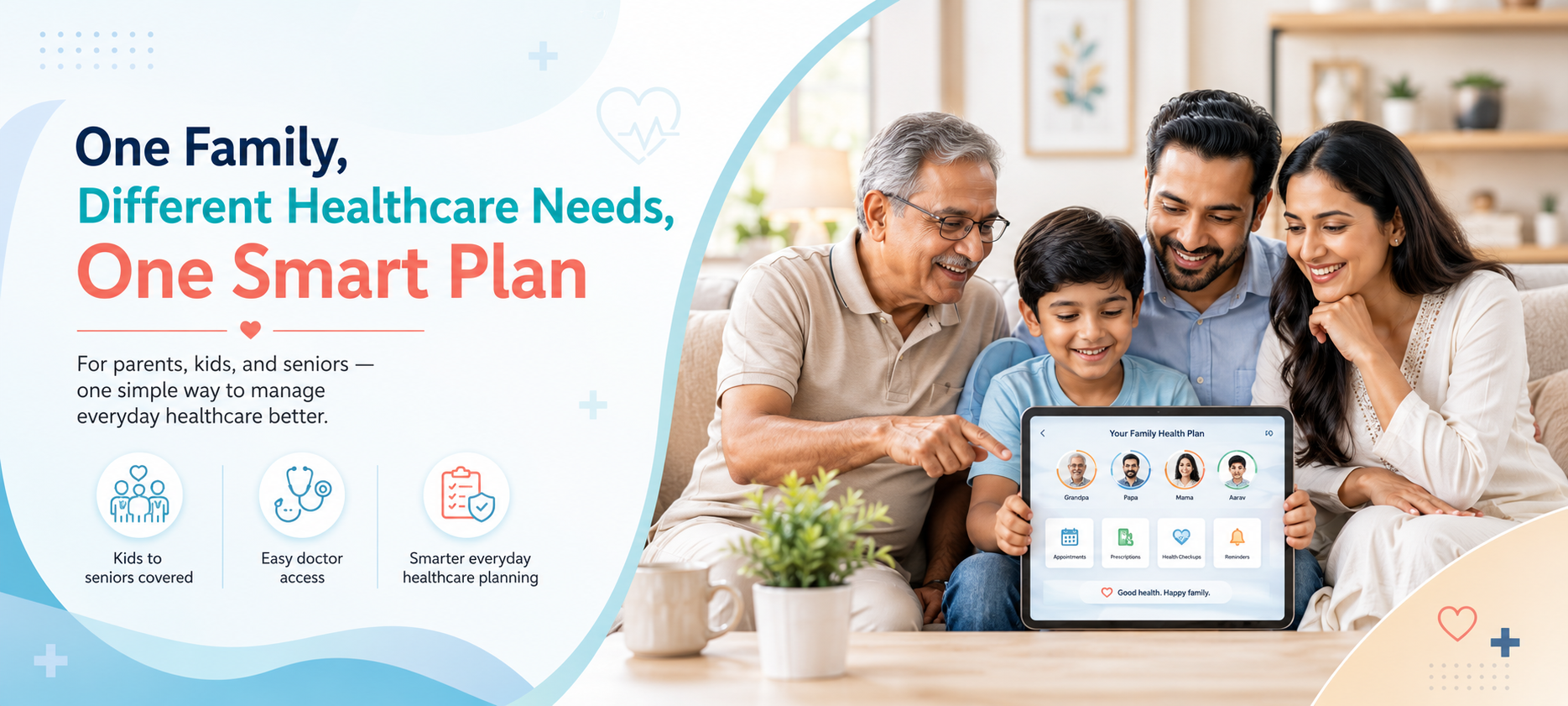
A family that plans for health together faces fewer crises. Swasth OPD Plans are structured to cover up to four family members, making it practical for households to access preventive care without managing multiple separate subscriptions.
Why Should Businesses Promote Proactive Healthcare for Employees?
For HR managers and business owners, employee health directly affects organizational performance. A workforce that lacks access to routine healthcare costs organizations far more than the investment in structured wellness support.
Consider the impact:
- Absenteeism increases when employees deal with untreated or poorly managed health conditions
- Presenteeism—showing up to work while unwell—reduces productivity even when attendance numbers look healthy
- Mental health challenges go unaddressed without structured access to wellness consultations
- Attrition rises in environments where employees feel their well-being isn’t a priority
Proactive healthcare for employees means fewer sick days, more sustained performance, and a stronger organizational culture. Businesses that offer employee wellness solutions—including structured OPD coverage and preventive health benefits—signal that they value their teams beyond output metrics.
Structured Swasth OPD Plans [insert internal link here] offer employee wellness solutions that give organizations a simple, affordable way to provide meaningful health support without the complexity of full group insurance programs.
How Does Swasth OPD Help You Choose Certainty?
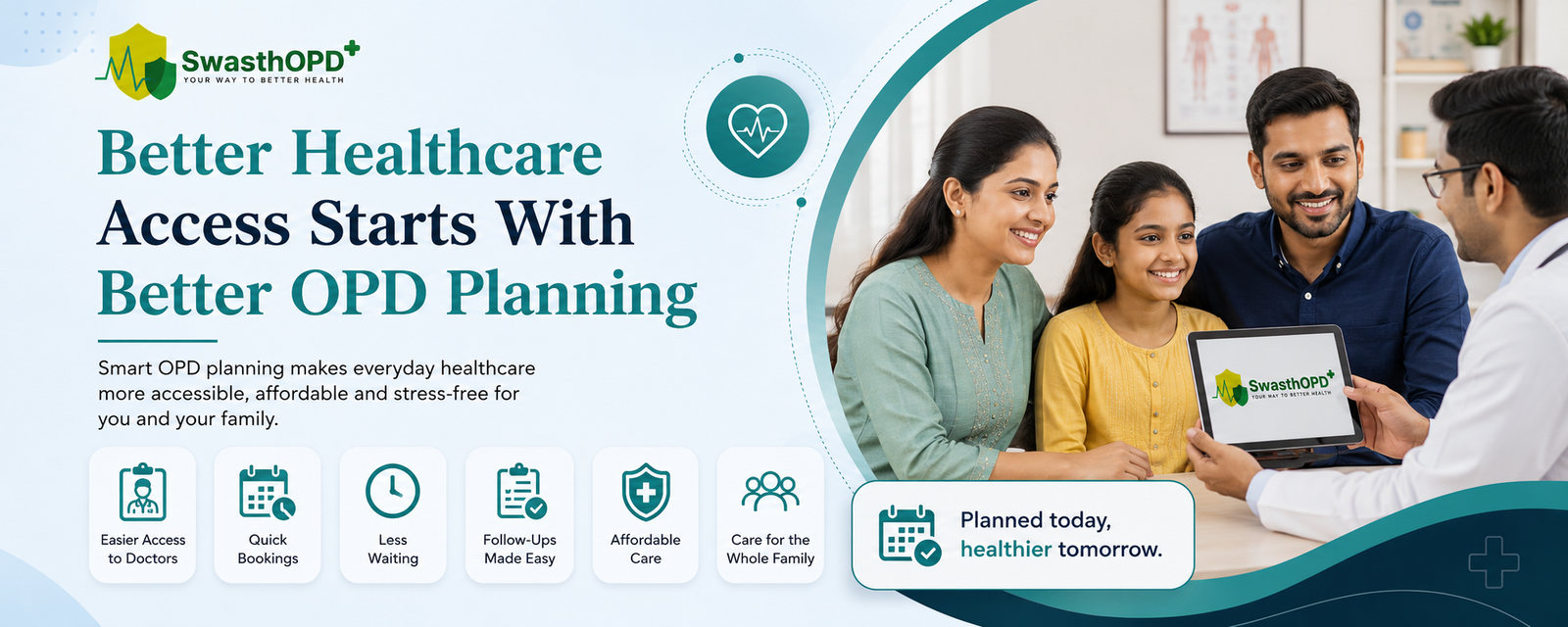
Swasth OPD is a preventive healthcare platform that helps individuals, families, and organizations access everyday healthcare in a structured, affordable way.
Here’s what Swasth OPD provides:
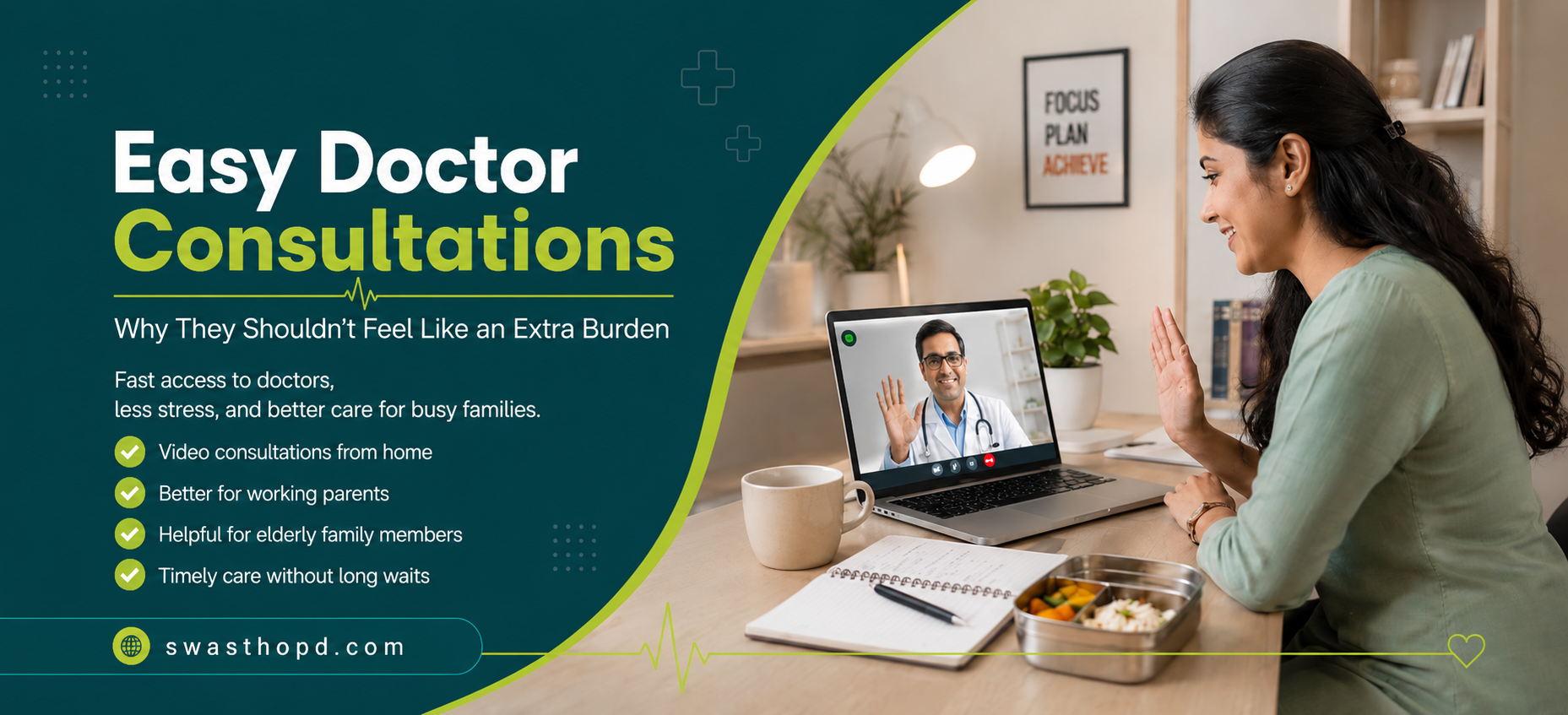
- Unlimited Tele Doctor Consultations – consult a doctor from wherever you are, without waiting
- In-Person General Physician Consultations – for when an in-clinic visit is needed
- Diagnostic & Radiology Benefits – up to 50% off on tests and packages
- Pharmacy Wallet – discounts on prescribed medicines
- At-Home Services – including dental scans and diabetic consultations
- Mental Wellness Consultations – available in select plans
- Cashless OPD support – reducing financial friction for everyday healthcare
- Ambulance access – 24×7 availability in higher-tier plans
- Accidental and hospitalization insurance – included at no additional cost across all plans
Plans cover up to four family members and are designed to meet a range of needs and budgets—from the entry-level Life Plan (₹5,000 + GST) to the comprehensive Grand Protect Plan (₹45,000 + GST).
For businesses, Swasth OPD’s employee wellness solutions make it straightforward to extend structured healthcare benefits to an entire workforce.
Explore Swasth OPD Plans [insert internal link here] to find the right fit for your family or team.
Your Health Decisions Today Shape Your Tomorrow
Waiting for a health crisis to take healthcare seriously is a costly strategy—financially, physically, and emotionally. The families and professionals who invest in regular check-ups, timely consultations, and structured preventive healthcare don’t just avoid illness. They build confidence, stability, and long-term well-being.
Proactive healthcare isn’t a luxury reserved for those with time and money. With the right plan, it’s accessible, affordable, and practical—for individuals, families, and organizations of every size.
Choose certainty with Swasth OPD. Start making proactive health decisions today.
Frequently Asked Questions
What is proactive healthcare?
Proactive healthcare means actively managing your health before problems develop or worsen. It involves regular check-ups, preventive screenings, timely doctor consultations, and follow-up care. The goal is early detection and prevention, rather than treatment after a condition has already progressed.
Why are regular health checkups important for long-term well-being?
Regular health check-ups allow doctors to identify risk factors and early signs of conditions like diabetes, hypertension, or thyroid disorders before they become serious. Early detection leads to simpler treatment, lower costs, and better outcomes. Skipping routine check-ups increases the risk of late diagnosis and more complex health challenges down the line.
What is the difference between proactive and reactive healthcare?
Proactive healthcare focuses on prevention, early detection, and routine monitoring. Reactive healthcare involves seeking medical attention only after a problem has already become serious. Proactive care results in better health outcomes, lower long-term costs, and reduced uncertainty. Reactive care is often more expensive, more stressful, and less effective.
How does OPD care support preventive healthcare?
OPD care covers doctor consultations, diagnostic tests, follow-ups, and preventive screenings without requiring hospitalization. Structured OPD plans make these services affordable and routine, which encourages people to seek care early rather than delaying until a problem escalates. Regular OPD access is one of the most practical ways to build a proactive healthcare habit.
How can Swasth OPD help with proactive healthcare planning for individuals and families?
Swasth OPD provides structured healthcare plans that include tele and in-person doctor consultations, diagnostic benefits, pharmacy discounts, mental wellness support, and cashless OPD access—all designed for everyday healthcare needs. Plans cover up to four family members and are available at different price points to suit varying budgets. Swasth OPD makes it practical for individuals, families, and businesses to shift from reactive to proactive healthcare.