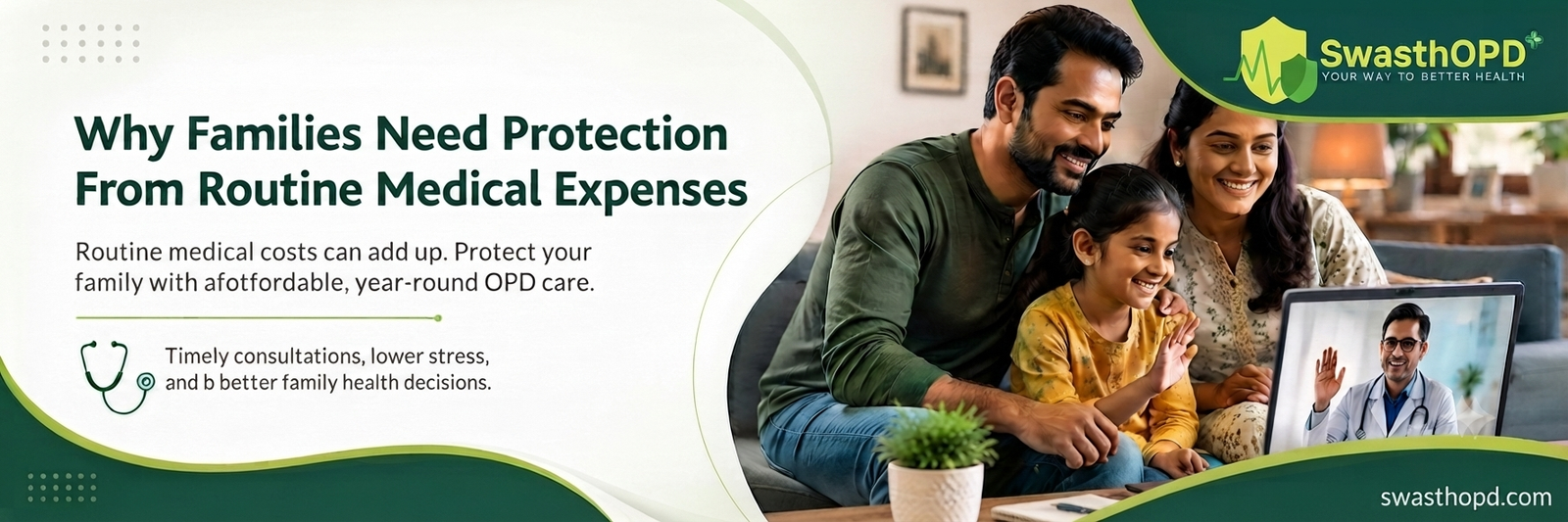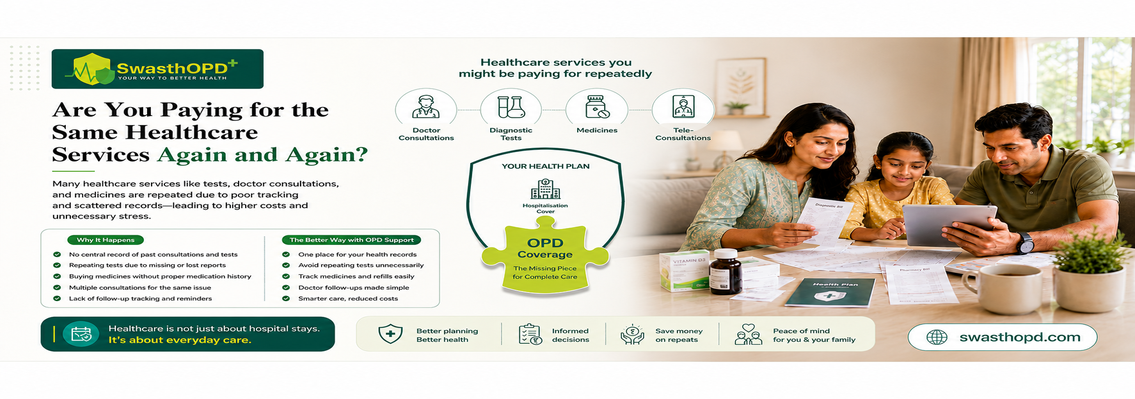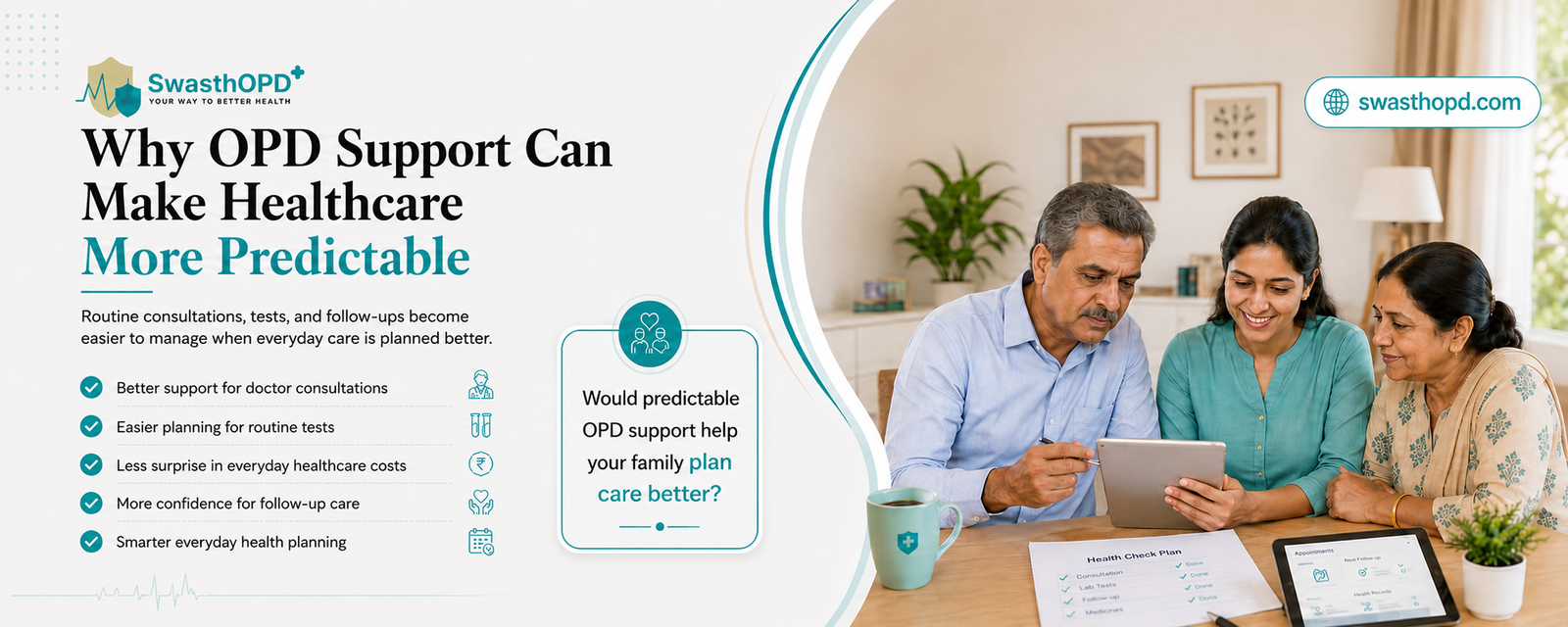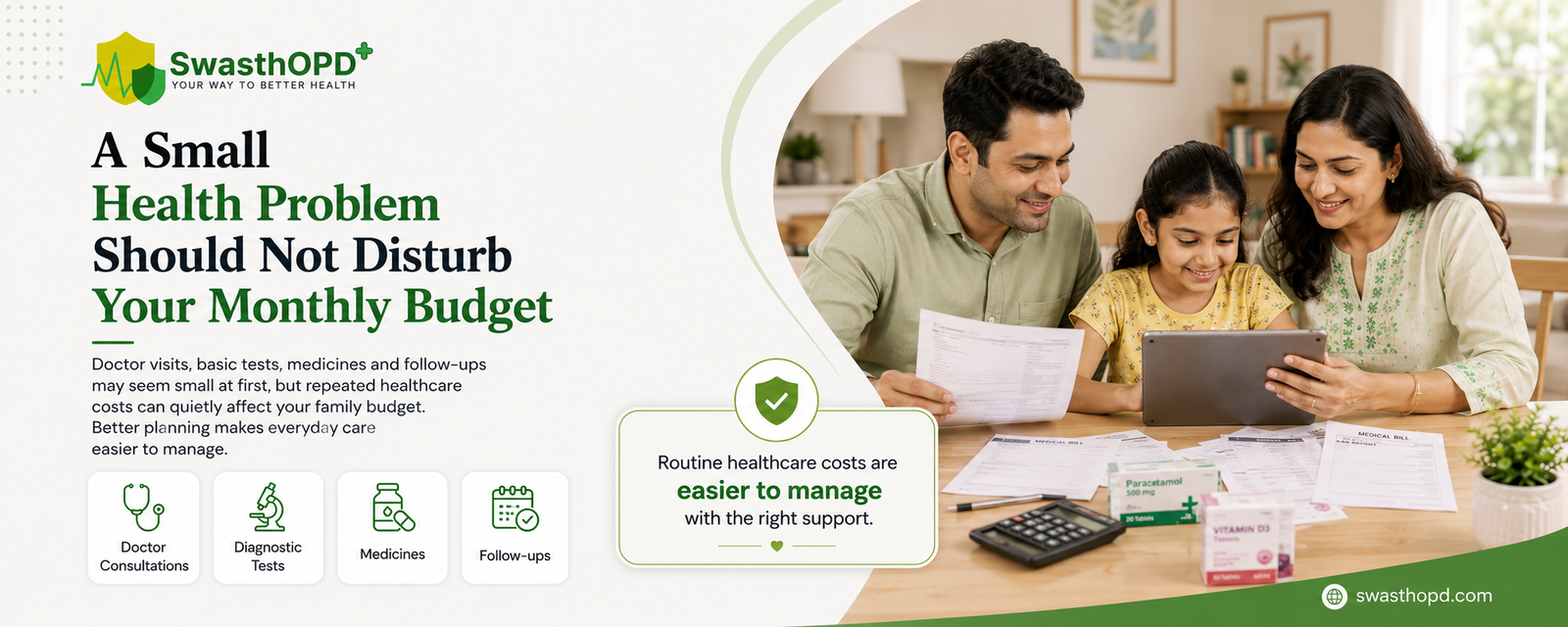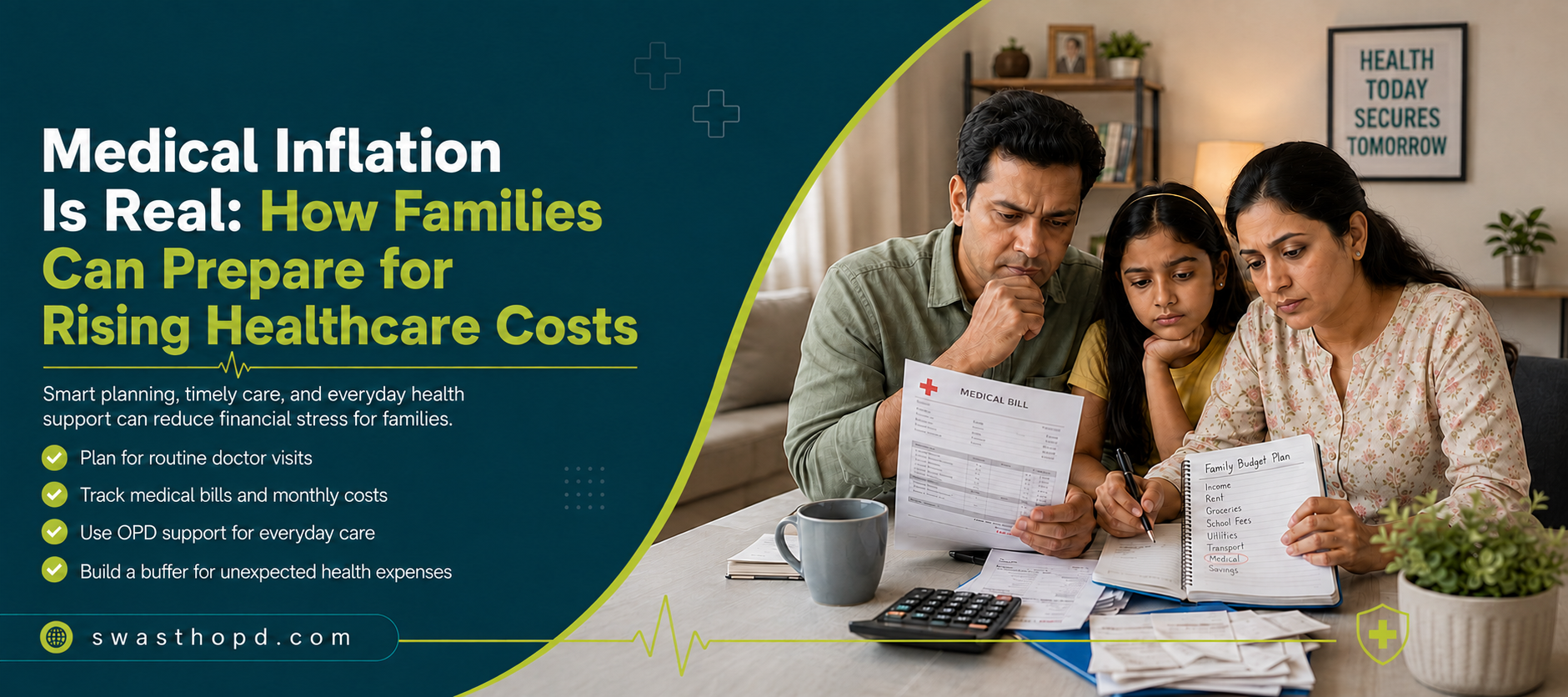
Every household budgets for rent, groceries, and school fees, but very few sit down and plan for doctor visits. That’s usually where the trouble starts. A sudden fever, a child’s ear infection, or a parent’s routine check-up turns into a scramble for cash and a rushed clinic visit. Better OPD planning changes this pattern. Instead of reacting to health needs as they show up, it means thinking ahead about where you’ll go, what it will cost, and how you’ll pay for it, before you actually need care. Most families only realise this gap once they’ve already faced healthcare accessibility problems firsthand.
Why Most Families Only Think About Healthcare During an Emergency
Health insurance conversations in India almost always focus on hospitalization. That makes sense; a surgery or an ICU stay can wipe out savings in days. But the truth is, most medical spending in a typical year isn’t hospitalization at all. It’s doctor consultations, blood tests, X-rays, dental visits, and medicines picked up on the way home from work. These outpatient costs are smaller individually but add up fast across a family of four or five.
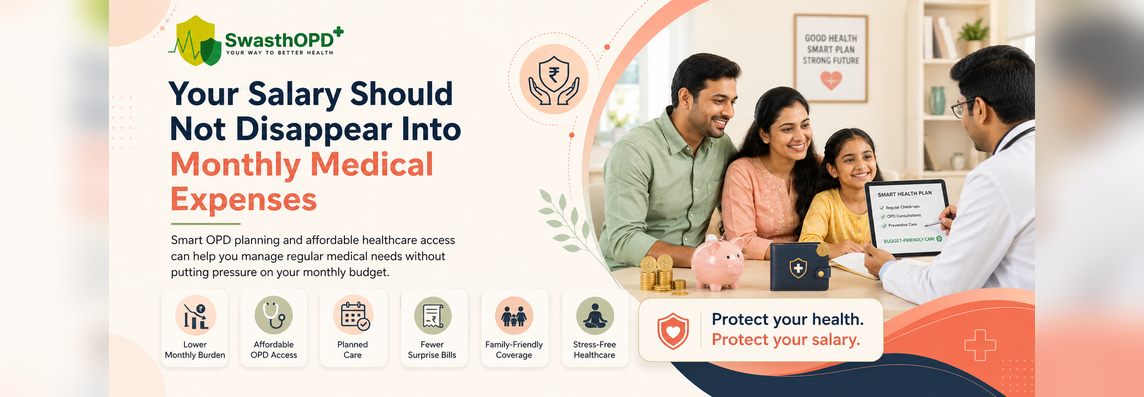
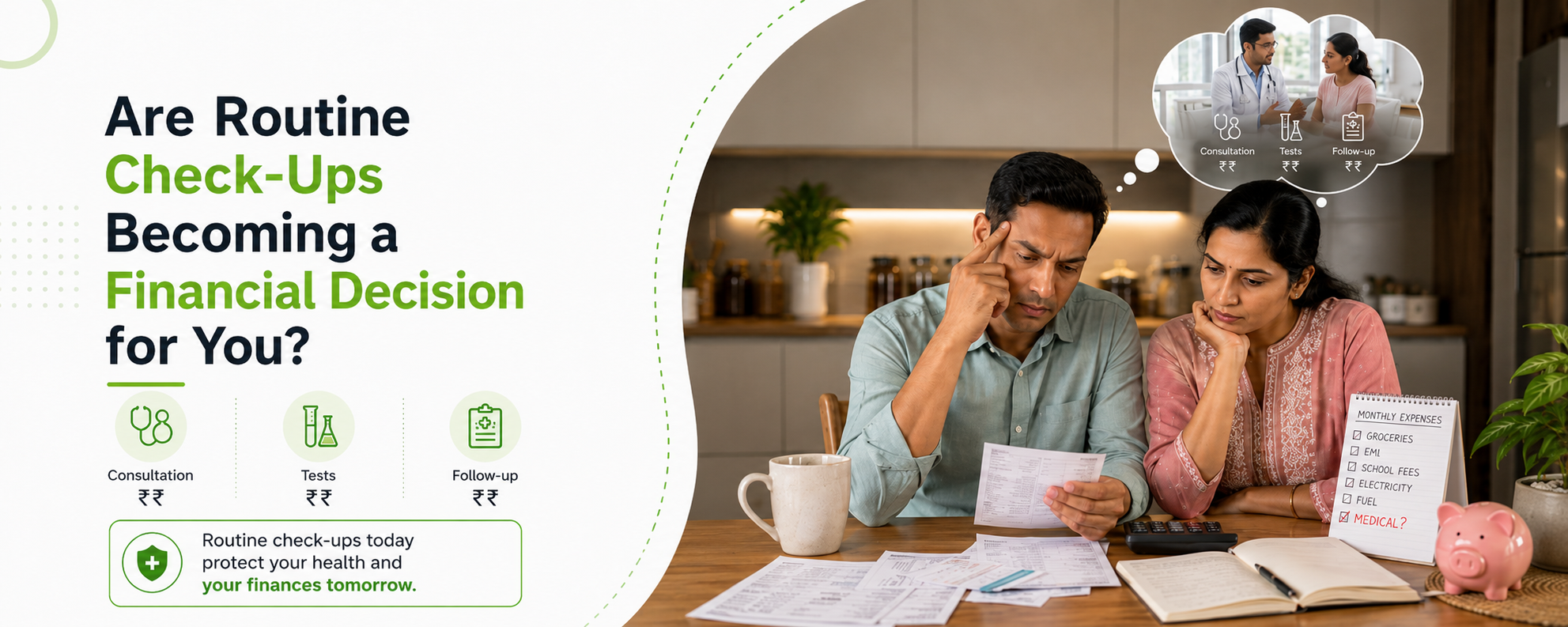
Because OPD expenses feel “manageable” one at a time, families rarely plan for them as a category. A ₹600 consultation here, a ₹1,200 lab test there, it doesn’t feel urgent until you tally a year’s worth of receipts. Reviewing your options for healthcare cost management early on makes this tallying far less painful later.
What Better OPD Planning Actually Looks Like
Building better OPD planning into your routine isn’t complicated, but it does need a system. A few things separate families who manage this well from those who don’t:
- Keeping a rough monthly estimate for routine doctor visits and tests
- Knowing which clinics or diagnostic centres offer discounts or tie-ups
- Scheduling annual check-ups instead of waiting for symptoms
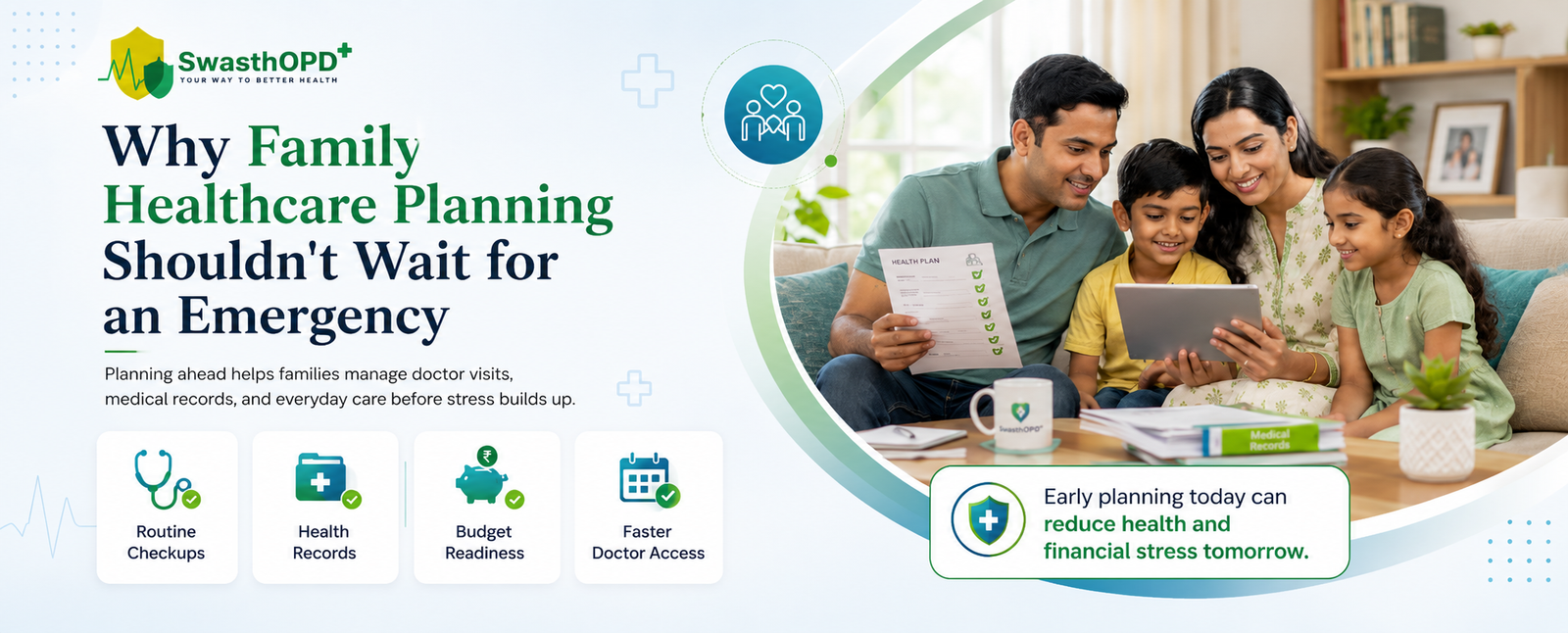
- Having one place (digital or physical) where prescriptions and reports are stored
None of this requires a big budget. It just requires treating OPD care as a recurring need, the same way you treat electricity bills or school fees, rather than a surprise expense.
Common Mistakes Families Make With Everyday Healthcare
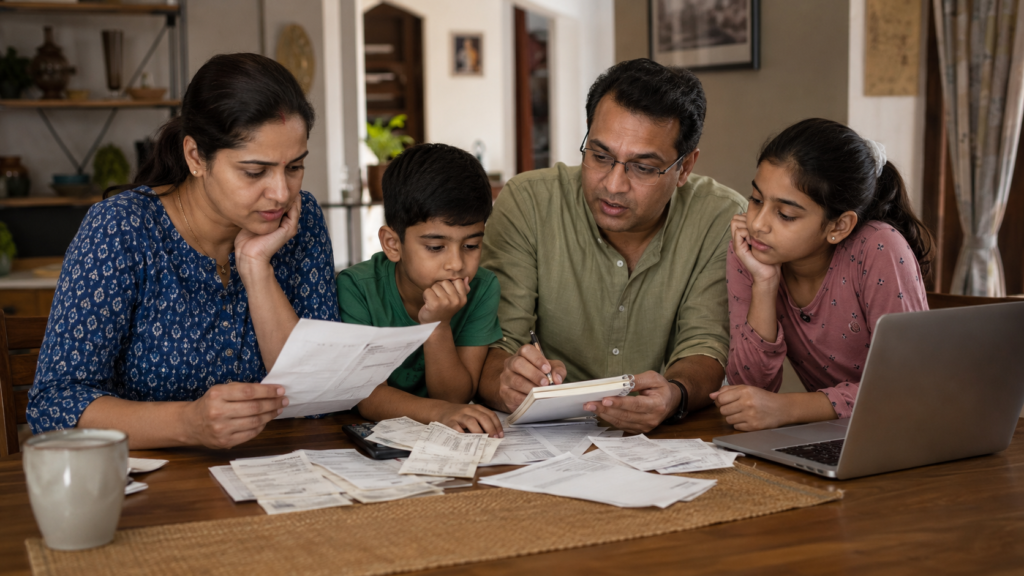
One of the biggest mistakes is delaying a doctor visit to “save money” and ending up with a bigger bill later, because a minor issue turned serious. Another common one is not comparing diagnostic centre prices; the same blood test can cost noticeably different amounts across labs in the same city.
Many families also forget to track their own OPD spending. Without records, it’s hard to know if a cashless health card or an OPD-inclusive plan would actually save money over the year. Better OPD planning starts with simply knowing your own numbers, something a proper family health planning routine makes much easier to track.
Simple Steps To Build a Healthier Routine
Better OPD planning doesn’t need a big overhaul, it starts small. Pick one day a month to review upcoming vaccinations, pending tests, or a check-up that’s overdue. Keep a shared family health folder, even a phone notes app works, listing each member’s ongoing medicines and known conditions.
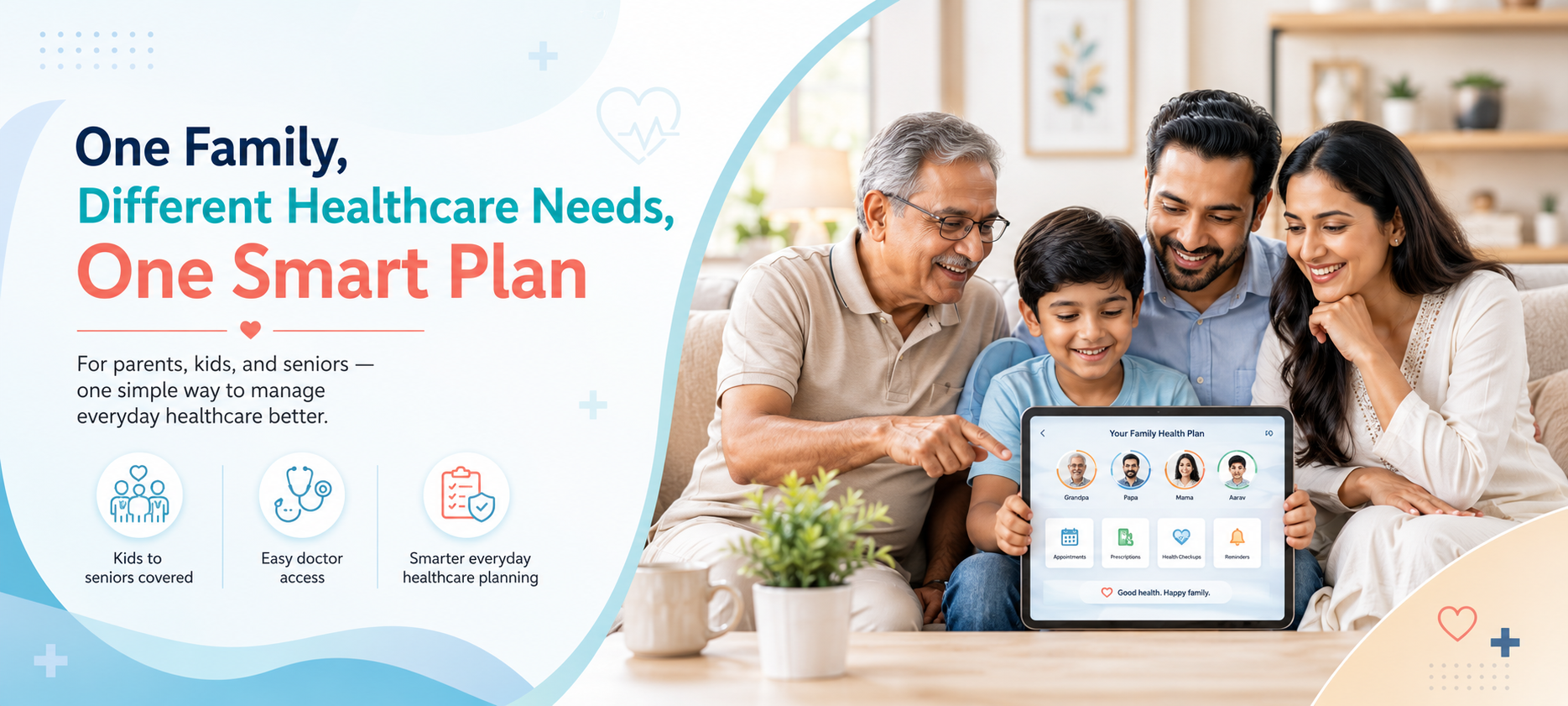
For parents managing both kids and ageing parents at home, this matters even more. Children need regular paediatric visits and vaccines; older parents often need more frequent monitoring for blood pressure, sugar, or joint issues. Spreading these visits out on a calendar, instead of letting them pile up, makes both the cost and the logistics far easier to handle.
Why Preventive Care Saves More Than It Costs
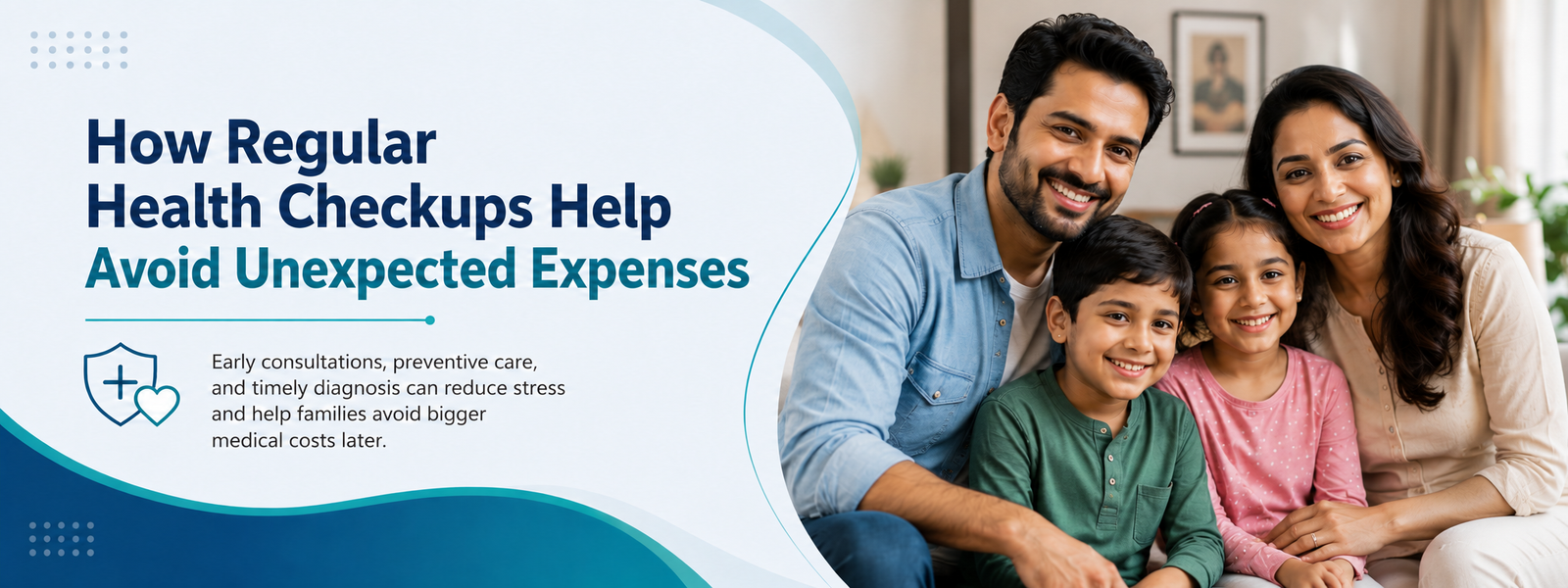
A full body check-up once a year usually costs less than a single unplanned hospital visit caused by a condition that went unnoticed. Catching high blood pressure, borderline sugar levels, or early thyroid issues early means simpler, cheaper treatment and fewer complications down the line, which is exactly why preventive care benefits tend to outweigh their upfront cost.
This is really the core idea behind better OPD planning: it shifts healthcare from something you react to, into something you actively manage. Over a year, that shift shows up as fewer emergency visits, lower overall spending, and, honestly, a lot less stress for the whole family.
How SwasthOPD Can Help
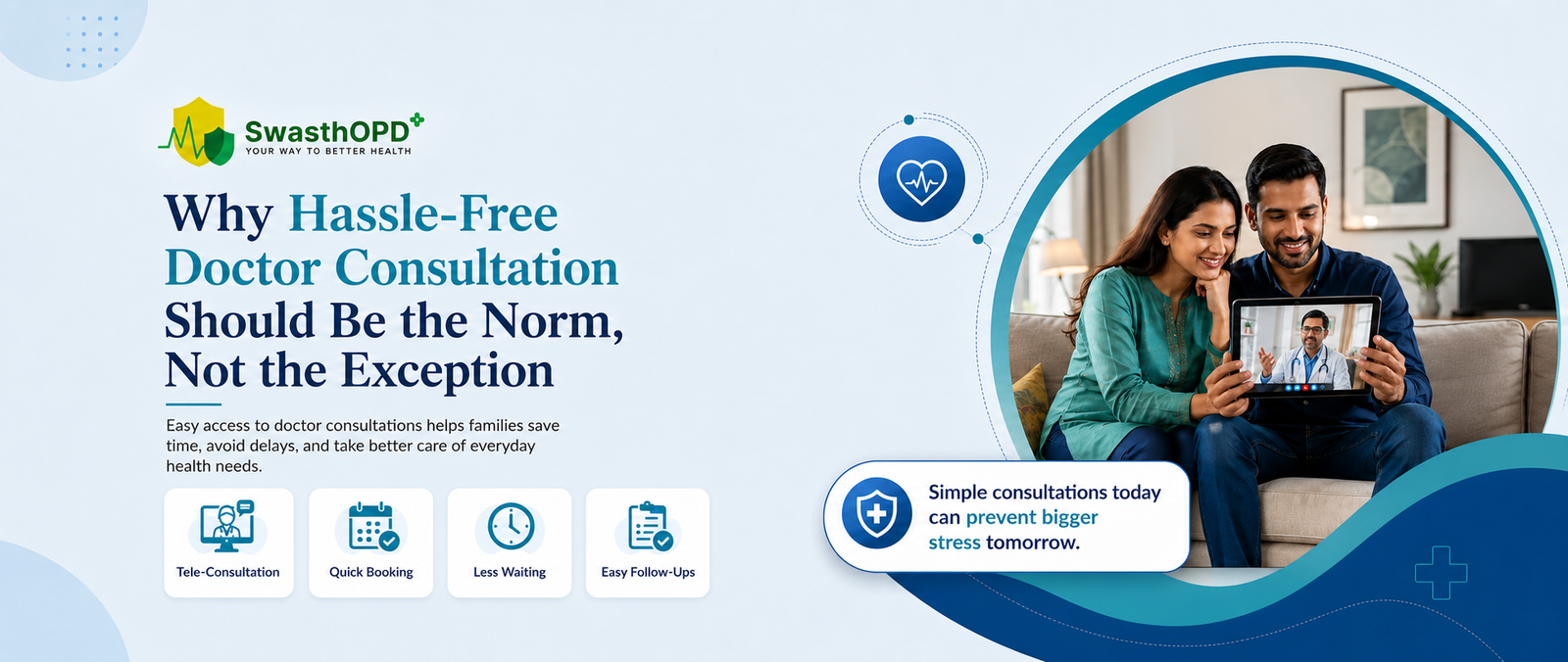
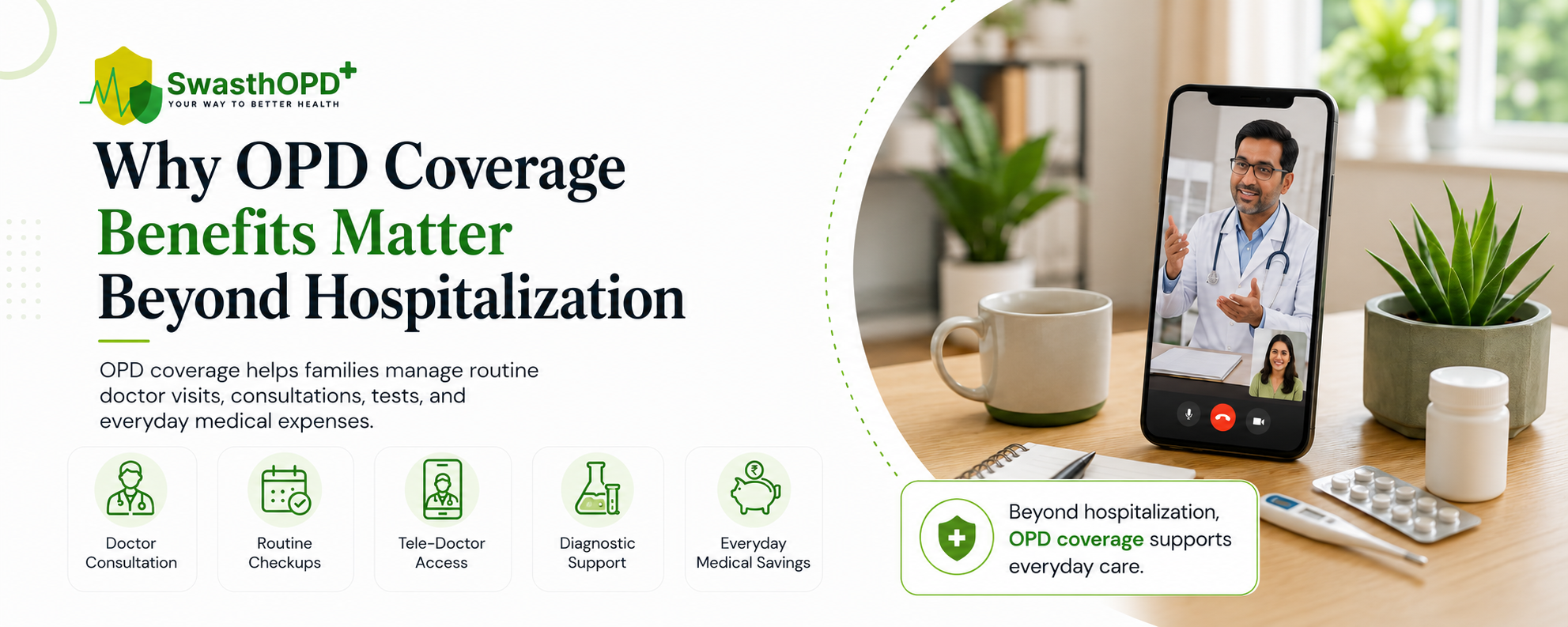
Once you’re ready to put a system around your OPD expenses, SwasthOPD makes the next step easier. With cashless OPD benefits, tele-consultations, and discounted diagnostics under one plan, families don’t have to juggle receipts or wait for reimbursements after every clinic visit. It fits naturally alongside the habits mentioned above, turning planning into something that actually runs itself.
If your family is still handling every doctor visit and lab test out of pocket, it may be time to explore SwasthOPD plans and see how a structured OPD benefit can support the routine you’re already trying to build.