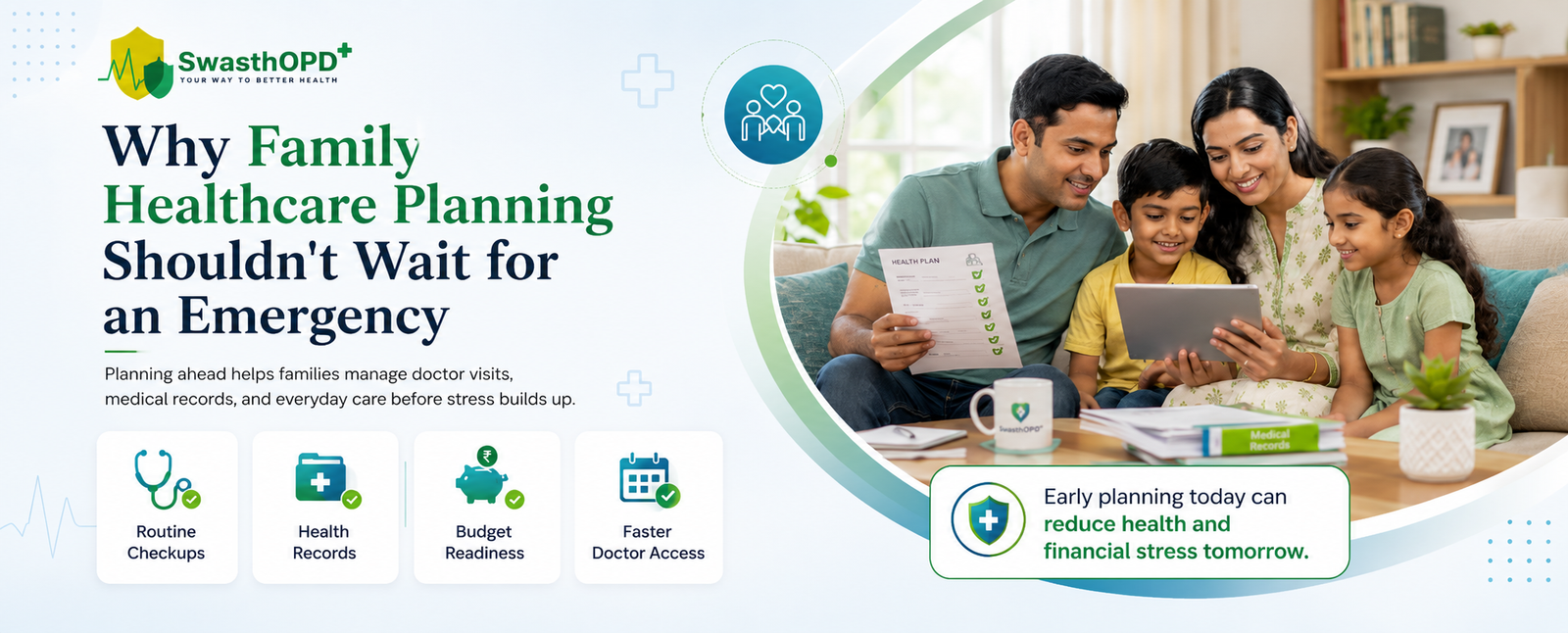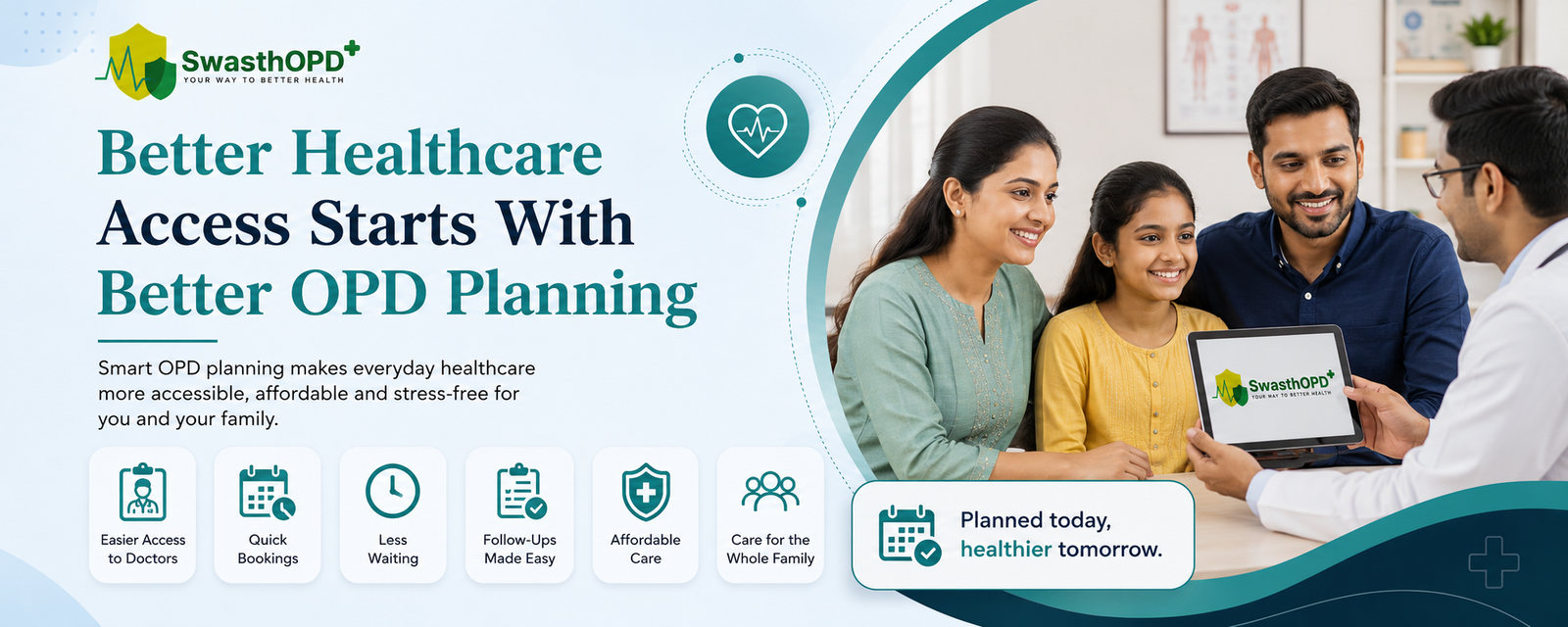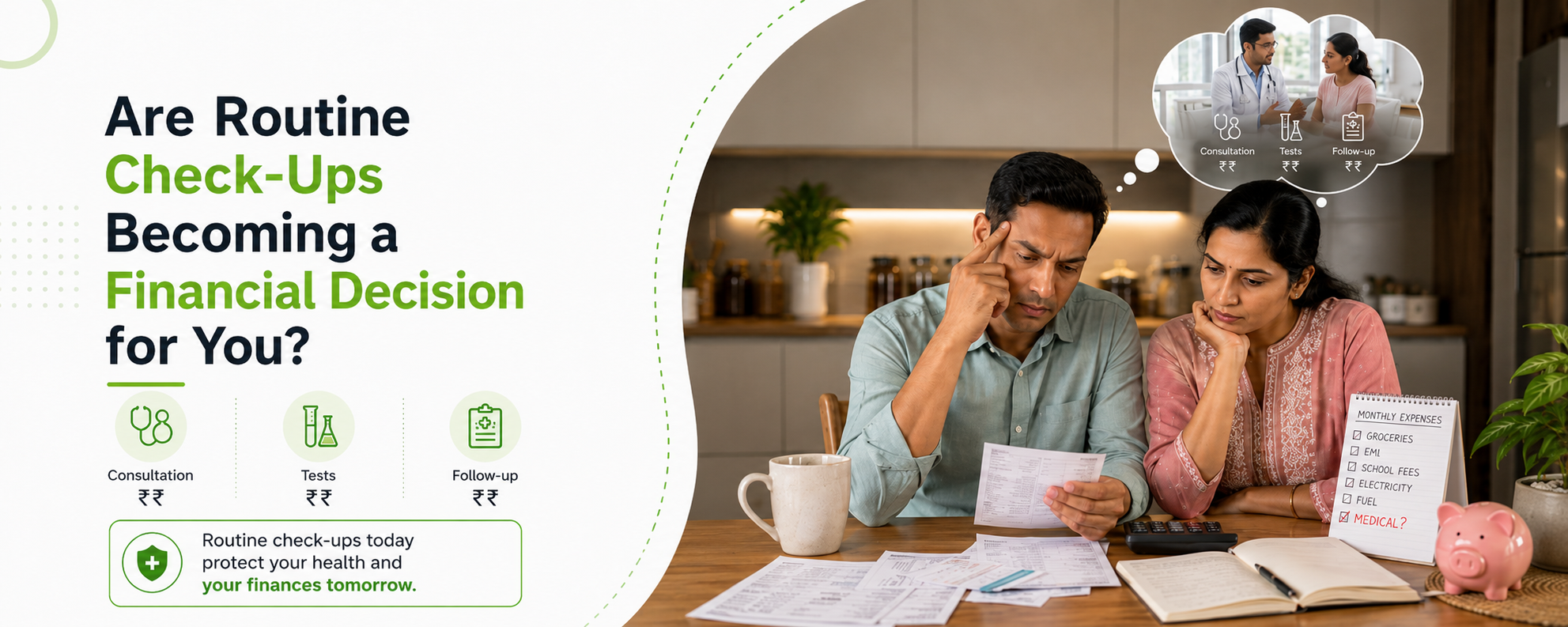

Most families only think about healthcare when someone gets sick. That approach is a mistake.
Waiting for illness creates sudden emotional stress. It also leads to unexpected financial strain. You cannot plan for a crisis while you are in the middle of one.
The right approach is preparing early. Family Health Planning is a proactive way to protect your loved ones. It replaces panic with preparation. Planning ahead keeps your family healthier and your finances secure.
What Is Family Health Planning?
Family Health Planning is the process of organizing and managing the healthcare needs of everyone in your home. It covers routine health checkups, preventive care, emergency preparedness, and everyday lifestyle choices. It ensures you have reliable access to healthcare services when you need them.
Many assume healthcare planning is only for the elderly. That is incorrect. Every family benefits from a health plan, regardless of age or income level.
Reactive healthcare focuses on treating illness after it happens. Family Wellness Planning focuses on preventing illness before it starts. This shift in focus saves time, money, and lives.
Why Family Health Planning Is Crucial Today
Healthcare costs are climbing every year. A single medical emergency can wipe out years of savings.
At the same time, lifestyle-related conditions are common. Diabetes, obesity, hypertension, and heart disease affect millions. You need a strategy to handle these realities.
This makes preventive care and early diagnosis essential. You must maintain healthcare readiness for emergencies. According to the Centers for Disease Control and Prevention, routine preventive care can significantly reduce healthcare costs and improve your quality of life. Early detection consistently leads to better treatment outcomes.
Key Benefits of Family Health Planning
Better Preventive Care
A solid plan guarantees you stay on top of regular health screenings. It tracks vaccinations and ensures early detection of serious health conditions.
Reduced Medical Expenses
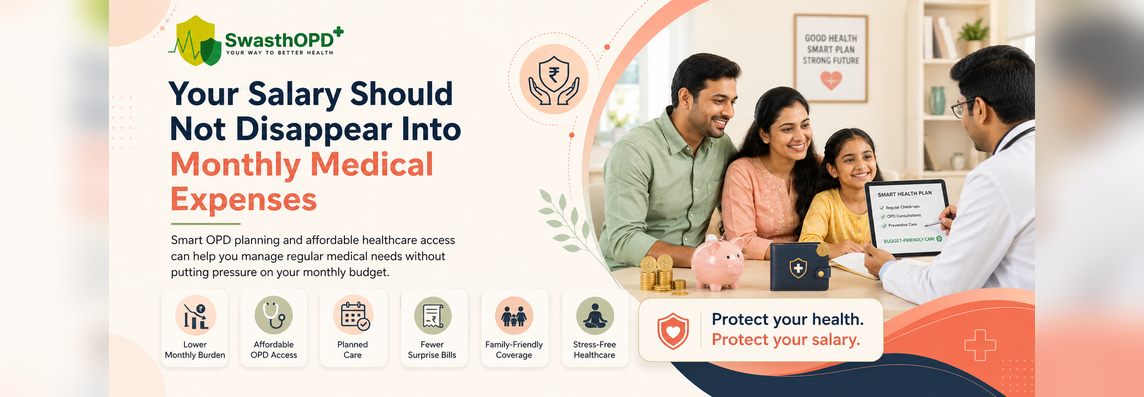
Treating severe illness is expensive. Family Health Protection helps you avoid costly emergency treatments. It allows you to manage chronic conditions safely before expensive complications arise.
Improved Family Well-Being
Physical health improves when you track it. Mental health improves when you prioritize it. Planning encourages healthier lifestyle habits across your entire household.
Peace of Mind
Uncertainty causes anxiety. Families feel more confident knowing they are prepared for unexpected medical situations. You know exactly what to do when a problem occurs.
Better Healthcare Decisions
Planning gives you time to research. It leads to more informed choices about primary care physicians, treatments, and medical screening options.
Essential Components of an Effective Family Health Plan
Regular Health Checkups
You need a schedule for annual physical examinations. This includes dental checkups, eye examinations, and age-specific medical screening.
Healthy Lifestyle Management
Your daily habits dictate your long-term health. This requires a balanced diet and regular physical activity. It also means getting proper sleep and practicing stress management.
Medical Record Organization
Lost records lead to medical errors. You must keep records of prescriptions, test reports, vaccination history, and existing medical conditions. Using digital health records makes this process foolproof.
Emergency Healthcare Preparedness
Emergencies require speed. Keep emergency contacts visible. Know the routes to nearby hospitals and clinics. Maintain updated first-aid kits and establish clear family emergency response plans.
Access to Healthcare Services
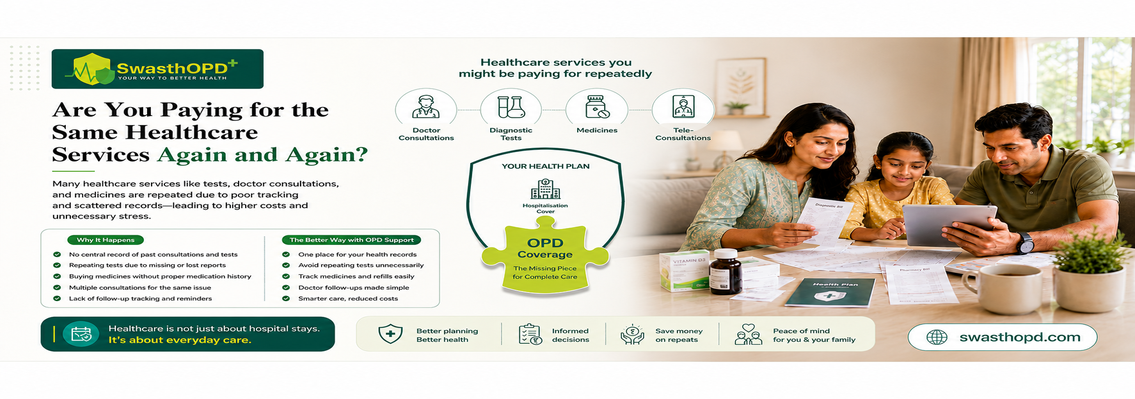
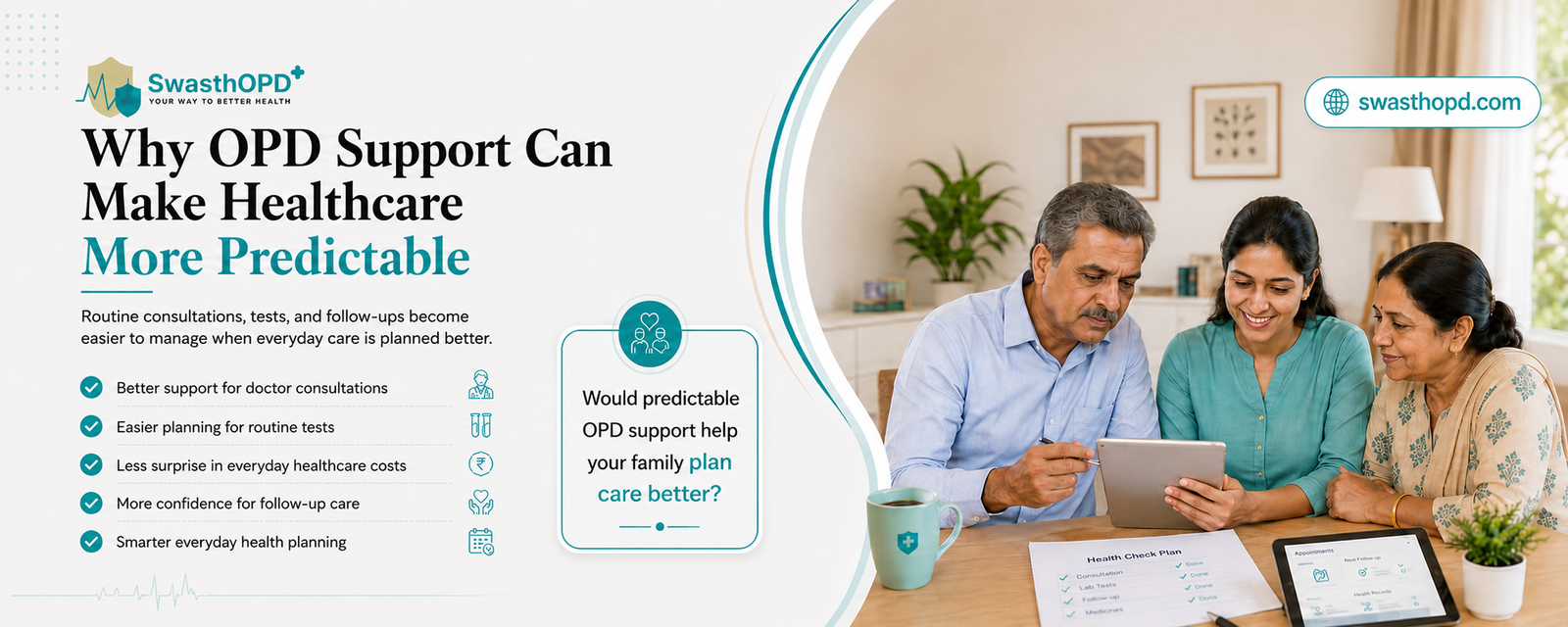
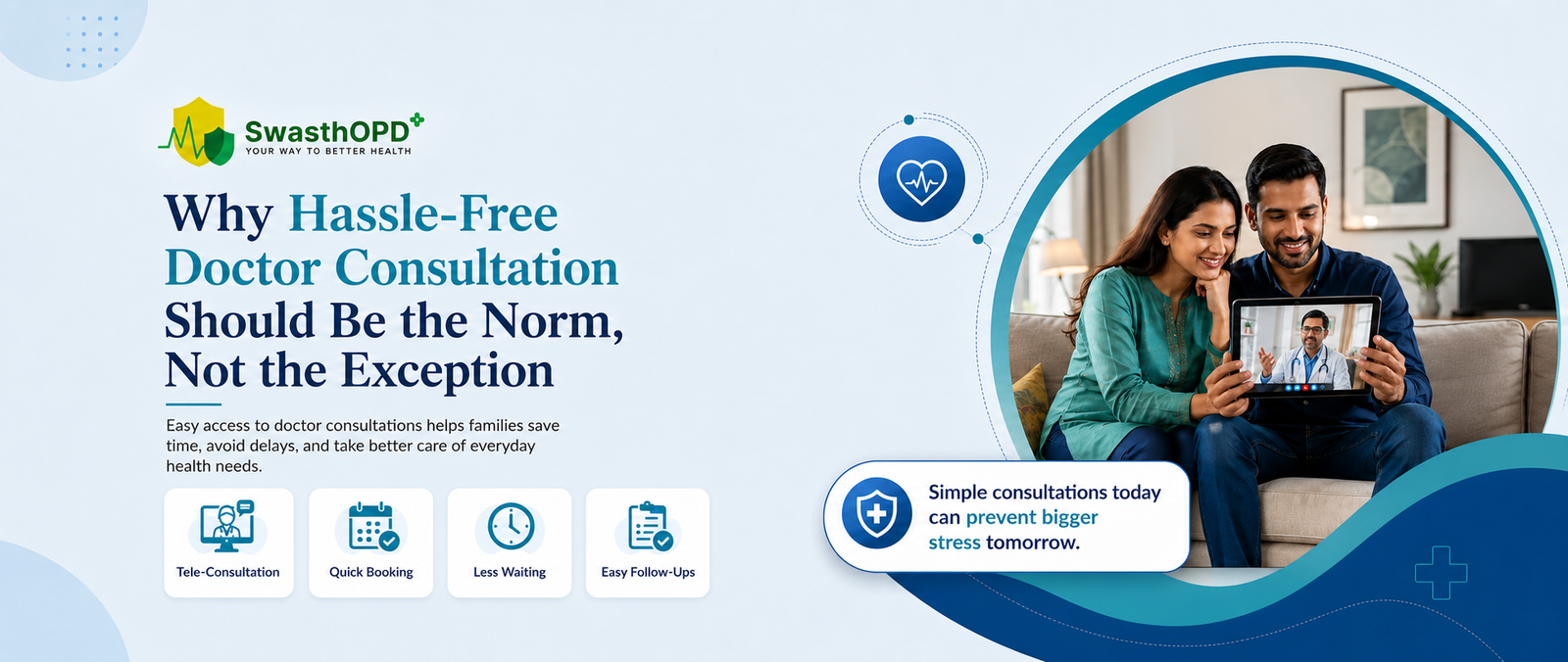
You need reliable availability of healthcare providers. This includes setting up telemedicine services for routine consultations. A HealthTech Company like Swasth OPD provides a Healthcare Platform that simplifies this access through affordable Cashless OPD options.
How to Create a Family Health Plan: Step-by-Step Guide
Step 1: Assess Your Family’s Health Needs
Review the age, medical history, and current health conditions of everyone in your home. You cannot build a plan without knowing your starting point.
Step 2: Set Health Goals
Define what success looks like. Examples include weight management, better nutrition, regular exercise, and completing preventive screenings.
Step 3: Schedule Routine Checkups
Create a master healthcare calendar. Log every appointment for all family members for the entire year.
Step 4: Build Healthy Habits
Turn goals into daily actions. Set up family nutrition planning, shared fitness activities, and practical stress-reduction practices.
Step 5: Prepare for Emergencies
Build an emergency contact list. Create a medical information folder. Ensure adults and older children have basic first-aid training.
Step 6: Review and Update the Plan Regularly
Plans expire as situations change. Conduct quarterly or annual reviews to keep your Family Healthcare Management strategy accurate.
The Role of Preventive Healthcare in Family Health Planning
Preventive Healthcare for Families focuses on stopping diseases before they become serious. It is the foundation of long-term health management.
This includes maintaining vaccinations and booking routine screenings. You should regularly monitor blood pressure and conduct diabetes and cancer screenings. Participating in employee wellness solutions or wellness programs also supports this goal.
The benefits are clear. You reduce health risks. You catch diseases early. You lower your overall treatment costs.
Common Mistakes Families Make
Mistake 1: Ignoring routine health checkups.
Skipping checkups allows silent diseases to progress unnoticed.
Mistake 2: Waiting until symptoms appear.
Treating advanced symptoms is harder than preventing them.
Mistake 3: Neglecting mental health.
Mental health support is just as critical as physical patient care. Ignoring it breaks down overall family wellness.
Mistake 4: Poor lifestyle habits.
Bad diets and zero physical activity actively create chronic diseases.
Mistake 5: Lack of healthcare planning and preparation.
Without a plan, emergencies cause panic. Healthcare costs spiral out of control.
Mistake 6: Not maintaining medical records.
Missing data leads to incorrect treatments and wasted money on duplicate tests.
Family Health Planning Across Different Life Stages
Young Couples
Focus on building healthy habits early. Prioritize preventive screenings to catch genetic or lifestyle risks.
Families with Children
Track vaccinations strictly. Ensure consistent growth monitoring. Implement solid nutrition planning.
Working Professionals
Focus on managing stress and maintaining work-life balance. Keep up with regular health checkups despite busy schedules. Corporate wellness programs often help fill these gaps.
Senior Family Members
Prioritize chronic disease prevention and management. Ensure strict medication monitoring. Provide mobility and wellness support to maintain independence.
Practical Tips to Maintain Long-Term Family Health
Encourage healthy eating daily. Stay physically active as a group. Prioritize mental wellness and talk about stress. Schedule regular healthcare appointments and actually attend them. Limit unhealthy habits like smoking or excessive drinking. Monitor health indicators regularly. Create a supportive family environment where health is an open conversation.
The Future of Family Health Planning
Healthcare planning is moving online. Digital healthcare solutions make tracking easier. Telehealth services and doctor consultation apps remove the friction of waiting rooms.
Health monitoring apps track daily progress. Personalized health plans replace generic advice. As the Indian healthcare market evolves, preventive healthcare is finally becoming a priority rather than an afterthought.
Start Building Your Plan Today
Family Health Planning is not just about treating illness. It is about preventing health problems before they occur.
A proactive approach helps families stay healthier. It reduces stress and improves your overall quality of life.
Taking a few simple steps today can help protect your family’s health tomorrow. Start your Family Health Planning journey with Swasth OPD and build a healthier future for your loved ones. You can also explore our full range of services via our sitemap.
FAQs
What is Family Health Planning?
It is the process of organizing the healthcare needs of all family members. It includes preventive care, routine checkups, emergency preparedness, and lifestyle choices.
Why is Family Health Planning important?
It reduces medical expenses, catches diseases early, and ensures your family is prepared for emergencies.
What are the benefits of preventive healthcare?
Preventive care lowers health risks, enables early disease detection, and significantly reduces long-term treatment costs.
How often should a family health plan be reviewed?
You should review and update your plan at least once a year, or whenever a family member experiences a major health change.
How can families reduce healthcare-related stress and expenses?
By scheduling regular checkups, maintaining a healthy lifestyle, and using affordable platforms like Swasth OPD for teleconsultation and diagnostic services.
What role do regular health checkups play in Family Health Planning?
They identify potential health issues before they show symptoms. This makes treatment easier, safer, and less expensive.
How can digital healthcare services support Family Health Planning?
Digital platforms provide instant access to doctors, secure storage for medical records, and cashless OPD benefits.
What are the most important components of a Family Health Plan?
The core components are routine checkups, healthy lifestyle management, organized medical records, emergency preparedness, and reliable access to primary care physicians.