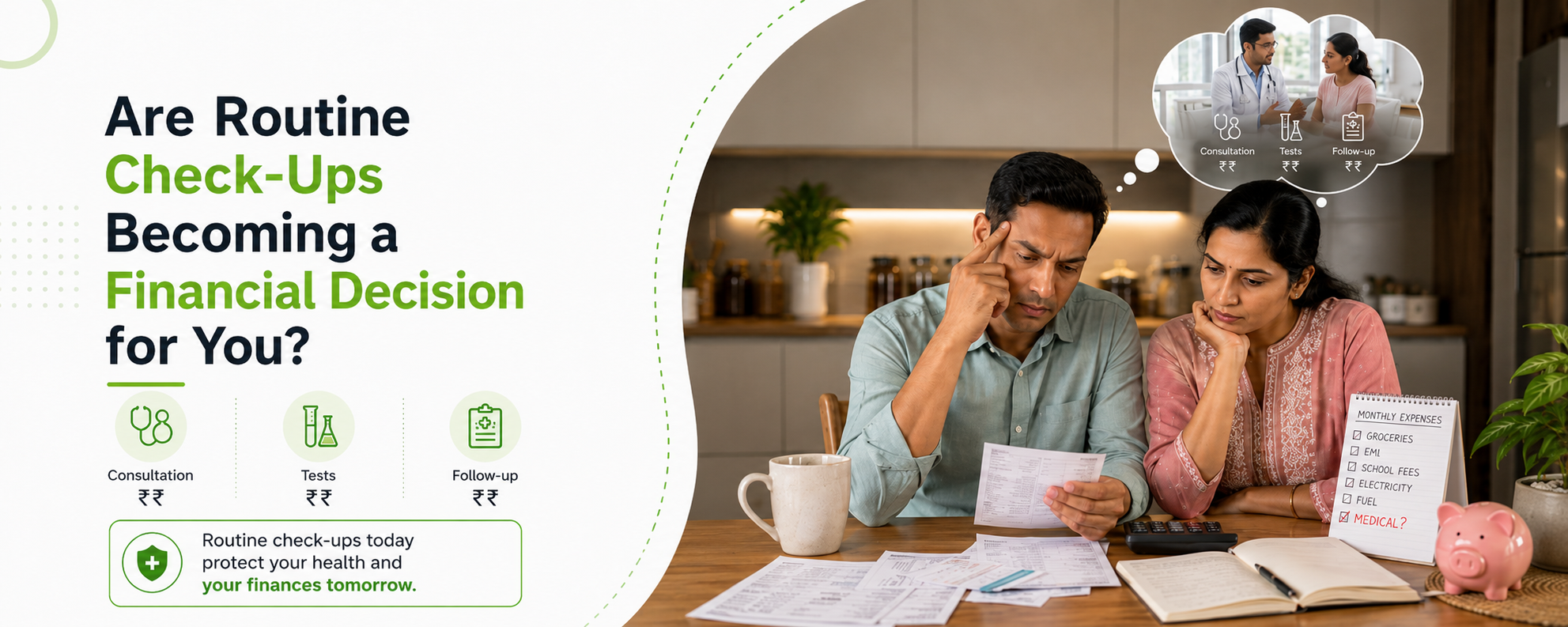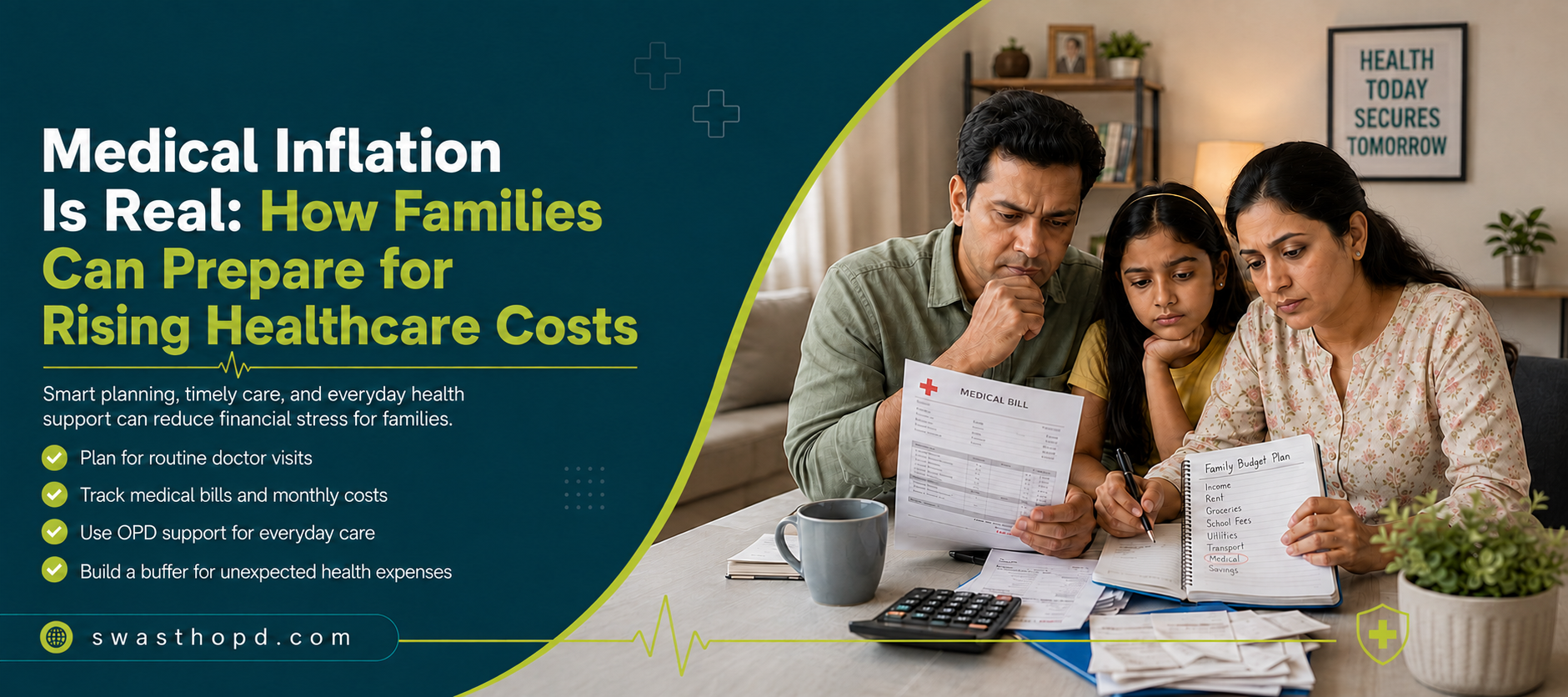
Payday feels good for about a week. Then rent goes out, groceries pile up, and somewhere in between, a doctor’s visit or a lab test quietly eats into what’s left. For most working Indians, monthly medical expenses aren’t one big shock — they’re a slow leak that never shows up as a single line item, so it never gets fixed.
Why Medical Costs Feel Invisible Until They Aren’t
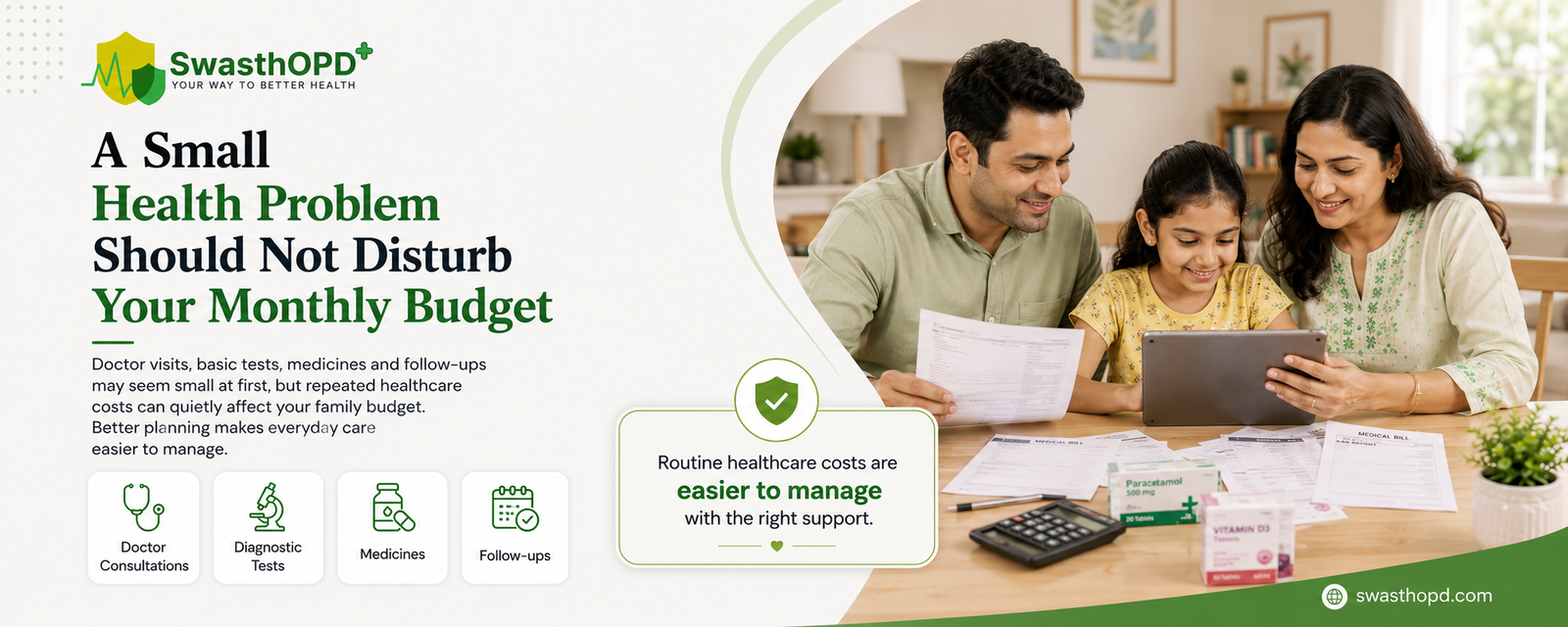
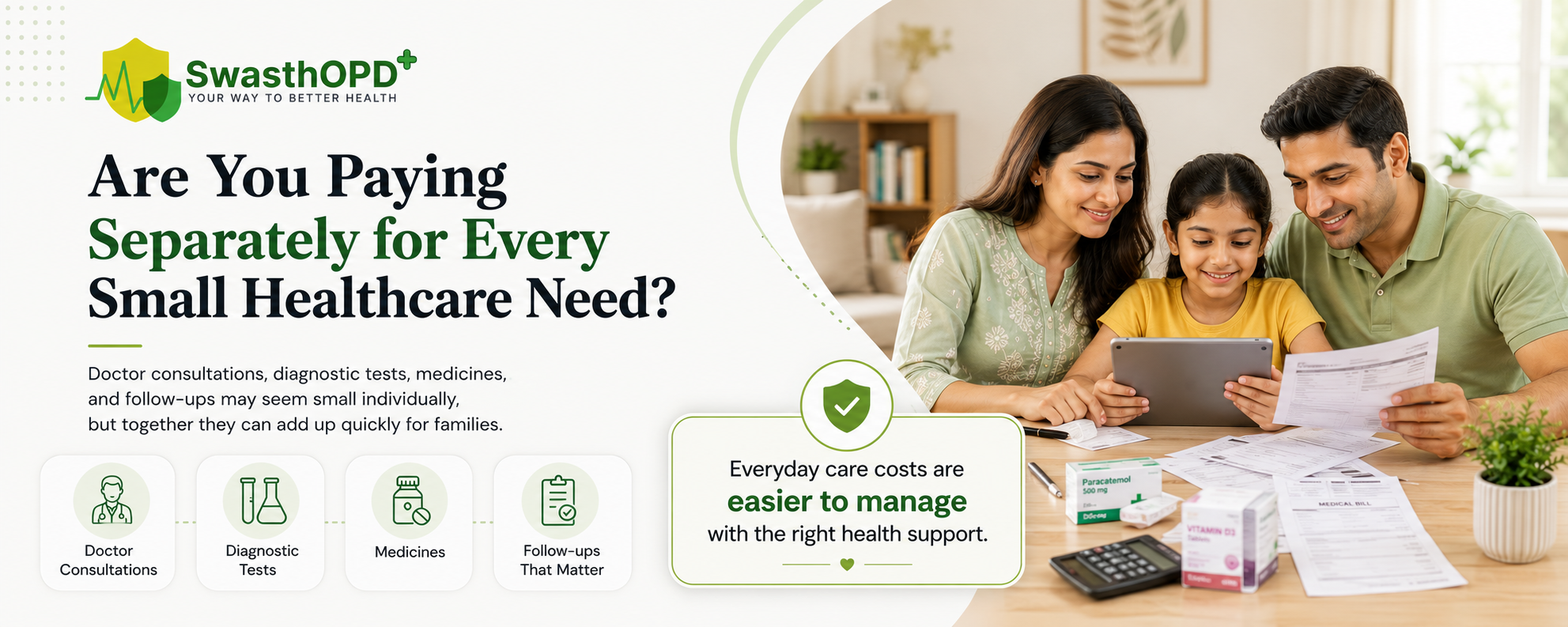
You don’t budget for a sore throat, a child’s fever, or a parent’s blood pressure check. These feel like “small” costs — a ₹600 consultation here, a ₹1,200 diagnostic test there. But add them up over a year and most families are shocked at the total. Unlike a hospitalization, which is dramatic and hard to ignore, everyday OPD (outpatient) expenses hide inside your regular spending. That’s exactly why they drain salaries without anyone noticing until the bank balance tells the truth.
The Real Cost Of “Just This Once”
These aren’t rare, one-off costs — they’re recurring monthly medical expenses that most households simply absorb without ever adding them up.
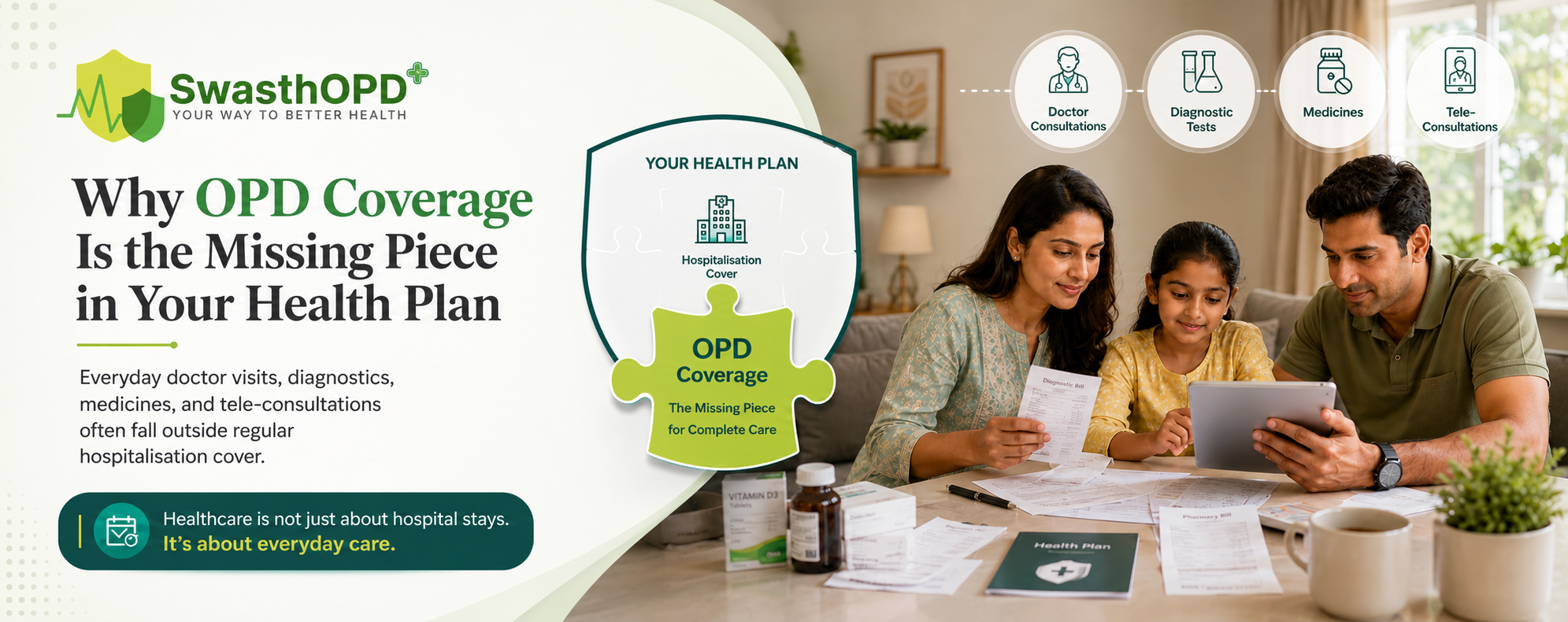
Most health insurance in India covers hospitalization, not routine doctor visits, medicines, or diagnostics. So every time you skip the hospital and just see a GP, pay for a scan, or pick up a prescription, it comes straight from your pocket. A family of four visiting a doctor even twice a month, plus occasional tests, can easily cross ₹4,000–₹6,000 monthly — money that never touches your insurance claim and never gets reimbursed.
Common mistakes make this worse:
- Delaying a doctor visit until the problem is bigger (and costlier) to treat
- Choosing the nearest clinic instead of comparing consultation fees
- Buying full-price medicines when generic or discounted options exist
- Skipping preventive checkups, which are cheaper than treating a disease already in progress

Preventive Care Is Cheaper Than You Think
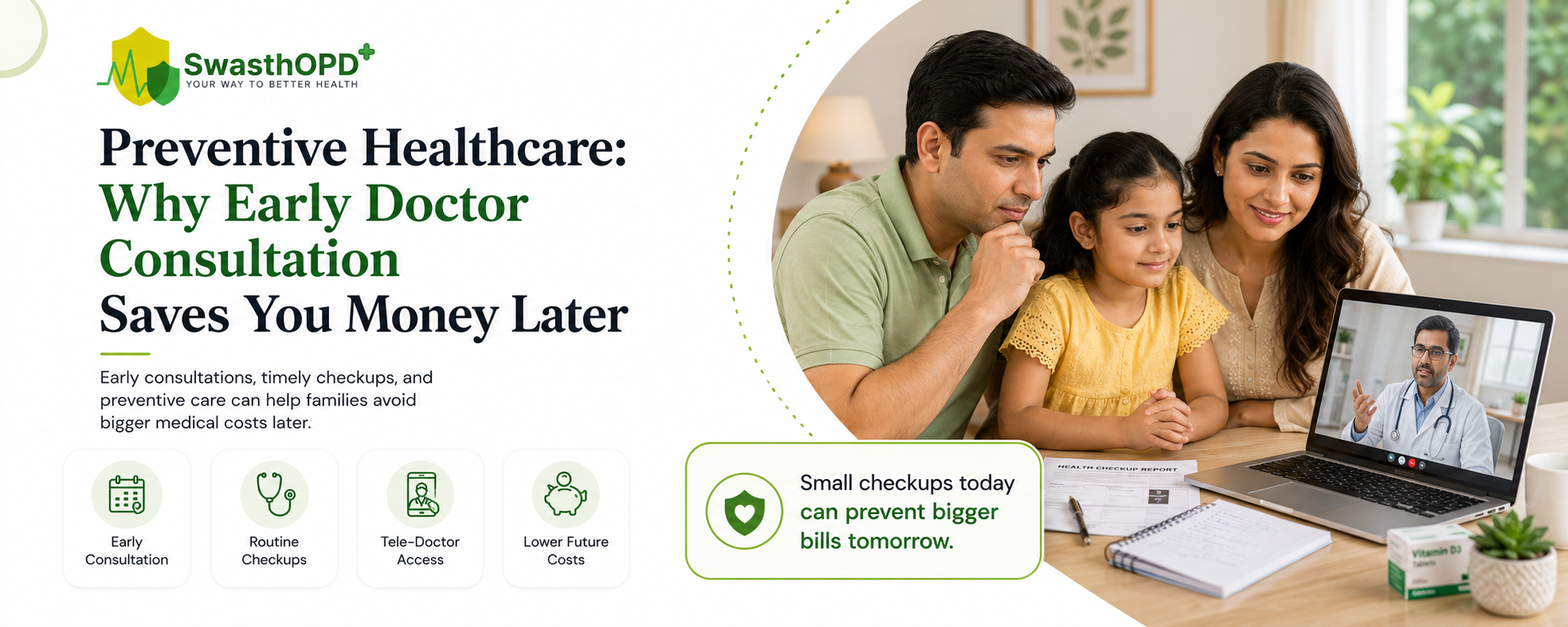
This is the part most people get backwards. Spending ₹1,000 on an annual full-body checkup feels optional. Spending ₹40,000 on a hospital stay for something that could’ve been caught early doesn’t feel optional at all — it feels like an emergency. If you want a sense of how much a single unmanaged health issue can cost, this piece on why waiting for a health emergency to act is a costly habit breaks it down clearly.
Preventive care, regular checkups, and catching issues early aren’t just healthier choices — they protect your salary too.
A ₹1,000 checkup today is far cheaper than the monthly medical expenses that pile up once a preventable condition turns serious.
Where Families Actually Lose Money
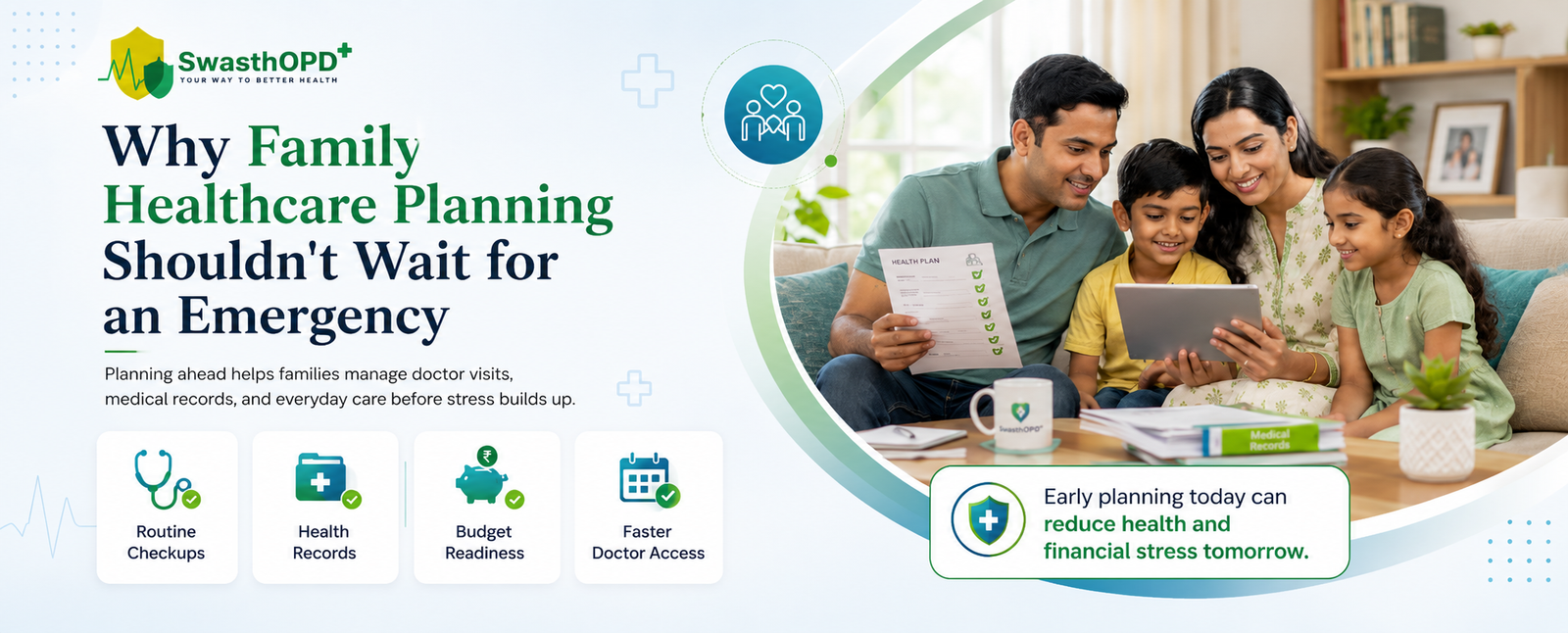
It’s rarely one big expense. It’s the pattern: a pediatrician visit this week, a diagnostic test next week, a physiotherapy session the week after. None of it feels large individually, which is exactly why it adds up unchecked. If you’re trying to get ahead of this pattern, structured family health planning helps you see the full picture instead of reacting expense by expense.
Households that actively track and plan around monthly medical expenses tend to spend noticeably less over a year than those who just handle each visit as it comes. The difference isn’t luck — it’s visibility.
Simple Habits That Protect Your Salary
A few practical shifts make a real difference:
- Consolidate routine care — use one trusted clinic or tele-consultation service instead of hopping between providers at different price points
- Ask about generic medicines — they work the same and cost far less
- Book diagnostics in advance — last-minute tests at hospital labs usually cost more than scheduled ones at partner labs
- Track your OPD spending monthly — even a simple note on your phone shows patterns you’d otherwise miss
For a deeper look at practical cost control, healthcare cost management covers strategies beyond just the basics above.
Making This Easier With SwasthOPD
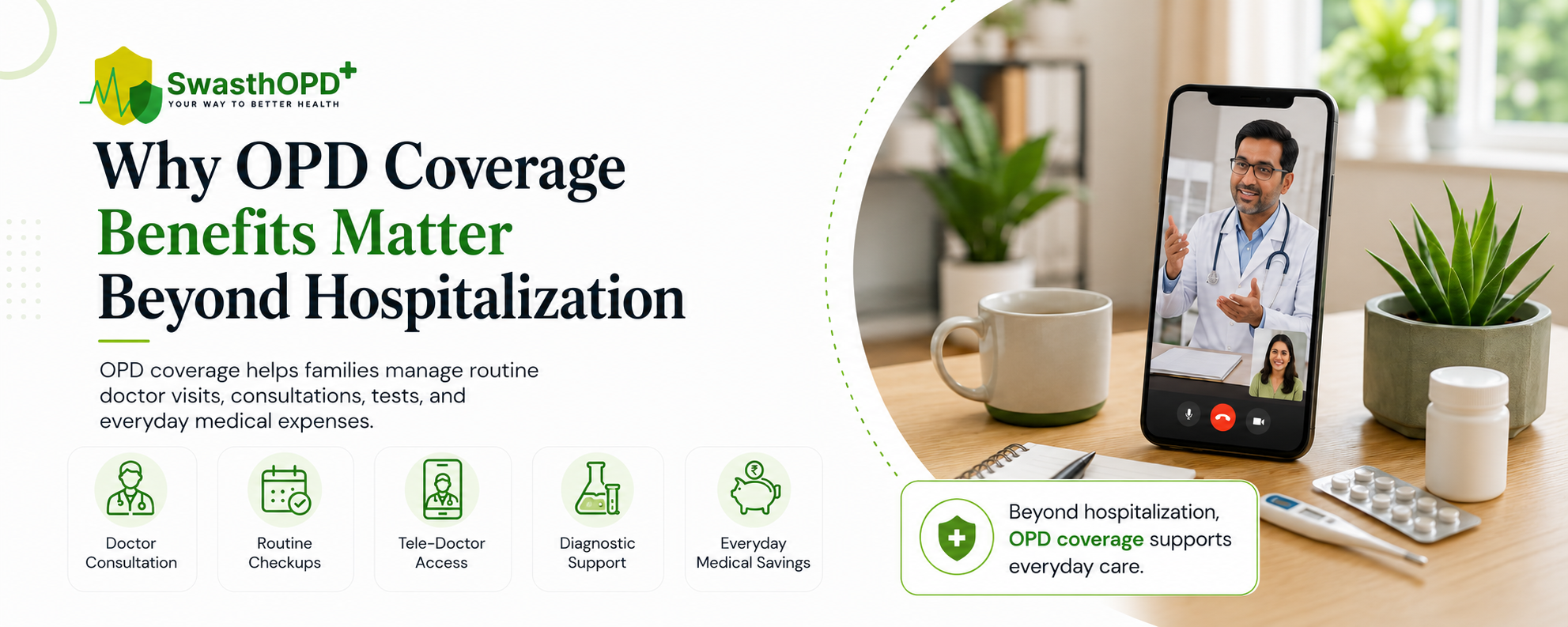
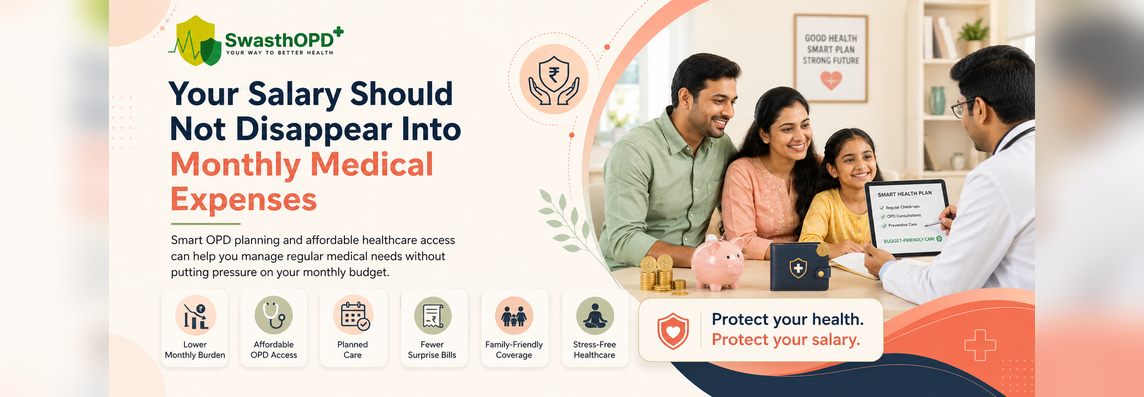
You shouldn’t have to choose between seeing a doctor and staying within budget. SwasthOPD is built around exactly this gap — covering everyday consultations, discounted diagnostics, medicine savings, and cashless OPD support so routine healthcare stops chipping away at your salary every month. Instead of paying full price visit after visit, families get predictable, affordable access to the care they actually use. If rising monthly medical expenses have been quietly stressing your budget, it’s worth taking a look at how SwasthOPD’s health plans are designed to fix that leak for good.