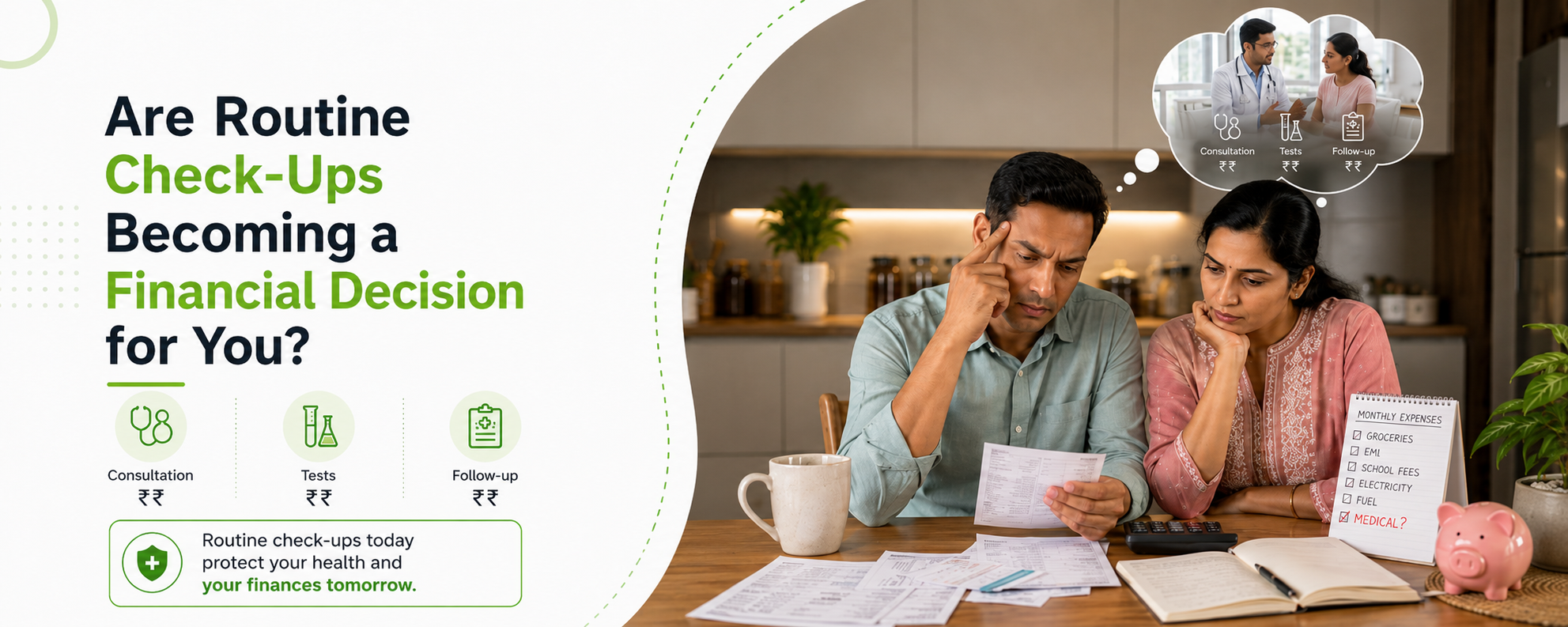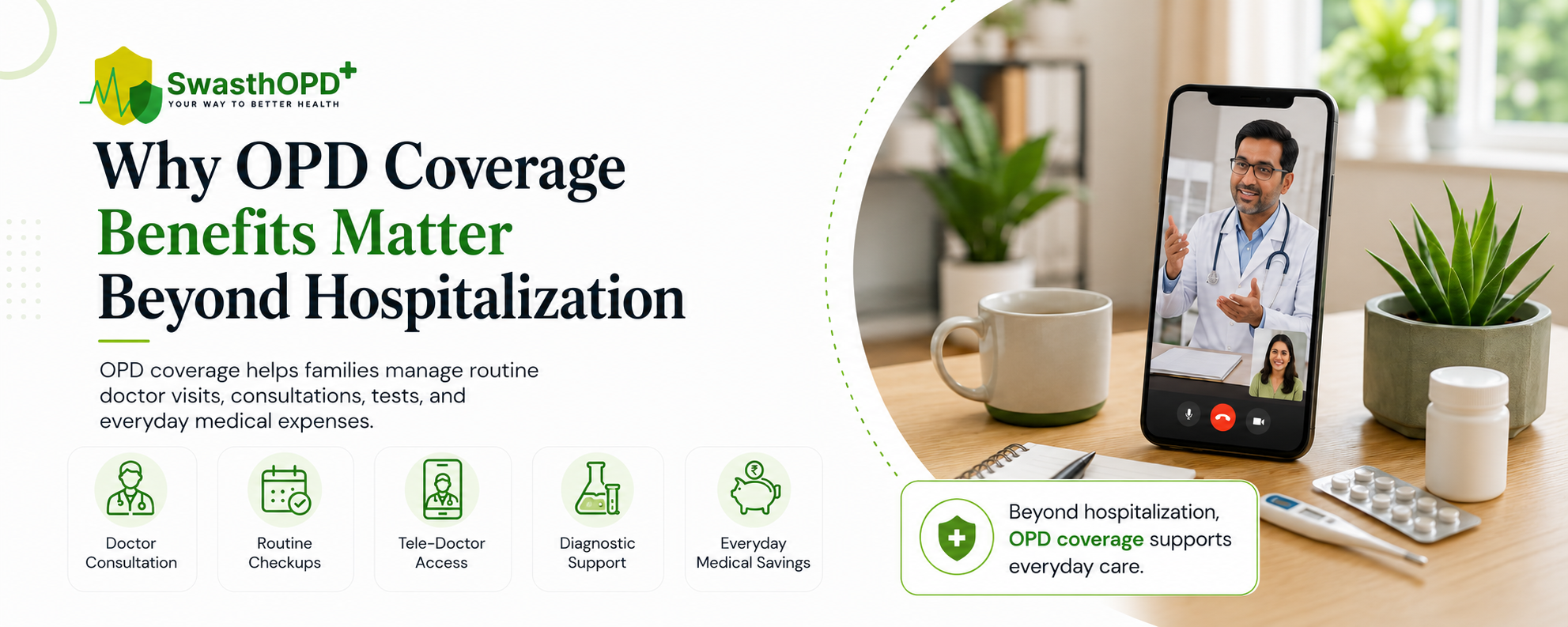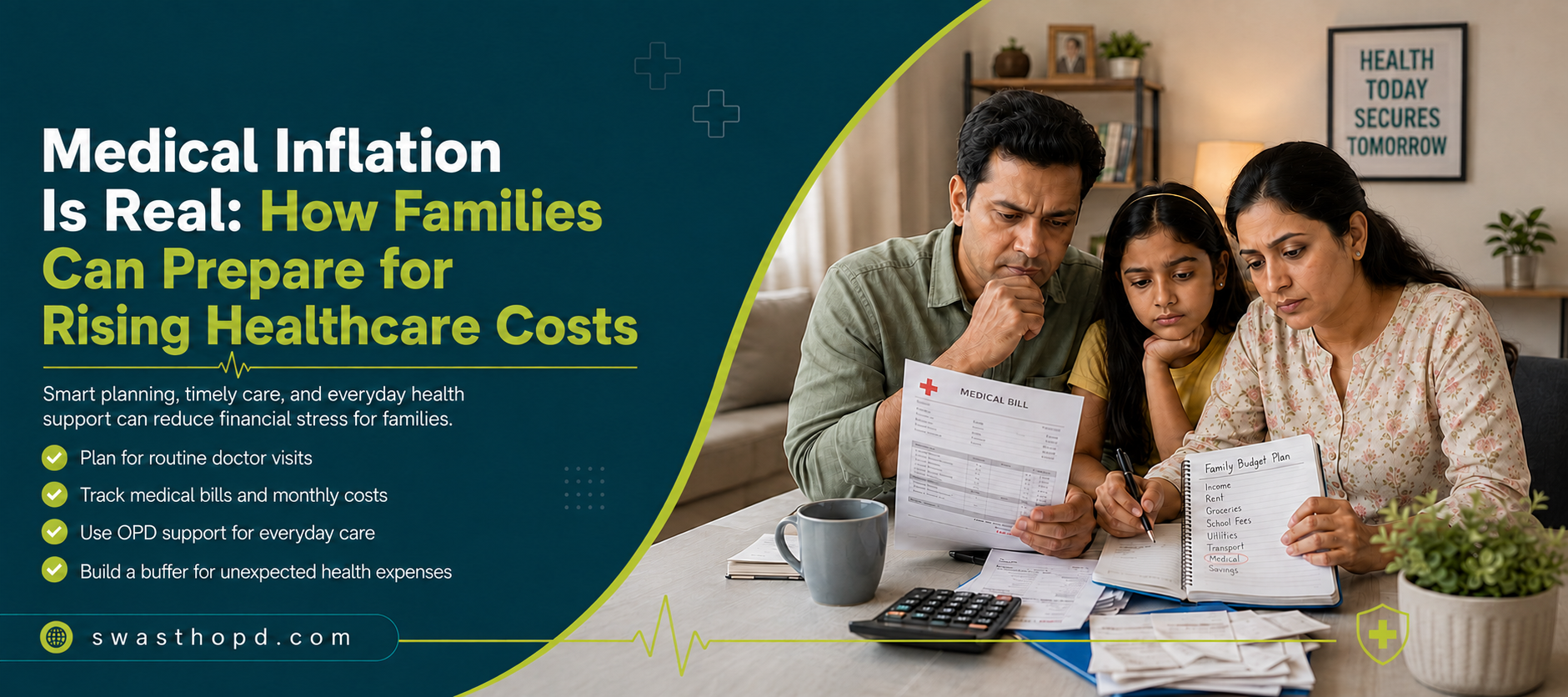
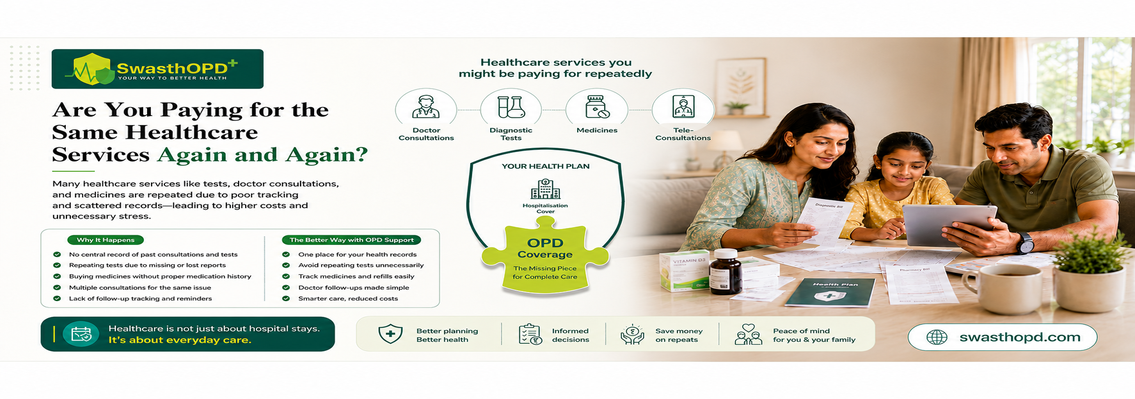
Every family in India has felt it. The same blood test billed twice in one year. A second consultation fee for a problem the doctor already diagnosed last month. These small, repeated payments rarely get questioned in the moment, but they quietly drain the household budget. This is the real cost of recurring healthcare expenses — care paid for again and again, simply because nobody tracks it as one connected pattern.
Most families notice the pattern only when they add up a full year of medical bills. It’s a simple exercise, but almost nobody does it. By then, the repeated charges have already piled up. A single duplicate test feels harmless in the moment. It’s the accumulation across a whole year that turns recurring healthcare expenses into a real dent in the family budget.
Where Recurring Healthcare Expenses Come From
A lot of this waste comes from switching doctors or hospitals mid-treatment. Each new doctor often orders a fresh blood panel instead of trusting the last one, even when it’s only a few weeks old. Standalone labs and hospital labs also run the same tests at different prices. Patients unknowingly pay twice for identical results. A CBC test at a hospital lab can cost double the same test at a standalone diagnostic centre nearby — and most patients never compare.
Annual health check-up packages add another layer. Many families buy a full check-up every year without checking which tests they actually need again. They end up paying for repeat screenings that barely change year to year. A liver function test done six months ago rarely needs repeating unless a doctor flags a specific concern. Most standard packages include it anyway.
This isn’t a small, isolated issue either. Industry coverage of India’s diagnostic cost patterns points to inconsistent reporting standards across labs as a direct driver of repeat testing, and notes that diagnostics remain almost entirely out-of-pocket even under schemes like Ayushman Bharat. In other words, this isn’t just a household budgeting problem — it’s a structural gap in how outpatient care gets paid for.
Why Families End Up Paying Twice
India’s healthcare system doesn’t share records well across providers. A test done at one clinic rarely reaches the next doctor automatically. So doctors default to reordering it instead of requesting old reports. Patients also hesitate to ask for previous results. It feels easier to just redo the test than dig up an old report buried in a drawer.
Follow-up visits add to this. A doctor might charge a fresh consultation fee for what’s really just a check-in on the same issue. This happens especially when the visit falls at a different clinic than the first one. Families rarely question it. A consultation fee feels like a normal cost — even the third time they’ve paid for the same conversation about the same symptom.
How Recurring Healthcare Expenses Add Up Over a Year
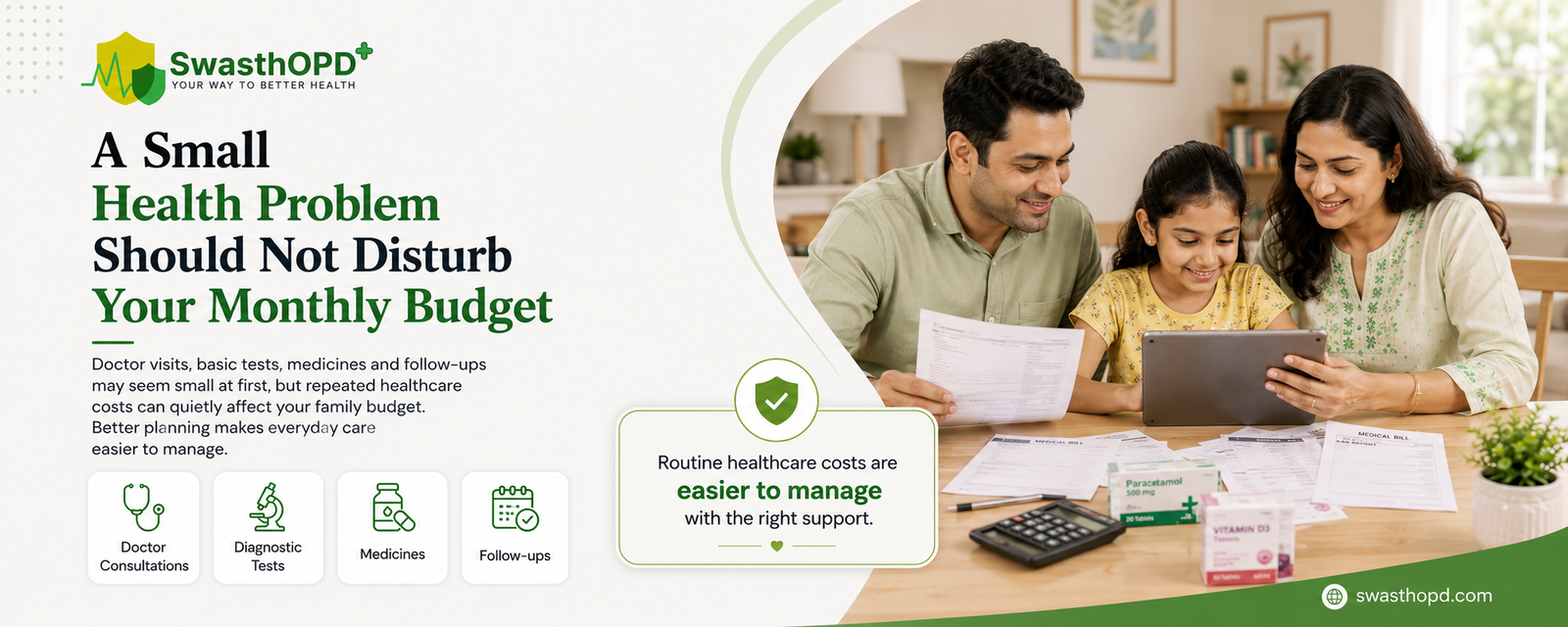
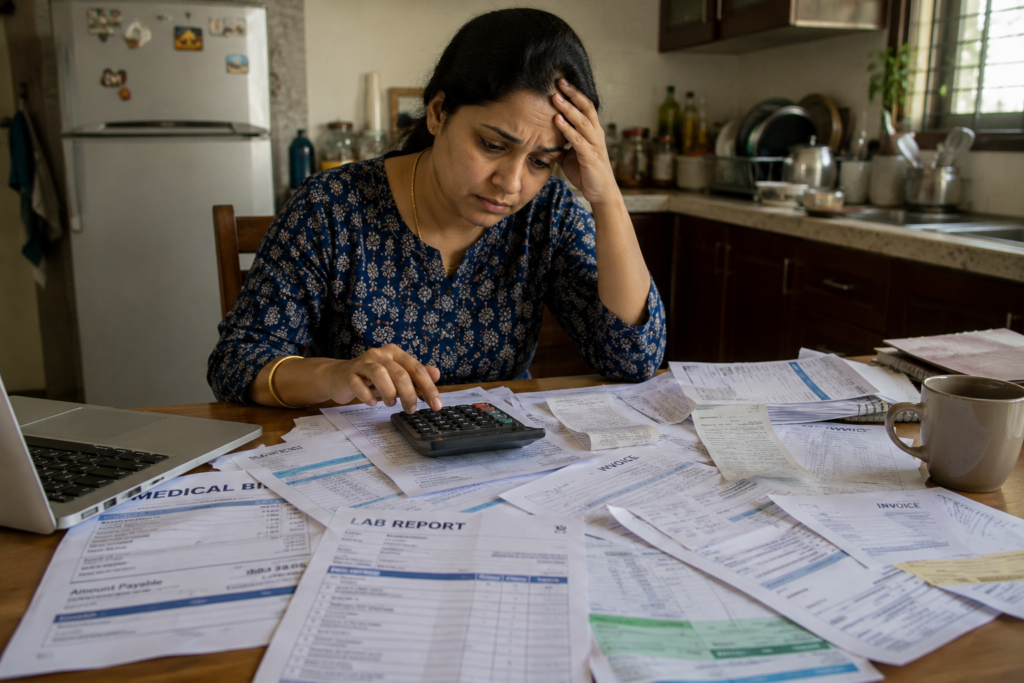
Recurring healthcare expenses rarely look big individually. A repeated blood test might cost a few hundred rupees. A duplicate consultation fee might cost even less. Multiply these across a family of four, over twelve months, and the number climbs fast. Most families never notice until they review old receipts.
Picture a family where each member visits a doctor two or three times a year. If even one visit per person involves a repeat test or an unnecessary follow-up fee, that’s four to eight avoidable charges a year. Over several years, this pattern quietly adds up to the cost of a family vacation, or a term of school fees.
How to Stop Paying for the Same Care Twice
A few simple habits cut this waste significantly:
- Keep every diagnostic report in one folder or app, and share it with each new doctor
- Ask directly whether an old test result still works before agreeing to a new one
- Stick with one lab or diagnostic centre so results stay consistent
- Track every OPD payment for a few months to spot repeat charges early
These habits alone can prevent a meaningful chunk of unnecessary spending each year. None of them take more than a few minutes to set up.
How SwasthOPD Helps Cut Recurring Healthcare Expenses
SwasthOPD centralises OPD care under one plan. Consultations, tests, and pharmacy bills stop scattering across different providers. A single record trail means doctors see previous test results instead of ordering new ones by default. Families stop paying for the same healthcare services twice.
Curious how this works in practice? Read how a cashless health card covers everyday medical bills. Or check the OPD claim process in India for a full walkthrough. Families who keep pushing routine care aside should also read why you shouldn’t wait for a health emergency to take action.
Ready to stop the cycle of repeat payments? Explore SwasthOPD plans today and bring your family’s healthcare spending under one simple system.