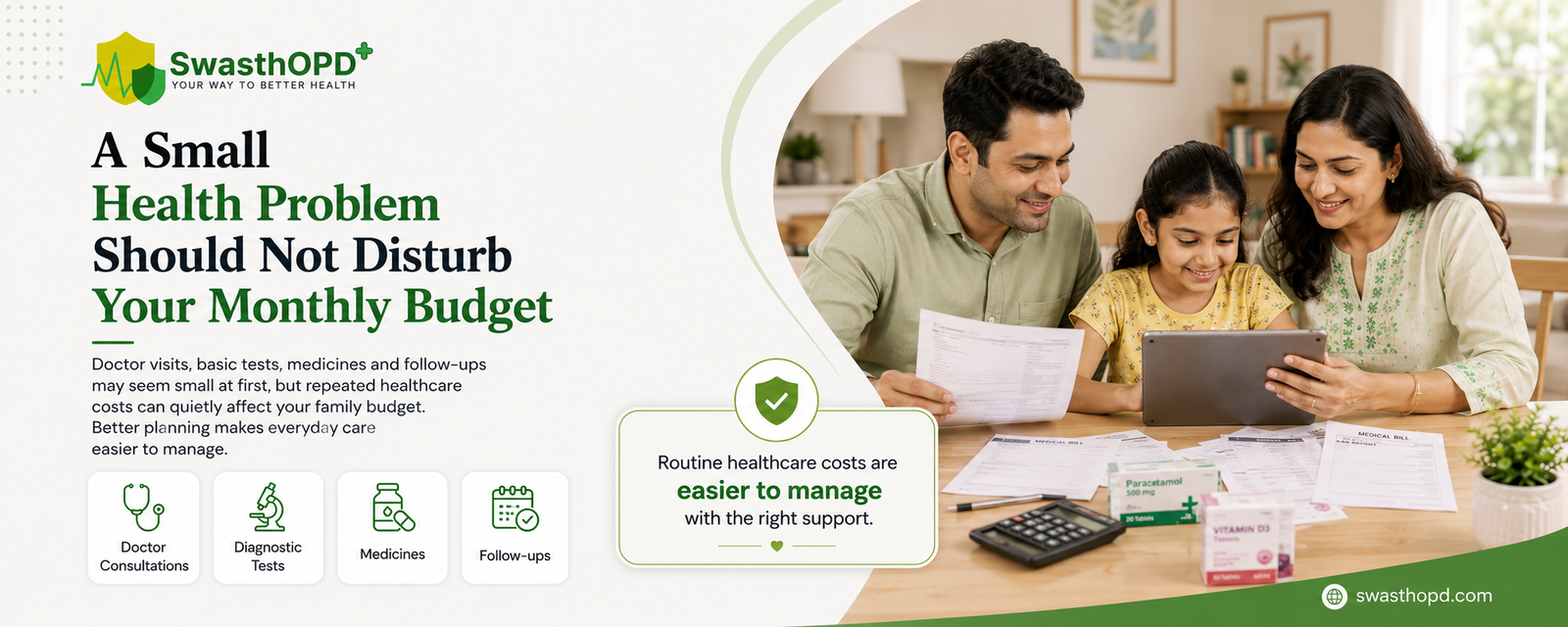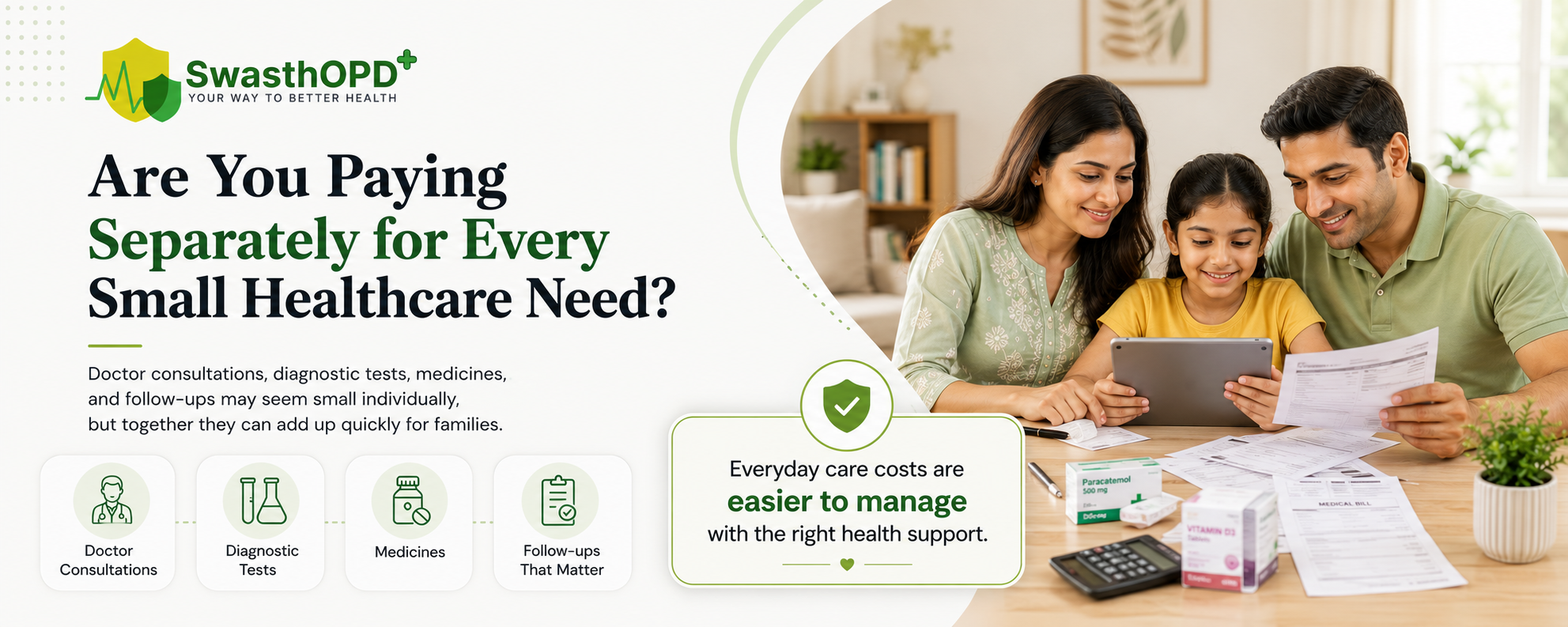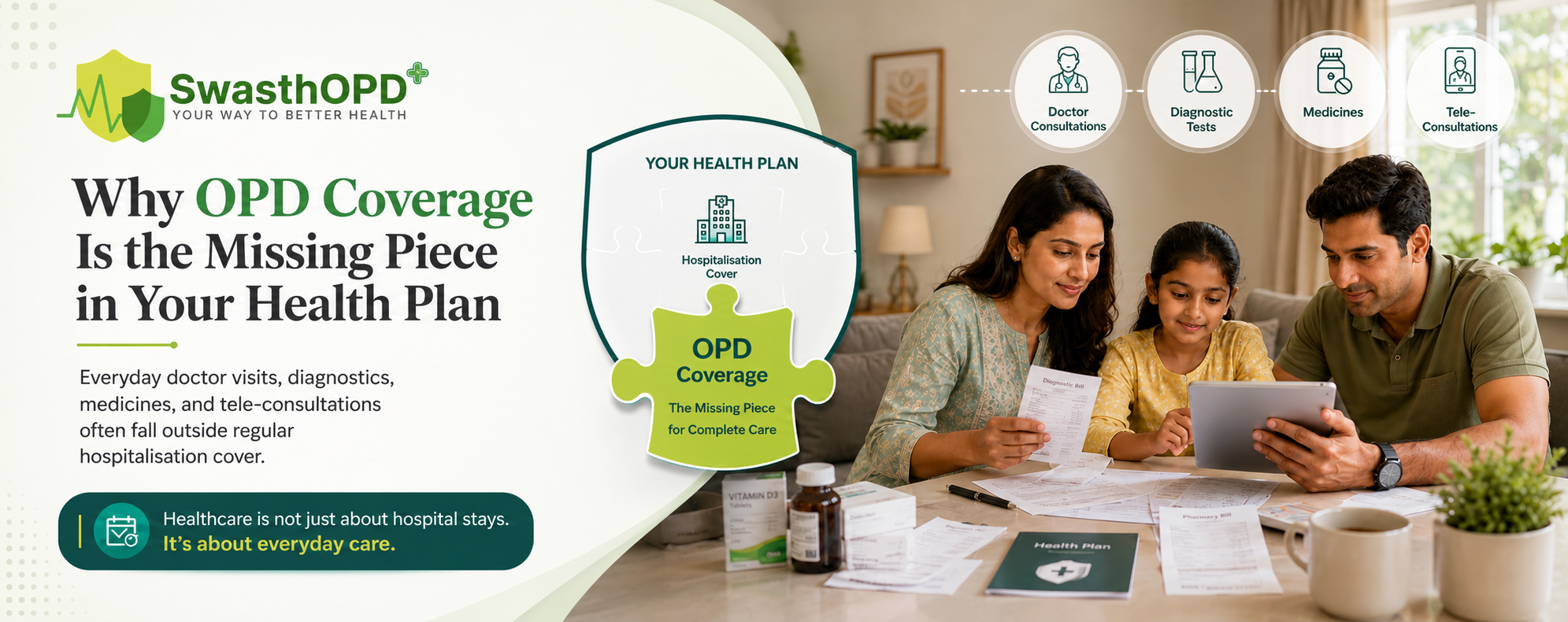

Health insurance in India has traditionally been synonymous with hospitalization coverage. We buy policies hoping we never have to use them, preparing for the worst-case scenario. But what about the healthcare we use every day? The doctor’s visit for a fever, the regular medicines for blood pressure, or the annual health check-up?
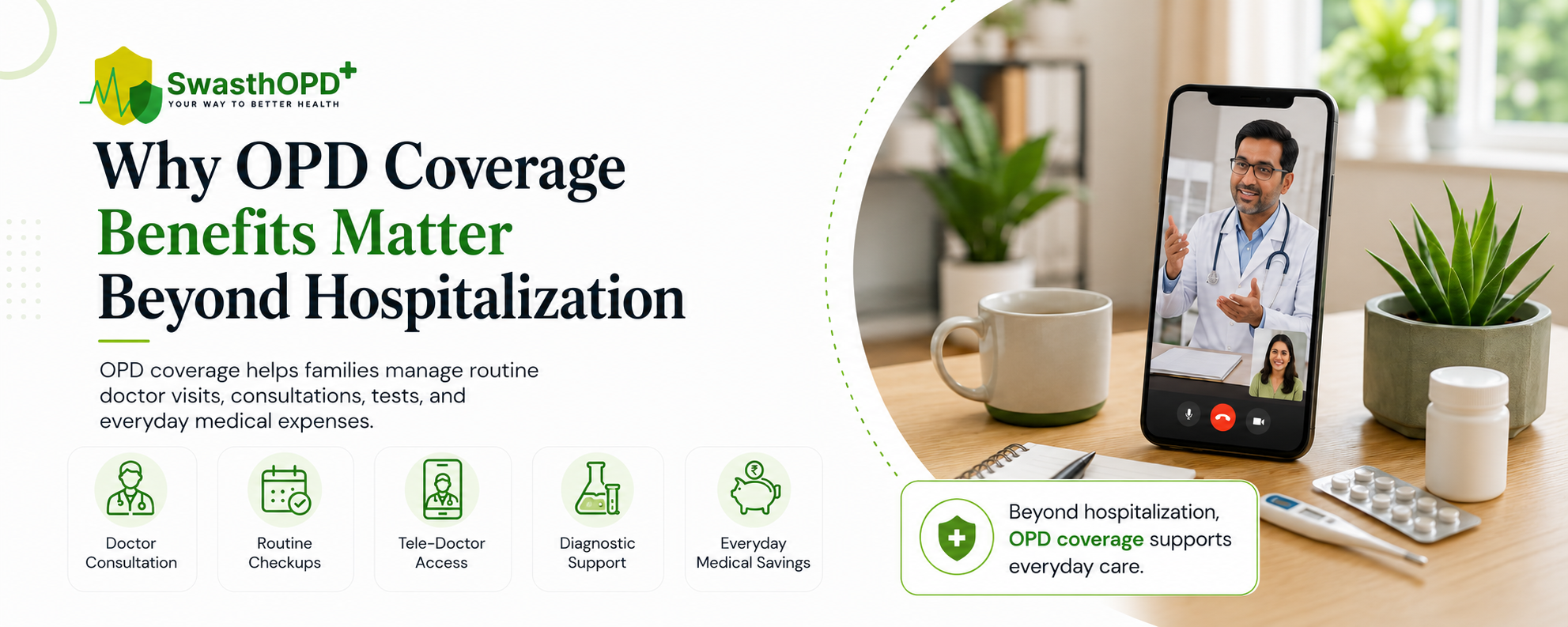
These routine expenses fall under Outpatient Department (OPD) care, and they are increasingly being covered by a specific type of product: a standalone OPD health insurance plan. Unlike traditional policies that bundle OPD with hospitalization, these plans focus solely on your daily health needs.
In this comprehensive guide, we will explore everything you need to know about standalone OPD plans, including options for families, cashless features, consultation coverage, and specific considerations for senior citizens.
What is a Standalone OPD Health Insurance Plan?
A standalone OPD health insurance plan is a specialized health policy designed exclusively to cover outpatient expenses. This includes doctor consultations (both in-clinic and online), diagnostic tests, and pharmacy bills. Unlike a regular health insurance policy that only kicks in upon hospitalization, a standalone OPD plan works for the healthcare you use most frequently.
The beauty of a standalone OPD health insurance plan is its simplicity and focus. It is not bundled with hospitalization coverage, which means the premium is typically lower and specifically allocated to the services you will actually use. This makes it an excellent addition to an existing hospitalization policy or a great entry point for those seeking basic health coverage.

Why Choose a Standalone OPD Plan?
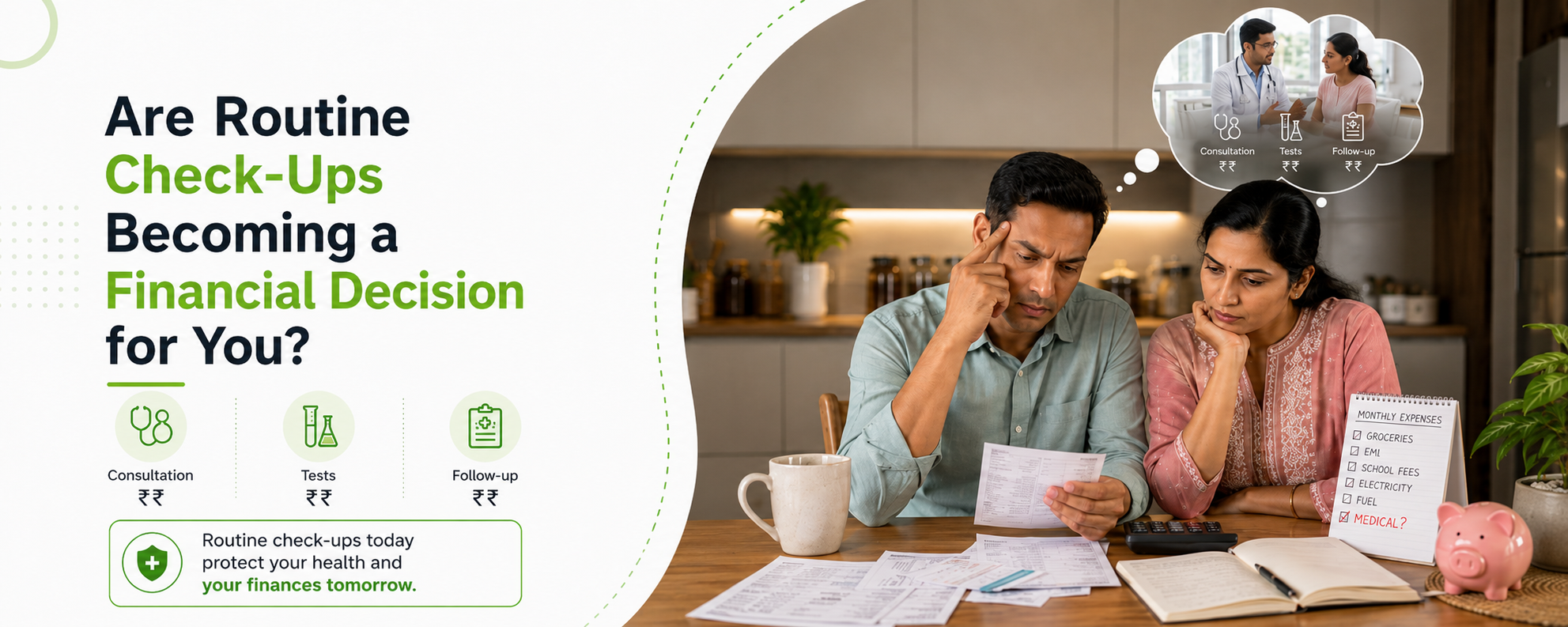
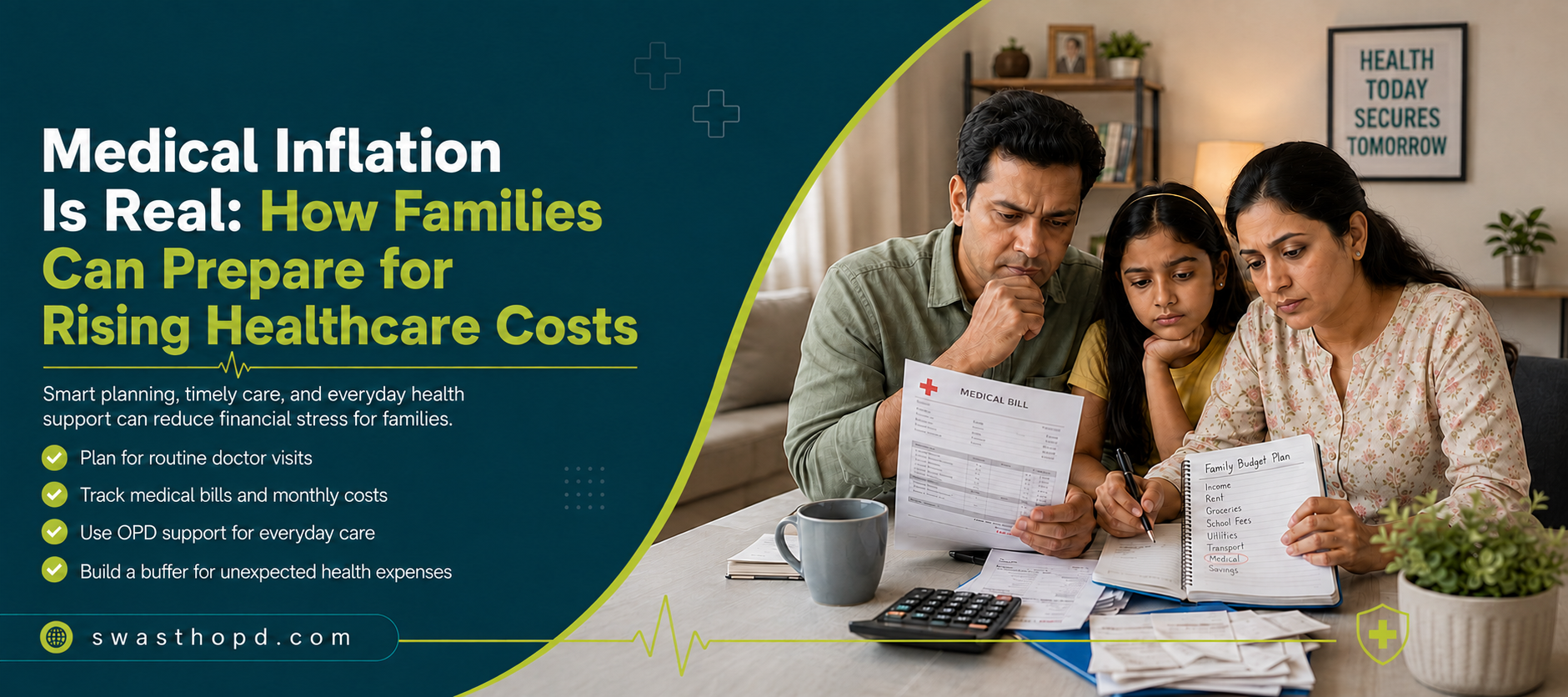
The primary reason to opt for a standalone OPD health insurance plan is to make routine healthcare affordable and predictable. Here is why more Indians are moving towards this model:
- Financial Planning: It converts unpredictable out-of-pocket expenses into a fixed, manageable annual premium.
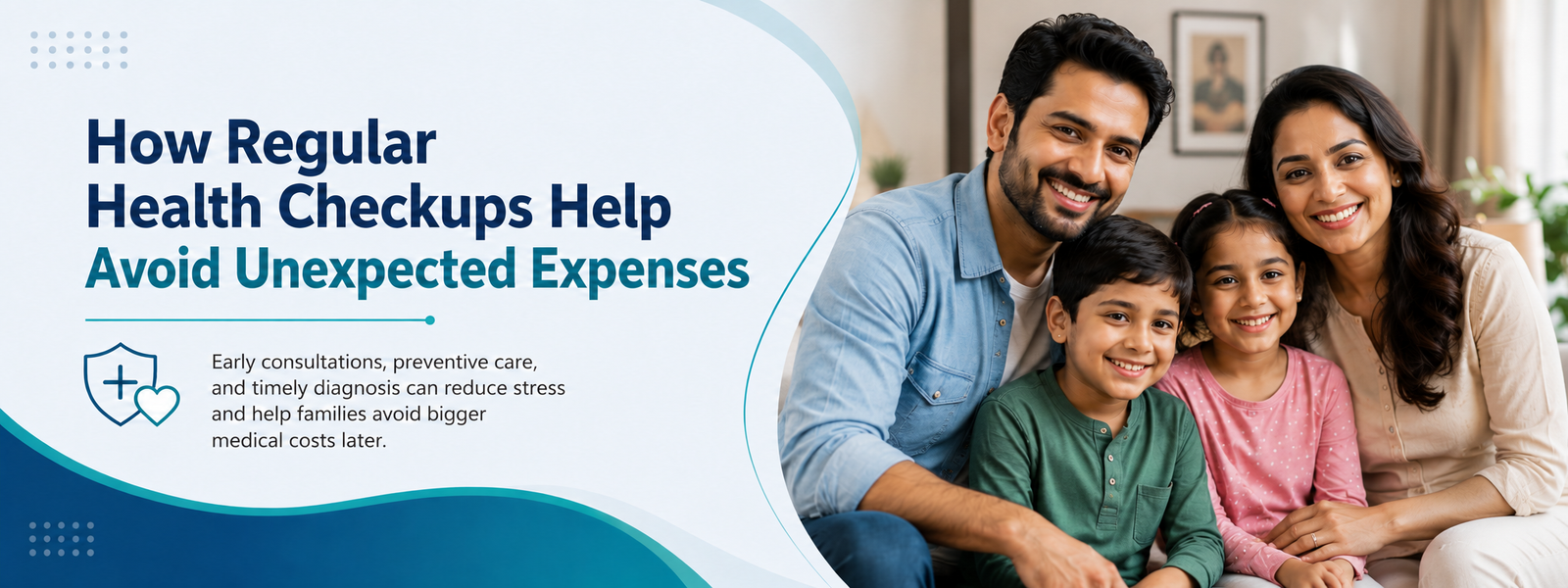
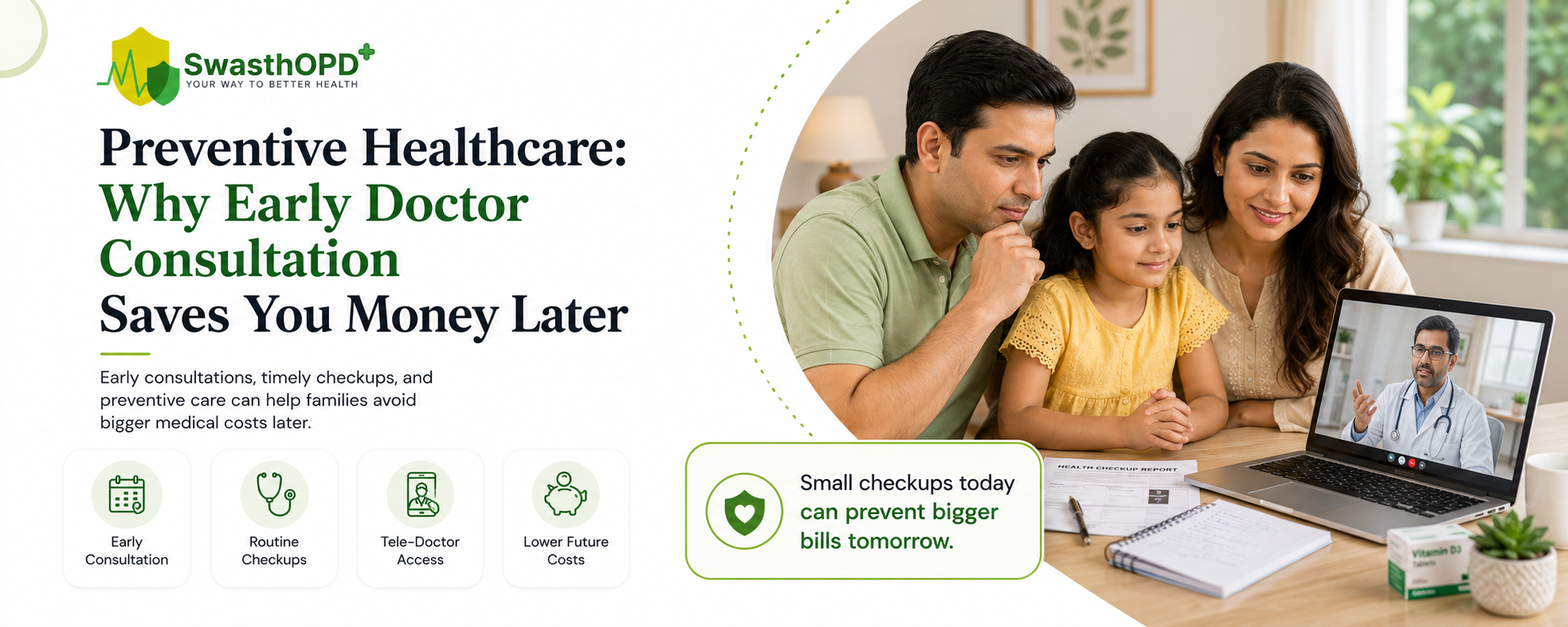
- Encourages Preventive Care: When consultations and tests are covered, you are more likely to visit a doctor at the first sign of illness and undergo regular health check-ups.
- Complements Existing Insurance: If you already have a hospitalization policy, a standalone OPD plan fills the critical gap, creating a complete health cover.
- No Claim Burden: Using your OPD plan for small expenses does not affect your no-claim bonus on your main hospitalization policy.
Key Features to Look For
When evaluating a standalone OPD health insurance plan, there are several critical features to consider. The best plans offer a balance of comprehensive coverage, a wide network, and ease of use.
1. Family Standalone OPD Cover
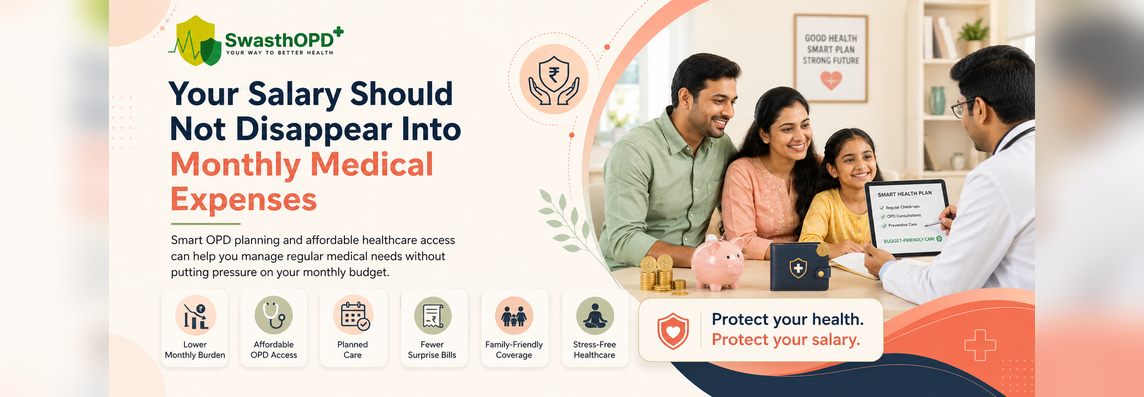
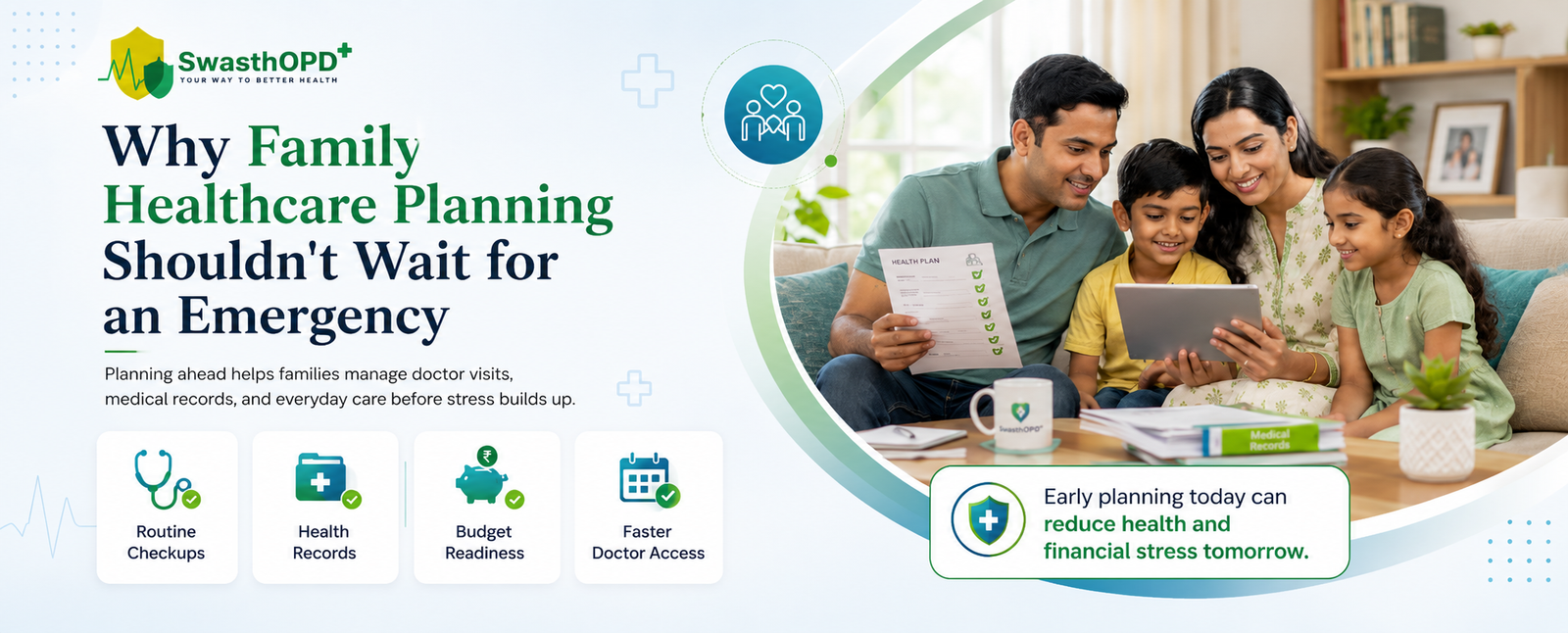
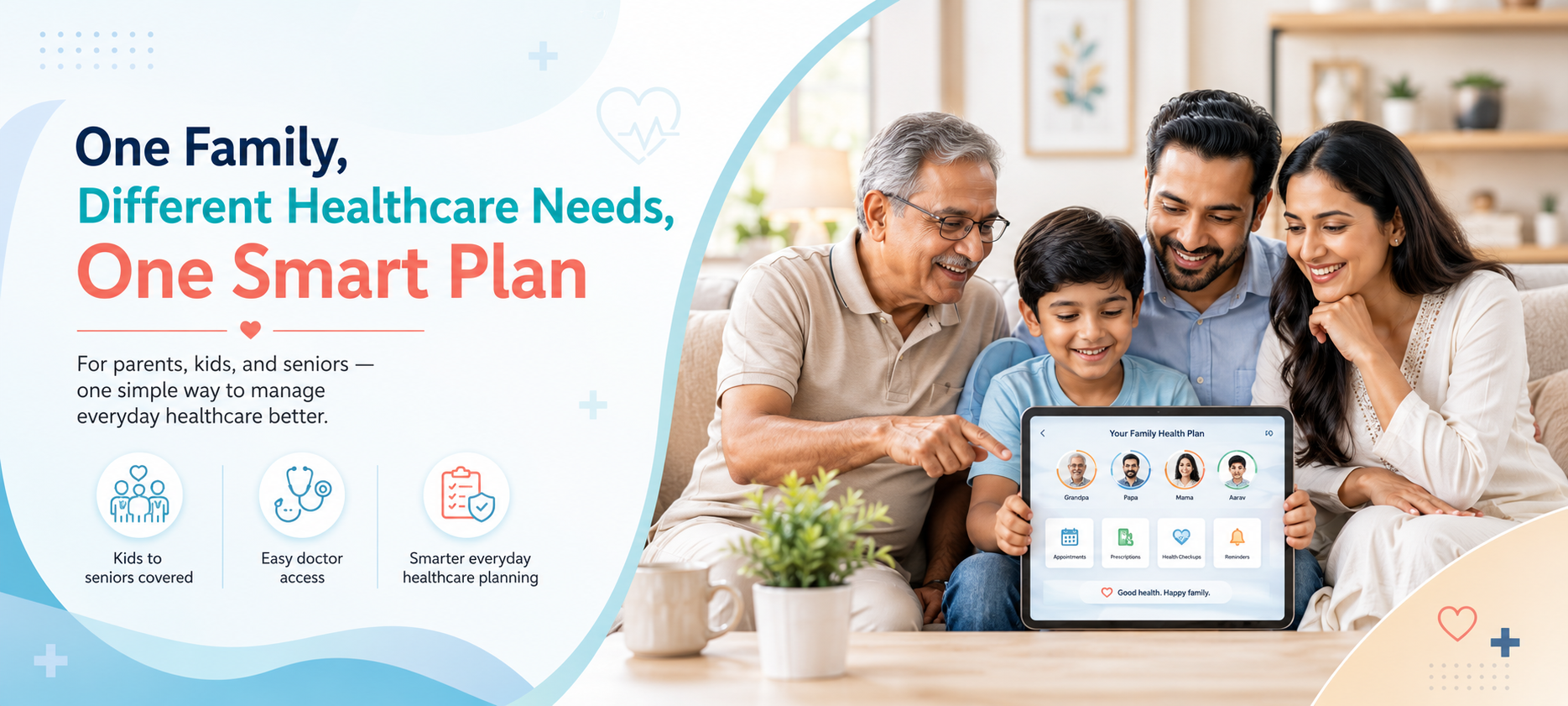
For most Indians, health insurance is a family decision. A family standalone OPD cover allows you to insure your spouse, children, and sometimes parents under a single plan. This is often more economical than buying individual policies.
For example, plans like the Swasth Life Plan (4 Members) available on SwasthOPD are designed specifically for families, offering a shared sum insured that all members can use for consultations, medicines, and tests. When looking for a family standalone OPD cover, check the total sum insured, the number of members covered, and whether there are any restrictions on usage per member.
2. Cashless Standalone OPD Policy
The convenience of a cashless standalone OPD policy cannot be overstated. In a cashless model, you do not have to pay the doctor, lab, or pharmacy and then wait for reimbursement. Instead, you visit a network provider, show your digital health card, and the bill is settled directly between the provider and the insurance platform.
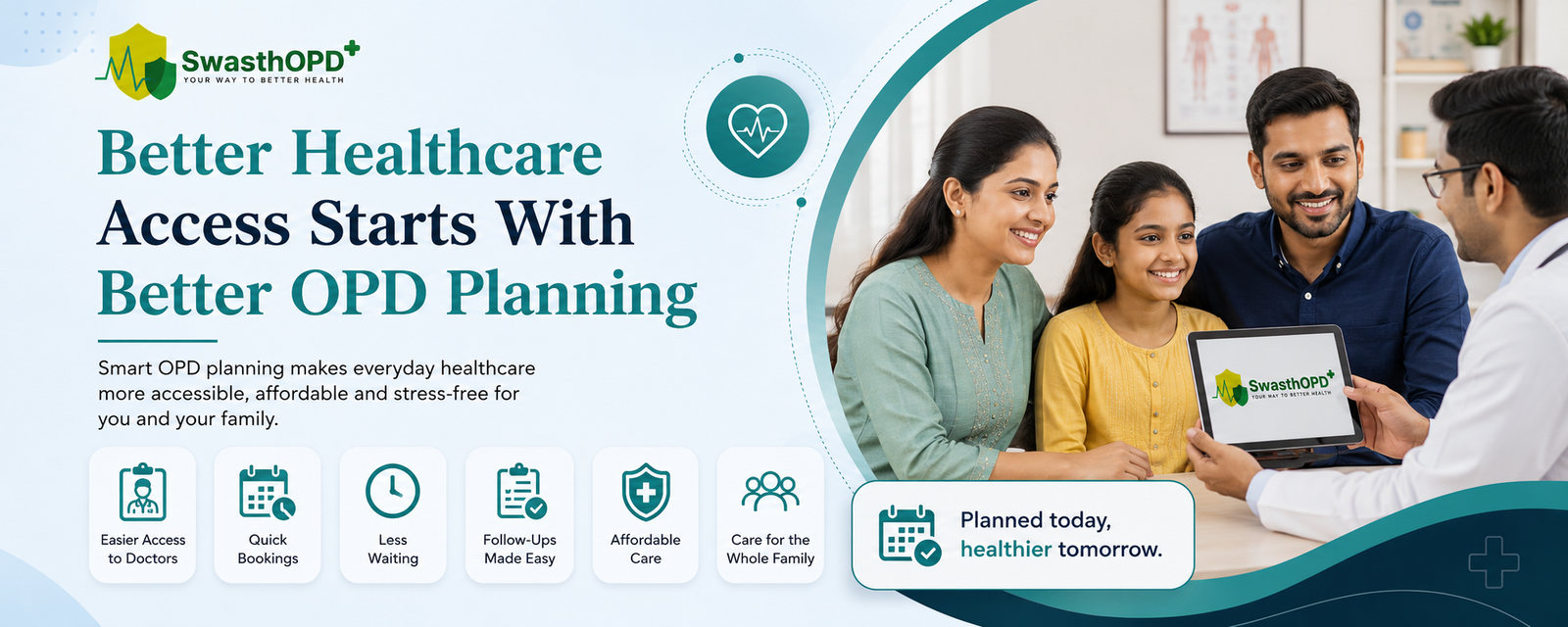
This is the gold standard of OPD coverage. When you search for a cashless standalone OPD policy, ensure that the platform has a wide network of partner clinics, diagnostic centers, and pharmacies in your city. Platforms like SwasthOPD have built extensive networks to make cashless healthcare a reality for thousands of families across India.
3. OPD Insurance with Doctor Consultation Cover
One of the most common uses of OPD coverage is visiting the doctor. Whether it is a pediatric visit for your child, a physician for a seasonal infection, or a specialist for a chronic condition, consultation fees add up quickly.
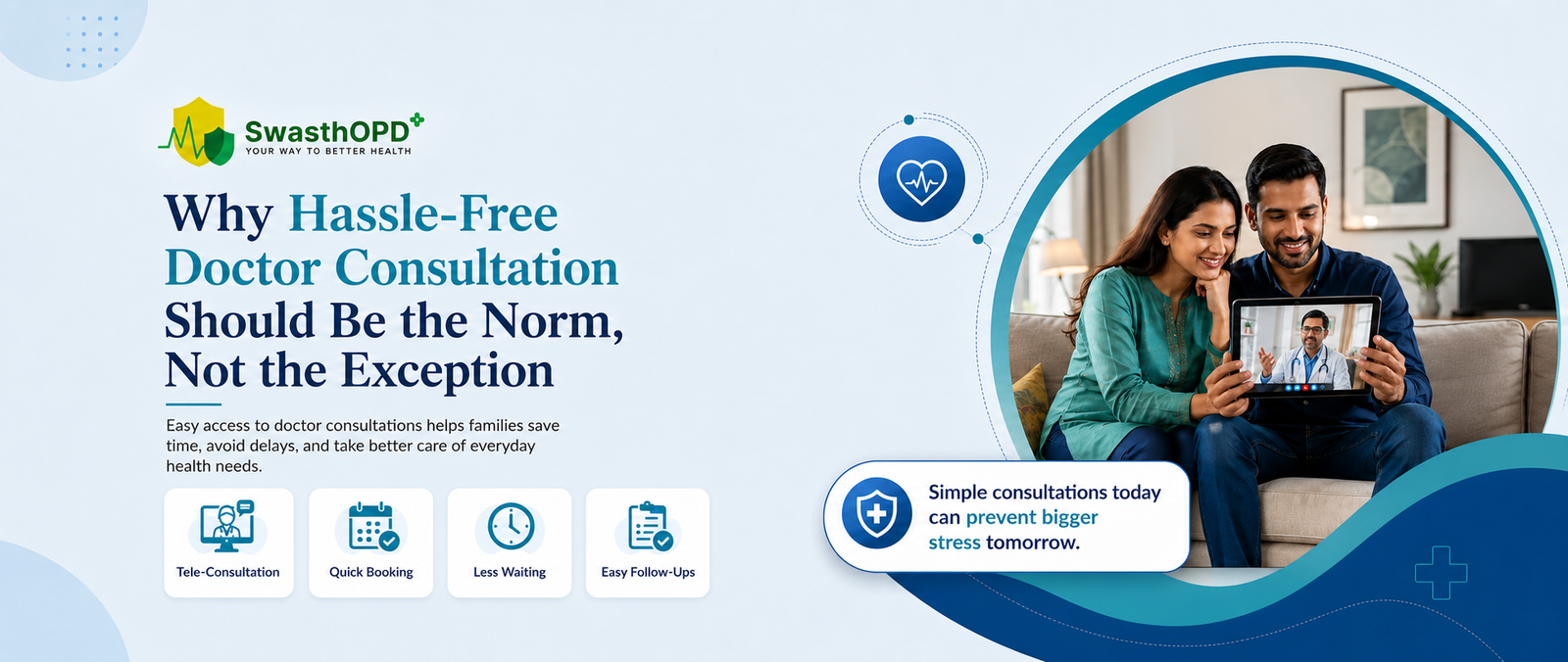
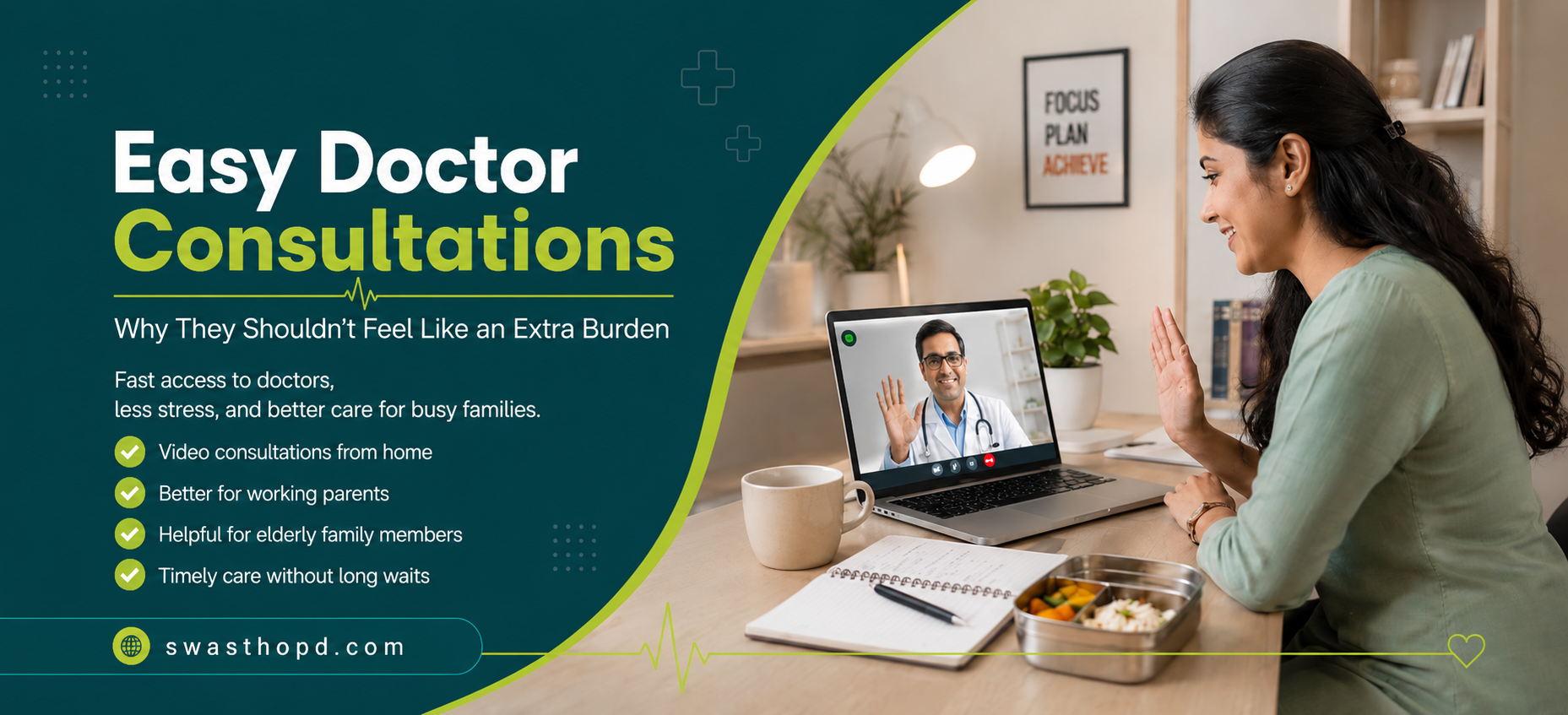
Look for an OPD insurance with doctor consultation cover that includes both in-person and online consultations. In today’s digital age, having the option to consult a doctor via video call from the comfort of your home is a significant advantage. Ensure the plan covers a broad spectrum of specialties, from general physicians to gynecologists, dermatologists, and cardiologists.
4. OPD Cover for Senior Citizens
This is perhaps the most crucial segment. Our elderly parents and grandparents have the highest recurring healthcare needs—monthly medicines, regular check-ups, and frequent doctor visits. Yet, they are often the least insured for OPD expenses.
Finding a good OPD cover for senior citizens can be challenging, but it is incredibly valuable. When evaluating plans for seniors, pay attention to:
- Pharmacy Coverage: Ensure the plan provides substantial coverage for regular medicines, as this is the biggest expense for most seniors managing chronic conditions like diabetes, hypertension, and arthritis.
- Diagnostic Tests: Regular blood work and monitoring are essential. The plan should cover these tests comprehensively.
- No Upper Age Limit: Some plans have age restrictions. Look for a OPD cover for senior citizens that welcomes older applicants and does not impose a low maximum entry age.
How Standalone OPD Plans Work
Understanding the mechanics of a standalone OPD health insurance plan helps you use it effectively. Most plans operate on a sum insured model. You pay an annual premium, and in return, you get a fixed wallet amount (e.g., ₹5,000, ₹10,000, or more) that you can spend on covered OPD expenses throughout the year.
For example:
- You visit a network doctor for a consultation. The ₹500 fee is deducted from your wallet.
- You buy medicines for ₹1,500 from a network pharmacy. This amount is also deducted.
- You undergo a blood test costing ₹1,000. Again, this comes from your wallet.
Once your wallet is exhausted for the year, you pay out-of-pocket until the plan renews. Some plans also offer a discount model where you get a percentage off at network providers, but the sum insured model is more transparent and easier to budget.
Benefits for Different Demographics
A standalone OPD health insurance plan is not a one-size-fits-all product. Its benefits vary depending on who is using it.
- For Young Professionals: It covers the occasional doctor visit and helps build a habit of preventive healthcare. It also provides access to online consultations, which are perfect for busy schedules.
- For Families with Children: A family standalone OPD cover is a lifesaver. Children often need frequent doctor visits for fevers, infections, and vaccinations. Having coverage means you never hesitate to take your child to the doctor.
- For Senior Citizens: An OPD cover for senior citizens provides dignity and financial independence. It ensures they can manage their health without constantly asking children for money for medicines. It also encourages them to attend regular check-ups, leading to better management of chronic conditions.
Real Stories, Real Savings
While we avoid naming individuals, the testimonials on platforms like SwasthOPD speak volumes. Users frequently mention how their OPD coverage has been a “lifesaver” for regular doctor visits and diagnostic tests. Parents often highlight how convenient and hassle-free it is to manage their children’s health with a cashless plan. These real-world experiences underscore the value of choosing the right plan.
How to Choose the Right Plan
Choosing the best standalone OPD health insurance plan involves a few simple steps:
- Assess Your Needs: Calculate your family’s average annual spend on doctor visits, medicines, and tests.
- Compare Plans: Look at the sum insured, premium, and network providers. Does the plan offer a cashless standalone OPD policy with a wide network near you?
- Check for Specific Covers: If you have seniors at home, prioritize an OPD cover for senior citizens with strong pharmacy benefits. If you have young children, ensure the plan includes pediatric consultations.
- Read the Fine Print: Understand what is excluded. Are there waiting periods for pre-existing diseases? Are there limits on specific services?
- Choose a Trusted Provider: Opt for a platform with experience and positive user feedback. With over 12 years of expertise, SwasthOPD is a reliable partner in this journey. You can explore their range of solutions on their main website .
The Future of OPD Insurance in India
The demand for standalone OPD health insurance plan s is growing rapidly in India. As people become more health-conscious and aware of the limitations of traditional insurance, they are seeking products that cover their real, daily needs.
We are moving towards a future where a hospitalization policy and a standalone OPD plan will be seen as a standard, essential pair for every family. This integrated approach ensures complete financial protection against both major medical emergencies and routine healthcare expenses.
Conclusion
A standalone OPD health insurance plan is one of the smartest health investments you can make. It transforms the way you approach healthcare, turning it from a series of unpredictable expenses into a planned, managed part of your life.
Whether you need a family standalone OPD cover to protect your loved ones, a cashless standalone OPD policy for maximum convenience, an OPD insurance with doctor consultation cover for easy access to physicians, or a specialized OPD cover for senior citizens for your parents, there is a plan out there for you.
Don’t let routine healthcare costs surprise you. Take control of your family’s well-being today. Explore the comprehensive, affordable, and cashless OPD plans available at SwasthOPD and experience the difference that true coverage makes.