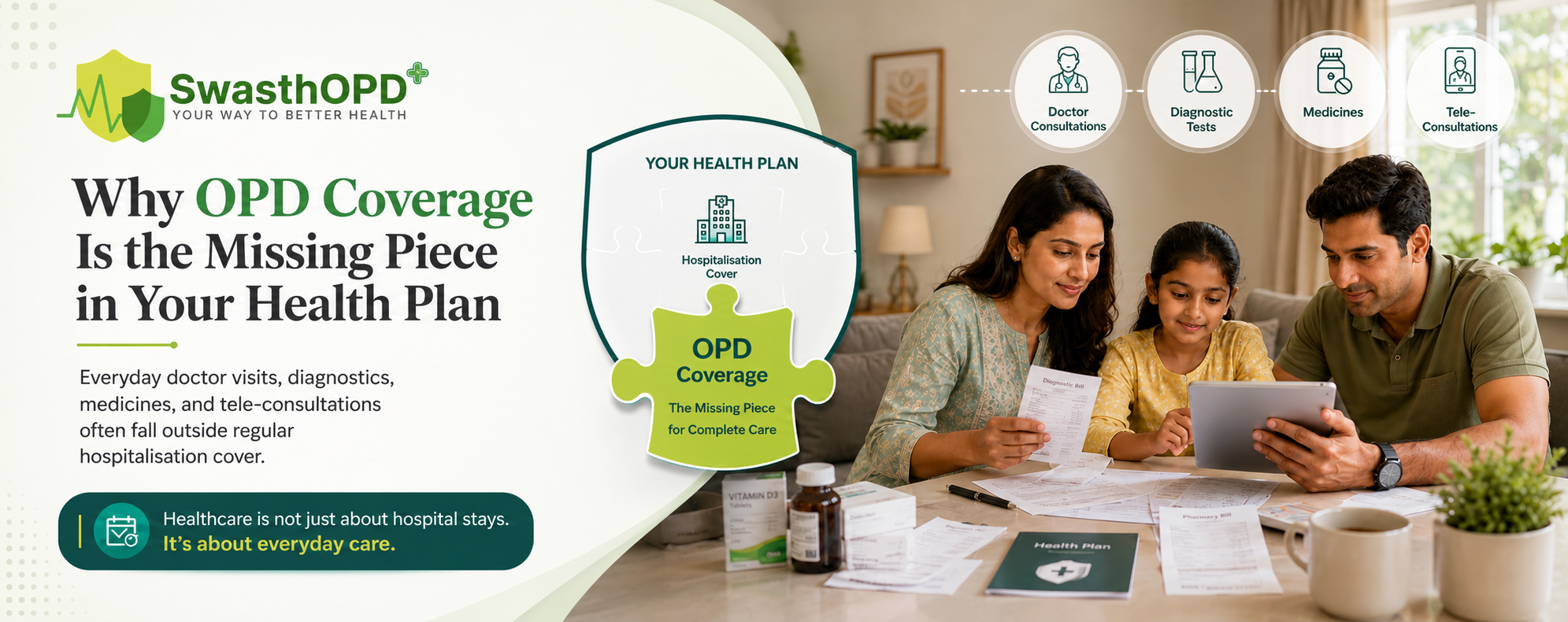

Health insurance in India has evolved significantly. Gone are the days when a hospitalization-only policy was considered sufficient. Today, the smartest healthcare consumers are looking for coverage that extends beyond the hospital walls and into the doctor’s clinic, the diagnostic lab, and the pharmacy.
This is where OPD (Outpatient Department) health insurance comes in. But with several options available in the market, how do you choose the right one? The only way to make an informed decision is to compare OPD health insurance plans carefully.
In this guide, we will walk you through everything you need to know to compare plans effectively, ensuring you get the best value for your money and the best coverage for your family’s daily healthcare needs.

Why You Need to Compare OPD Health Insurance Plans
Before we dive into the “how,” let’s understand the “why.” Traditional health insurance policies are fairly standardized. You compare them based on sum insured, room rent limits, and network hospitals. However, when you compare OPD health insurance plans, you are looking at a much more diverse set of features.
OPD plans can vary widely in:
- What they cover: Some cover only consultations, while others include diagnostics and pharmacy.
- How they pay: Some offer a fixed sum insured, while others provide discounts.
- Network strength: The value of an OPD plan is entirely dependent on the network of doctors, labs, and pharmacies you can access.
Failing to compare OPD health insurance plans properly could mean ending up with a plan that doesn’t cover the specific needs of your family, such as pediatric consultations for your children or regular medicines for elderly parents.
Key Parameters to Compare OPD Health Insurance Plans
When you sit down to compare OPD health insurance plans, these are the critical factors you must evaluate:
1. Coverage Components
The first thing to check is what the plan actually covers. A comprehensive OPD plan should include:
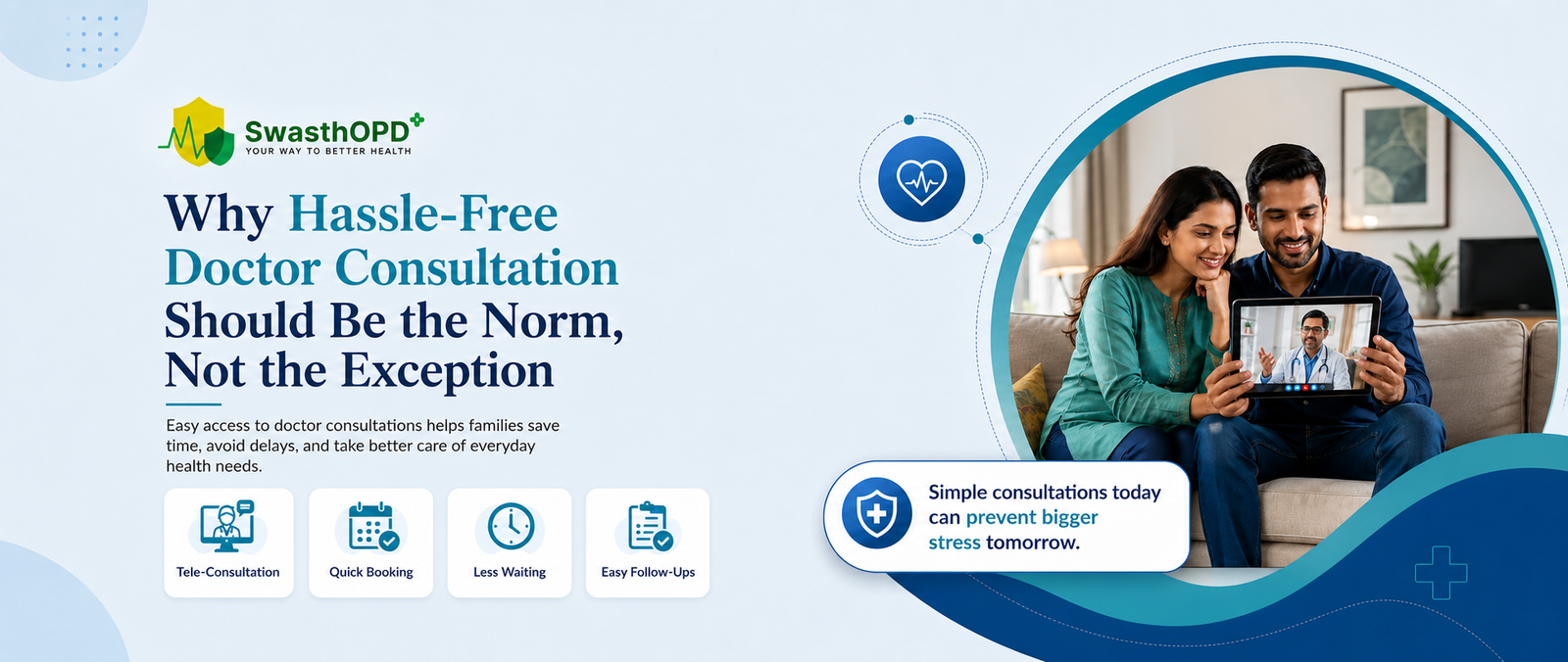
- Doctor Consultations: Both in-clinic and online/video consultations.
- Diagnostic Tests: Coverage for blood tests, X-rays, MRIs, and other investigations.
- Pharmacy Benefits: Coverage for prescription medicines.
Some plans might only offer one or two of these. Always compare OPD health insurance plans to ensure you get a holistic package.
2. Sum Insured vs. Discount Model
This is a crucial differentiator.
- Sum Insured Model: The plan provides a fixed wallet (e.g., ₹5,000 or ₹10,000 per year) that you can use for consultations, tests, and medicines. Once the limit is exhausted, you pay out-of-pocket.
- Discount Model: The plan offers a fixed percentage discount (e.g., 20-30%) on services at network providers. There is no fixed limit, but you always pay a portion of the bill.
When you compare OPD health insurance plans, consider which model suits your family’s healthcare usage. If you have predictable, high expenses, a sum insured model might be better. If your usage is sporadic, a discount model could work.
3. Network Strength
An OPD plan is only as good as its network. Before you decide, check:
- Are there network doctors near your home or office?
- Are major diagnostic chains (like Dr. Lal PathLabs, Thyrocare, etc.) included?
- Are there network pharmacies where you can buy medicines cashlessly?
A plan with a weak network is useless, no matter how low the premium. This is why you must compare OPD health insurance plans based on their provider directories.
4. Family Floater Options
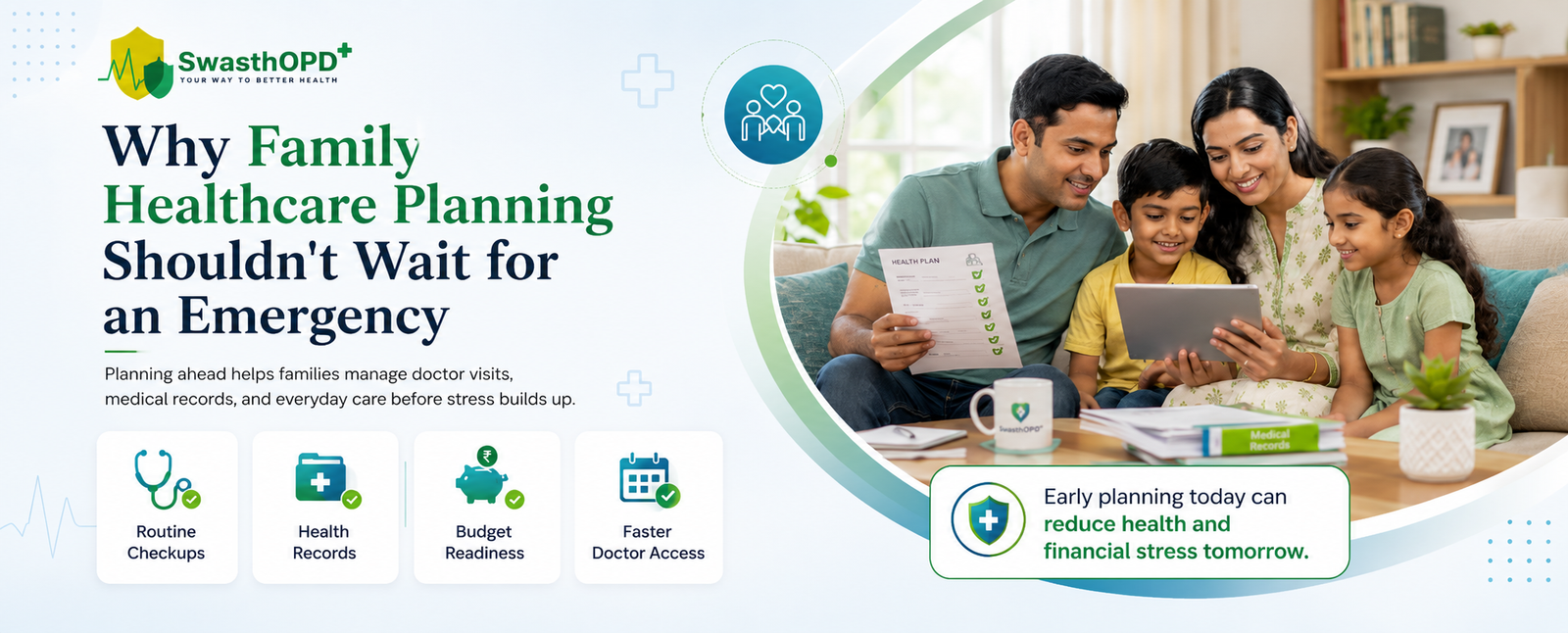
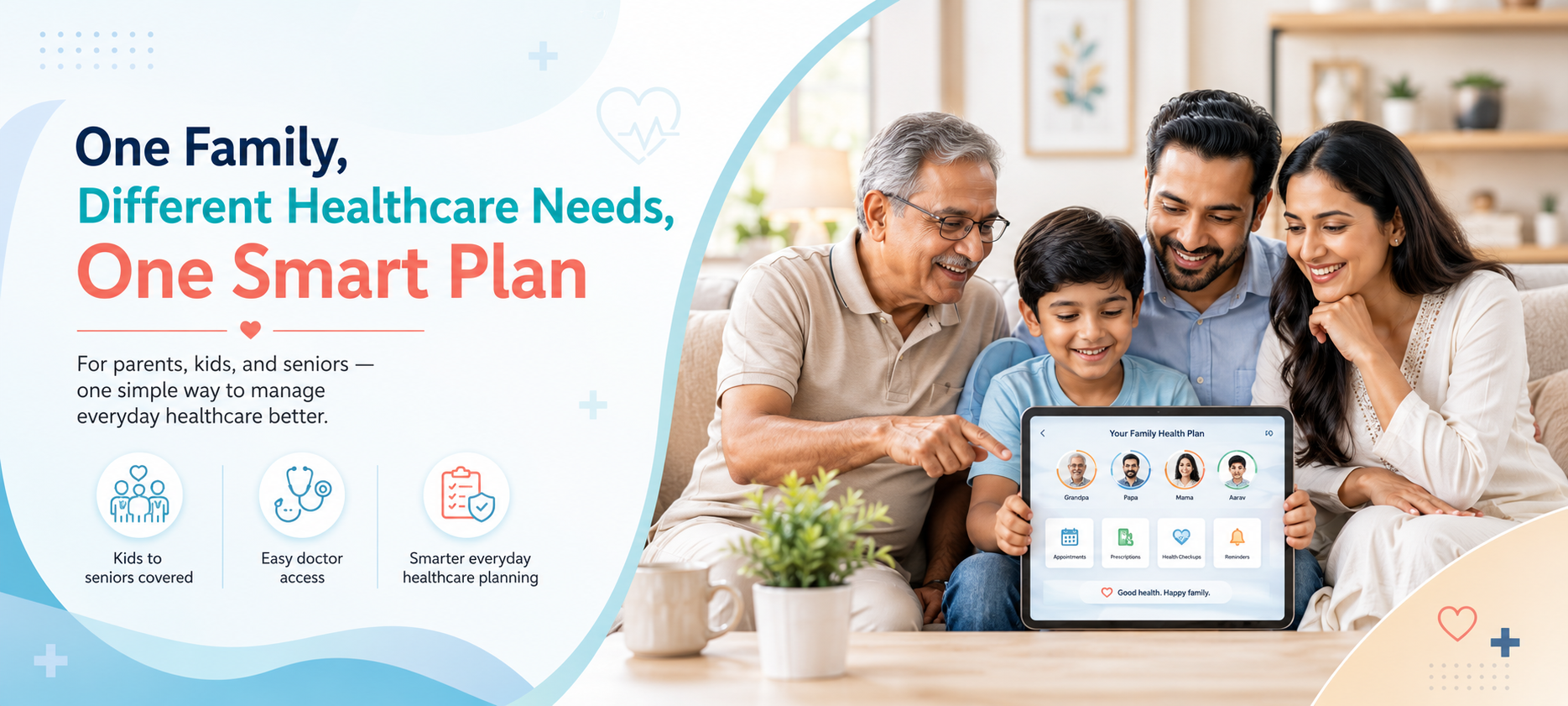
If you are buying for your family, look for family floater OPD plans. These allow all members to share a common sum insured. This is often more economical than buying individual plans for each person. For example, a plan like the Swasth Life Plan (4 Members) available on SwasthOPD is designed specifically for families, offering comprehensive coverage at a reasonable annual premium.
5. Claim Process
How do you get your money back? The best plans offer a cashless experience. You should be able to walk into a network clinic or pharmacy, show your digital health card, and have the bill settled directly by the plan provider. Avoid plans that require you to pay first and then file for reimbursement, as this adds hassle and delays.
6. Digital Experience
In 2025, managing your health plan should be easy. Look for platforms with a user-friendly app or website where you can:
- Find network providers.
- Book consultations.
- Track your remaining coverage.
- Download health reports.
How to Compare OPD Health Insurance Plans: A Step-by-Step Approach
Now that you know what to look for, here is a practical guide on how to compare OPD health insurance plans effectively.
Step 1: List Your Family’s Healthcare Needs
Sit down and analyze your family’s healthcare usage over the last year.
- How many doctor visits did you make?
- How much did you spend on medicines monthly?
- Did you undergo any diagnostic tests?
This will give you a baseline of your annual OPD expenses.
Step 2: Shortlist Plans Based on Coverage
Use online resources and platforms to shortlist plans that cover the services you use most. If you have young children, ensure the plan covers pediatric consultations. If you have elderly parents, pharmacy coverage is non-negotiable.
Step 3: Compare the Costs
Look at the premium versus the coverage limit. A plan with a ₹3,000 premium and ₹5,000 coverage might be better value than a ₹2,000 plan with only ₹2,500 coverage, especially if your expenses are high. Calculate the potential savings to see which plan offers the best return.
Step 4: Check the Network
Visit the provider’s website or app. Search for doctors, labs, and pharmacies in your area. A plan with a wide network in your city is far more valuable than one with a large national network but no presence near you.
Step 5: Read Reviews and Testimonials
Look for feedback from actual users. Testimonials like those from Sneha Gupta in Jaipur (“Their OPD coverage is a lifesaver”) or Pooja Verma in Delhi (“Everything is hassle-free”) provide real insight into the customer experience. When you compare OPD health insurance plans, user satisfaction is a key metric.
Why SwasthOPD Stands Out in the Comparison
When you compare OPD health insurance plans, one name that consistently emerges as a leader is SwasthOPD. As a technology-enabled platform dedicated solely to OPD and wellness, SwasthOPD addresses the gaps that traditional insurers often miss.
Here’s what makes SwasthOPD a strong contender when you compare OPD health insurance plans:
- Tailored Solutions: Whether you are an individual looking for personal wellness coverage or a business seeking to enhance employee health benefits, SwasthOPD offers tailor-made solutions.
- Comprehensive Coverage: Their plans are designed to cover the full spectrum of outpatient care—cashless consultations, preventive care, mental wellness programs, and easy access to top doctors and diagnostic centers.
- Trust and Experience: With over 12 years of expertise, SwasthOPD has built a reputation for reliability and innovation in the healthcare space.
- Simplified Access: The platform’s mission is to make healthcare simpler, more transparent, and hassle-free, which is exactly what you need from an OPD plan.
To see the full range of options available, you can explore the structured overview of services and plans on the SwasthOPD. This will give you a complete picture of how their offerings compare to others in the market.
Common Mistakes to Avoid When Comparing OPD Plans
As you compare OPD health insurance plans, watch out for these common pitfalls:
- Focusing Only on Premium: The cheapest plan is rarely the best. A low premium often means lower coverage limits or a restricted network.
- Ignoring Sub-Limits: Some plans have separate, low sub-limits for consultations, diagnostics, and pharmacy. A plan with a single, generous limit is more flexible.
- Overlooking Waiting Periods: Check if there are waiting periods for certain conditions. You don’t want to buy a plan only to find out it doesn’t cover your existing health needs for the first year.
- Not Checking Exclusions: Understand what is not covered. Common exclusions include over-the-counter drugs, certain nutritional supplements, or experimental treatments.
The Future of OPD Insurance in India
The Indian health insurance market is rapidly embracing the need for OPD coverage. As more people realize that routine healthcare expenses are a significant financial drain, the demand for comprehensive OPD plans is skyrocketing.
When you compare OPD health insurance plans today, you are participating in a shift towards holistic health coverage. The future belongs to plans that integrate seamlessly with your daily life, offering cashless access to healthcare whenever and wherever you need it.
Conclusion: Make the Right Choice
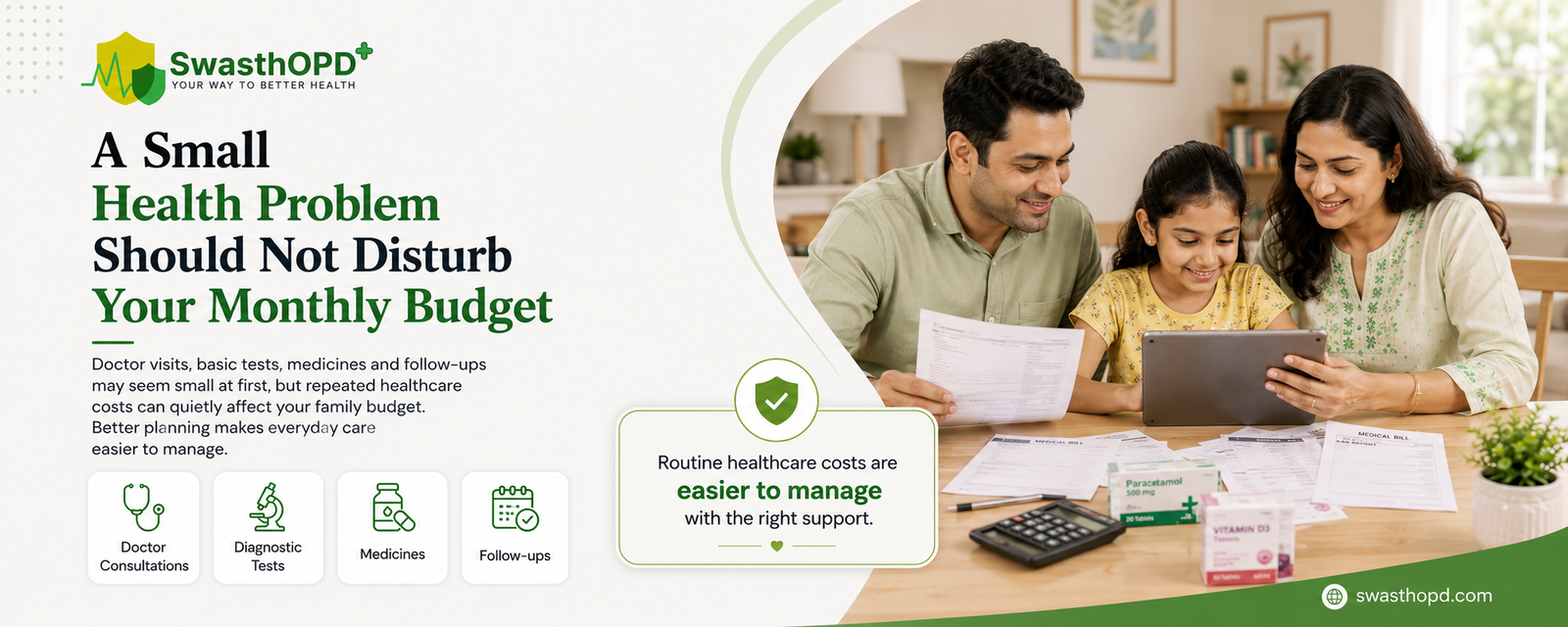
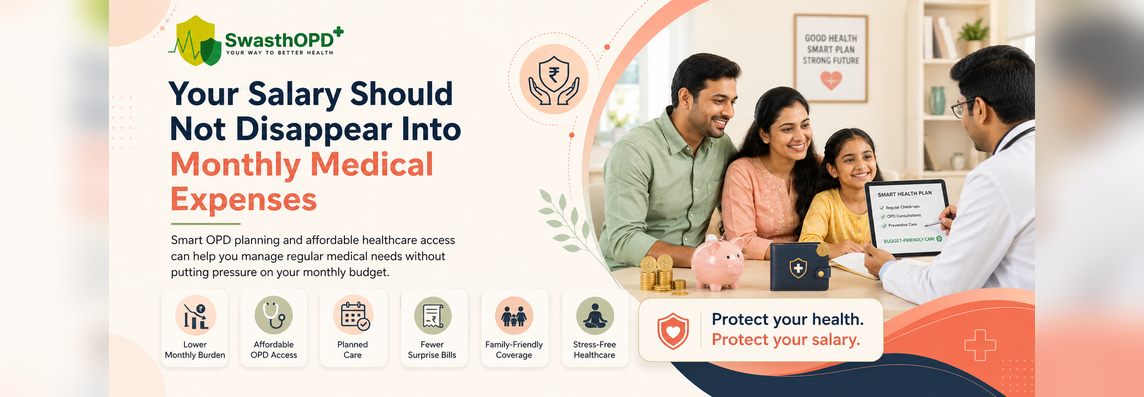
Choosing the right OPD health insurance is one of the most important financial decisions you can make for your family’s well-being. It transforms unpredictable healthcare costs into a manageable, planned expense.
By taking the time to compare OPD health insurance plans based on coverage, network, claim process, and cost, you can find a plan that offers true value and peace of mind.
Ready to find the perfect plan for your family? Start your comparison today by exploring the comprehensive and affordable options available at SwasthOPD . Your journey to hassle-free, cashless healthcare begins here.