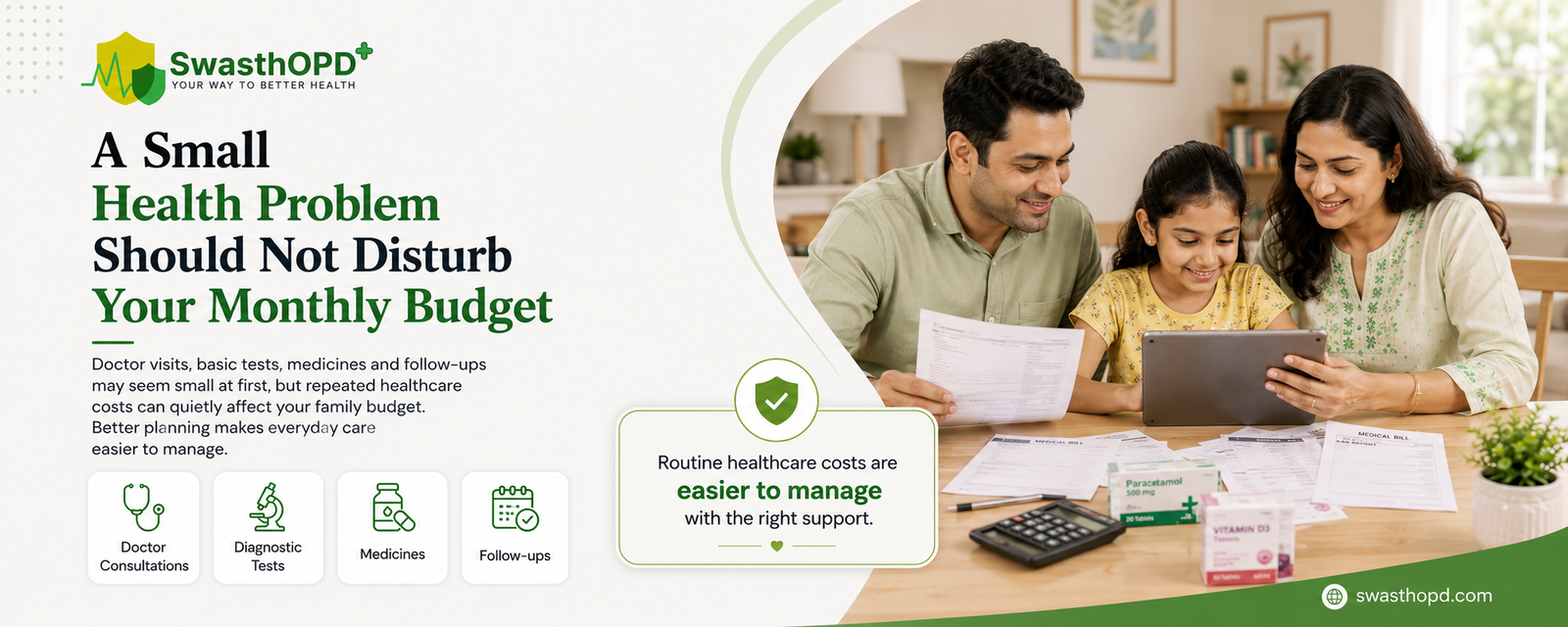

When you pick up a prescription from the doctor, the first question that often comes to mind after concern for your health is, “How much will these medicines cost?” For the millions of Indians managing chronic conditions like diabetes, hypertension, or thyroid disorders, or even those dealing with seasonal infections, the monthly pharmacy bill is a significant and recurring expense.
This leads to a critical question that every health insurance consumer should ask: Is medicine covered in OPD insurance?
The short answer is yes, but the real value lies in understanding how it is covered, how much is covered, and which plans offer the best pharmacy benefits. In this guide, we will explore everything you need to know about medicine coverage under OPD insurance, how it saves you money, and why it is an essential part of modern healthcare planning.
Understanding the Basics: What is OPD Insurance?
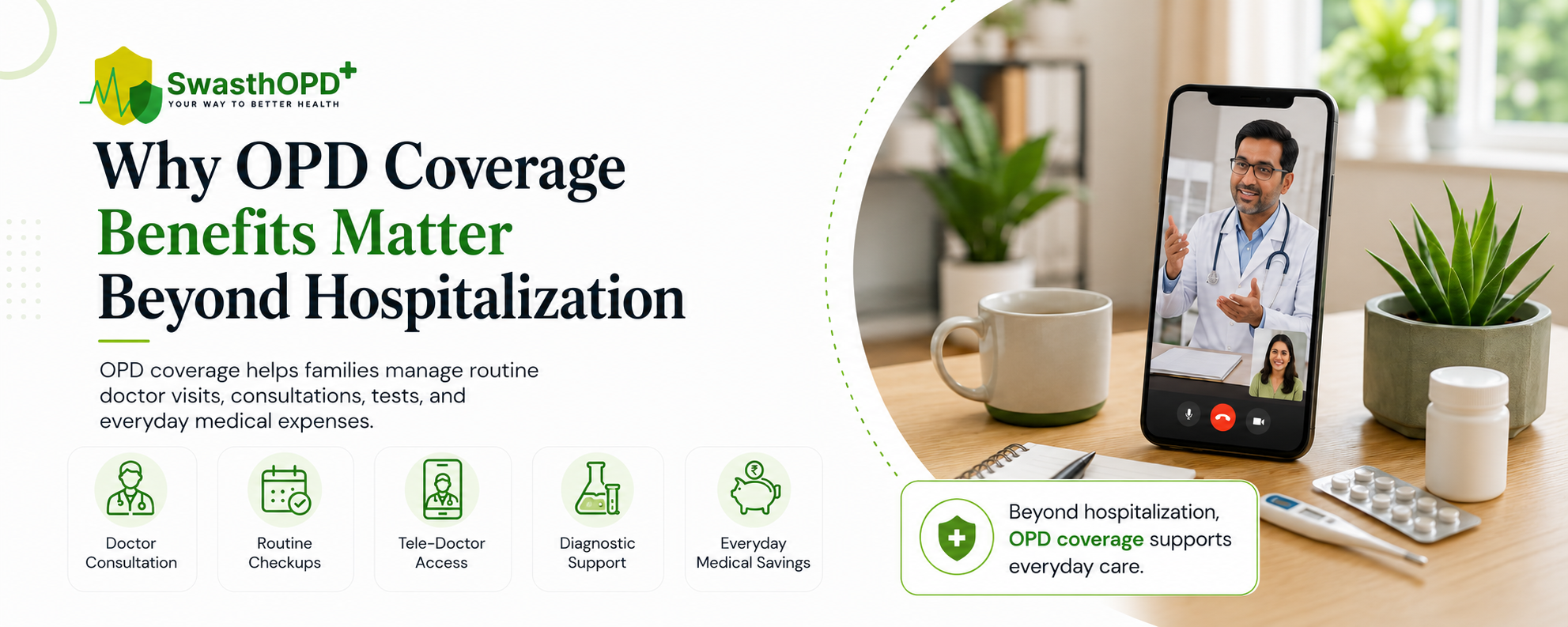
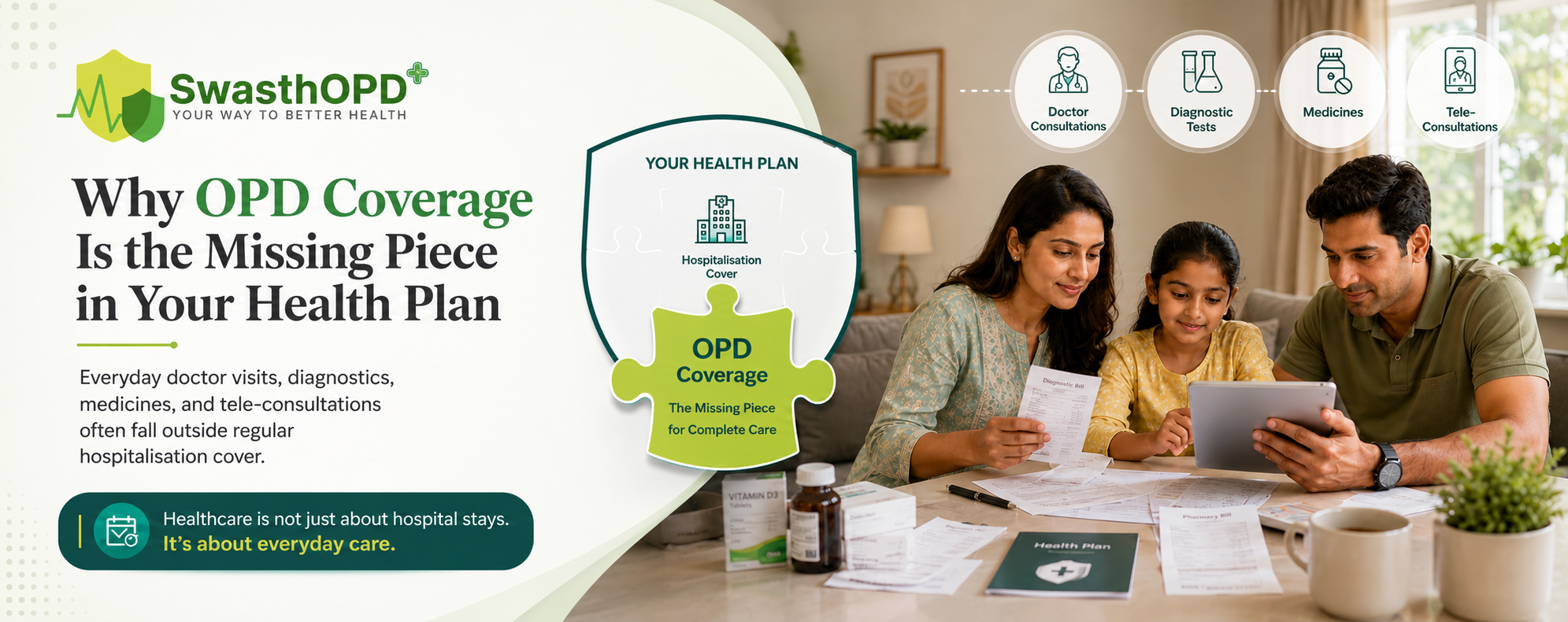
Before we dive into the specifics of medicine coverage, let’s clarify what OPD insurance actually means. OPD stands for Outpatient Department. Unlike traditional health insurance, which only covers you when you are admitted to a hospital for more than 24 hours, OPD insurance is designed for the healthcare you use every day.
This includes:
- Doctor Consultations: Visits to general physicians or specialists in their clinics.
- Diagnostic Tests: Blood tests, X-rays, MRIs, and other investigations prescribed by a doctor.
- Pharmacy: The medicines and drugs you purchase based on a prescription.
So, when someone asks, “Is medicine covered in OPD insurance?”, they are essentially asking if their health plan will help reduce the burden of their routine pharmacy bills. The answer is a definitive yes, but the extent of coverage depends entirely on the specific plan you choose.
The Big Problem with Traditional Health Insurance
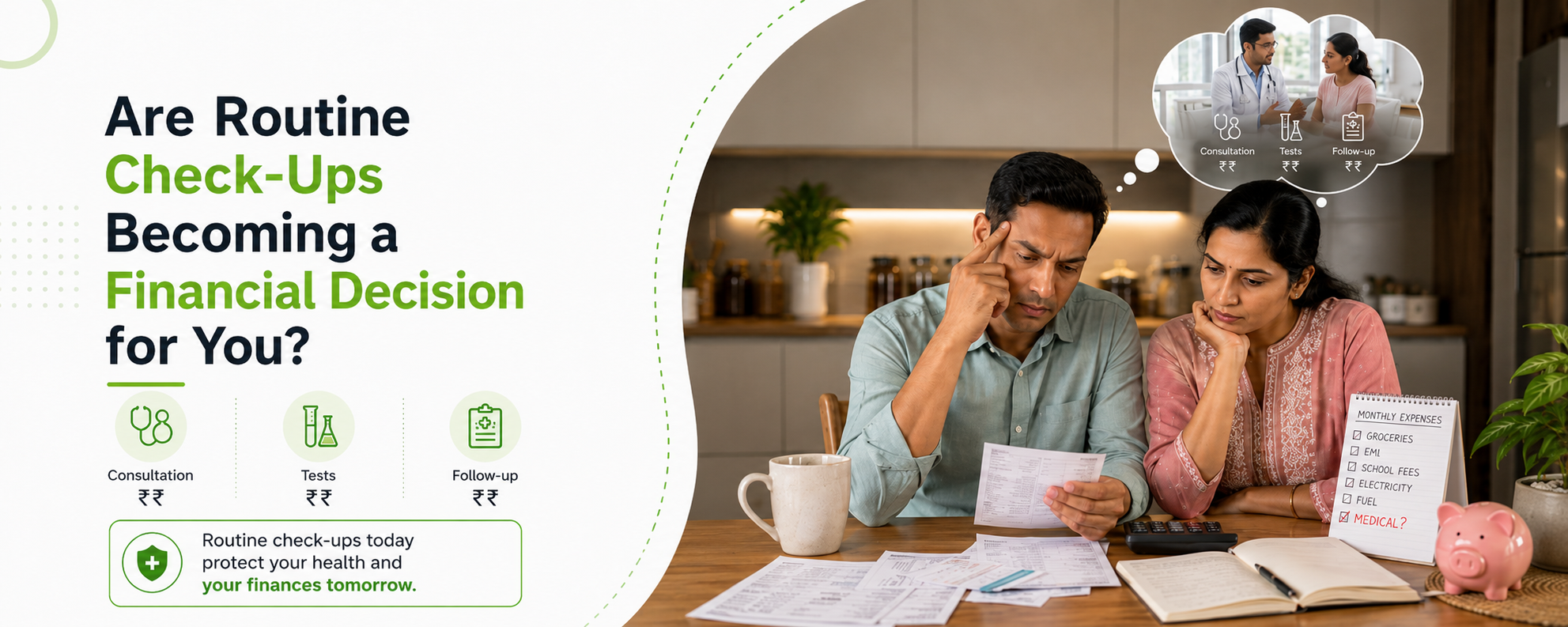
To understand why this question is so important, look at a standard health insurance policy. If you have a ₹5 lakh family floater plan, it will cover the costs if you are hospitalized. However, if your doctor prescribes a month’s supply of antibiotics or lifelong medication for a condition like hypothyroidism, that cost comes entirely out of your pocket.
This gap in coverage is why the question “Is medicine covered in OPD insurance?” is becoming more common. People are realizing that a hospitalization-only policy is incomplete. It protects against a financial catastrophe but does nothing for the steady, predictable drain of pharmacy expenses.

How Medicine Coverage Works in OPD Plans
Now, let’s get to the core of the matter. When we answer “Is medicine covered in OPD insurance?”, we need to look at the different ways insurers and healthcare platforms provide this benefit.
1. Sum Insured Model
The most common and transparent way medicine is covered is through a dedicated sum insured. For example, a plan might offer a total OPD cover of ₹5,000 or ₹10,000 per year for a family. This amount can be used flexibly across consultations, diagnostics, and medicines. So, if you spend ₹2,000 on medicines in a month, that amount is deducted from your total cover. This is a simple and effective way to manage pharmacy costs.
2. Discount-Based Models
Some plans, particularly those offered as add-ons by traditional insurers or through specific platforms, offer medicine coverage in the form of discounts. For instance, the plan might provide a 20% to 30% discount on medicine purchases at network pharmacies. While this doesn’t give you a fixed pool of money, it reduces your out-of-pocket expense every time you buy medicine.
3. Pharmacy Cards or Wallets
Another innovative method is the “health wallet” concept. You pay a premium, and a certain amount is loaded into a digital wallet specifically for health expenses. When you buy medicines from network pharmacies, you can pay directly from this wallet. This makes the process cashless and seamless.
Why “Is Medicine Covered in OPD Insurance?” Matters for Chronic Conditions
For a healthy young individual, the pharmacy bill might be an occasional expense. But for the millions of Indians managing chronic diseases, medicine is a monthly necessity. Consider these scenarios:
- A diabetic patient needs monthly supplies of insulin or oral medications.
- A heart patient requires blood thinners and cholesterol-lowering drugs.
- An asthma patient needs inhalers and preventive medication.
For these individuals, the answer to “Is medicine covered in OPD insurance?” can mean the difference between financial stress and peace of mind. A good OPD plan that covers medicines ensures that managing a chronic condition does not become a financial burden. It allows patients to adhere to their medication schedules without worrying about the cost, which in turn leads to better long-term health outcomes.
What to Look for in Medicine Coverage
If you are searching for an OPD plan specifically for pharmacy benefits, here are the key features to evaluate. Remember, when you ask “Is medicine covered in OPD insurance?”, you should also ask “How well is it covered?”
- Coverage Limit: Check the sub-limit for pharmacy, if any. Some plans might have a separate limit for medicines within the overall OPD cover. The best plans offer a generous, unified limit that you can use as you wish.
- Network Pharmacy Reach: A plan is only useful if there is a network pharmacy near you. Before buying, check the list of partner pharmacies. Do they include major chains in your city? Is there an option for online medicine delivery?
- Inclusion of Prescription Drugs: Most plans cover prescription drugs, but it is always wise to check the fine print for any exclusions related to specific high-cost medications or certain categories of drugs.
- Cashless vs. Reimbursement: The ideal scenario is cashless medicine purchase. You should be able to go to a network pharmacy, show your digital health card, and have the bill settled directly by the plan provider without paying upfront and waiting for reimbursement.
How SwasthOPD Answers Your Pharmacy Questions
This is where a dedicated platform like SwasthOPD makes a significant difference. Instead of trying to fit OPD needs into a traditional insurance mold, SwasthOPD offers technology-enabled plans specifically designed for outpatient care.
When you ask, “Is medicine covered in OPD insurance?” , the plans available on SwasthOPD are built to answer with a resounding “yes.” They understand that healthcare is not just about hospital stays; it is about daily wellness. By offering comprehensive coverage that includes pharmacy benefits alongside consultations and diagnostics, they provide a holistic safety net.
Whether you are looking for an individual plan or coverage for your entire family, exploring the tailored solutions on the main page can give you a clear picture of how medicine coverage works in practice. For a complete overview of the different types of plans, services, and coverage options available, you can also refer to the SwasthOPD sitemap to navigate through all the resources.
Real-Life Savings: The Impact of Pharmacy Coverage
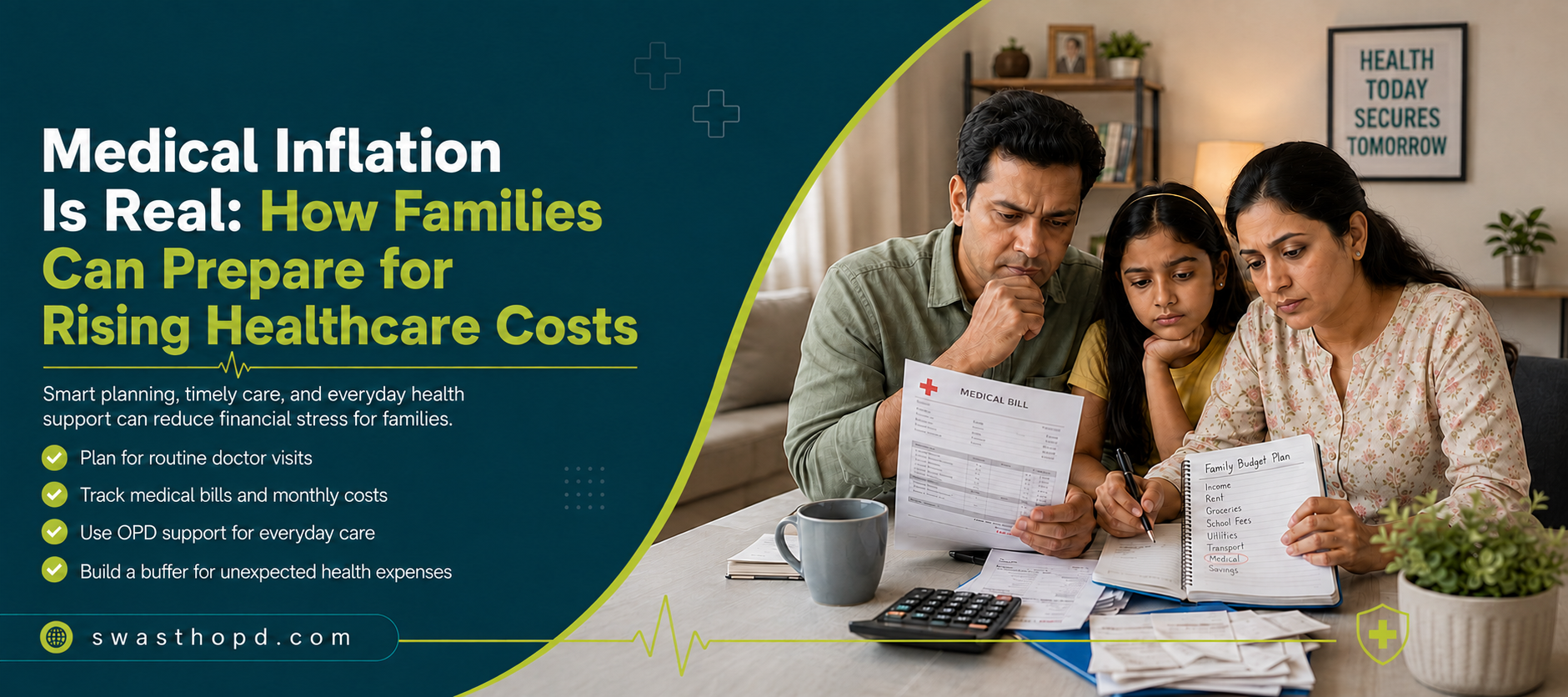
To understand the true value, let’s look at a hypothetical but common Indian family. The Sharma family of four has an elderly father who takes medicines for BP and diabetes, costing about ₹2,500 per month. During the year, there are usual childhood illnesses, leading to another ₹3,000-4,000 in pharmacy bills. Their total annual medicine expense easily crosses ₹35,000.
Now, if they have an OPD plan that covers medicines, a significant portion of this ₹35,000 is no longer an out-of-pocket expense. They have effectively prepaid for it through their premium. This is the financial logic behind asking “Is medicine covered in OPD insurance?” . It transforms a variable, uncertain cost into a fixed, manageable premium.
Common Exclusions to Be Aware Of
While the answer to “Is medicine covered in OPD insurance?” is generally positive, it is important to be aware of what might not be covered. Typical exclusions in OPD pharmacy coverage can include:
- Non-Prescription Drugs: Over-the-counter (OTC) medications that do not require a doctor’s prescription are often not covered.
- Certain Nutritional Supplements: Unless prescribed as part of a specific treatment plan, general health supplements and vitamins may be excluded.
- Experimental Drugs: Medications that are not FDA-approved or are considered experimental are usually not covered.
- Waiting Periods: Some plans may have a waiting period for coverage of pre-existing diseases, meaning medicines related to those conditions might not be covered immediately.
Always read the policy document carefully to understand these nuances.
The Future of Health Coverage is Integrated
The healthcare industry is moving towards a more integrated model. The days of separating “major illness” coverage from “daily expense” coverage are fading. The modern consumer wants a solution that covers everything from a simple cold to a complex surgery.
In this new landscape, the question “Is medicine covered in OPD insurance?” becomes less of a niche query and more of a standard requirement. As more people experience the convenience and savings of having their pharmacy bills covered, OPD insurance will shift from being a “nice-to-have” to a “must-have.”
Conclusion: Don’t Pay Full Price for Medicines
So, let’s circle back to the core question: Is medicine covered in OPD insurance? Yes, it absolutely is, provided you choose the right plan. The key is to look for comprehensive coverage that includes a robust pharmacy network, a generous sum insured, and a cashless claims process.
Your monthly medicine bills are not a surprise; they are a predictable part of life. Why treat them as an unexpected financial burden? By opting for a dedicated OPD health plan, you can make your healthcare a planned expense. You can ensure that every time you walk into a pharmacy, you are protected.
Stop paying full price for your prescriptions. Start exploring the OPD plans that put money back in your pocket where it matters most—on your daily health needs. Visit SwasthOPD today to find a plan that covers your family’s consultations, diagnostics, and most importantly, your medicines. Your health and your wallet will thank you.