Most Indian families put off doctor visits until things get serious. A mild fever waits three days. A backache gets ignored for weeks. Somewhere along the way, seeing a doctor turned into a task you dread instead of something you do naturally. Easy doctor consultations shouldn’t feel like one more item on an already packed to-do list, yet for millions of working parents, students, and elderly patients, that’s exactly what they’ve become.
Why Doctor Visits Feel Like a Chore Today
Think about the last time you needed a doctor. Booking an appointment meant calling multiple clinics and checking timings. Then you rearrange your entire day around a 20-minute visit. Add traffic and waiting rooms, plus the awkward guesswork of choosing the right doctor. It’s no surprise people skip check-ups altogether.
Working professionals often skip a doctor visit for a common cold because taking half a day off feels excessive. Parents juggling school runs and office deadlines find fitting in a paediatrician visit a real logistics puzzle. Elderly family members face a different problem — physically travelling to a clinic can be uncomfortable or even risky, especially during monsoon or peak summer. Even choosing which doctor to see turns into a small research project. Families end up relying on word-of-mouth or guesswork instead of clear information.
The Hidden Cost of Delayed Consultations
When consultations feel like a burden, people delay them, and delay rarely helps. A minor infection left untreated can turn into something that needs stronger medication or even hospitalisation. Chronic issues like high blood pressure or diabetes need regular monitoring, not occasional check-ins whenever symptoms get unbearable.
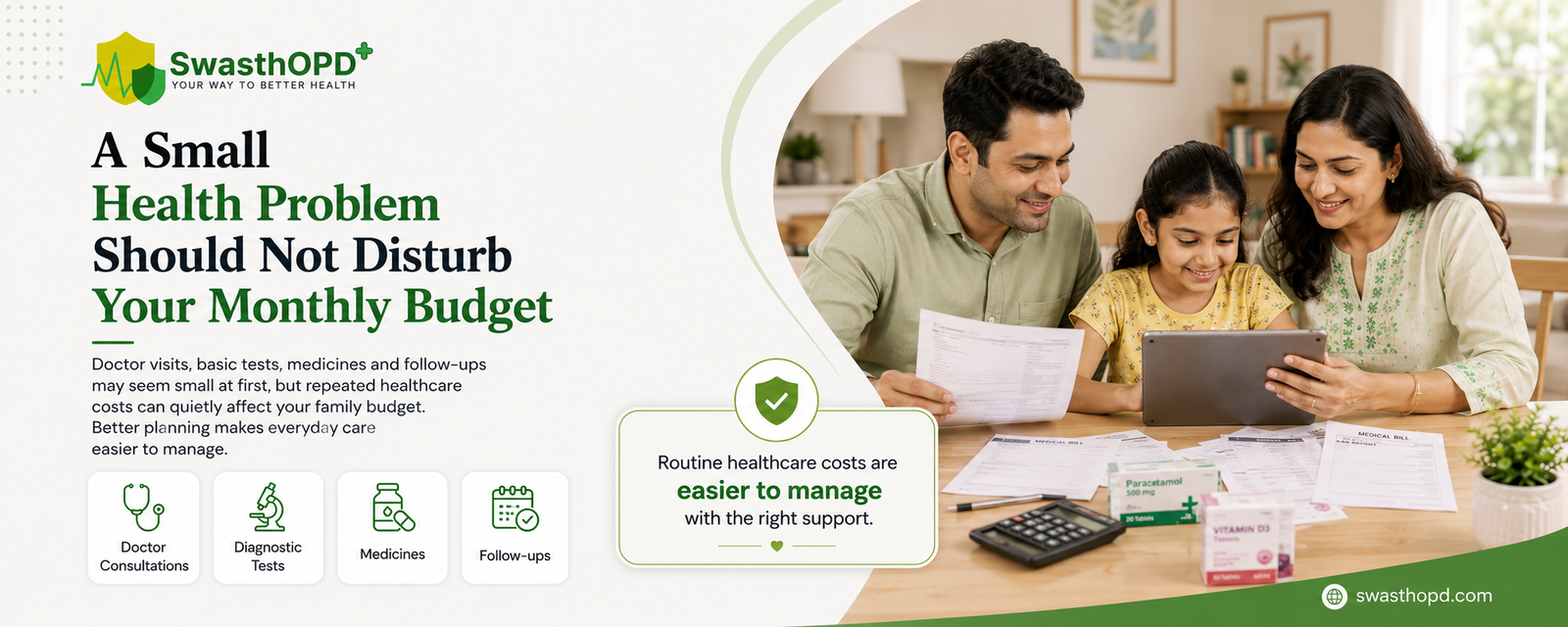
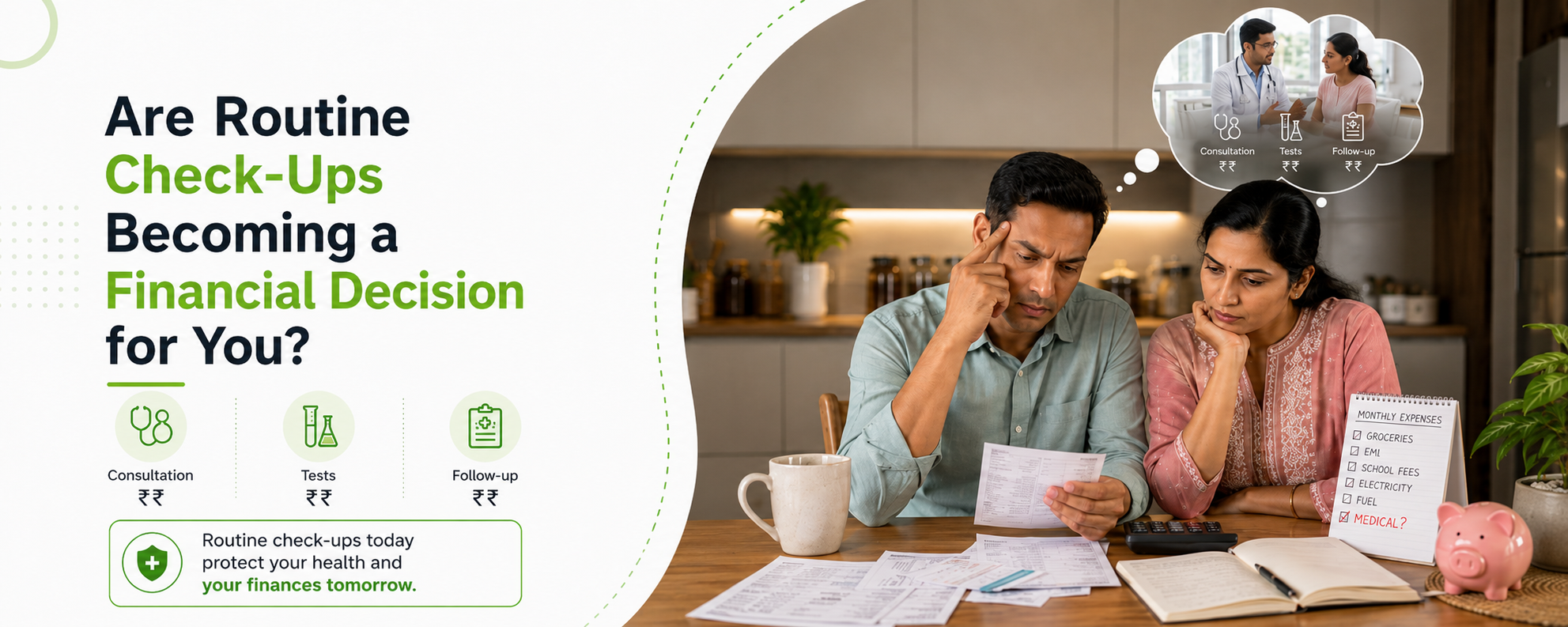
This delay also affects household budgets. What could have been a quick two-hundred-rupee consultation and a course of medicine sometimes turns into an emergency room visit costing thousands. Preventive care almost always costs less, in money and in stress, than reactive treatment. There’s an emotional cost too: the quiet worry that builds up when a symptom is ignored for weeks, and the guilt parents feel when a child’s check-up keeps getting pushed to “next week.”
What Makes Doctor Consultations Stressful for Indian Families
A few things repeatedly make the experience harder than it needs to be:
- Long wait times at crowded clinics, especially in metro cities
- Uncertainty about doctor availability, leading to wasted trips
- Travel time, particularly for families living on the outskirts of a city
- Cost unpredictability, since consultation fees and follow-up charges vary widely
- Confusion about which specialist to consult for a given symptom
None of these problems are about medicine itself, they’re about access. And access is exactly what technology has started to fix, quietly changing what a doctor visit even looks like for ordinary households.
Small Changes That Make Consultations Easier
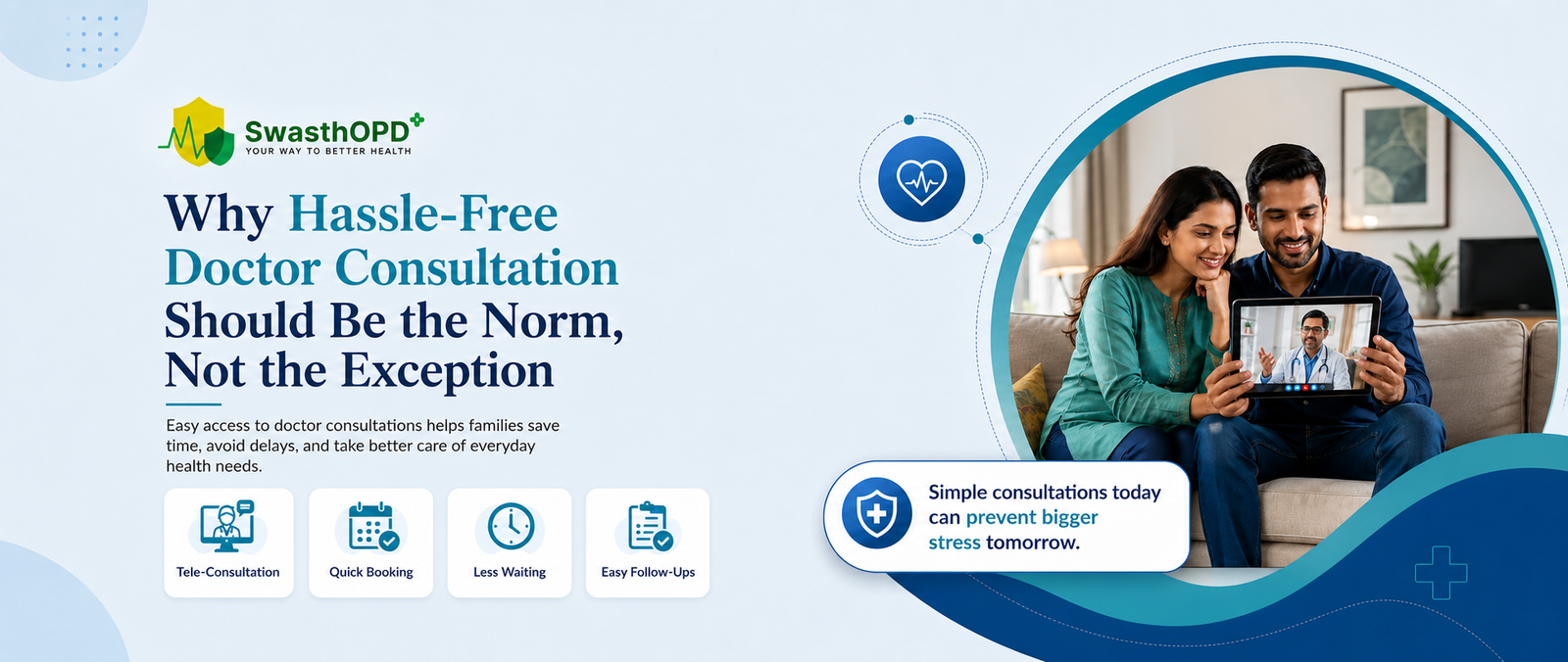
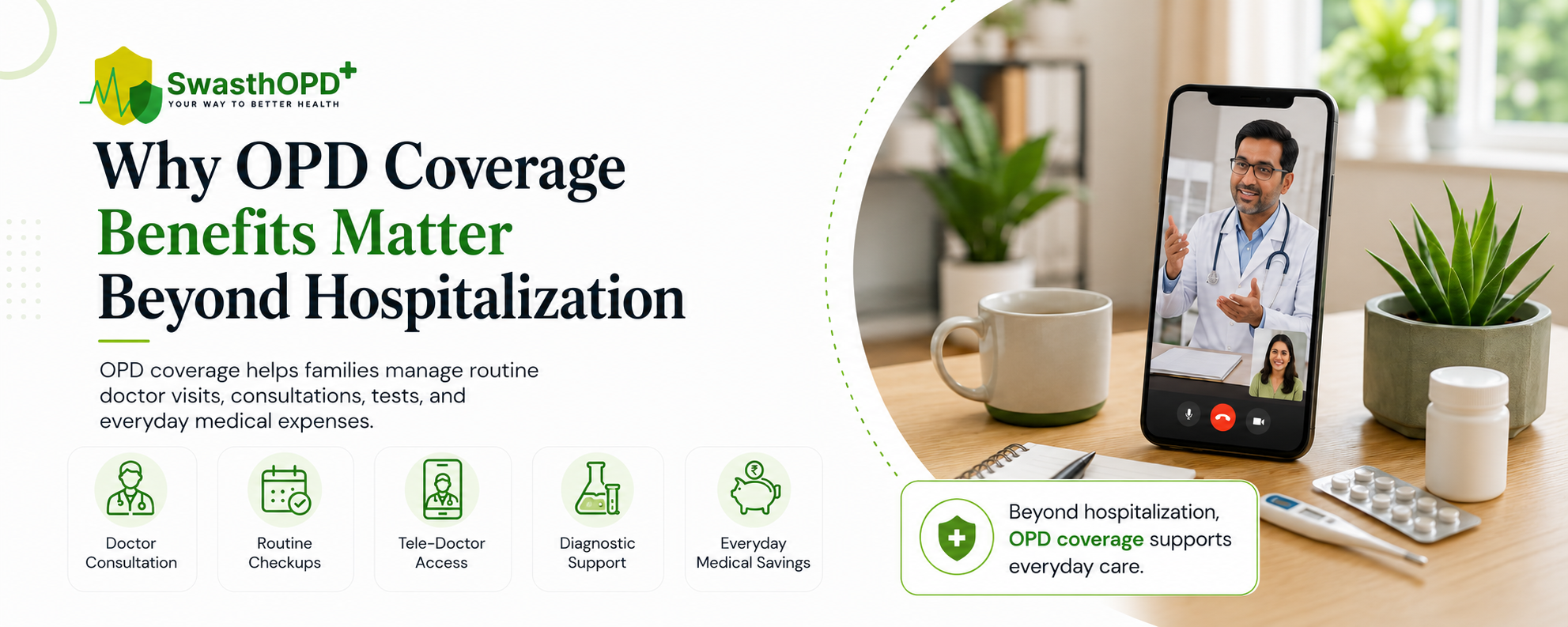
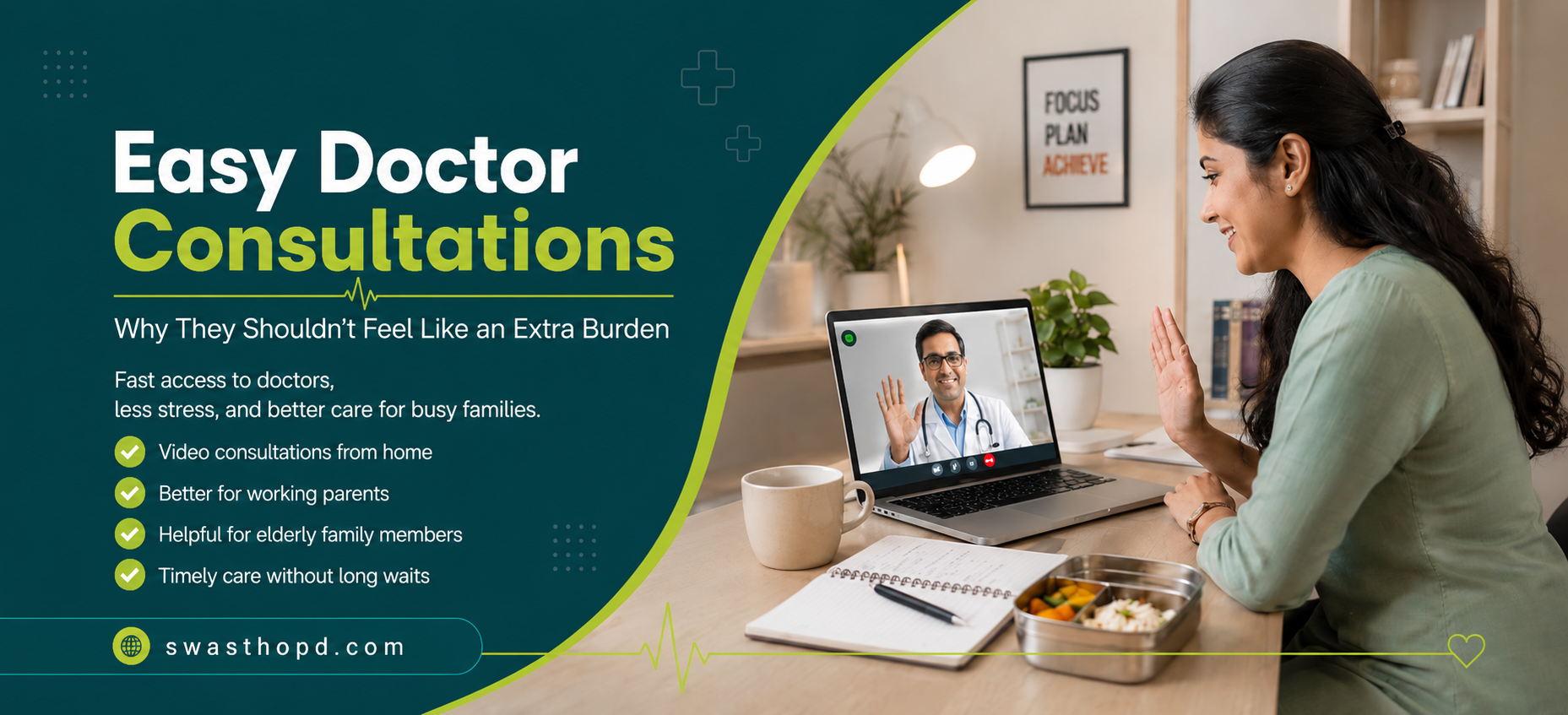
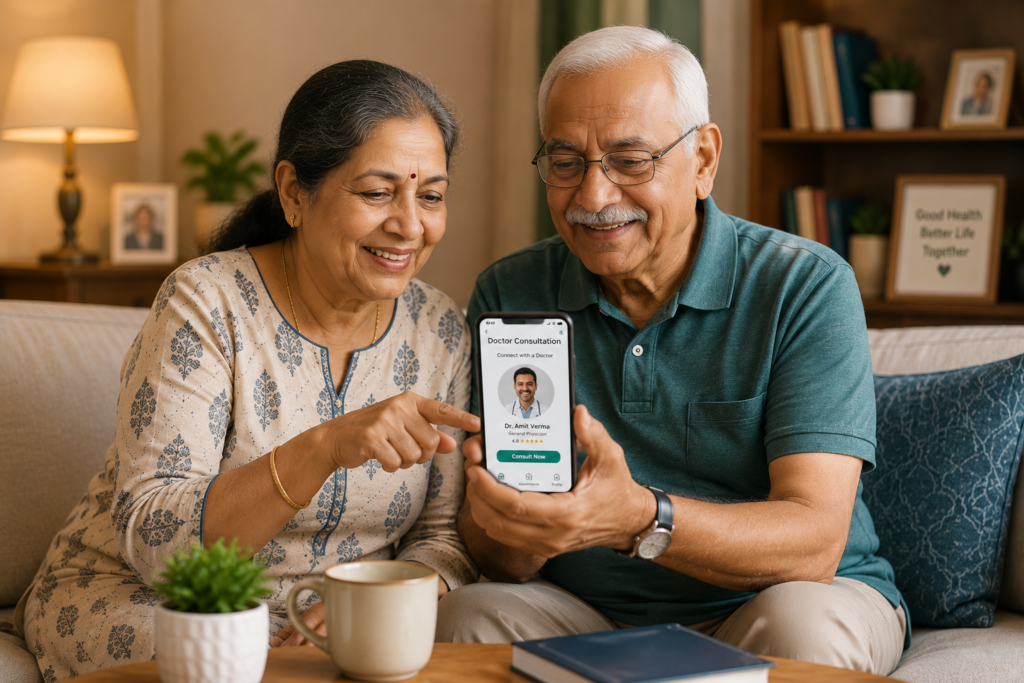
Families who’ve shifted to easy doctor consultations through tele-health report a noticeably different experience. A working mother in Pune can now speak to a paediatrician during her lunch break instead of taking a day off. An elderly couple in a smaller town can consult a specialist without a three-hour bus ride to the nearest city hospital.
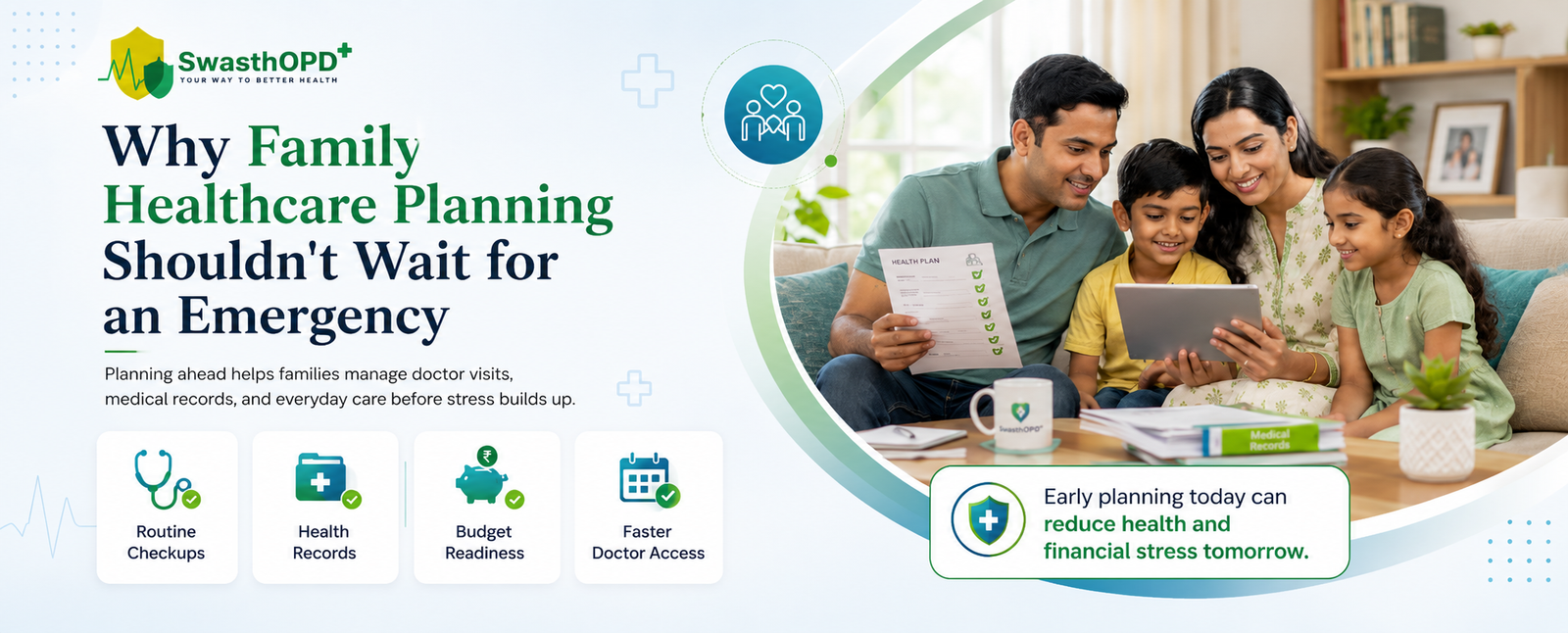
Simple habits help too: keeping a shared family health record, scheduling routine check-ups instead of waiting for symptoms, and knowing which consultations genuinely need an in-person visit versus a quick video call. This is where more families are rethinking their entire approach to preventive care, as covered in SwasthOPD’s guide on acting before a health emergency.
None of this requires giving up your regular doctor either. Many platforms now let you consult trusted physicians virtually first, then follow up in person only if truly needed. It’s less about replacing traditional care and more about removing the friction around it, similar to the shift many households have already made with cashless OPD benefits, which quietly remove the guesswork around who pays for what. Once a family builds this habit, doctor visits stop being an event you brace for and start becoming a normal, manageable part of the month.
How SwasthOPD Can Help
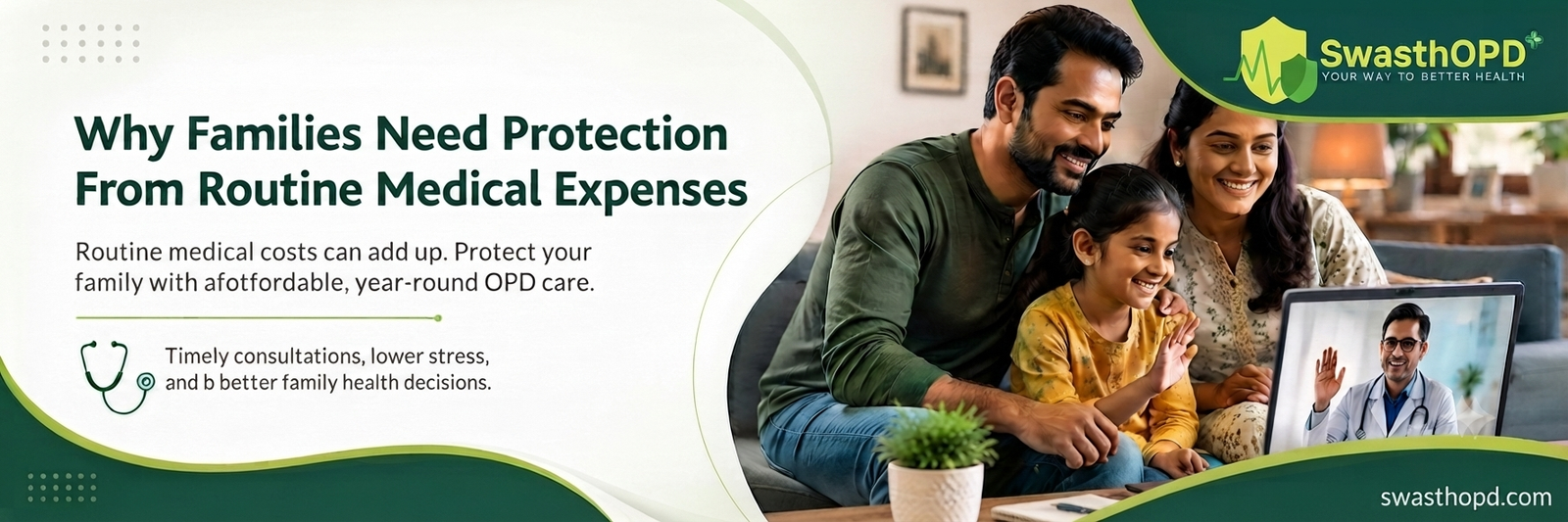
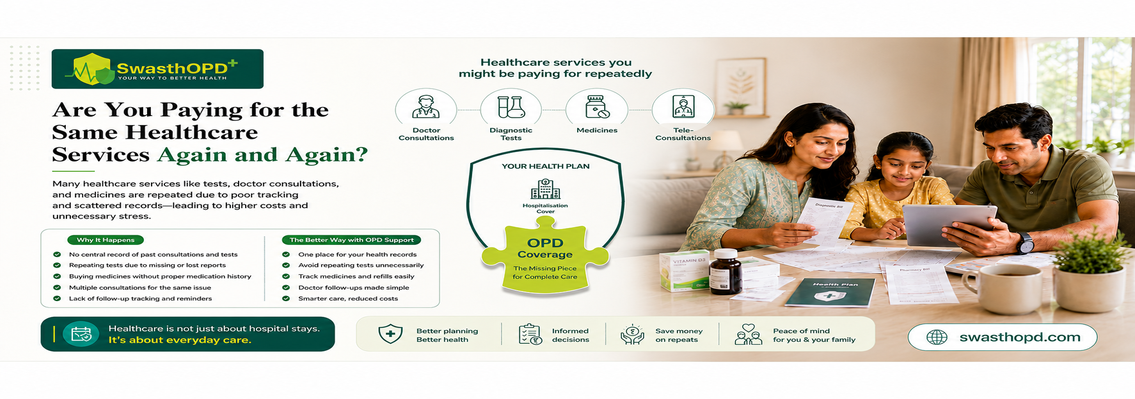
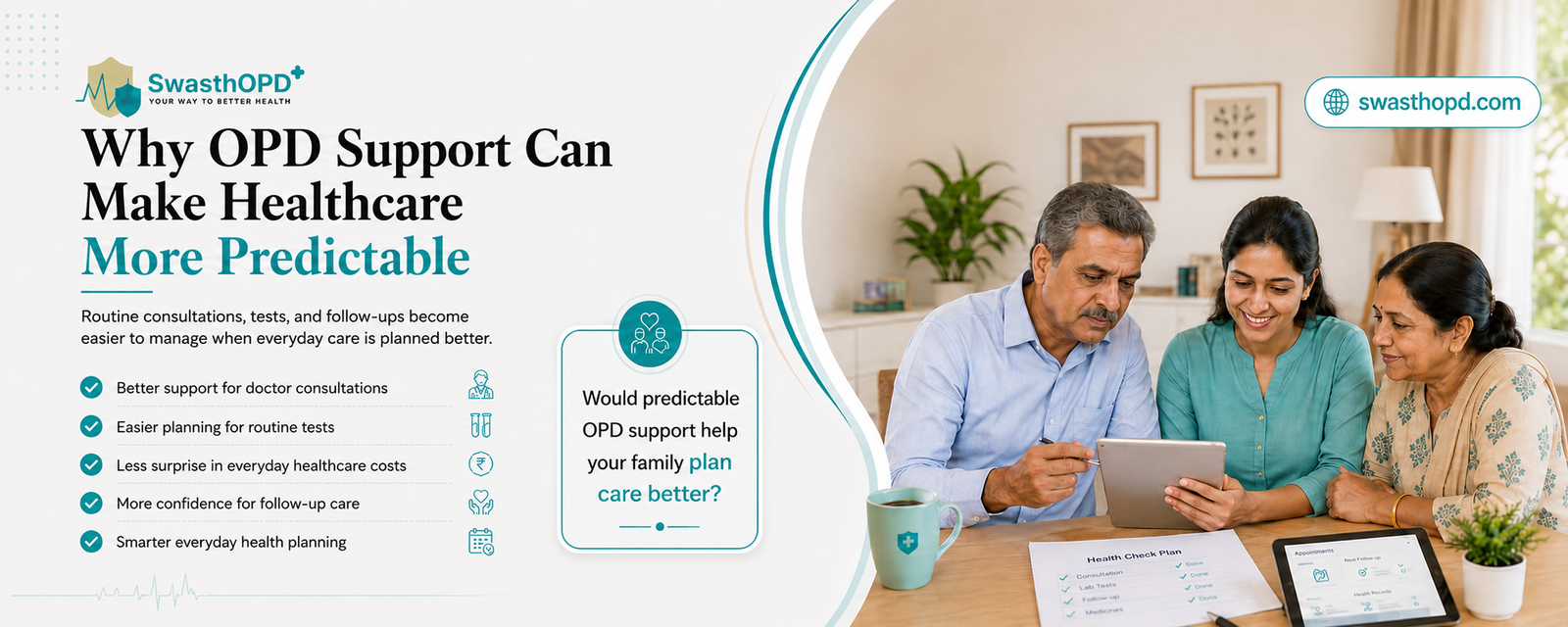
This is exactly the gap SwasthOPD was built to close. With tele-doctor consultations available on demand, in-person GP visits when you actually need them, and discounted diagnostics built into the same plan, easy doctor consultations stop being a hypothetical and become part of your family’s normal routine. Combined with SwasthOPD’s approach to family health planning, everyday healthcare starts feeling less like a burden and more like a habit you can keep up with.
If you’re tired of postponing check-ups because they feel inconvenient, it may be worth taking a closer look — explore SwasthOPD plans and see how much simpler regular doctor visits can be.