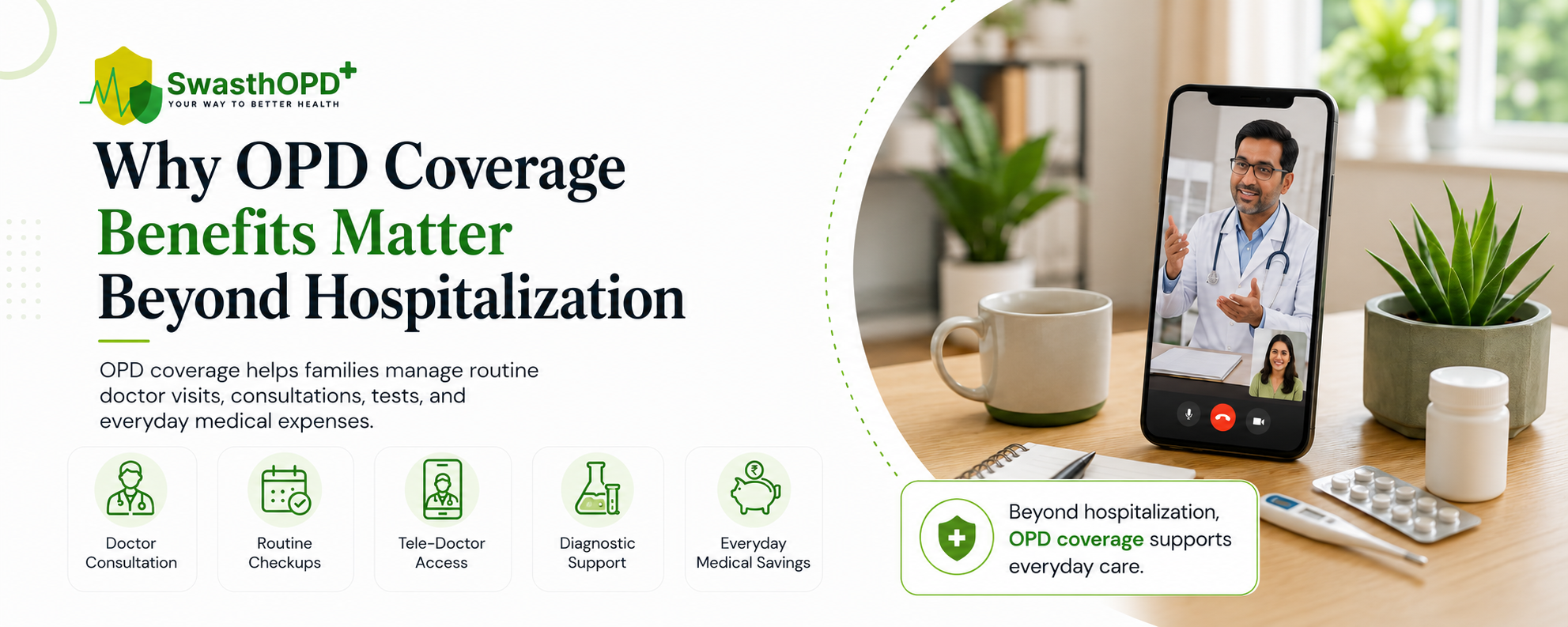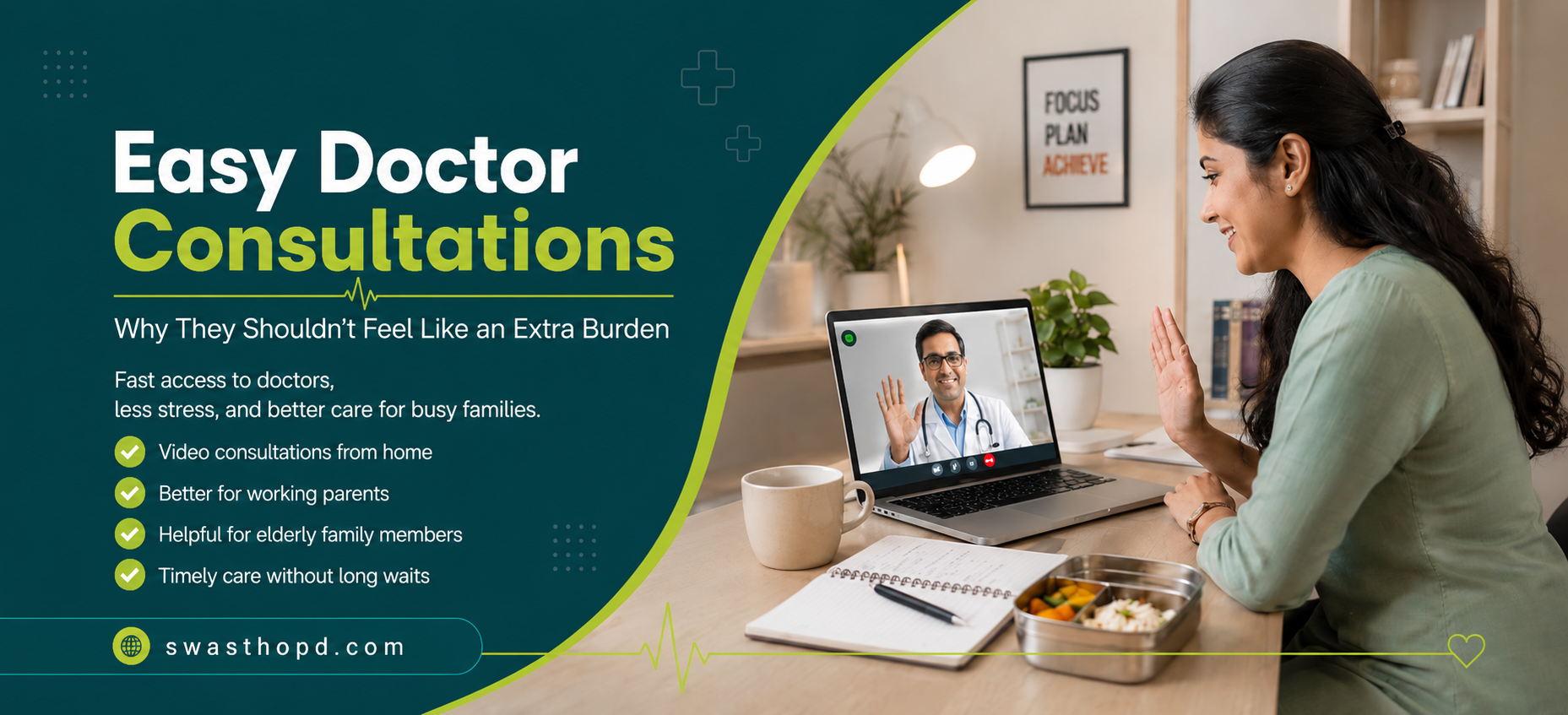

When we talk about health insurance, most of us immediately think of big hospital bills, surgeries, and those terrifyingly high-cost emergencies. We spend hours comparing plans that cover hospital stays, and rightfully so. But what about the healthcare we use most often? The routine stuff. The visit to the physician for a sudden fever, the monthly medicine for blood pressure, the essential blood test, or a quick video consultation with a doctor on a busy day.
This is called Outpatient Department (OPD) care, and for the vast majority of us, it’s where our real healthcare expenses lie. Yet, it’s the one thing traditional health insurance plans often ignore.
So, the burning question for every savvy healthcare consumer in India today remains: Which Health Insurance is Best for OPD?
The simple answer is: one that offers comprehensive, cashless, and hassle-free coverage for doctor consultations, diagnostics, and pharmacy needs. But finding that perfect plan isn’t always straightforward. Let’s break down everything you need to know to make the right choice, and explore how modern solutions like those found on SwasthOPD are changing the game.
The Big Gap in Traditional Health Insurance
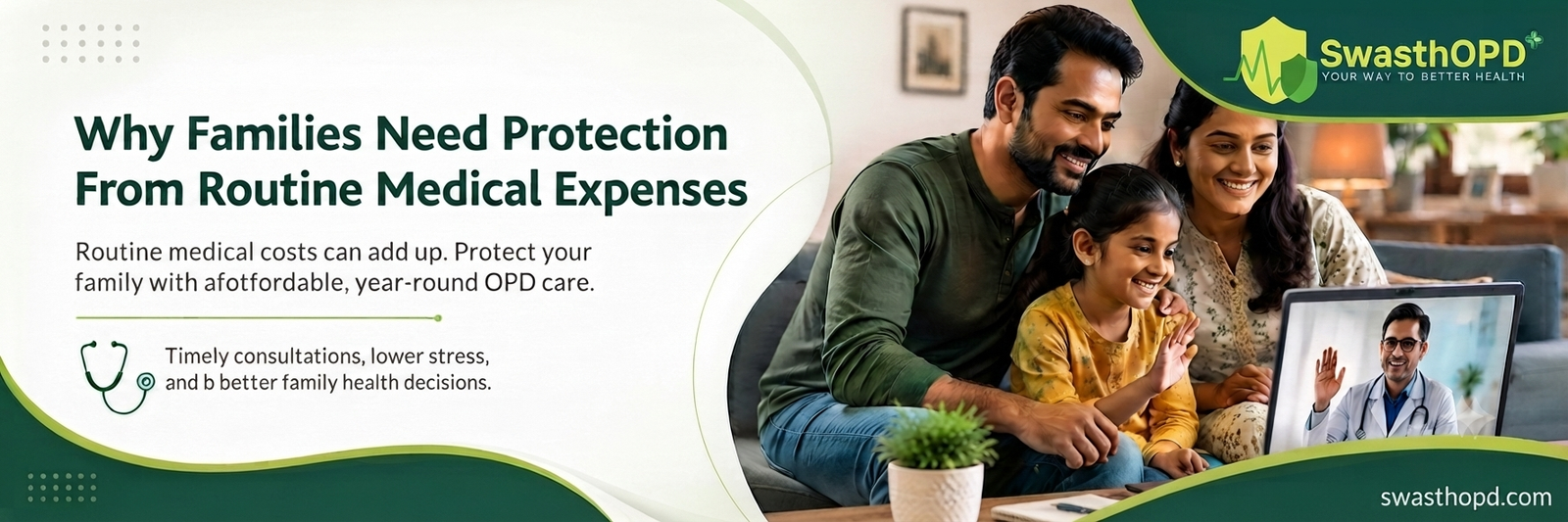
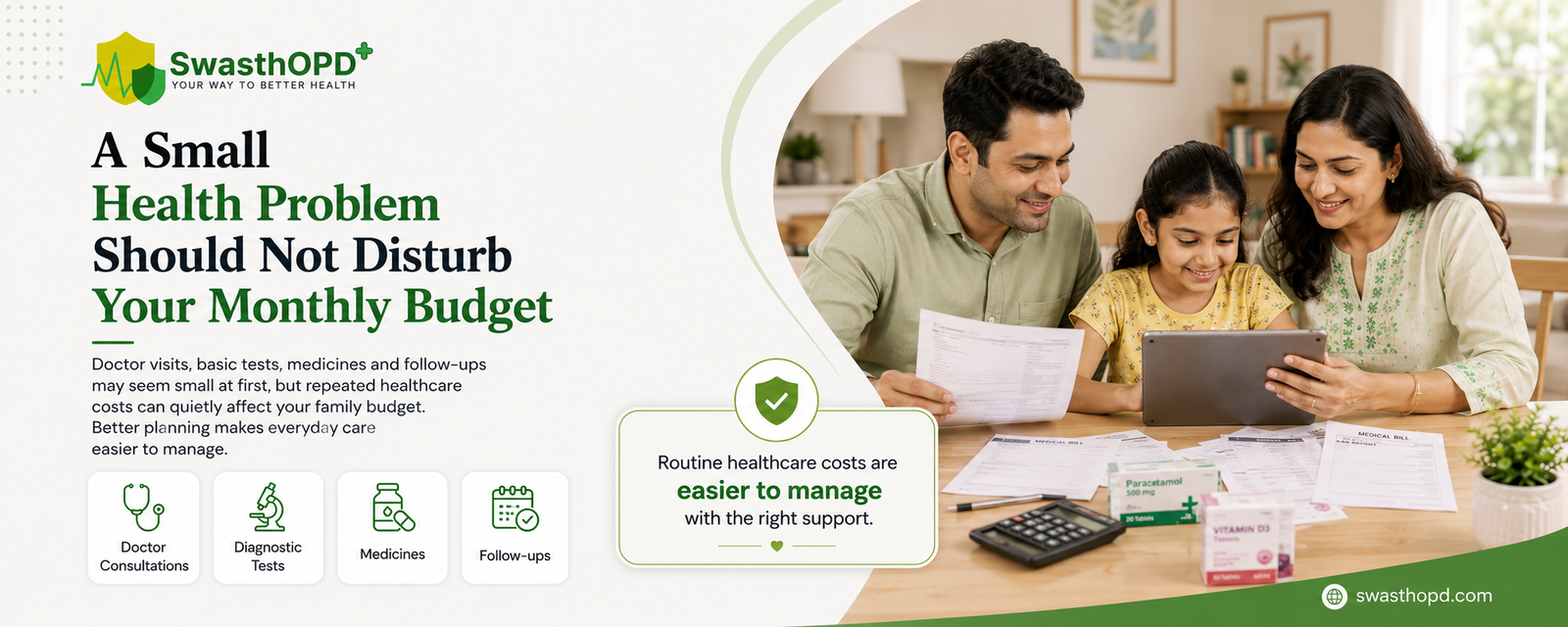
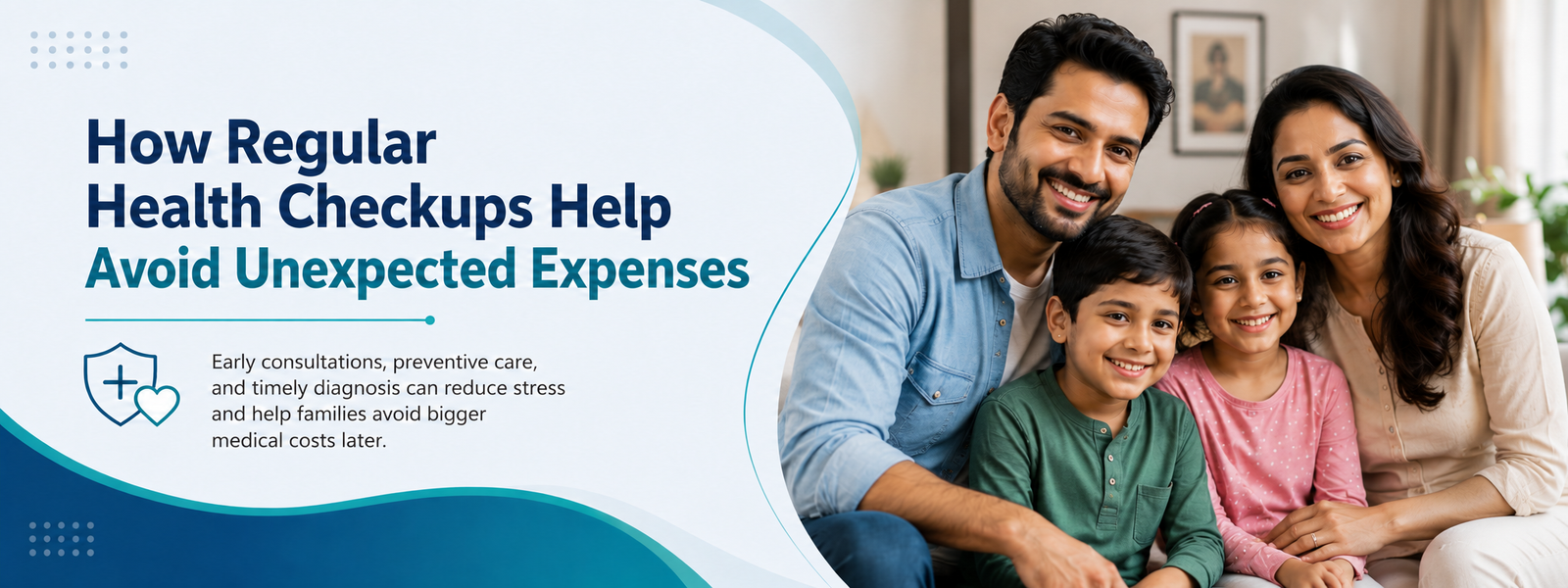
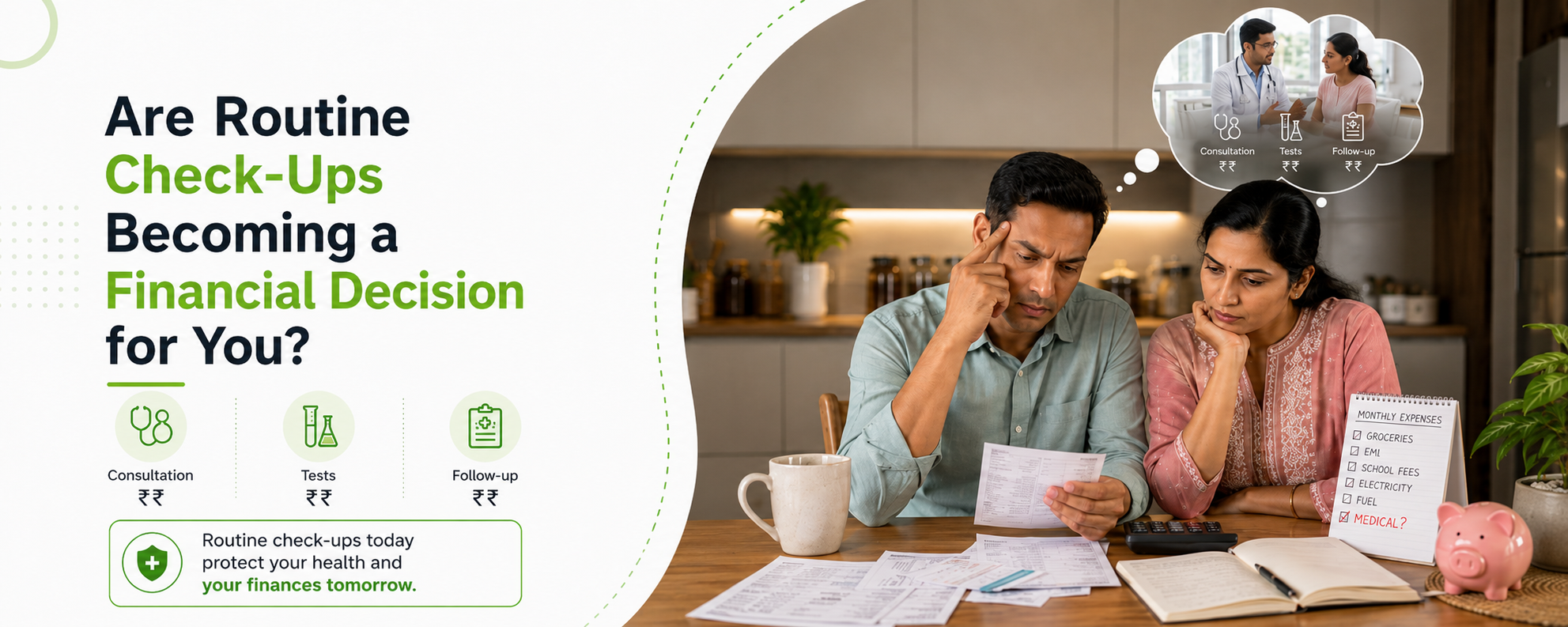
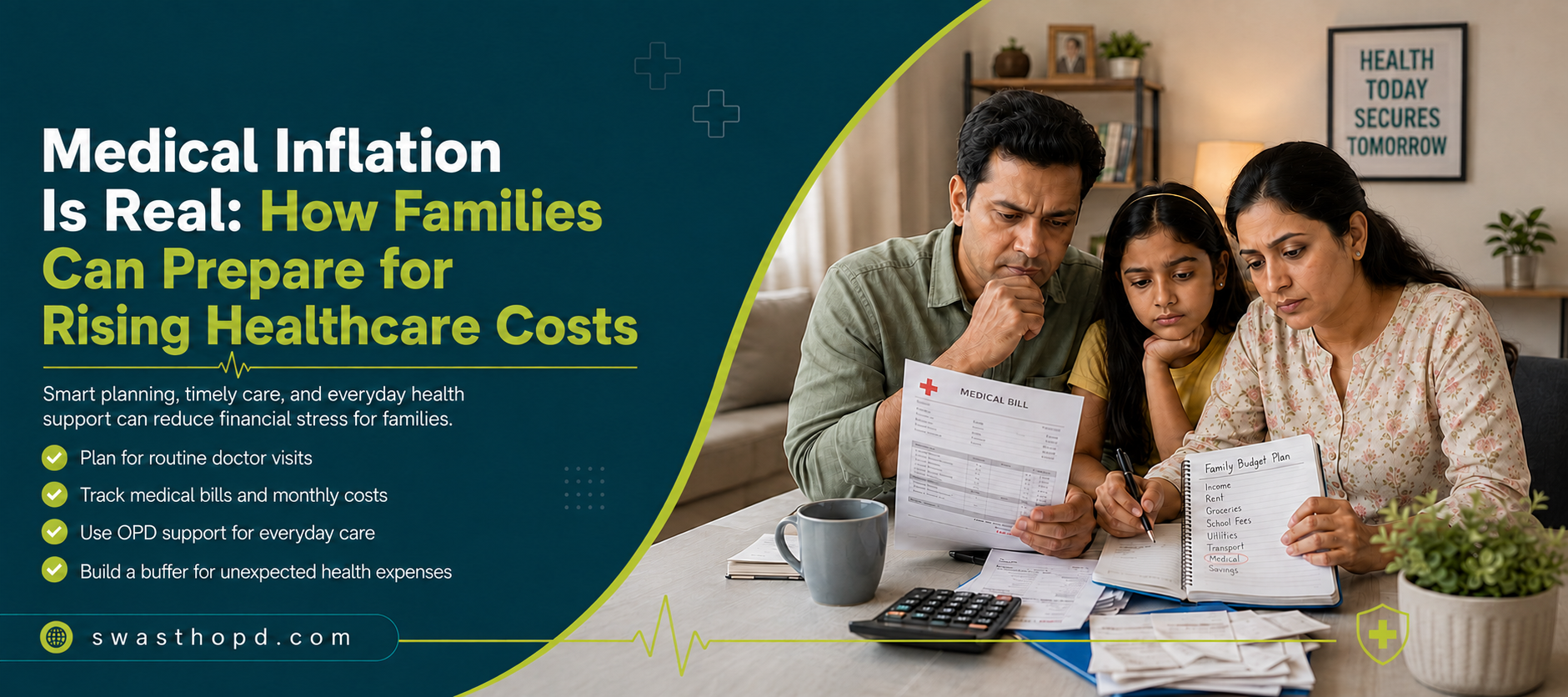
First, let’s understand the problem. You might have a stellar family floater plan of ₹5 lakhs or even ₹10 lakhs. You pay your premium diligently every year. But when you need to see a doctor for a simple viral infection, you pay from your own pocket. When you pick up your father’s monthly diabetes medication, you pay again. That ₹1,000 to ₹3,000 spent every few months on routine healthcare adds up significantly over the year.
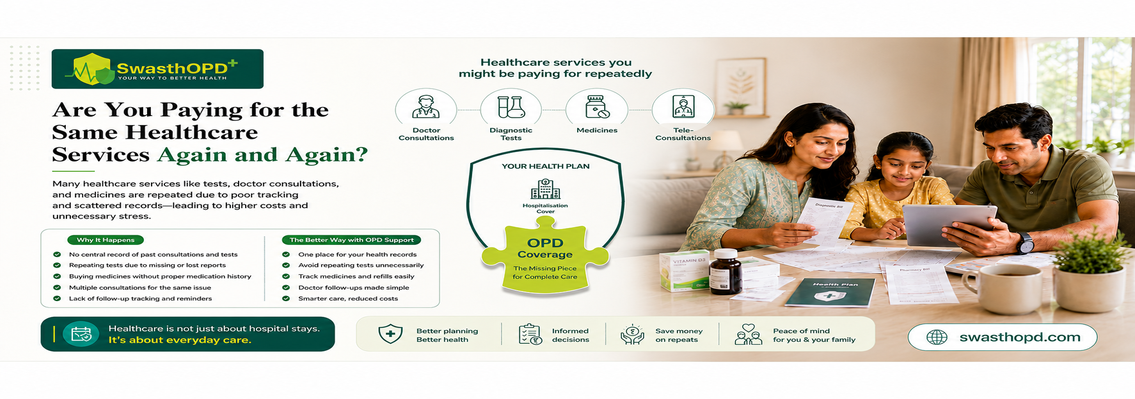
Traditional health insurance policies in India are primarily designed for hospitalization. They only kick in when you are admitted for more than 24 hours. This leaves a massive hole in your financial planning for healthcare. This is precisely why determining Which Health Insurance is Best for OPD has become a necessity for families looking to manage their monthly health budgets effectively.

What to Look for in the Best OPD Insurance
Before we dive into the details, let’s define the “what.” The best OPD coverage for you and your family should tick the following boxes:
- Cashless Consultations: The plan should allow you to see a doctor—either in a clinic or via an online video call—without having to pay at the time of the visit and then file for a reimbursement. It should be seamless.
- Diagnostic Coverage: It should cover the cost of blood tests, X-rays, and other pathological investigations. Look for plans that offer either a fixed percentage of coverage or a dedicated sum insured for diagnostics.
- Pharmacy Benefits: Medicine bills can be a silent killer of monthly budgets. A good OPD plan will offer discounts or coverage on purchasing medicines, both online and at physical pharmacies.
- Wide Network: The plan’s value is directly tied to its network of doctors, hospitals, diagnostic centers, and pharmacies. A wider network means you can access benefits closer to your home or office.
- Preventive Health Check-ups: The best plans don’t just wait for you to get sick; they encourage wellness by including annual preventive health check-ups. This helps in early detection and better health management.
- Digital-First Experience: In 2024, you want a plan that you can manage from your phone. From finding a network doctor to downloading health reports and raising claims, everything should be easy and digital.
How SwasthOPD Answers the Question
This is where a technology-enabled platform comes into the picture. Instead of trying to fit OPD needs into a traditional insurance box, modern solutions have built ecosystems specifically for outpatient care. They directly address the gap left by standard insurers.
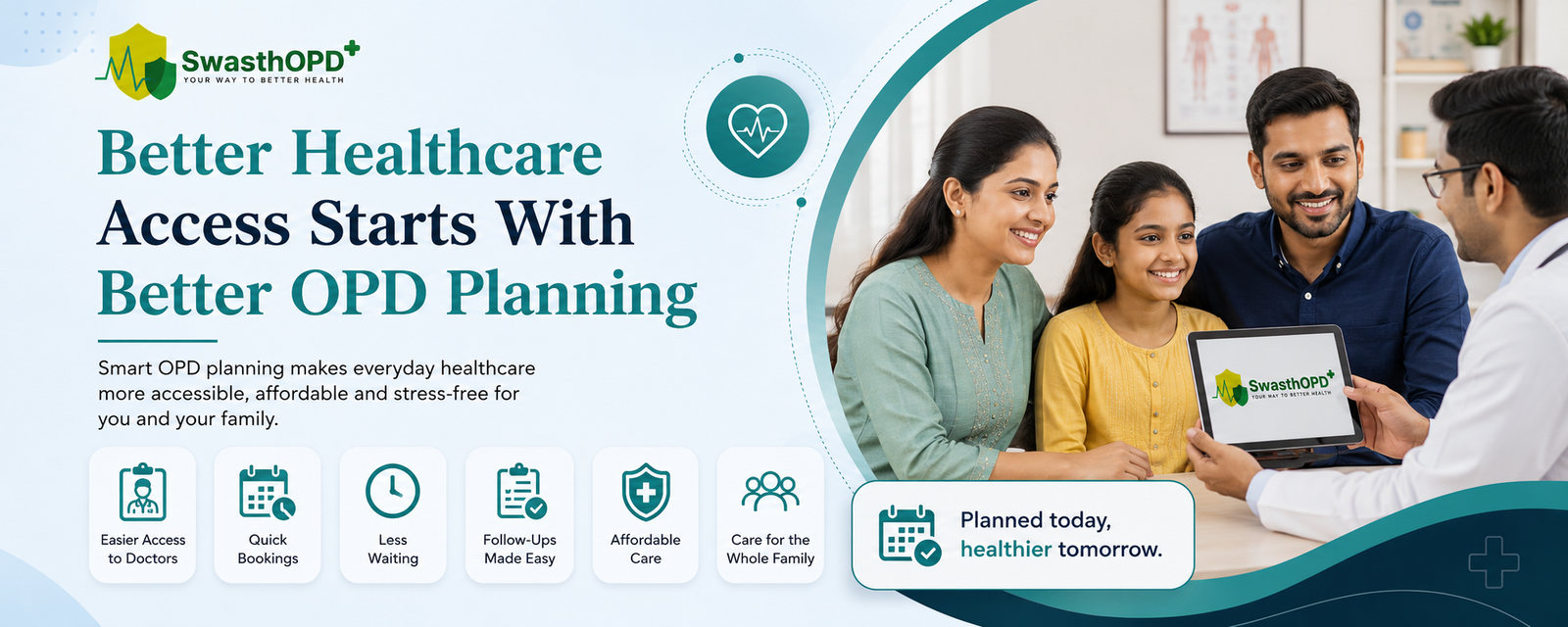
If you are repeatedly asking yourself, Which Health Insurance is Best for OPD?, the answer lies in platforms that specialize in it. For instance, the plans offered are designed with the philosophy that healthcare should be accessible, affordable, and hassle-free for daily needs. You can explore the range of tailored health solutions available for both individuals and businesses by visiting the main page of SwasthOPD .
Imagine a plan where you don’t have to think twice before visiting a doctor for a minor issue. Whether it’s for you, your spouse, or your kids, having a dedicated OPD cover ensures that health concerns are addressed immediately without the mental load of the bill. This is precisely the kind of answer people need when they search for Which Health Insurance is Best for OPD.
Breaking Down the Best OPD Plan Features
To give you a practical idea, let’s look at the kind of plans you might find on a dedicated OPD platform. They often categorize plans to suit different needs. When evaluating Which Health Insurance is Best for OPD, you should consider these common structures:
For the Individual or Small Family: The Comprehensive Cover
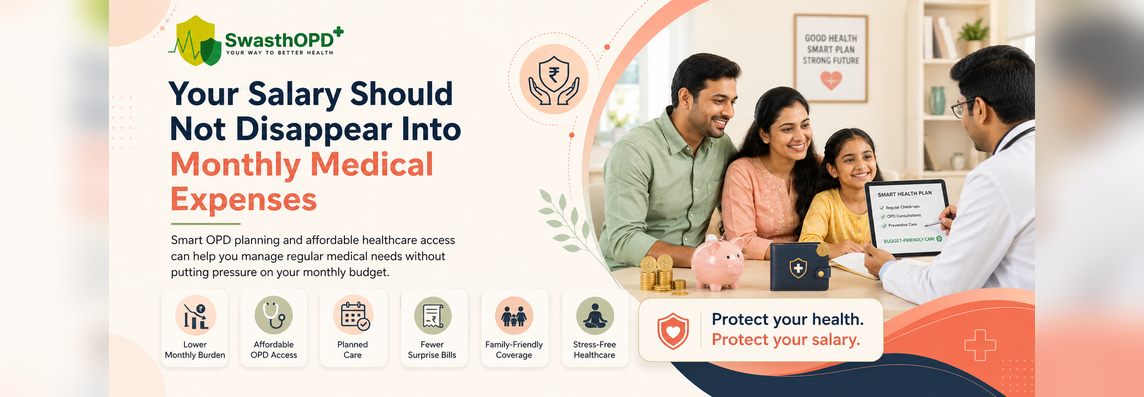
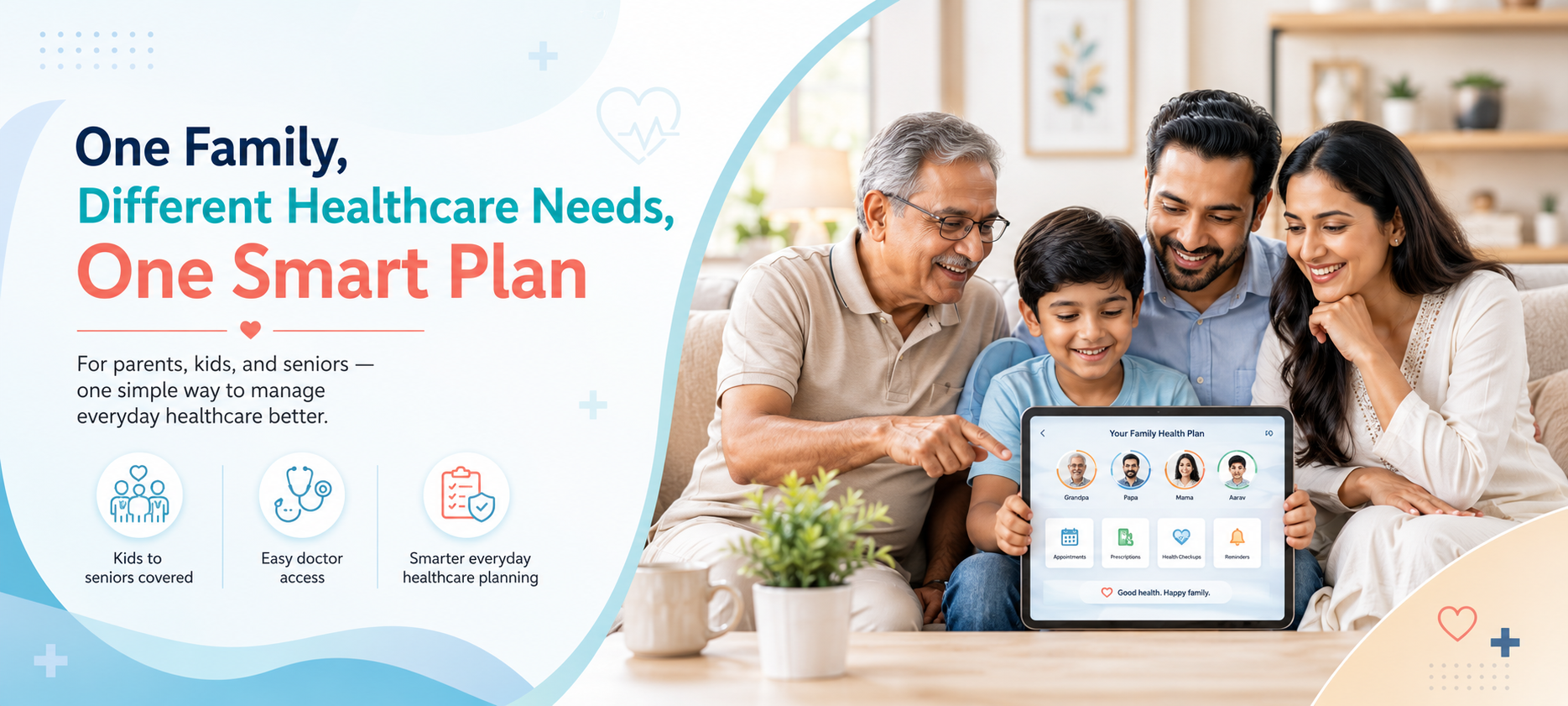
If you are looking for a plan that covers the entire family (say, 4 members), you need something that bundles all the essentials. The best plans offer a single sum insured that the whole family can use for doctor visits, buying medicines, and getting tests done. At a price point that is often less than a single premium doctor visit per month (e.g., around ₹5,000 a year), it pays for itself almost instantly. This is ideal for young families where pediatric visits and general physician consultations are frequent.
For the Wellness-Focused Individual: The Preventive Approach
Some of the best OPD plans focus heavily on preventive care. They might include annual health check-ups that cover everything from lipid profiles to liver function tests. This is crucial for the modern professional who wants to stay on top of their health metrics. It aligns perfectly with the vision of making healthcare simpler and more transparent.
For Everyday Savings: The On-the-Go Plan
Then there are plans designed for maximum flexibility, perhaps at a lower monthly cost. These are excellent for those who want the security of cashless consultations and pharmacy discounts without a massive yearly commitment. They ensure that for things like online consultations or buying a prescription refill, you’re always covered.
Why “Cashless” Matters More in OPD
You might have used a reimbursement system before. You pay the doctor, keep the bill, and then submit it to your insurance company, hoping to get your money back after weeks of follow-up. It’s tedious.
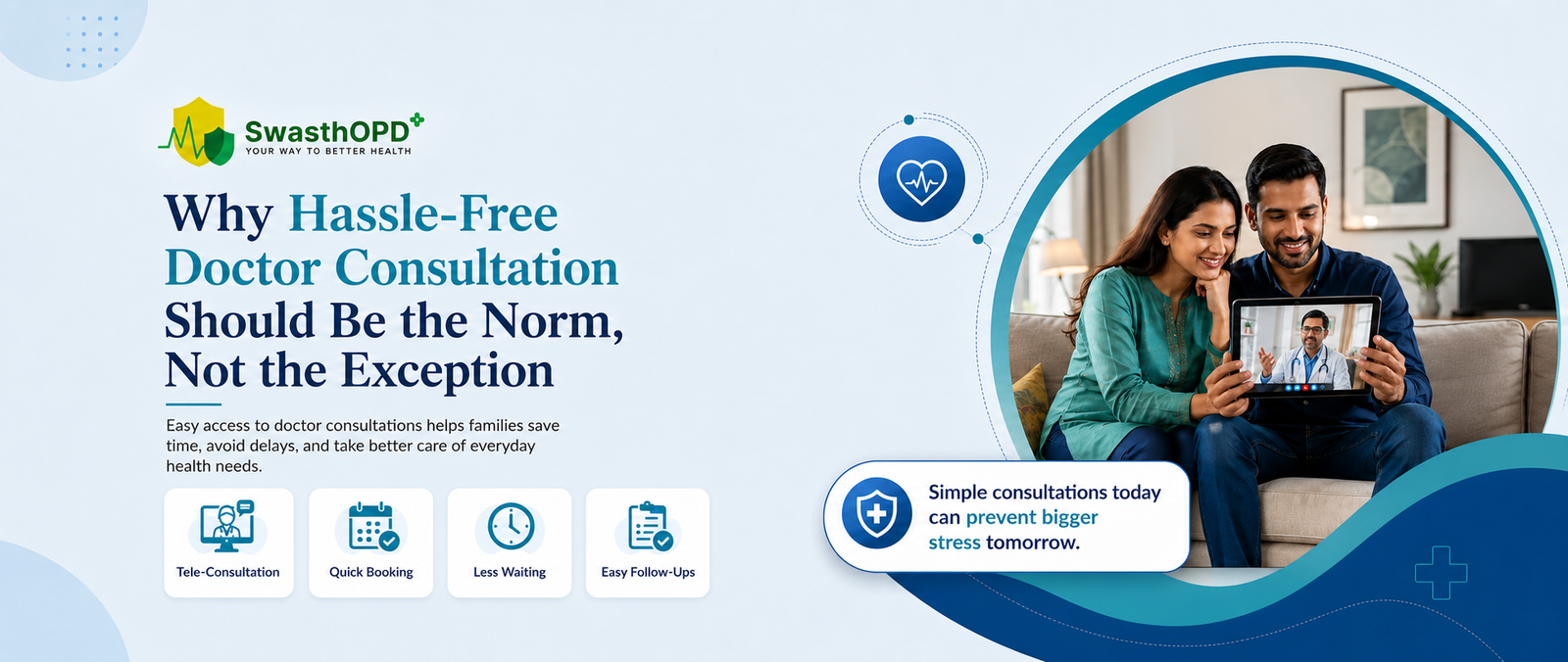
The real game-changer in modern OPD coverage is the cashless ecosystem. Good platforms have built a vast network of partners to make this possible. When you visit a network doctor or diagnostic center, the settlement happens behind the scenes. You just walk in, show your digital card or ID, and get your consultation or test done. The peace of mind that comes with this is immense. It transforms healthcare from a financial transaction into a simple wellness interaction. For anyone wondering Which Health Insurance is Best for OPD, the presence of a robust cashless network is often the deciding factor.
How to Choose the Right OPD Plan for You
Now that you know what to look for, here is a simple checklist to help you decide Which Health Insurance is Best for OPD for your specific situation:
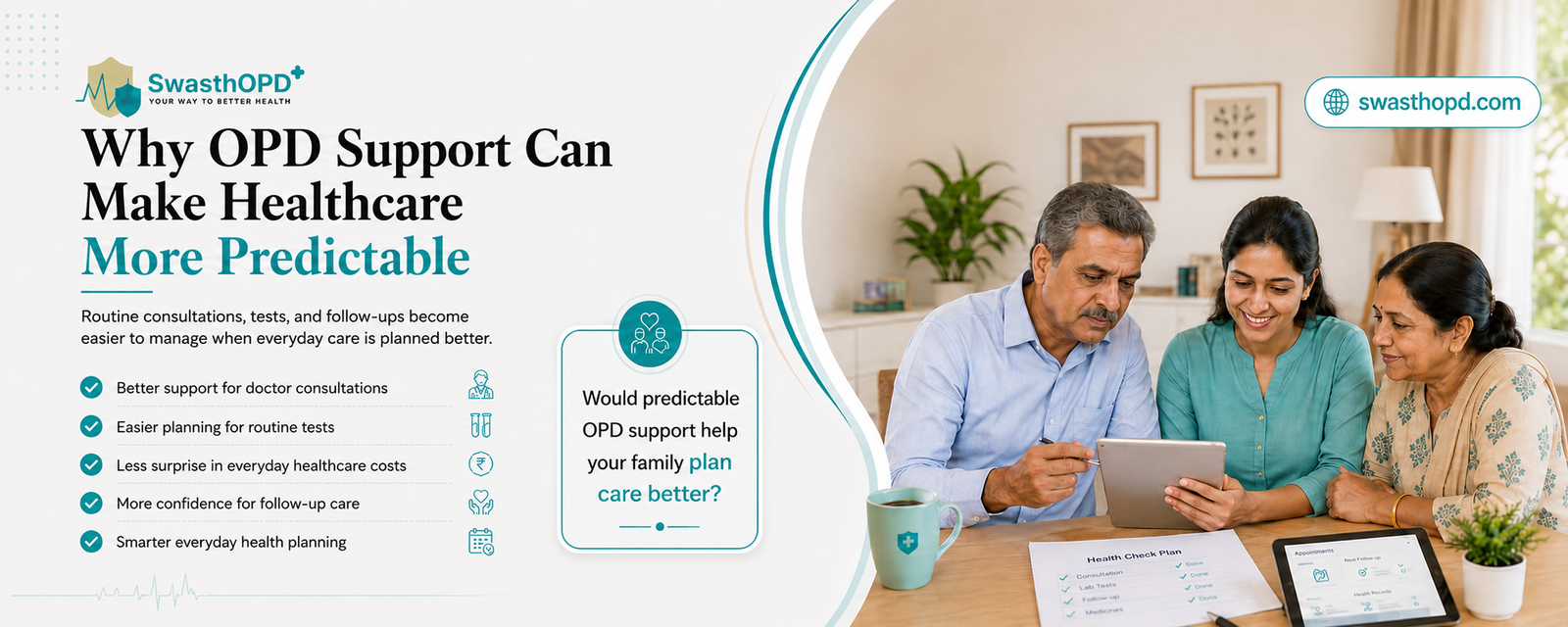
- Analyze Your Family’s Healthcare Usage: Look at the last 6-12 months. How many doctor visits did you have? How much did you spend on medicines? What tests were done? This gives you a baseline of your OPD expenses.
- Check the Coverage Limits: Does the plan have a sub-limit on consultations or diagnostics? The best plans offer a generous, unified sum that you can use flexibly across different OPD services.
- Evaluate the Network: Go to the platform’s website or app. Check if there are doctors and diagnostic centers near your home and office. A plan is only as good as its accessibility. For a complete overview of all the services, plans, and coverage details available, you can refer to the SwasthOPD for easy navigation.
- Look for Digital Integration: Does the platform have a good app? Can you book consultations, order medicines, and find network providers easily? A digital-first approach saves immense time.
- Understand the Fine Print: Always check what is included and what is excluded to ensure the plan matches your family’s typical healthcare needs.
The Future of Health Coverage is Hybrid
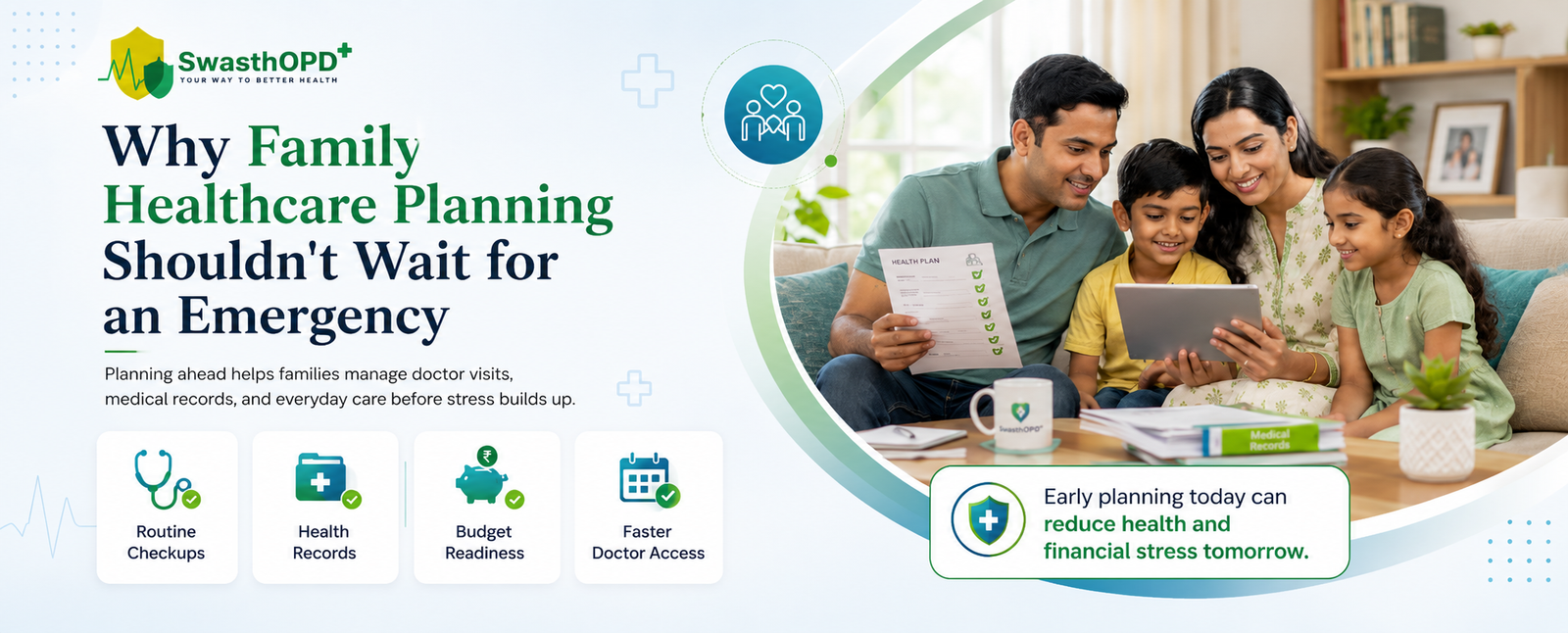
The landscape of health insurance in India is changing. People are realizing that a single hospitalization plan is not enough. The future is a hybrid model: a robust hospitalization insurance for major emergencies, paired with a dedicated OPD coverage plan for daily healthcare needs.
By combining the two, you create a complete safety net. You are protected from the financial devastation of a major medical event, and you are also shielded from the constant drain of routine health expenses. This dual approach is the ultimate answer to Which Health Insurance is Best for OPD and overall health security.
Conclusion: Don’t Overlook Your Daily Health
So, to circle back to our main question: Which Health Insurance is Best for OPD? The best one is the one you will actually use. It’s the one that makes you feel comfortable visiting a doctor for a minor issue, that takes the sting out of monthly pharmacy bills, and that encourages you to get regular check-ups done without hesitation.
It’s a plan that treats healthcare as a continuous journey, not just an emergency pitstop. Specialized platforms are leading this change by building technology-driven solutions that put the power of affordable, accessible healthcare back into your hands.
Don’t wait for a hospital visit to realize the value of health insurance. Start covering your health today, exactly where you need it most: at the doctor’s clinic, the diagnostic lab, and the pharmacy.
Take control of your well-being. Explore the comprehensive and affordable OPD plans available and make routine healthcare a worry-free part of your life. Now that you know Which Health Insurance is Best for OPD, it’s time to make the switch and secure your family’s daily health needs.